


Abkantpresse Component Damage can significantly affect the performance and longevity of your press brake system. These machines are critical in bending and shaping metal sheets, but improper handling and lack of maintenance can lead to costly damage. In this article, I will share practical tips to help you prevent damage to your press brake components, ensuring that the system operates smoothly and efficiently. Whether you are a facility manager or an operator, understanding and implementing these preventive measures will not only improve the machine’s lifespan but also maintain high production quality. By following these steps, you can minimize downtime, reduce repair costs, and maximize the safety of your press brake system.
Häufige Ursachen für Abkantpresse Component Damage
Überlastung der Maschine
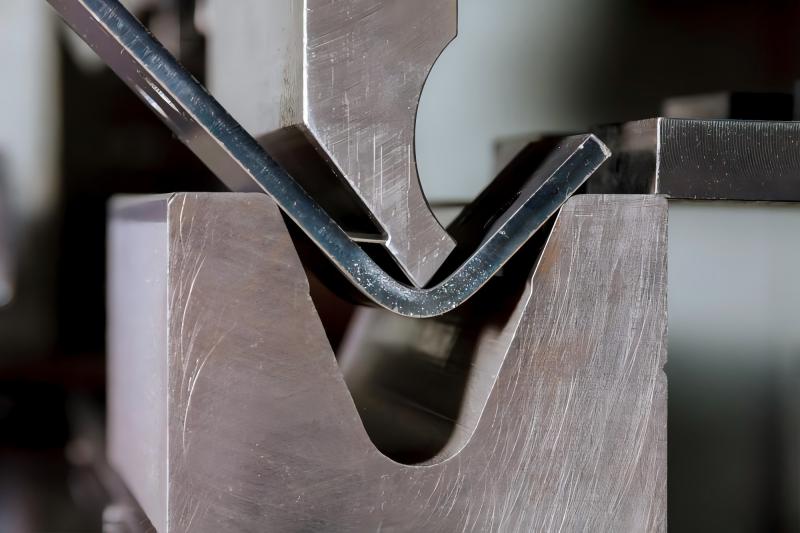
One of the most common causes of component damage is overloading the press brake beyond its rated tonnage. This puts excessive stress on the machine, causing premature wear and potential failure of key components like the hydraulic system, punch, and die.
Improper Tooling Setup
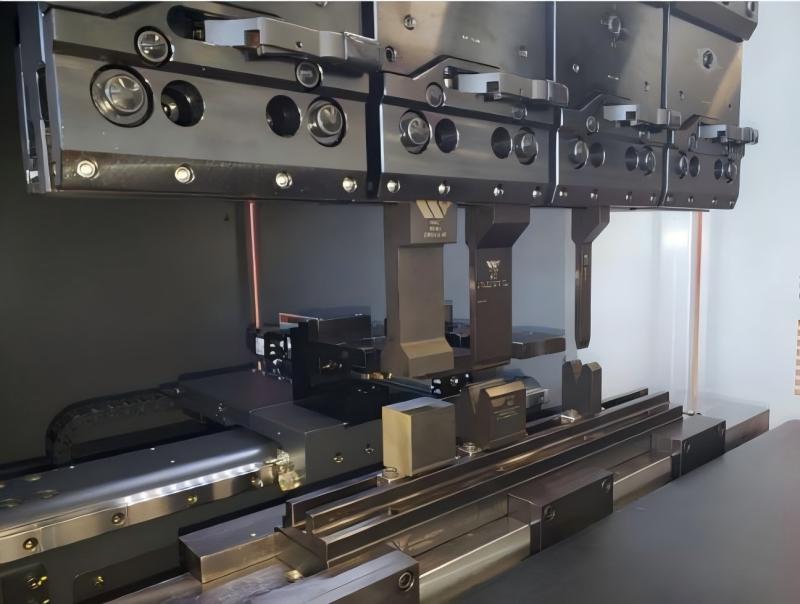
Incorrectly setting up the tooling, such as using a die that isn’t suited for the material thickness or bending angle, can lead to unnecessary wear and tear on both the tooling and the press brake’s ram. Regular checks and proper tooling maintenance are essential to prevent damage.
Ausfälle des Hydrauliksystems
The hydraulic system is a critical part of press brake operation. Any leaks or failure in the hydraulic fluid can lead to inadequate pressure, affecting the precision of the bends and potentially damaging components such as the hydraulic cylinders or seals.
Preventive Maintenance Steps for Press Brake Component Protection
Step 1: Conduct Regular Inspections
Frequent inspections of all mechanical and electrical components help identify potential issues before they cause serious damage. Pay special attention to hydraulic hoses, seals, and cylinders to ensure there are no leaks or signs of wear.
Step 2: Calibrate the Machine Regularly
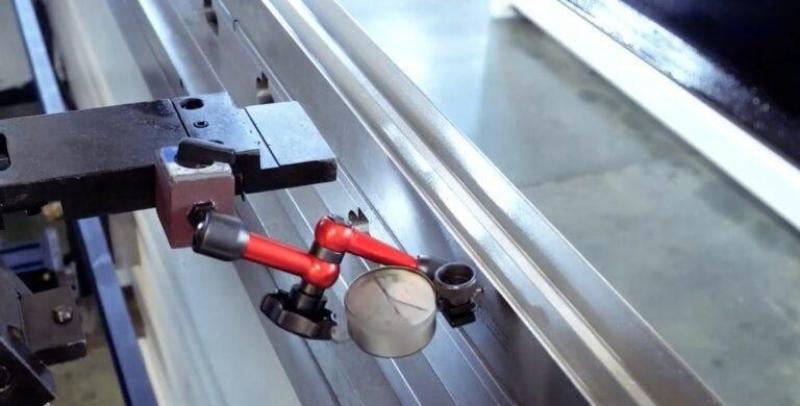
Ensuring that the press brake is calibrated accurately can prevent unnecessary strain on the machine. Regular calibration helps maintain consistent bend quality and prevents overloading.
Step 3: Monitor Hydraulic Fluid Health
Regularly check the condition of the hydraulic fluid. Clean filters and ensure that the fluid is free from contaminants. Low-quality or contaminated oil can damage hydraulic components and reduce overall efficiency.
Step 4: Correctly Use and Store Tooling
Ensure that tooling is used according to the manufacturer’s guidelines, and store it properly when not in use to prevent damage. Worn-out tooling should be replaced promptly to avoid affecting the machine’s components.
Step 5: Training and Proper Operation
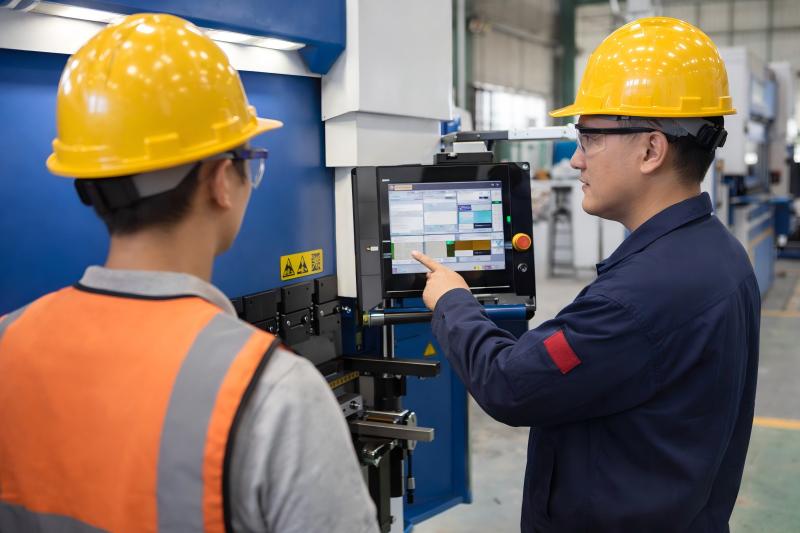
Train operators to understand the machine’s limits and how to operate it safely. Proper handling and usage of the press brake are key to preventing damage to critical components.
FAQs
How often should I inspect my press brake for potential component damage?
Inspections should be conducted at least once every six months or more frequently based on machine usage. Pay close attention to hydraulic components and tooling setup.
What should I do if I notice hydraulic oil leakage?
Immediately shut down the machine and inspect the hydraulic system for the source of the leak. Replace damaged seals or hoses and refill the system with the recommended fluid.
Can improper tooling cause damage to my press brake?
Yes, using the wrong tooling or improperly set tooling can lead to excessive wear on the machine, particularly the ram and hydraulic components. Always ensure that tooling matches the required specifications for each job.
Abschluss
By following these preventive measures, you can avoid Press Brake Component Damage and ensure your press brake operates efficiently. Regular maintenance, proper tooling, and adherence to operational guidelines will not only extend the life of your machine but also maintain the quality of your production. If you need more guidance or assistance with press brake maintenance, don’t hesitate to reach out to our team for expert advice and support.
For further information, contact us today for tailored maintenance tips and solutions.


