


Laser Cutting Breakpoints are a common issue that can interrupt production, reduce cutting accuracy, and increase material waste. If you’re experiencing incomplete cuts, unexpected interruptions, or inconsistent cutting quality, understanding the root causes is essential. In my experience, Laser Cutting Breakpoints are often linked to material defects, improper cutting parameters, worn consumables, or mechanical system issues. In this article, I’ll walk you through a practical troubleshooting process to identify and eliminate these problems efficiently. By applying the methods outlined here, you can improve cutting stability, maintain edge quality, reduce downtime, and ensure your laser cutting machine operates at peak performance for a wide range of sheet metal fabrication applications.
Common Causes of Laser Cutting Breakpoints
Material Properties and Surface Conditions
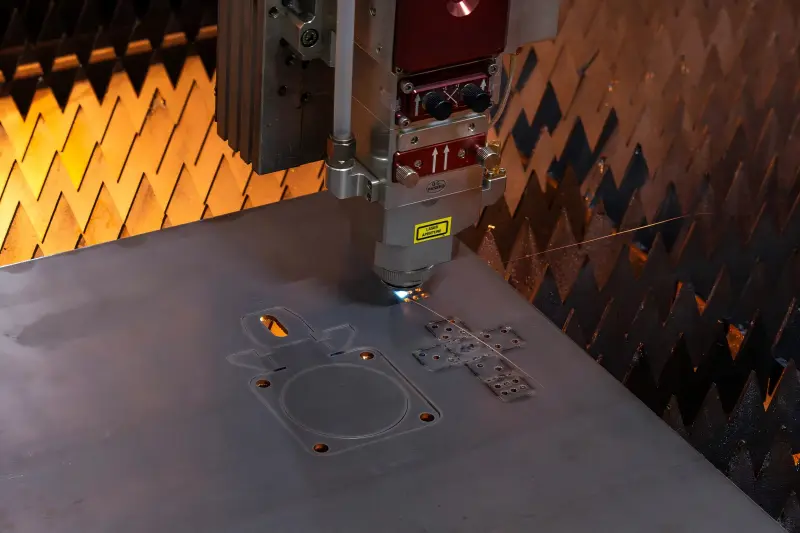
Variations in material thickness, hardness, or surface oxidation can lead to breakpoints. Uneven or reflective surfaces may scatter the laser beam, causing inconsistent penetration.
Machine Parameters and Settings
Incorrect cutting speed, laser power, or focus position can create weak points in the cut. Rapid acceleration, high feed rates, or improper gas flow may also contribute to breakpoints.
Tooling and Nozzle Condition
Worn or misaligned nozzles and optics reduce beam quality and stability. Contaminated lenses can scatter energy, leading to incomplete cuts or breakpoints.
Mechanical and Motion System Issues
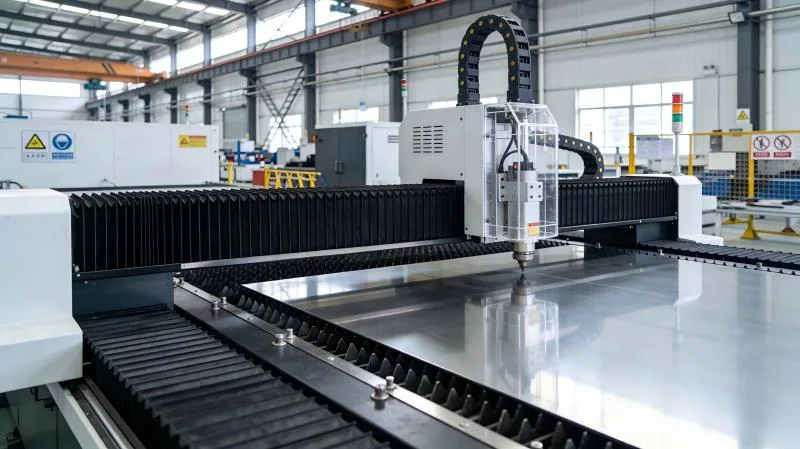
Backlash, misaligned rails, or worn bearings may cause vibration or position errors. These mechanical faults can produce inconsistencies along the cut path.
Step-by-Step Troubleshooting for Laser Cutting Breakpoints
Step 1: Inspect the Material
Check the sheet for thickness variations, surface rust, or contaminants. Selecting uniform, clean material reduces the likelihood of breakpoints.
Step 2: Verify Machine Parameters
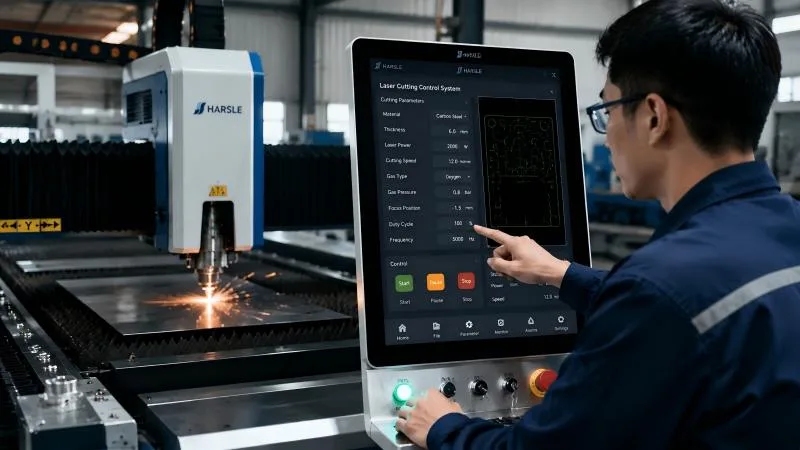
Review and adjust cutting speed, laser power, and focus height. Refer to material-specific settings and manufacturer recommendations for optimal results.
Step 3: Examine Optics and Nozzles
Clean lenses and mirrors, and inspect the nozzle for wear or misalignment. Replace components showing signs of damage to maintain beam quality.
Step 4: Assess Mechanical Components
Check rails, bearings, and drive systems for wear, vibration, or backlash. Tighten or replace components to ensure smooth and precise motion.
Step 5: Perform Test Cuts
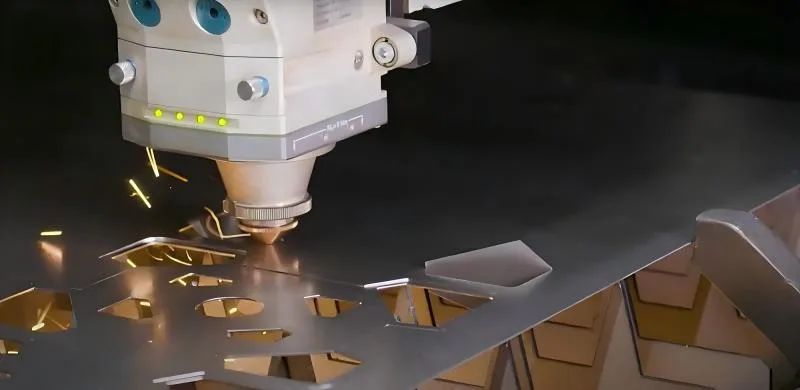
Run small test cuts on scrap material to observe for breakpoints. Make incremental adjustments to parameters based on results.
Step 6: Implement Continuous Monitoring
Use sensors or vision systems if available to detect inconsistencies in real-time. Early detection helps prevent full-part failures and material waste.
Best Practices to Prevent Breakpoints
Routine Maintenance

Schedule regular inspection and cleaning of optics, nozzles, and motion systems. Ensure the machine is properly lubricated and aligned.
Material Quality Control
Source consistent, high-quality sheets and monitor storage conditions to prevent surface oxidation or warping.
Operator Training
Ensure operators understand the impact of parameters and material conditions. Provide training on adjusting settings and recognizing early signs of breakpoints.
Document Settings and Adjustments
Maintain logs of successful cutting parameters for each material type. This reduces troubleshooting time for repeat jobs.
FAQs
What typically causes Laser Cutting Breakpoints?
Breakpoints often result from uneven material, incorrect machine settings, worn optics, or mechanical misalignment.
How can I quickly identify the cause of a breakpoint?
Inspect material quality first, then check machine parameters and optics, followed by motion system alignment. Step-by-step elimination helps pinpoint the issue.
Can preventive maintenance reduce breakpoints?
Yes, regular cleaning, lubrication, and inspection of optics and mechanical components greatly reduce the occurrence of breakpoints.
Conclusion
Troubleshooting Laser Cutting Breakpoints effectively requires a structured approach: inspect materials, verify parameters, check optics, and ensure mechanical systems are in optimal condition. By combining proactive maintenance, proper material selection, and operator training, you can minimize breakpoints, improve precision, and reduce material waste. For more guidance or technical support, our team is ready to help optimize your laser cutting operations.


