


Safety braking systems on листогибочные прессы are essential for protecting both operators and equipment. These systems are designed to stop the machine’s motion quickly in the event of an emergency, minimizing the risk of injury and damage. In this article, I’ll guide you through the critical steps to test and maintain safety braking systems, ensuring your press brake operates safely and efficiently. Whether you’re new to press brake operations or an experienced technician, this guide will help you understand how to keep your braking systems in top condition.
Key Components of Safety Braking Systems on Листогибочные прессы
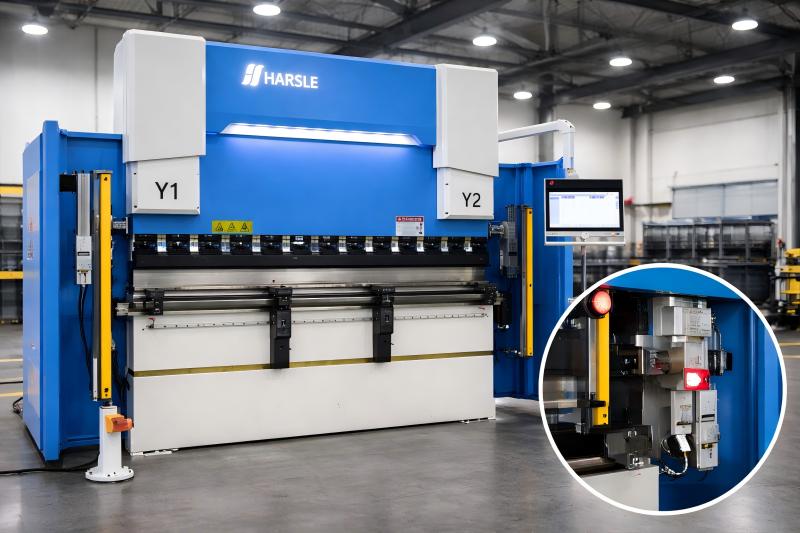
Braking Mechanism Overview
The primary purpose of the safety braking system is to stop the downward motion of the ram during the press brake’s operation, typically through hydraulic or mechanical systems. These brakes must respond quickly and reliably to prevent accidents.
Hydraulic and Mechanical Systems
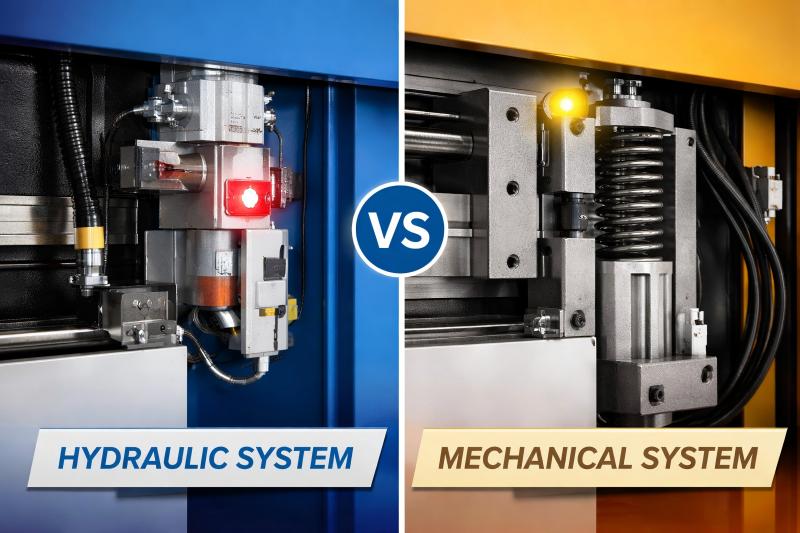
Safety braking systems are often divided into hydraulic and mechanical systems. Hydraulic systems use pressurized fluid to activate the brake, while mechanical systems rely on spring-loaded mechanisms. Understanding the differences between these systems is key to maintaining their function.
Steps to Test the Safety Braking System
Step 1: Inspect Hydraulic Lines and Components
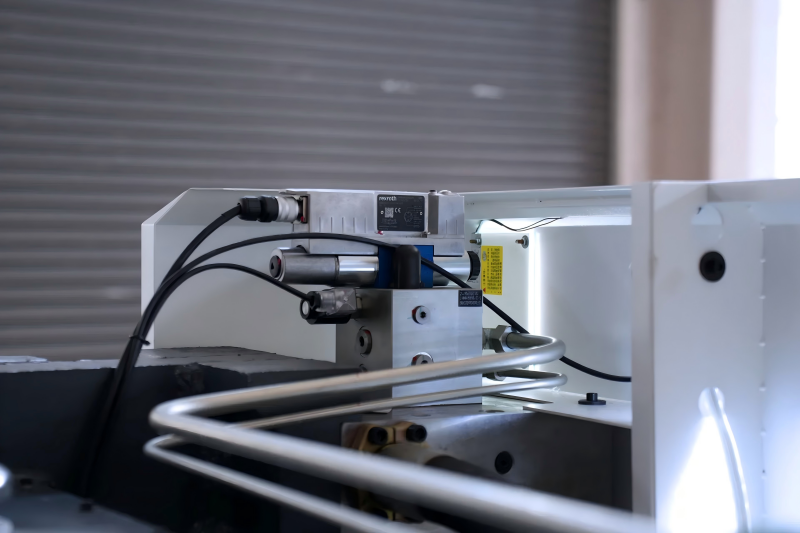
Before testing the braking system, check the hydraulic lines and components for signs of wear, leaks, or contamination. Any issues with the hydraulic fluid could affect brake response.
Step 2: Test the Braking Action
Activate the press brake and test the braking system by operating the machine at varying speeds and checking the response time. The brakes should stop the machine immediately without any lag. If there’s a delay, investigate further for hydraulic pressure loss or mechanical failure.
Step 3: Verify the Emergency Stop Function
Press the emergency stop button to ensure the system immediately stops the machine’s motion. The brake should engage smoothly, and the machine should come to a complete stop without further movement.
Step 4: Test the Backup Safety Features

Many modern press brakes come equipped with backup safety features like light curtains or proximity sensors. Test these to ensure they trigger the braking system in case of unexpected obstacles or errors in operator input.
Maintaining Safety Braking Systems
Step 1: Regular Hydraulic Fluid Checks
One of the most important maintenance tasks is to check the hydraulic fluid regularly. Low or contaminated fluid can lead to brake system malfunctions. Always follow manufacturer guidelines for fluid levels and quality.
Step 2: Clean and Lubricate Moving Parts
For mechanical braking systems, lubrication of moving parts is essential to ensure smooth operation. Inspect the components regularly and apply the recommended lubricants to prevent wear and corrosion.
Step 3: Replace Worn-out Components
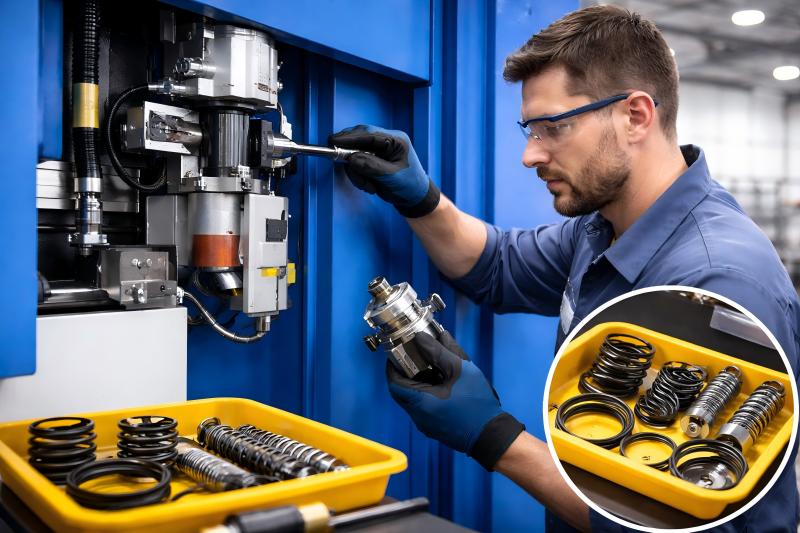
Over time, the components in the braking system, such as seals, hoses, and springs, can wear out. Regularly replace any worn-out parts to prevent failures during operation. Always use parts that meet the manufacturer’s specifications.
Step 4: Perform Safety System Calibration
Once all components are inspected and maintained, calibrate the system to ensure it functions within the required safety parameters. Regular calibration ensures that the braking system can handle the maximum load and stop the machine efficiently.
Вопросы и ответы
How often should I test the safety braking system on my press brake?
Safety braking systems should be tested at least once every six months. If your press brake is used frequently, more frequent testing may be required.
What should I do if the brake system is not stopping the machine properly?
If the brake system is not functioning correctly, check the hydraulic fluid level, inspect for leaks, and test the emergency stop. If the issue persists, consult with a technician for further inspection.
How do I know when to replace the hydraulic fluid in my press brake?
Follow the manufacturer’s guidelines for fluid change intervals. Typically, fluid should be replaced every 500–1000 hours of operation, or when signs of contamination or degradation are evident.
Заключение
Maintaining and testing the safety braking system on your press brake is crucial for safe and efficient operation. Regular inspections, hydraulic fluid checks, and component replacements help prevent failures and ensure that the braking system works effectively in emergency situations. By following these steps, you can ensure the longevity of your press brake and the safety of your team.
If you need additional support or have further questions about press brake safety, feel free to reach out to our team for expert guidance.


