


Before operating a press brake, ensuring the machine is in optimal condition is vital for both safety and efficiency. Press Brake Pre-Operation Inspection is a critical process to identify potential issues before they cause downtime or accidents. This inspection ensures that all components, from the hydraulic system to electrical connections, are functioning correctly, reducing the risk of malfunctions during operation. In this article, I will guide you through the essential steps of a pre-operation inspection, so you can maintain a safe and efficient working environment.
Key Areas to Inspect Before Operating a Листогибочный пресс
Проверка гидравлической системы
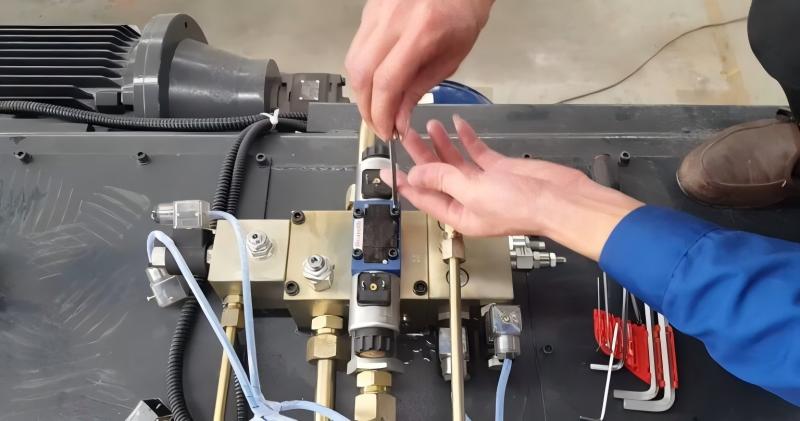
The hydraulic system is at the heart of press brake operations. Before starting, check the hydraulic fluid level and ensure there are no visible leaks in the hoses or cylinders. Low fluid levels or leaks can cause pressure drops, resulting in inaccurate bends and possible machine failure. Additionally, verify that the oil temperature is within the recommended range to prevent fluid degradation.
Mechanical Components Inspection
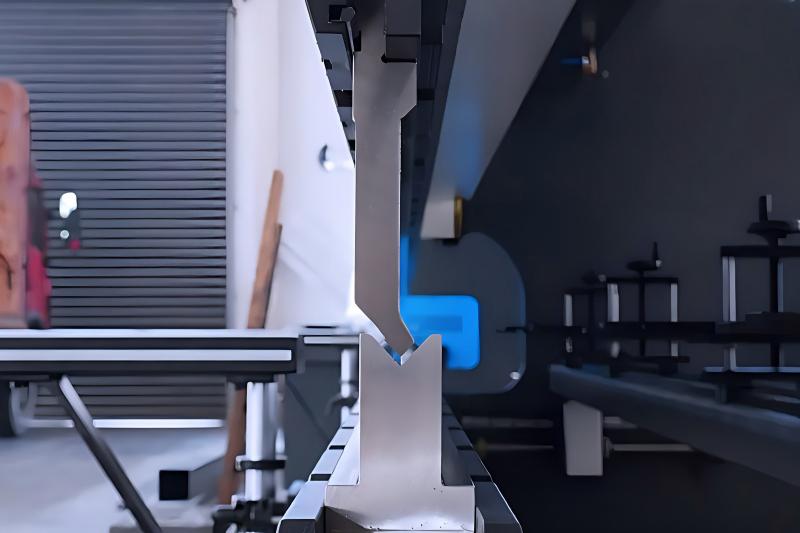
Next, inspect the mechanical components such as the ram, die, and punch. Check for any signs of wear, cracks, or deformation. Make sure the die is properly aligned and securely installed to prevent any misalignment during bending. Also, inspect the guide rails and lubrication points to ensure smooth machine movement.
Electrical and Safety Features
Electrical systems, including sensors, switches, and the CNC controller, should be tested before operation. Verify that all electrical connections are secure and that safety features, such as emergency stop buttons and light curtains, are functional. This step ensures that the machine responds correctly to commands and that operators are protected from potential hazards.
Пошагово Листогибочный пресс Pre-Operation Inspection Process
Step 1: Visual Inspection
Begin with a visual inspection of the entire machine. Look for any obvious issues such as loose parts, damage, or obstructions. Check the press brake’s work area to ensure it is clean and free of debris, which could affect machine operation or cause accidents.
Step 2: Hydraulic System Check
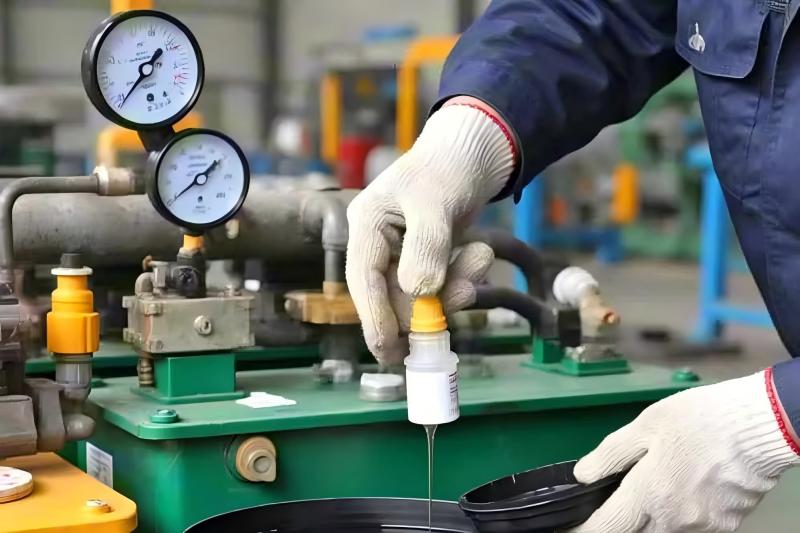
As mentioned earlier, check the hydraulic fluid levels and inspect hoses for leaks. Ensure that the pressure is within the recommended range, and that the hydraulic oil is clean and free from contamination. If necessary, replace the oil or clean the filter to maintain optimal performance.
Step 3: Mechanical and Alignment Checks
Inspect the ram and tooling for signs of wear and tear. Ensure the punch and die are properly aligned and in good condition. Misalignment can lead to poor bending accuracy and potentially damage the machine.
Step 4: Electrical and Safety System Test
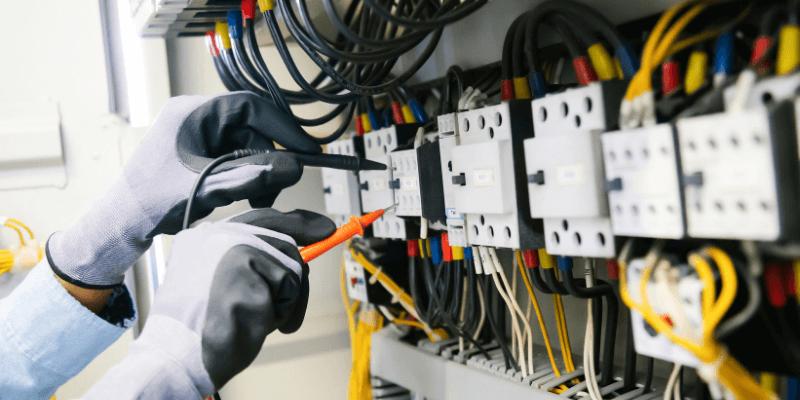
Test all electrical components and safety systems, including the emergency stop switch and light curtain sensors. Confirm that the CNC system is responding to commands correctly and that all the safety interlocks are functioning as intended.
Step 5: Perform a Trial Run
Before starting full production, conduct a trial run using scrap material to ensure everything is operating correctly. This helps identify any overlooked issues and ensures that the machine is calibrated properly for accurate bending.
Вопросы и ответы
Why is pre-operation inspection important for press brakes?
Pre-operation inspections are crucial to ensure that all components are functioning properly, reducing the risk of malfunctions, accidents, and poor-quality bending. It helps avoid costly downtime and ensures safety during operation.
How often should I perform pre-operation inspections?
Pre-operation inspections should be performed daily before each use of the press brake. For machines used extensively, it is important to conduct more frequent checks to catch potential issues early.
What are the consequences of skipping a pre-operation inspection?
Skipping this critical step can lead to equipment malfunction, inaccurate bending, machine damage, and most importantly, safety hazards for operators. Regular inspections help prevent these risks and ensure smooth operation.
Заключение
Выполнение Press Brake Pre-Operation Inspection is a necessary practice to ensure machine safety, accuracy, and reliability. By following a thorough checklist, including checks on the hydraulic system, mechanical components, and electrical systems, you can avoid downtime and costly repairs. Regular inspections are an investment in both machine longevity and workplace safety.
For additional guidance or assistance, don’t hesitate to contact our support team—we’re here to help you keep your press brakes running smoothly and safely.


