


При эксплуатации листогибочный пресс, one of the most critical aspects of ensuring safe and efficient performance is maintaining proper air pressure levels. These levels are essential for the hydraulic system to function optimally, providing the force required for accurate bending and ensuring the longevity of the machine. In this guide, I’ll explain how to check air pressure levels, why it matters for your press brake’s operation, and the steps you can take to ensure safe and effective use of your equipment.
Why Air Pressure Levels Matter for Листогибочный пресс Операция
The Role of Air Pressure in Hydraulic Systems
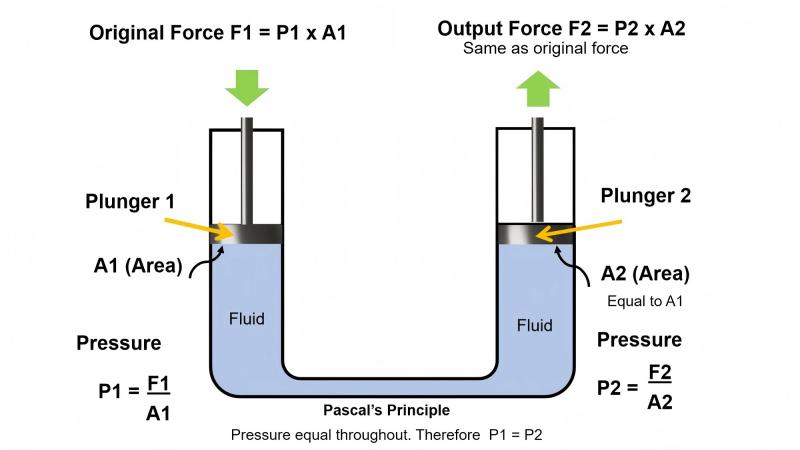
Air pressure directly affects the hydraulic system’s efficiency. Press brakes rely on hydraulic fluid to generate force, and proper air pressure helps maintain the fluid’s consistency and proper flow. Low or fluctuating air pressure can lead to inaccurate bending, reduced machine efficiency, or even mechanical failure.
Effects of Incorrect Air Pressure
If the air pressure is too high, it can strain seals and other sensitive components, leading to premature wear and potential damage. On the other hand, insufficient air pressure may result in a lack of force, making the machine unable to achieve precise bends, or it may cause inconsistent performance, leading to defective parts.
Step-by-Step Guide to Checking Air Pressure Levels
Step 1: Prepare Your Equipment

Before checking air pressure, ensure that the press brake is turned off and has cooled down. Wear appropriate safety gear, including gloves and safety glasses, to protect yourself from potential hazards during inspection.
Step 2: Locate the Pressure Gauge

Most modern press brakes are equipped with pressure gauges that allow operators to monitor air pressure levels. Locate the gauge on the machine’s control panel or hydraulic unit, typically marked with clear labeling. If your press brake does not have a built-in gauge, you may need to use a handheld digital pressure gauge.
Step 3: Check Air Pressure Against Manufacturer Specifications
Refer to the press brake’s user manual to identify the ideal air pressure range for your specific model. This range is typically given in bar or psi (pounds per square inch). Ensure that the pressure gauge reads within this specified range for safe operation.
Step 4: Adjust the Pressure if Necessary
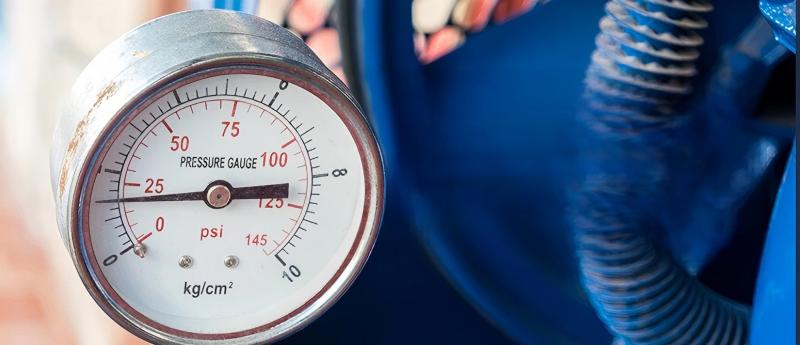
If the air pressure is outside the recommended range, you will need to adjust it using the machine’s air pressure control valve. Slowly increase or decrease the pressure, monitoring the gauge to ensure it reaches the desired level. Be cautious when making adjustments, as sudden changes may affect the system’s stability.
Step 5: Recheck the Pressure After Adjustment
After making adjustments, double-check the air pressure to ensure it is consistent with the recommended levels. It’s important to verify that the machine is operating with stable air pressure before resuming production.
Step 6: Regularly Monitor Air Pressure
For ongoing safety and performance, regularly monitor the air pressure levels as part of your machine’s routine maintenance. This can prevent unexpected issues and help maintain consistent bending accuracy.
Common Issues with Air Pressure and Their Solutions
Low Air Pressure
Low air pressure can result from leaks in the system or inadequate air supply. If you notice a drop in pressure, inspect the air hoses, seals, and connections for leaks. Repair or replace damaged parts as needed.
High Air Pressure
Excessive air pressure can strain the hydraulic system, leading to wear or damage. If the air pressure is consistently too high, check the air regulator and ensure it is functioning properly. You may need to adjust the pressure control valve or replace faulty components.
Fluctuating Air Pressure
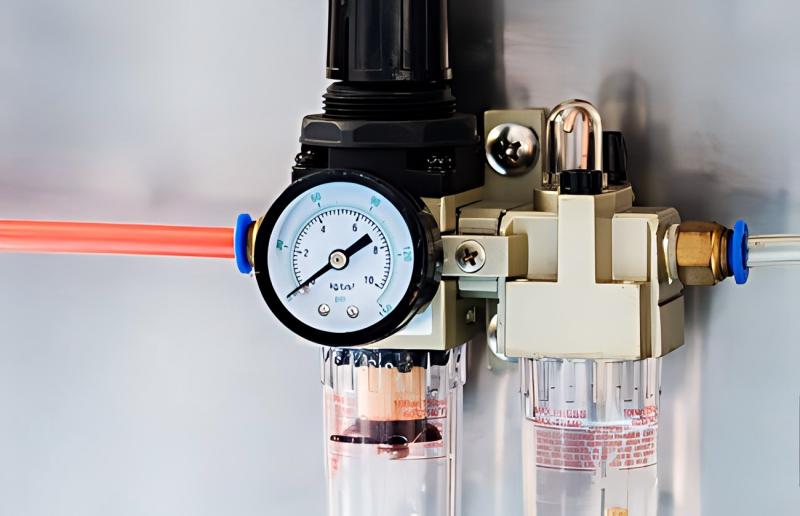
Fluctuations in air pressure can cause inconsistent machine performance. Check for potential blockages in the air lines, faulty pressure regulators, or other mechanical issues that could be causing pressure instability.
Вопросы и ответы
How often should I check the air pressure on my press brake?
It’s recommended to check the air pressure at the start of each shift or before heavy usage. Regular checks help ensure optimal machine performance and prevent unnecessary wear.
Can low air pressure cause inaccurate bends?
Yes, low air pressure can lead to insufficient force during bending, resulting in inaccurate angles or inconsistent bending across the workpiece.
What should I do if my press brake is showing fluctuating air pressure?
If the air pressure fluctuates, check for leaks, blockages, or faulty components like the regulator or pressure valves. It’s essential to address this to ensure stable operation.
Заключение
Maintaining correct air pressure levels is crucial for the safe operation of a press brake. By following the steps outlined in this guide, you can ensure that your machine performs optimally, minimizing downtime and maximizing production efficiency. Regular monitoring and adjustments of air pressure will help keep your press brake in top condition, reducing the risk of damage and ensuring consistent, accurate bending results.
If you need more guidance or assistance, feel free to reach out to our team for support.


