


When integrating automated systems into листогибочный пресс operations, safety is paramount. Press Brake Loading Systems are designed to improve production efficiency, but without proper safety measures, they can pose significant risks. In this article, I will walk you through key safety protocols and best practices to ensure these systems function safely and effectively. Whether you’re a facility manager or maintenance engineer, it’s essential to understand and implement these practices to protect both personnel and equipment. By doing so, you’ll maintain a safe, smooth, and efficient operation, minimizing risks and ensuring longevity for your automated press brake systems.
Common Hazards in Automated Листогибочный пресс Loading Systems
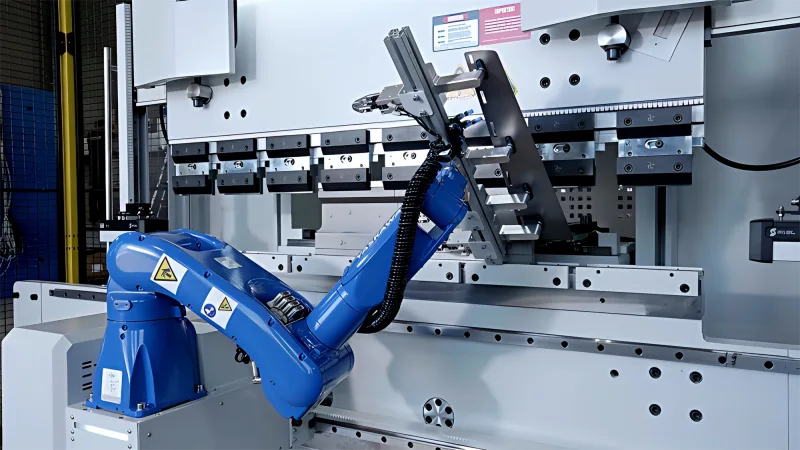
Mechanical and Electrical Hazards
Automated press brake systems rely heavily on mechanical parts such as motors, conveyors, and robotic arms. These components can pose risks if not properly maintained or safeguarded. Electrical failures, such as power surges, can also disrupt operations and cause accidents.
Hydraulic System Risks
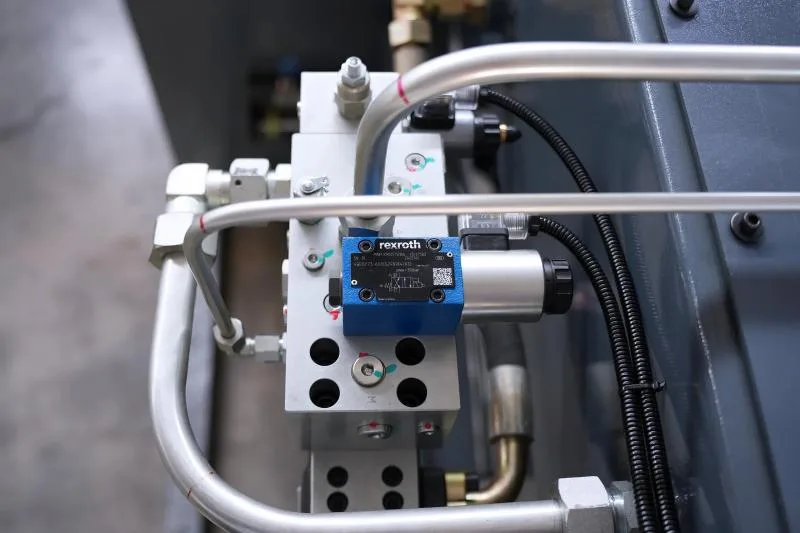
Hydraulic systems in press brake loading systems carry high-pressure fluids. If the hydraulic lines leak or are improperly sealed, they can lead to dangerous oil spills or pressure failures. These risks can be mitigated with regular inspections and maintenance.
Risk of Accidental Activation
Automated systems, while efficient, carry the risk of accidental machine activation due to their programmed tasks. This lack of constant human supervision can result in equipment malfunctions or even injuries to nearby workers. Implementing safety measures, such as emergency stops and sensors, helps mitigate these risks and ensures safe operation.
Steps to Ensure Safety in Automated Press Brake Loading Systems
Step 1: Implement Safety Barriers and Guards
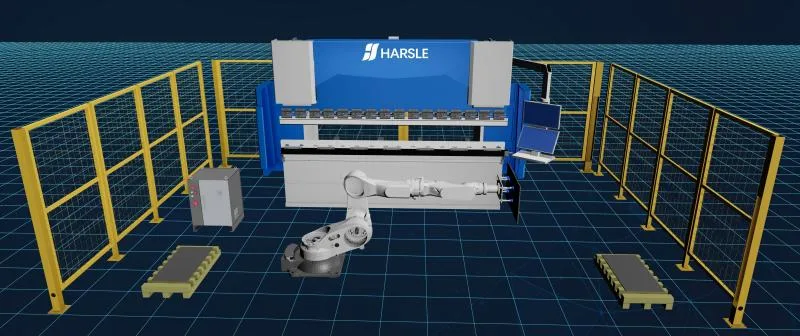
Safety barriers and physical guards are essential to protect workers from moving parts in automated press brake systems. These barriers help prevent unauthorized access to hazardous areas and ensure that workers remain safe during operation. Proper installation of these protective measures minimizes the risk of injury and enhances overall workplace safety.
Step 2: Regular System Inspections and Maintenance
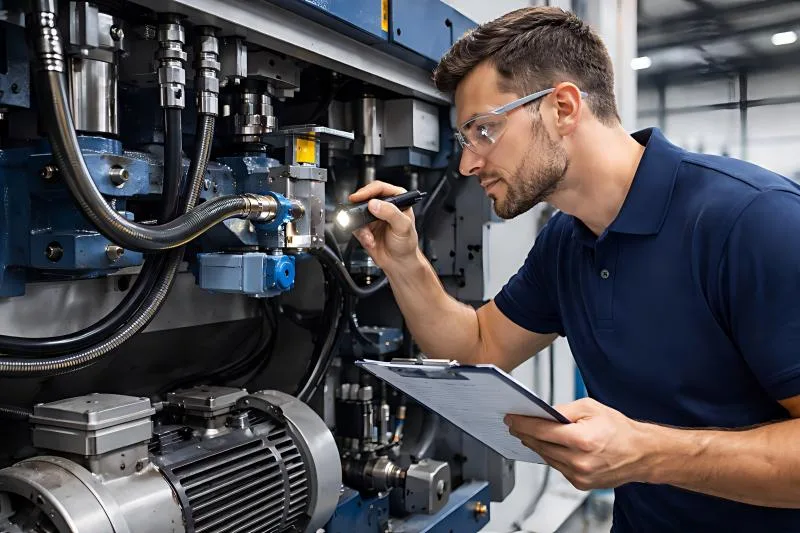
Routine inspections of all mechanical and electrical components are crucial. Look for signs of wear and tear, particularly in hydraulic lines, motors, and sensors. Regular maintenance can prevent failures and ensure that the system functions properly.
Step 3: Use Proper Training and Safety Protocols
Operators should receive thorough training on the proper operation of the automated press brake system. Safety procedures should be clearly defined, including emergency stop actions, the use of protective equipment, and the safe loading and unloading of materials.
Step 4: Monitor and Calibrate the System Regularly
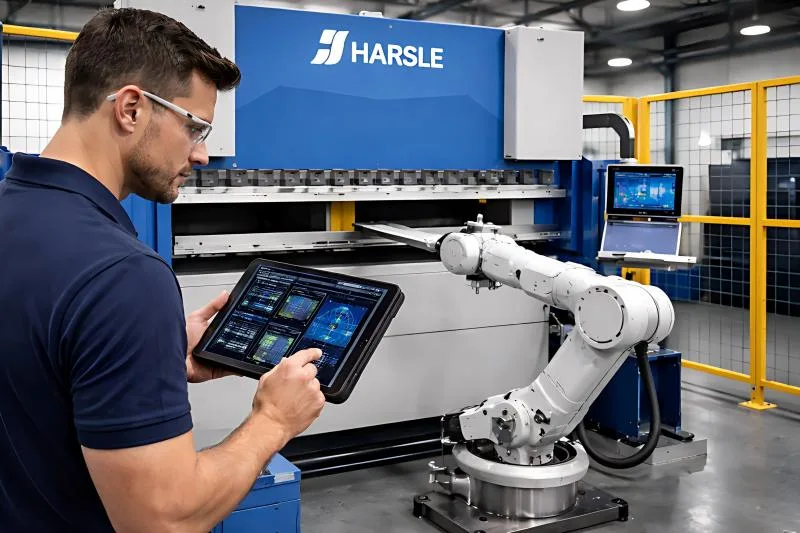
Regular monitoring and calibration of the automated loading system are crucial for accurate and safe operation. Misalignments or incorrect pressure settings can lead to serious issues. Performing frequent checks ensures the system operates within specified parameters, preventing potential malfunctions and maintaining optimal performance and safety.
Вопросы и ответы
What are the most common safety issues in press brake loading systems?
Common safety issues include mechanical failures, hydraulic leaks, electrical malfunctions, and accidental machine activation. Regular maintenance and proper training can help reduce these risks.
How often should automated press brake systems be inspected?
Системы листогибочных прессов следует проверять не реже одного раза в шесть месяцев, а в зависимости от интенсивности эксплуатации — чаще, чтобы убедиться в исправности и безопасности всех их частей.
What should I do if there is a hydraulic oil leak?
If a hydraulic oil leak is detected, stop the machine immediately, clean up the oil spill, and inspect the affected parts for damage. Replace worn seals and components to prevent further leakage.
Заключение
Ensuring safety in automated press brake loading systems is crucial to protecting both personnel and equipment. By implementing proper safety barriers, regular inspections, thorough training, and ongoing system monitoring, you can significantly reduce the risk of accidents. These proactive measures will lead to more efficient, safer operations and minimize downtime.
For further support or to learn more about optimizing your automated systems, feel free to contact our team. We’re here to help you keep your operations running smoothly and safely.


