


Maintaining a Laser Cutting Exhaust System is essential for ensuring consistent cutting quality and a safe working environment. If your system is clogged, underperforming, or poorly maintained, smoke, fumes, and debris can accumulate, affecting both the machine and the workspace. In this article, I’ll walk you through the key steps to properly maintain your laser cutting exhaust system. By following these practices, you can extend the life of your equipment, improve air quality, and maintain optimal laser cutting performance, while reducing the risk of unexpected downtime and costly repairs.
Understanding the Components of a Laser Cutting Exhaust System
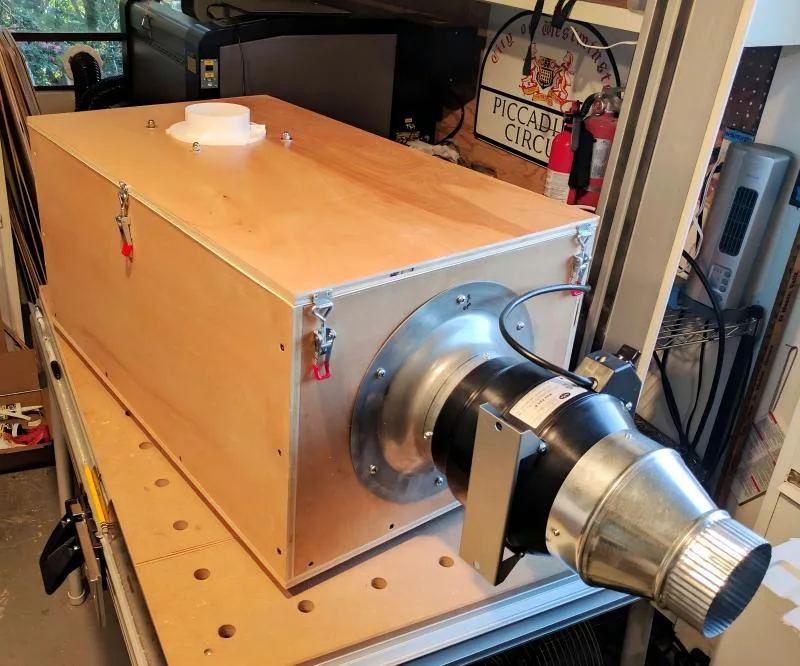
Filters and Scrubbers
Filters capture smoke, dust, and metal particles generated during laser cutting. Regular inspection and cleaning of these components prevent clogging and maintain airflow efficiency.
Ductwork and Ventilation
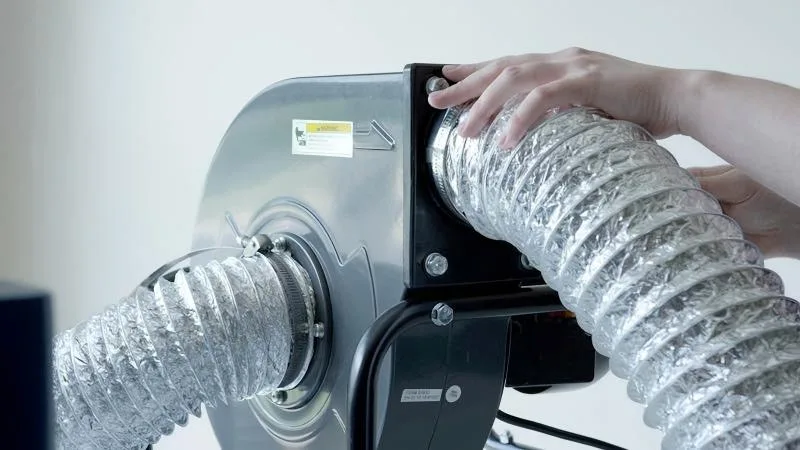
The ducting system directs fumes away from the laser cutting area. Regularly inspect ducts for blockages, leaks, or corrosion to maintain proper airflow and ensure efficient and safe exhaust extraction.
Exhaust Fans and Blowers
Exhaust fans and blowers drive airflow through the laser cutting system. Regularly check that fans are properly balanced, lubricated, and free from obstructions to ensure consistent performance, efficient fume extraction, and reliable long-term operation.
Step-by-Step Maintenance Procedures
Step 1: Power Down and Safety Checks
Before starting maintenance, power down both the laser cutter and the exhaust system. Always follow lockout/tagout procedures to prevent accidental startup and ensure a safe working environment during servicing.
Step 2: Clean or Replace Filters
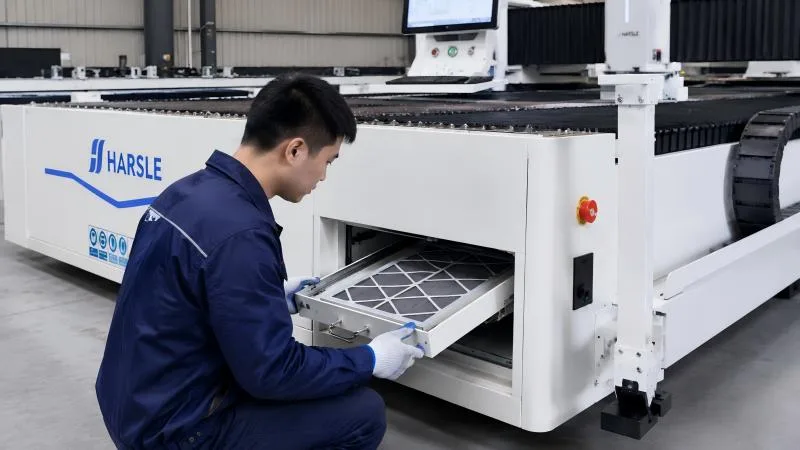
Remove the exhaust system filters and clean them following the manufacturer’s guidelines. Replace any worn, clogged, or damaged filters to ensure efficient air purification and maintain proper laser cutting ventilation.
Step 3: Inspect Ductwork
Inspect the ductwork for accumulated dust, smoke residue, or metal particles. Clean or repair any affected sections as needed to ensure smooth, unobstructed airflow and maintain efficient operation of the exhaust system.
Step 4: Check Exhaust Fans
Examine all fans and blowers for signs of wear, damage, or imbalance. Lubricate the bearings and securely tighten fasteners to maintain optimal performance and reliable operation of the exhaust system.
Step 5: Monitor Airflow and Pressure
Use airflow meters or system sensors to confirm that the system maintains the recommended pressure and flow rate. Adjust as needed for consistent extraction.
Step 6: Schedule Routine Maintenance
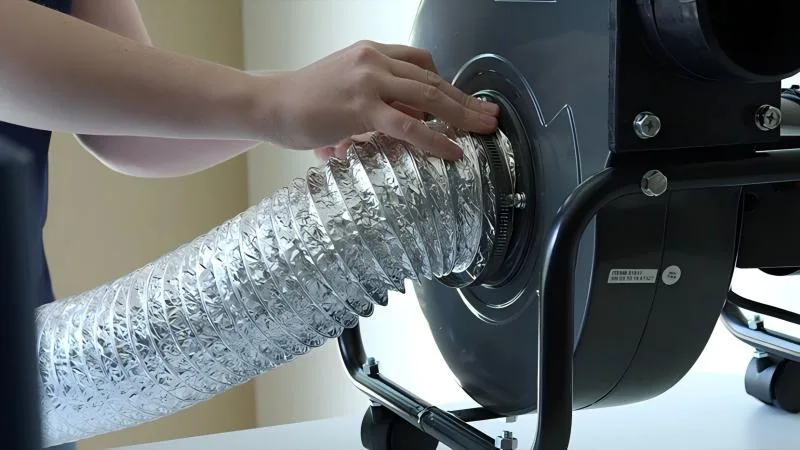
Establish a maintenance schedule, including weekly visual checks, monthly cleaning, and quarterly inspections for critical components. Document all maintenance activities for compliance and quality tracking.
Best Practices for Long-Term System Performance
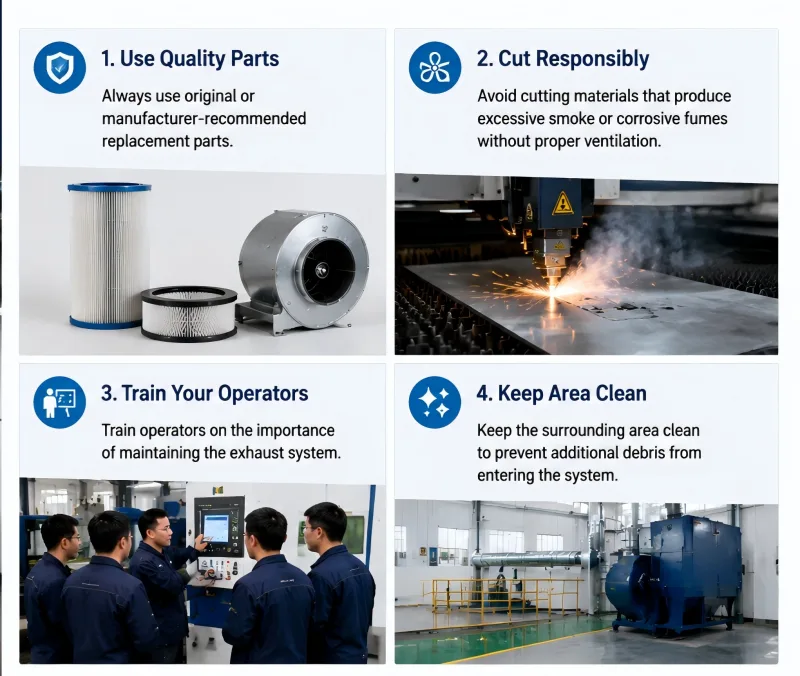
- Always use original or manufacturer-recommended replacement parts.
- Avoid cutting materials that produce excessive smoke or corrosive fumes without proper ventilation.
- Train operators on the importance of maintaining the exhaust system.
- Keep the surrounding area clean to prevent additional debris from entering the system.
FAQs
How often should I clean the filters in my laser cutting exhaust system?
Filters should be inspected weekly, with cleaning or replacement performed according to usage intensity. High-volume operations may require more frequent attention.
Can a poorly maintained exhaust system affect laser cutting quality?
Yes. Reduced airflow can lead to smoke accumulation, which may interfere with the laser beam, affecting cutting precision and edge quality.
What are common signs of exhaust system issues?
Visible smoke, unusual odors, reduced suction, or increased machine operating temperatures are indicators that the exhaust system needs attention.
Conclusion
Proper maintenance of your Laser Cutting Exhaust System is critical to achieving high-quality cuts, protecting operator health, and extending the life of your equipment. By following a consistent maintenance routine—including filter cleaning, duct inspection, and fan checks—you can ensure reliable system performance. For additional support or detailed guidance, don’t hesitate to contact our team. Keeping your exhaust system in optimal condition protects both your investment and your workspace.


