


Prensas plegadoras in Emergencies or Sudden Stops are critical machines in sheet metal fabrication, but they come with inherent risks. When a press brake experiences an emergency or a sudden stop, it’s essential to ensure the safety of the operator and maintain the machine’s integrity. These situations can result from various issues, such as mechanical malfunctions, electrical failures, or human error. In such cases, following proper safety protocols is crucial. This article will outline the key safety steps to take during emergencies or sudden stops, helping you minimize risks, prevent accidents, and ensure that the machine is quickly and safely restored to operation.
Understanding the Risks of Prensas plegadoras in Emergencies
What Happens During a Sudden Stop?
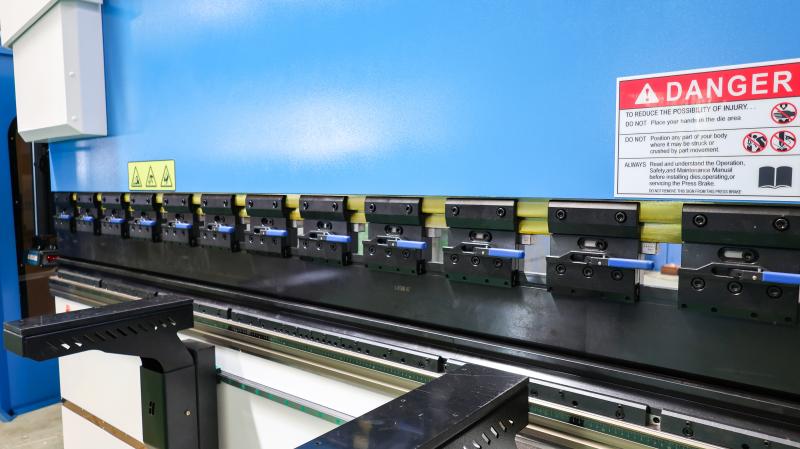
A sudden stop in a press brake can occur due to electrical malfunctions, mechanical failures, or unexpected material issues. This can lead to dangerous scenarios such as an uncontrolled ram movement or incomplete operations. Understanding these risks and how to react swiftly can prevent accidents and equipment damage.
Immediate Safety Actions During Emergencies
In case of an emergency, the first action is to stop the machine immediately using the emergency stop button. This halts all operations and prevents further damage. Depending on the situation, you may need to isolate power, check for any mechanical failures, or secure the area to avoid harm.
Step-by-Step Guide for Ensuring Safety in Press Brake Emergencies
Step 1: Understand the Machine’s Emergency Features
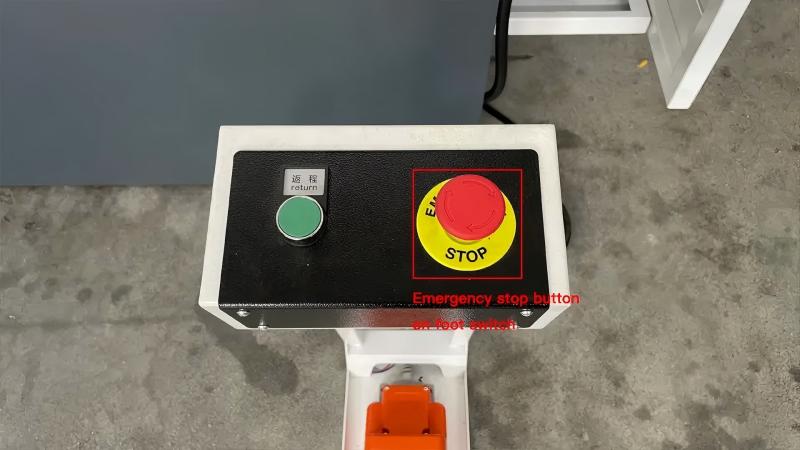
Before operating a press brake, familiarize yourself with the machine’s emergency stop mechanisms and safety features. Ensure that all operators know where the emergency stop button is and how to use it. Regularly check these features for functionality during routine maintenance.
Step 2: Ensure Proper Setup Before Operation
A proper setup ensures that the press brake runs efficiently. Verify that the tooling, material, and settings are correct before beginning any bending operations. Misalignment or improper setup can increase the risk of malfunctions during operation.
Step 3: Perform Regular Safety Checks
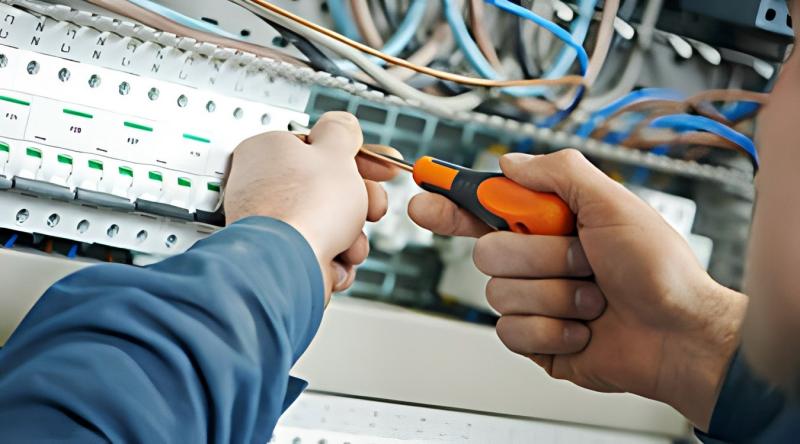
Perform routine checks on all mechanical and electrical components to detect potential issues before they lead to an emergency. Pay special attention to hydraulic systems, electrical wiring, and sensors, as these are often the sources of sudden failures. If you notice anything unusual, halt operation and address the problem immediately.
Step 4: Use Protective Equipment
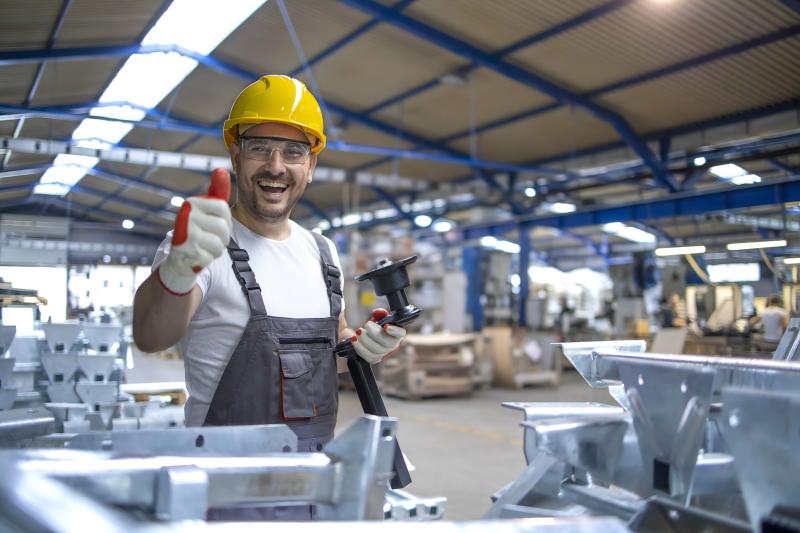
Always wear appropriate personal protective equipment (PPE), including gloves, safety glasses, and steel-toed boots, when operating the press brake. Ensure that operators and bystanders are positioned safely, away from moving parts or potential hazards during operation.
Step 5: Establish Emergency Protocols
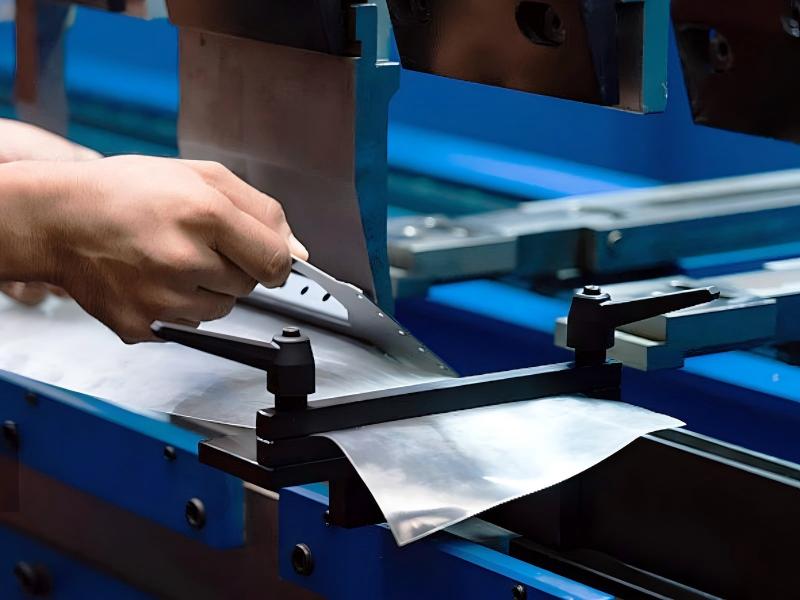
Establish clear emergency protocols for all press brake operators. These should include immediate steps to take in the event of a malfunction, how to communicate the issue to team members, and a checklist for inspecting the machine after a stop. Regularly conduct drills to ensure all personnel are familiar with these procedures.
Preguntas frecuentes
What should I do if the press brake stops unexpectedly during operation?
First, immediately hit the emergency stop button. Then, assess the situation to identify the cause, whether it’s a hydraulic issue, electrical failure, or material jam. Once the issue is identified, follow the troubleshooting procedures in the machine’s manual.
How can I prevent sudden stops from happening?
Preventive maintenance is key. Regularly inspect the hydraulic systems, electrical components, and safety mechanisms. Also, ensure proper training for operators to avoid mistakes that may lead to equipment failure.
What steps should I take after a sudden stop?
After a sudden stop, check the machine for any signs of damage or malfunction. Inspect hydraulic fluid levels, electrical connections, and mechanical components. Once repairs or adjustments are made, reset the system and test the machine with scrap material before resuming regular operation.
Conclusión
Ensuring safety during emergencies or sudden stops is crucial for both the operator’s safety and the longevity of the press brake. By following these safety steps, performing regular inspections, and ensuring proper training, you can minimize risks and maintain a smooth workflow. If you encounter any issues or have further safety concerns, don’t hesitate to reach out for expert support.
For more detailed support or assistance with press brake safety, contact our team at HARSLE. We’re here to help you maintain safe, efficient operations at all times.


