


Prasa hydrauliczna Daily Maintenance Checklist is an essential tool for ensuring safety, reliability, and long-term performance when operating industrial hydraulic presses. This structured maintenance approach helps operators inspect key components, identify early warning signs, and prevent unexpected machine failures before they affect production. If you want to learn how to perform daily hydraulic press inspections effectively, you are in the right place. In this article, I’ll explain the essential maintenance steps, inspection points, and best practices that help operators keep hydraulic presses running smoothly and efficiently.
Why Is a Prasa hydrauliczna Daily Maintenance Checklist Important?
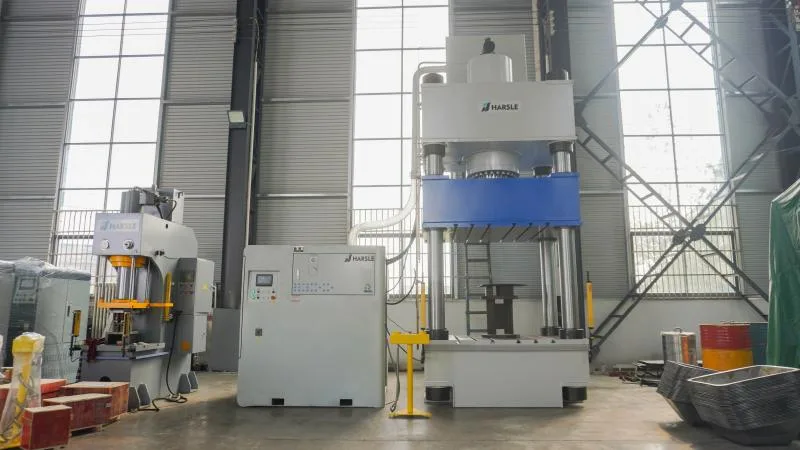
Prevent Unexpected Machine Failures
A hydraulic press works under high pressure and heavy loads, which means small issues can quickly develop into serious problems. Daily inspections help identify abnormal conditions such as oil leaks, unusual noises, pressure fluctuations, or component wear before they cause production interruptions.
By following a proper Hydraulic Press Daily Maintenance Checklist, operators can detect problems early and arrange repairs before unexpected downtime occurs.
Improve Machine Safety and Reliability
Hydraulic presses involve powerful hydraulic systems, electrical components, and mechanical structures. Regular checks ensure that safety devices, control systems, and operating components remain in proper working condition.
A consistent maintenance routine also helps maintain stable pressing force, improve product quality, and extend equipment service life.
Step-by-Step Hydraulic Press Daily Maintenance Checklist
Step 1: Check Hydraulic Oil Level and Condition
Inspect Hydraulic Oil Before Starting Operation
The hydraulic system is the core power source of a hydraulic press, so checking oil condition should always be the first step. I recommend inspecting the oil level, color, and cleanliness before starting daily operations.
Low oil levels may cause insufficient pressure, while contaminated oil can damage pumps, valves, and seals. If the oil appears cloudy, dark, or contains visible particles, further inspection should be performed.
Check for Hydraulic Oil Leakage
Inspect hydraulic pipes, fittings, cylinders, and connections for signs of leakage. Even small oil leaks can reduce system efficiency and create safety hazards.
If leakage is found, operators should identify the source and repair the issue before continuing production.
Step 2: Inspect Hydraulic System Performance
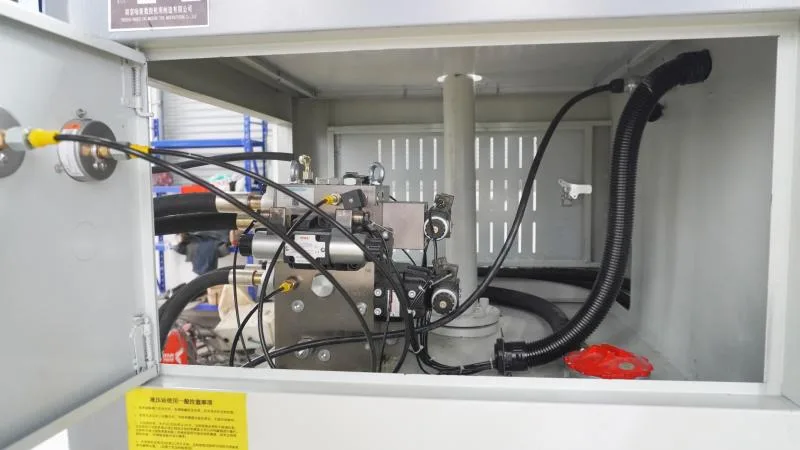
Monitor Pressure Stability
During operation, check whether hydraulic pressure remains within the recommended range. Unstable pressure may indicate problems with pumps, valves, or hydraulic circuits.
Recording pressure conditions regularly helps maintenance teams identify performance changes over time.
Listen for Abnormal Hydraulic Sounds
Unusual noises such as vibration, knocking, or abnormal pump sounds may indicate air entering the system, insufficient lubrication, or component wear.
Early detection of these signals can prevent more expensive hydraulic repairs.
Step 3: Check Mechanical Components
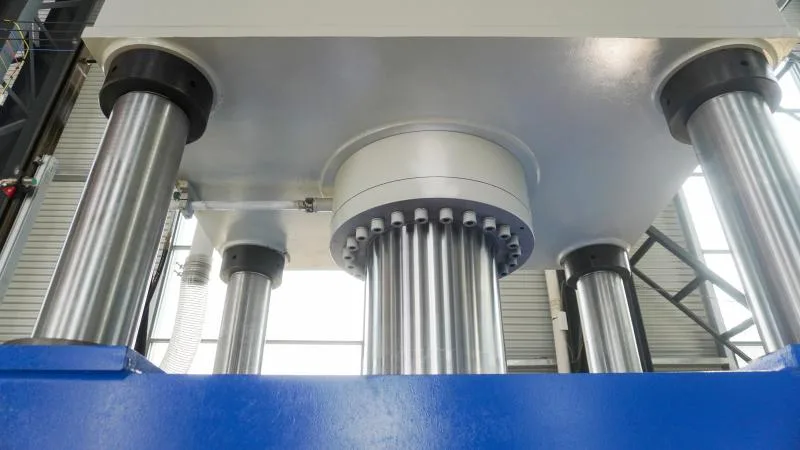
Inspect Moving Parts and Connections
Mechanical components such as guide rails, bolts, sliders, and frames should be checked regularly. Loose connections can affect pressing accuracy and create additional stress on machine structures.
I recommend tightening loose fasteners and checking alignment during daily inspections.
Check Pressing Tools and Work Areas
Inspect the working area, tooling, and contact surfaces for damage or abnormal wear. Clean debris from the machine to prevent interference during operation.
A clean working environment improves both safety and processing accuracy.
Step 4: Inspect Electrical and Control Systems
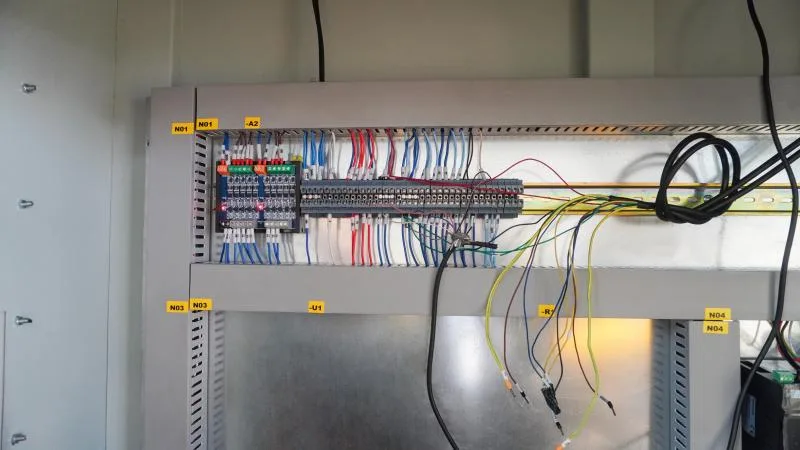
Check Electrical Connections
Electrical components should be inspected for loose wiring, damaged cables, or abnormal heating. Poor electrical connections may lead to control failures or unexpected machine stops.
Operators should keep electrical cabinets clean and ensure ventilation systems are working properly.
Test Control Buttons and Safety Devices
Before operation, verify that start buttons, emergency stops, sensors, and safety devices function correctly.
Safety system failures can create serious risks, so any abnormal response should be reported immediately.
Step 5: Clean and Record Maintenance Information
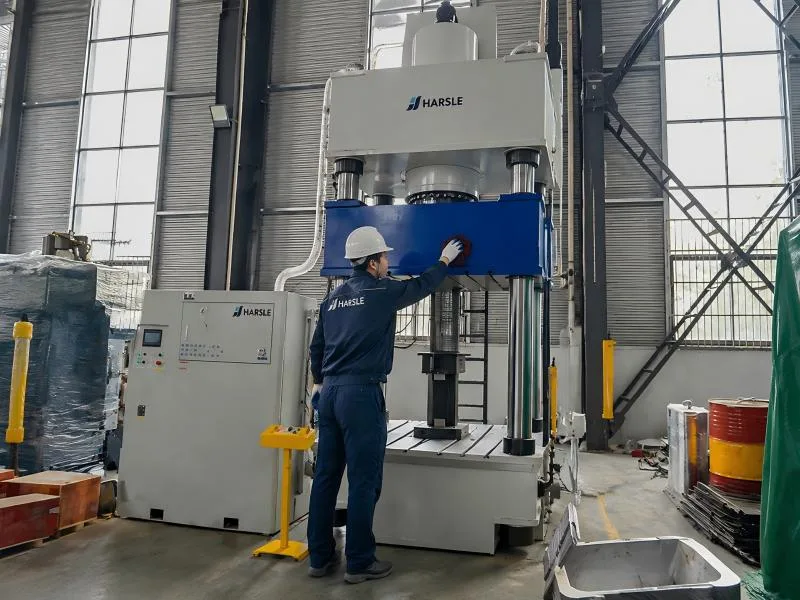
Keep the Hydraulic Press Clean
Dust, oil residue, and metal debris should be removed regularly. A clean machine makes it easier to identify leaks, wear, and other potential issues.
Cleaning also helps protect hydraulic and electrical components from contamination.
Record Daily Inspection Results
Maintenance records are an important part of effective equipment management. Operators should document oil conditions, inspections, abnormalities, and completed maintenance tasks.
These records help maintenance teams analyze trends and create better preventive maintenance plans.
Best Practices for Effective Hydraulic Press Maintenance
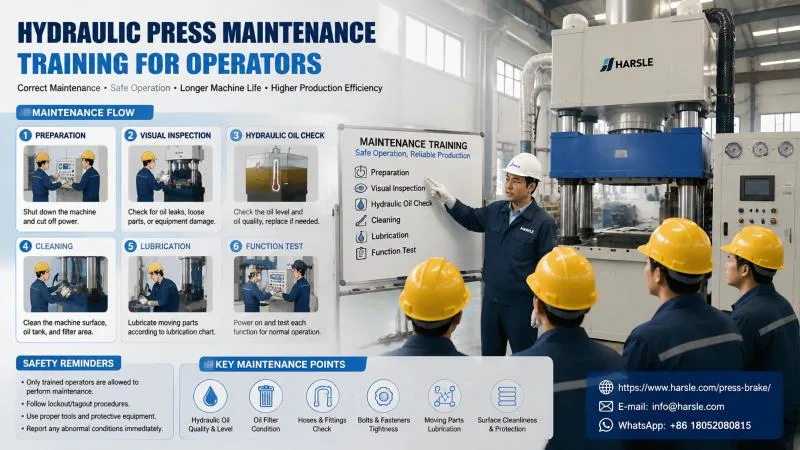
Follow a Consistent Inspection Schedule
Daily maintenance should become a standard operating procedure rather than an occasional task. Consistency allows operators to detect small problems before they become major failures.
Train Operators on Maintenance Procedures
Operators should understand the purpose of each inspection item and know how to identify common warning signs. Proper training improves safety and reduces incorrect operation.
Replace Wear Parts Before Failure
Components such as seals, filters, and hydraulic hoses have limited service lives. Replacing them at the right time prevents unexpected breakdowns and improves machine reliability.
Często zadawane pytania
What should be included in a Hydraulic Press Daily Maintenance Checklist?
A complete checklist should include hydraulic oil inspection, leakage checks, pressure monitoring, mechanical component inspection, electrical system checks, safety device testing, cleaning, and maintenance records.
How often should I check hydraulic oil in a hydraulic press?
Hydraulic oil should be checked daily before operation. Oil replacement intervals depend on machine usage, working conditions, and manufacturer recommendations.
Can daily maintenance improve hydraulic press performance?
Yes. Regular inspections help maintain stable pressure, reduce component wear, prevent failures, and improve overall production efficiency.
Who should perform daily hydraulic press inspections?
Trained operators can perform daily checks, while professional maintenance technicians should handle complex repairs and system adjustments.
Wniosek
Po Hydraulic Press Daily Maintenance Checklist is one of the most effective ways to maintain machine reliability, safety, and productivity. By checking hydraulic oil, monitoring system performance, inspecting mechanical and electrical components, and keeping accurate maintenance records, operators can reduce downtime and extend equipment lifespan.
A well-maintained hydraulic press delivers more stable performance and lower operating costs. For more technical guidance about hydraulic press operation and maintenance, feel free to contact our team for professional support.


