


Prasa hydrauliczna Konserwacja zapobiegawcza is one of the most effective ways to reduce unexpected machine failures, improve production stability, and extend equipment service life. When hydraulic presses operate continuously under high loads, components such as hydraulic pumps, valves, cylinders, seals, and electrical systems gradually experience wear. If these issues are ignored, they can lead to sudden breakdowns, production delays, and expensive repairs. In this article, I’ll explain how preventive maintenance works, why it reduces hydraulic press downtime, and the practical steps I use to keep hydraulic presses running efficiently and reliably.
Zrozumienie Prasa hydrauliczna Konserwacja zapobiegawcza
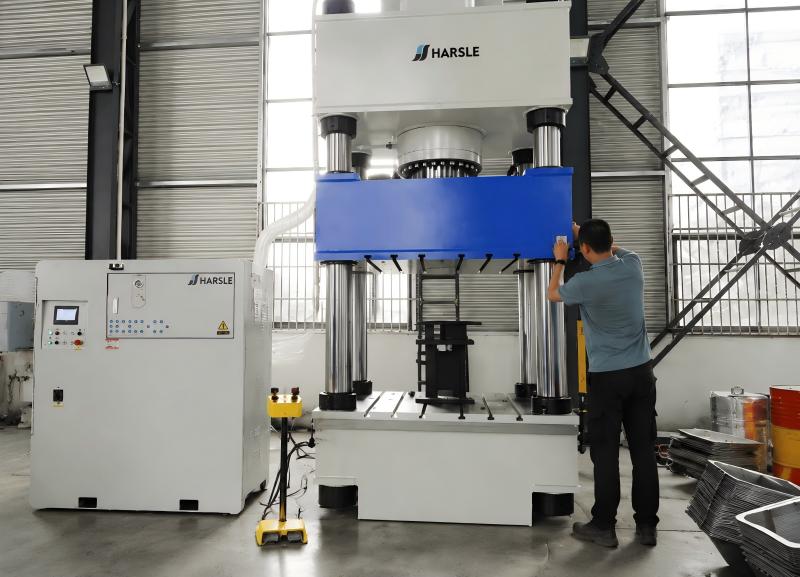
What Is Hydraulic Press Preventive Maintenance?
Hydraulic Press Preventive Maintenance refers to a planned maintenance strategy that focuses on inspecting, servicing, and replacing components before failures occur. Unlike reactive maintenance, which repairs equipment after a breakdown, preventive maintenance identifies potential risks early and addresses them before they affect production.
A hydraulic press depends on many interconnected systems, including hydraulic circuits, electrical controls, mechanical structures, and safety devices. Regular inspection and maintenance ensure these systems continue working together smoothly.
Why Hydraulic Press Downtime Happens
Hydraulic press downtime is usually caused by component wear, oil contamination, poor lubrication, electrical faults, or insufficient inspections. Common problems include hydraulic pressure loss, oil leakage, slow cylinder movement, abnormal noise, overheating, and inaccurate pressing operations.
Many of these failures develop gradually. With a proper maintenance plan, operators can detect early warning signs and prevent small issues from becoming major failures.
How Preventive Maintenance Reduces Hydraulic Press Downtime
Step 1: Inspect Hydraulic System Components Regularly
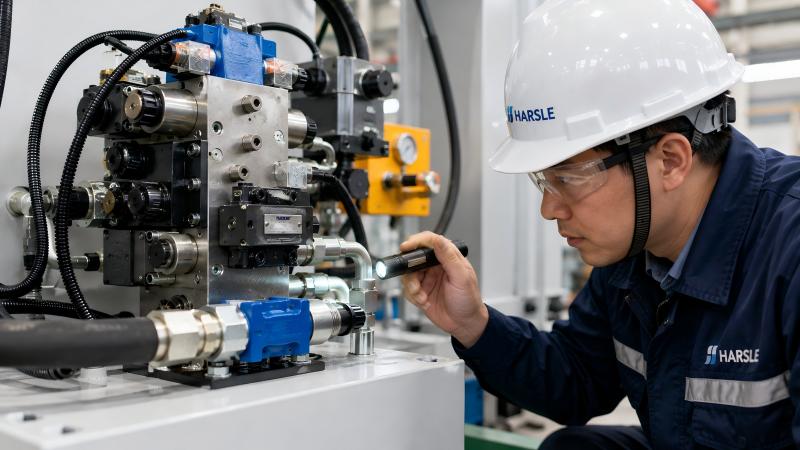
The hydraulic system is the power source of the press, so maintaining hydraulic components is a critical part of Hydraulic Press Preventive Maintenance.
I recommend regularly checking hydraulic oil levels, oil cleanliness, filters, pumps, valves, hoses, and cylinders. Contaminated oil can damage precision hydraulic components, while worn pumps or valves can reduce system pressure and affect machine performance.
By identifying leakage, abnormal pressure changes, or unusual hydraulic noise early, maintenance teams can repair problems before they stop production.
Step 2: Maintain Hydraulic Oil Quality
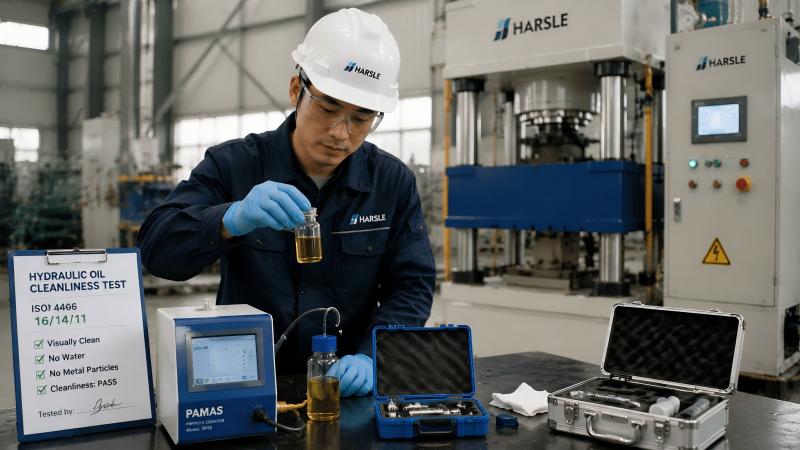
Hydraulic oil plays an important role in transferring power and protecting internal components. Dirty or degraded oil increases friction, accelerates wear, and may cause valve sticking or pump failure.
During routine maintenance, I check oil color, viscosity, contamination levels, and moisture content. Hydraulic filters should also be inspected and replaced according to operating conditions.
Clean hydraulic oil improves system efficiency, reduces component damage, and helps prevent unexpected hydraulic press downtime.
Step 3: Check and Replace Worn Components Before Failure
Mechanical and hydraulic components have limited service lives. Parts such as seals, bearings, guide components, and electrical elements gradually wear during operation.
A preventive maintenance program allows operators to track component conditions and replace parts at the right time instead of waiting for failure.
For example, replacing a worn hydraulic seal is much less expensive than repairing a damaged cylinder caused by long-term leakage.
Step 4: Perform Electrical System Inspections
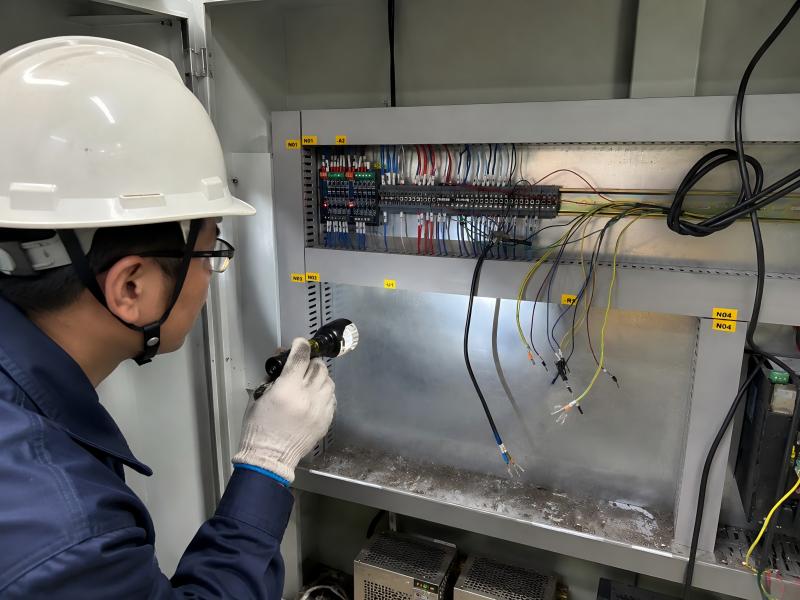
Modern hydraulic presses use advanced electrical controls, sensors, PLC systems, and safety devices. Electrical problems can cause machine stops, incorrect operation, or communication failures.
I recommend checking electrical connections, sensors, control panels, and wiring regularly. Loose terminals, damaged cables, or overheating components should be corrected immediately.
Stable electrical performance helps maintain reliable machine operation and reduces unnecessary downtime.
Step 5: Monitor Machine Performance and Operating Conditions
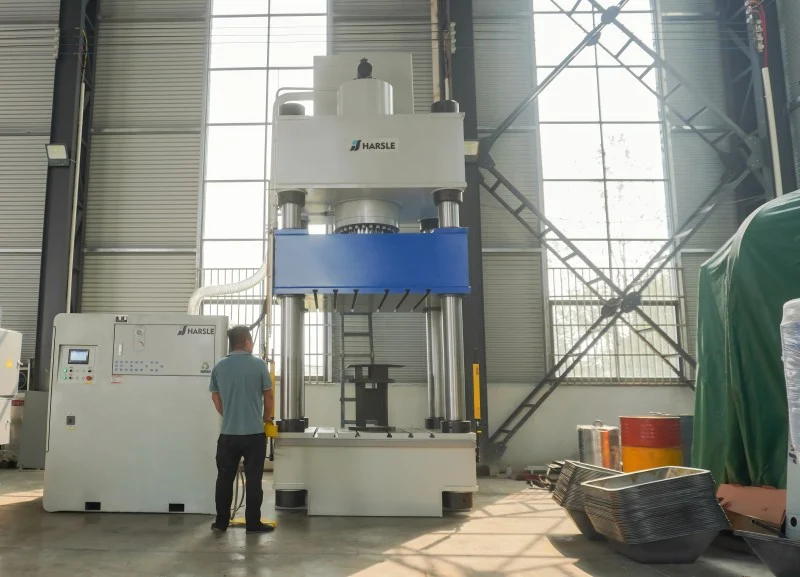
Regular performance monitoring helps identify changes in machine behavior. Operators should pay attention to pressing speed, pressure stability, unusual sounds, vibration, and temperature changes.
If a hydraulic press starts operating differently from normal conditions, it may indicate an underlying problem.
Recording operating data allows maintenance teams to compare performance trends and take action before serious failures occur.
Step 6: Establish a Preventive Maintenance Schedule
A structured maintenance schedule is essential for long-term reliability. The maintenance frequency should be based on machine usage, working environment, production intensity, and manufacturer recommendations.
Daily inspections may include checking oil leaks, abnormal sounds, and safety functions. Monthly inspections may include hydraulic system checks, electrical inspections, lubrication, and component tightening.
A consistent schedule ensures important maintenance tasks are completed on time.
Key Benefits of Hydraulic Press Preventive Maintenance
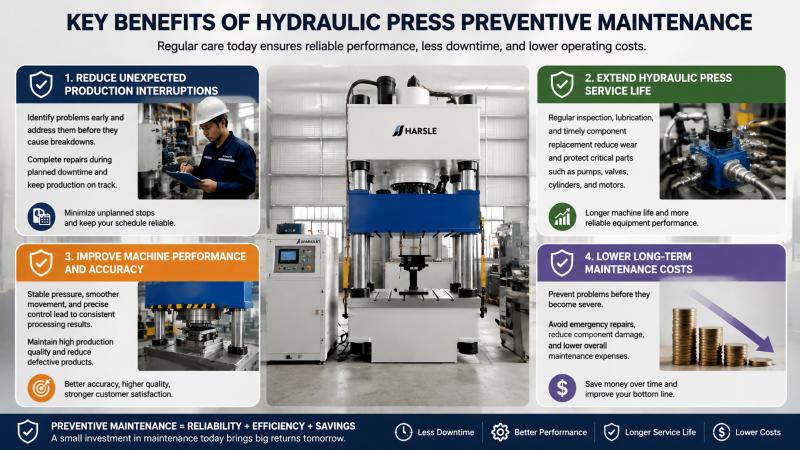
Reduce Unexpected Production Interruptions
The biggest advantage of preventive maintenance is reducing sudden machine failures. By identifying problems early, maintenance teams can complete repairs during planned downtime instead of stopping production unexpectedly.
Extend Hydraulic Press Service Life
Regular inspection, lubrication, and component replacement reduce excessive wear. This protects important parts such as pumps, valves, cylinders, and motors, helping the machine operate effectively for a longer period.
Improve Machine Performance and Accuracy
A well-maintained hydraulic press provides more stable pressure, smoother movement, and consistent processing results. Preventive maintenance helps maintain production quality and reduce defective products.
Lower Long-Term Maintenance Costs
Emergency repairs often require more time and higher expenses. Preventive maintenance reduces repair costs by solving problems before they become severe and avoiding unnecessary component damage.
Common Mistakes in Hydraulic Press Preventive Maintenance
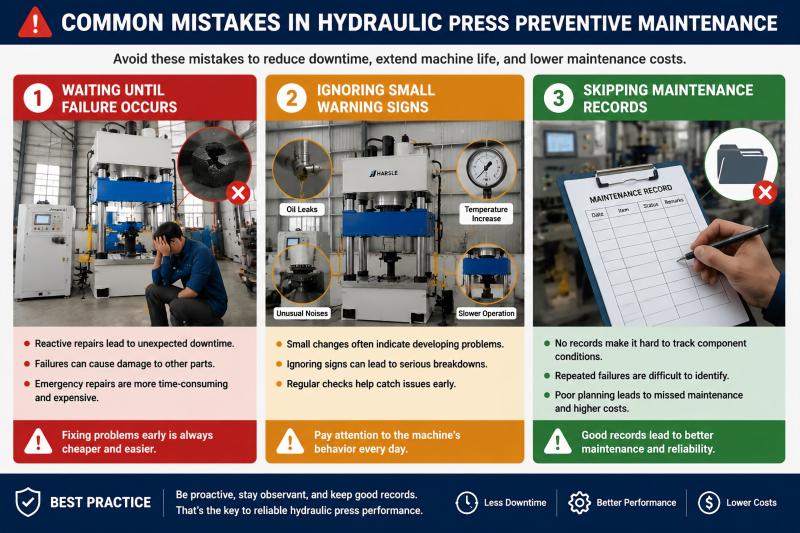
Czekanie, aż wystąpi awaria
One common mistake is only repairing the machine after a breakdown happens. This approach increases downtime and may cause additional damage to other components.
Ignoring Small Warning Signs
Minor oil leaks, unusual noises, temperature increases, or slower operation should not be ignored. These signs often indicate developing problems.
Skipping Maintenance Records
Without maintenance records, it becomes difficult to track component conditions and identify repeated failures. Detailed records help create more effective maintenance plans.
Często zadawane pytania
How often should I perform Hydraulic Press Preventive Maintenance?
Maintenance frequency depends on machine usage, production conditions, and manufacturer recommendations. Regular inspections should be performed according to operating hours and machine condition.
Can preventive maintenance eliminate hydraulic press downtime completely?
Preventive maintenance cannot remove all failures, but it can significantly reduce unexpected downtime by identifying risks before they become serious problems.
Which components should be checked during hydraulic press preventive maintenance?
Important components include hydraulic oil, filters, pumps, valves, cylinders, seals, electrical systems, sensors, lubrication points, and safety devices.
Wniosek
Hydraulic Press Preventive Maintenance is essential for reducing downtime, improving reliability, and extending the service life of hydraulic press equipment. Through regular inspections, hydraulic oil management, component monitoring, electrical checks, and planned maintenance activities, operators can prevent many common failures before they interrupt production.
A proactive maintenance strategy not only improves machine availability but also reduces repair costs and supports stable manufacturing operations. For more technical guidance on hydraulic press maintenance and troubleshooting, contact our team for professional support.


