


Prasa hydrauliczna Hydraulic Valve Maintenance is essential for keeping hydraulic presses stable, responsive, and reliable during daily production. Hydraulic valves control oil direction, pressure, and flow, so even a small amount of contamination, wear, or internal leakage can affect ram movement and pressing accuracy. If you want to reduce unexpected downtime and prevent valve-related hydraulic problems, you’re in the right place. In this article, I’ll explain how I inspect, clean, test, and maintain hydraulic valves step by step, along with the warning signs and preventive practices that help extend valve and hydraulic system service life.
Dlaczego Prasa hydrauliczna Hydraulic Valve Maintenance Matters
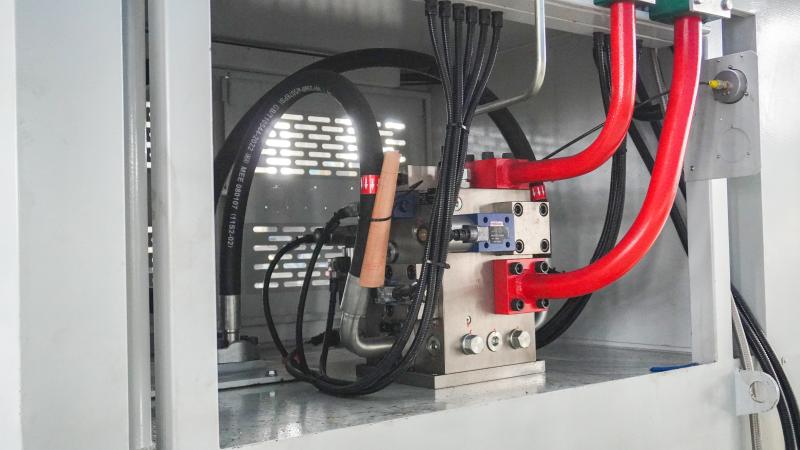
Hydraulic Valves Control System Performance
Hydraulic valves are responsible for directing oil through the hydraulic circuit and regulating system pressure and flow. Directional valves control actuator movement, pressure valves protect the system from excessive pressure, and flow control valves help determine operating speed.
When these valves work correctly, the hydraulic press can move smoothly and maintain stable pressing force. When they become contaminated or worn, operators may notice delayed movement, unstable pressure, overheating, or inconsistent machine response.
Common Signs of Hydraulic Valve Problems
I usually begin troubleshooting by looking for practical symptoms. Slow ram movement, jerky motion, abnormal noise, pressure fluctuations, overheating, or failure to hold pressure may indicate a hydraulic valve problem.
External oil leakage around valve connections is another obvious warning sign. Internal leakage is harder to detect, but it can cause pressure loss and reduced pressing force even when no oil is visible outside the system.
How to Perform Hydraulic Press Hydraulic Valve Maintenance
Step 1: Shut Down and Depressurize the Hydraulic System
Before inspecting any hydraulic valve, I make sure the machine is completely stopped and the hydraulic system is depressurized according to the manufacturer’s procedure.
Hydraulic systems can retain dangerous pressure even after the motor has stopped. Never loosen a valve, hose, or fitting until stored pressure has been safely released. Proper lockout procedures should also be followed before maintenance begins.
Step 2: Inspect Hydraulic Valves for External Leakage
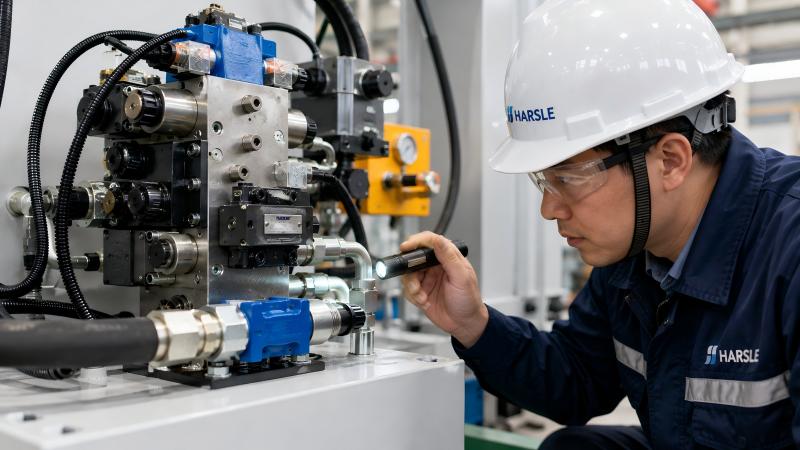
I first perform a visual inspection around valve bodies, fittings, hoses, manifolds, and sealing surfaces. Look for fresh oil, wet areas, loose connections, damaged O-rings, or cracked components.
Small leaks should not be ignored. Oil leakage can gradually reduce system pressure, introduce contamination, and create slippery working conditions around the machine.
Step 3: Check Hydraulic Oil Cleanliness
Contamination is one of the most common causes of hydraulic valve problems. Small particles can enter the narrow clearances inside spool valves and proportional valves, causing sticking or delayed response.
During Hydraulic Press Hydraulic Valve Maintenance, I check the hydraulic oil for discoloration, particles, water contamination, and unusual odor. I also inspect the filter condition and replace clogged filter elements when necessary.
Step 4: Clean the Hydraulic Valve Carefully
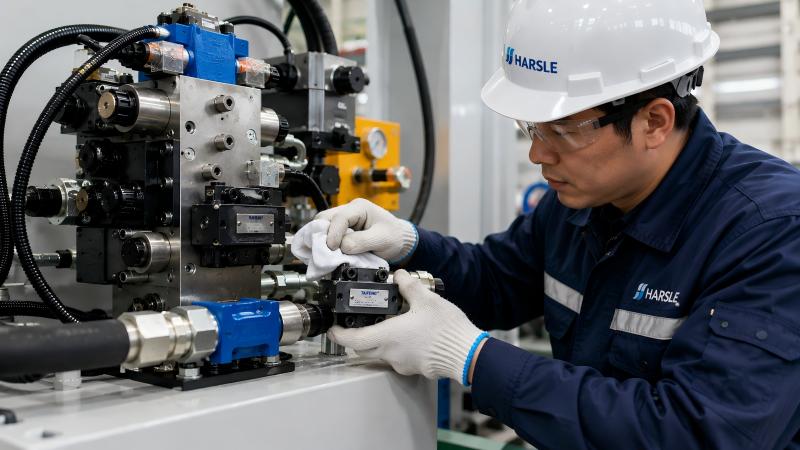
If a valve needs cleaning, remove it only after the system is safely isolated. Keep the surrounding area clean to prevent dirt from entering open hydraulic lines.
I use manufacturer-approved cleaning methods and lint-free materials. Valve spools and precision surfaces should never be scratched or polished aggressively because even minor damage can increase internal leakage.
After cleaning, make sure all internal passages are free of contamination before reassembly.
Step 5: Inspect Spools, Seals, and Valve Surfaces
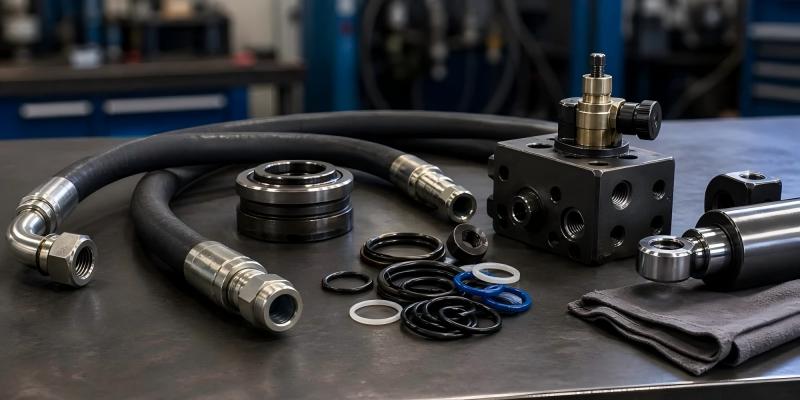
Check the valve spool for scoring, wear, corrosion, or sticking. Inspect seals and O-rings for hardening, cracking, deformation, or cuts.
If the spool has severe scoring or the valve body is worn, cleaning alone will not restore reliable performance. In that case, I recommend replacing or professionally rebuilding the valve.
Worn seals should also be replaced with parts that match the correct material and dimensions.
Step 6: Check Solenoids and Electrical Connections
Many modern hydraulic presses use solenoid-operated or proportional hydraulic valves. For these systems, mechanical maintenance alone is not enough.
Inspect connectors, cables, coils, and terminals for looseness, corrosion, overheating, or damage. If a solenoid valve does not respond, check the electrical signal and coil condition before assuming that the hydraulic section has failed.
Step 7: Verify Hydraulic Pressure and Valve Response
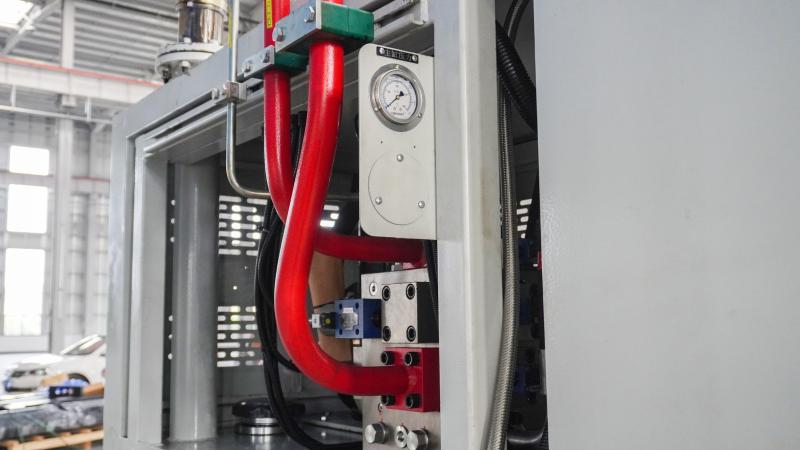
After reassembly, refill or adjust the hydraulic oil if necessary and carefully restart the system.
I monitor pressure readings while testing valve response. The ram should move smoothly without hesitation, pressure should remain stable, and there should be no abnormal noise or leakage.
If performance remains unstable, further testing may be required to determine whether the problem comes from the valve, pump, cylinder, sensor, or another hydraulic component.
Common Hydraulic Valve Maintenance Mistakes
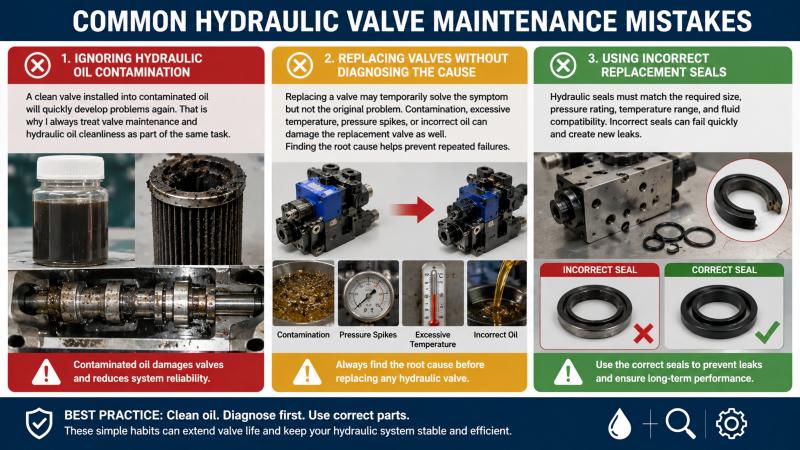
Ignoring Hydraulic Oil Contamination
A clean valve installed into contaminated oil will quickly develop problems again. That is why I always treat valve maintenance and hydraulic oil cleanliness as part of the same task.
Replacing Valves Without Diagnosing the Cause
Replacing a valve may temporarily solve the symptom but not the original problem. Contamination, excessive temperature, pressure spikes, or incorrect oil can damage the replacement valve as well.
Finding the root cause helps prevent repeated failures.
Using Incorrect Replacement Seals
Hydraulic seals must match the required size, pressure rating, temperature range, and fluid compatibility. Incorrect seals can fail quickly and create new leaks.
Best Practices for Long-Term Hydraulic Valve Reliability
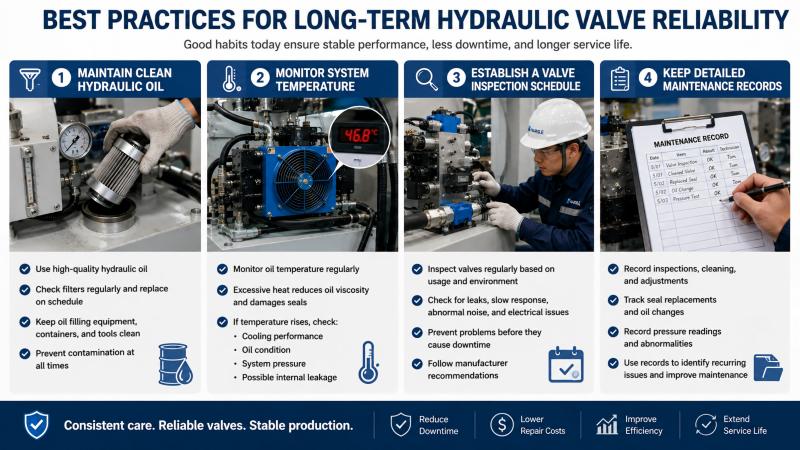
Utrzymuj czysty olej hydrauliczny
Good filtration is one of the most effective ways to protect hydraulic valves. I recommend checking filters regularly and keeping all filling equipment, containers, and maintenance tools clean.
Monitor System Temperature
Excessive oil temperature reduces viscosity and accelerates seal and oil degradation. If operating temperature rises unexpectedly, inspect cooling performance, oil condition, system pressure, and possible internal leakage.
Establish a Valve Inspection Schedule
Routine inspections help detect leakage, slow response, abnormal noise, or electrical problems before they interrupt production. Maintenance frequency should be based on operating hours, workload, environment, and manufacturer recommendations.
Prowadź szczegółowe zapisy konserwacji
I recommend recording valve inspections, cleaning, seal replacement, oil changes, pressure readings, and any abnormal symptoms. These records make it easier to identify recurring faults and plan future maintenance.
Często zadawane pytania
How often should I perform Hydraulic Press Hydraulic Valve Maintenance?
The frequency depends on machine workload and operating conditions. Routine visual inspections should be performed regularly, while detailed valve maintenance should follow the manufacturer’s maintenance schedule and actual system condition.
What causes a hydraulic valve to stick?
Common causes include contaminated hydraulic oil, varnish deposits, spool damage, corrosion, incorrect oil viscosity, or mechanical wear.
Can dirty hydraulic oil damage proportional valves?
Yes. Proportional valves have precise internal clearances and are especially sensitive to small particles. Good filtration and clean oil are critical for reliable operation.
Wniosek
Proper Hydraulic Press Hydraulic Valve Maintenance helps maintain stable pressure, smooth ram movement, accurate machine response, and long-term hydraulic system reliability. By keeping hydraulic oil clean, inspecting valves and seals, checking electrical connections, monitoring pressure, and addressing wear early, I can prevent many common hydraulic failures before they cause costly downtime.
A consistent maintenance program also protects pumps, cylinders, and other critical hydraulic components. If you need additional guidance on hydraulic press valve inspection, troubleshooting, or maintenance, contact our team for professional technical support.


