


Prasa hydrauliczna Long-Term Shutdown maintenance is essential for protecting hydraulic presses during extended periods of inactivity, helping prevent corrosion, hydraulic system damage, and unexpected failures after restart. Proper shutdown preparation helps preserve key components, maintain machine accuracy, and extend equipment service life. If you want to know how to safely store a hydraulic press during a long shutdown period and ensure smooth operation when production resumes, you are in the right place. In this article, I’ll explain the essential shutdown maintenance steps, inspection methods, and preventive measures I recommend for keeping hydraulic presses in reliable condition.
Dlaczego Prasa hydrauliczna Long-Term Shutdown Maintenance Is Important
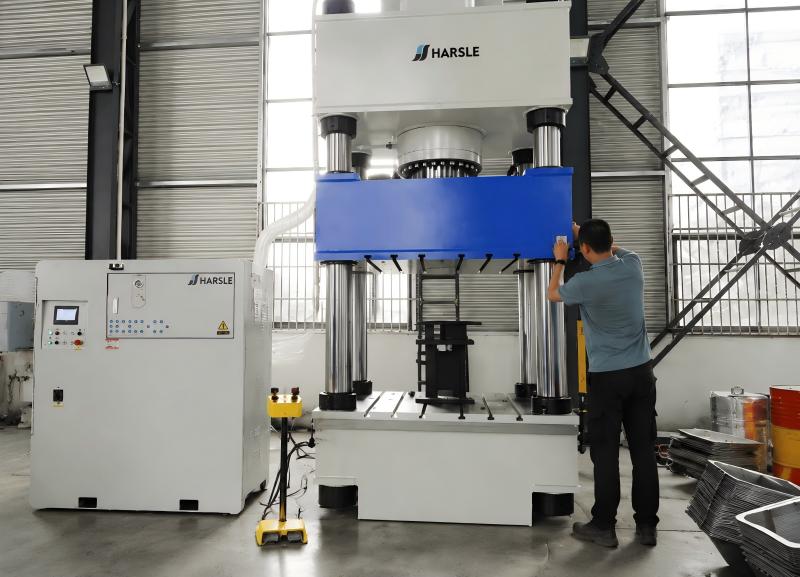
Preventing Component Damage During Extended Downtime
A hydraulic press contains many precision components, including hydraulic cylinders, pumps, valves, seals, electrical systems, and mechanical structures. When the machine remains inactive for a long time, these components may be affected by moisture, dust, oil deterioration, and corrosion.
Without proper preparation, a machine that was working normally before shutdown may experience problems such as hydraulic leakage, pressure instability, electrical failures, or inaccurate movement after restarting.
Protecting Hydraulic System Performance
The hydraulic system is one of the most important parts of a hydraulic press. During long periods without operation, hydraulic oil may separate, absorb moisture, or lose its original performance.
Właściwy Hydraulic Press Long-Term Shutdown procedures help maintain oil quality, prevent internal corrosion, and reduce the risk of pump and valve failures when the machine returns to production.
How to Perform Hydraulic Press Long-Term Shutdown Maintenance
Step 1: Clean the Hydraulic Press Before Shutdown
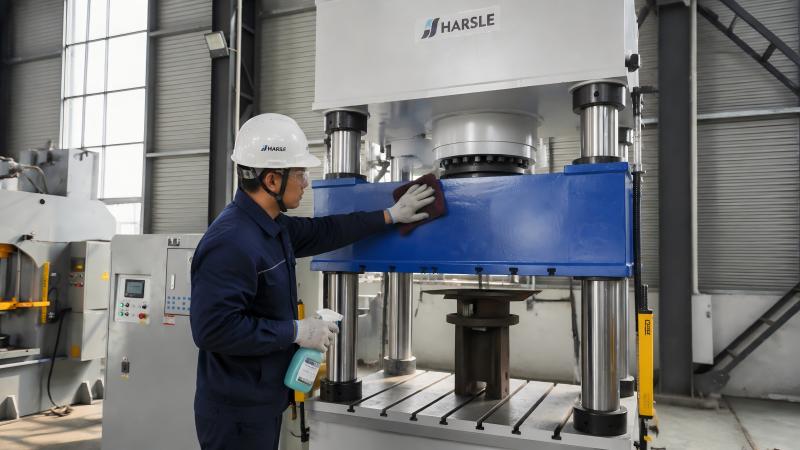
Before stopping the machine for an extended period, I always recommend performing a complete cleaning process.
Remove dust, metal chips, oil residue, and other contaminants from the machine surface. Pay special attention to areas around hydraulic components, guide parts, electrical cabinets, and working surfaces.
A clean machine reduces the risk of corrosion and makes future inspections easier when restarting the equipment.
Step 2: Inspect and Maintain the Hydraulic System
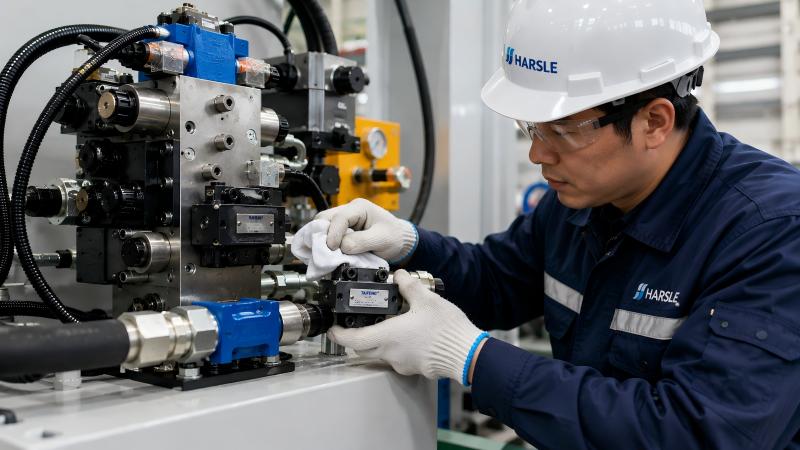
The hydraulic system requires special attention before long-term shutdown. Check the hydraulic oil condition, oil level, filters, hoses, valves, and cylinder seals.
If the hydraulic oil shows signs of contamination, discoloration, or oxidation, replace it before shutdown. Contaminated oil left inside the system may damage valves and pumps during storage.
I also recommend checking for hydraulic leaks and repairing damaged seals or fittings before the machine is placed out of service.
Step 3: Protect Hydraulic Components from Corrosion
During a long shutdown period, exposed metal surfaces can develop rust due to moisture and environmental conditions.
Apply appropriate anti-corrosion protection to exposed surfaces such as guide rails, piston rods, and mechanical contact areas. Make sure protective coatings are compatible with the machine materials and can be removed easily before restarting.
For hydraulic cylinders, keeping the piston rod properly protected helps prevent surface corrosion that may damage seals during future operation.
Step 4: Manage Hydraulic Oil and System Pressure
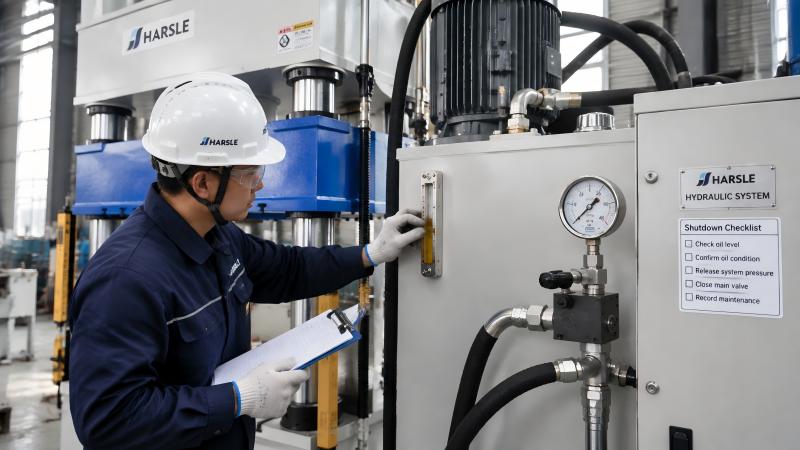
Before shutdown, follow the manufacturer’s recommendations for hydraulic oil storage conditions. In some cases, maintaining proper oil levels helps protect internal components from oxidation and corrosion.
Avoid leaving the hydraulic system under abnormal pressure conditions. Release pressure safely according to operating procedures to reduce stress on seals, valves, and pipelines.
Proper hydraulic pressure management is an important part of long-term shutdown preparation.
Step 5: Protect Electrical Systems and Control Components
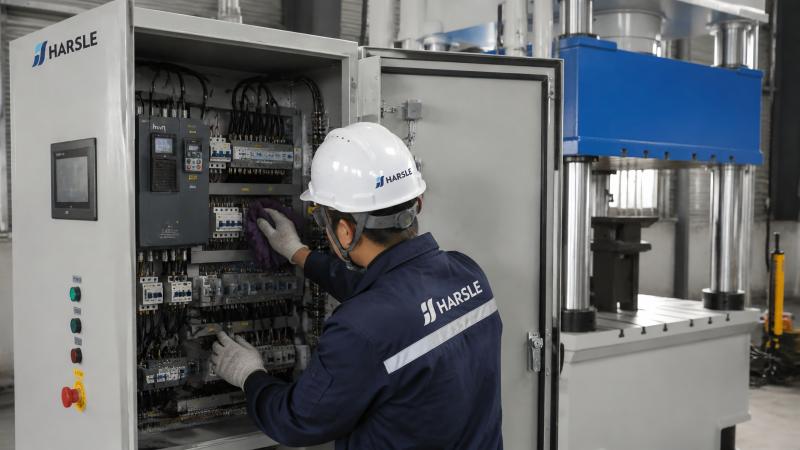
Electrical components are also vulnerable during extended downtime. Moisture, dust, and temperature changes can affect control cabinets, wiring connections, sensors, and electronic components.
I recommend cleaning the electrical cabinet, checking cable connections, and using moisture protection measures when necessary.
Keep the control system powered off according to safety procedures and ensure the machine environment remains dry and clean throughout the shutdown period.
Step 6: Cover and Store the Machine Properly
The storage environment has a direct impact on machine condition. Place the hydraulic press in a dry, clean area away from excessive humidity, dust, and chemical exposure.
Use a suitable protective cover to prevent contamination while allowing enough ventilation to avoid moisture accumulation.
Avoid storing materials or tools directly on the machine, as additional weight or impact may affect machine accuracy.
Step 7: Create a Shutdown Maintenance Record
I recommend recording all maintenance activities before the machine enters a long shutdown period.
The record should include hydraulic oil condition, filter replacement status, corrosion protection measures, electrical inspections, and any existing issues.
Detailed records make future restart procedures easier and help maintenance teams quickly understand the machine condition.
Restart Procedures After Long-Term Shutdown
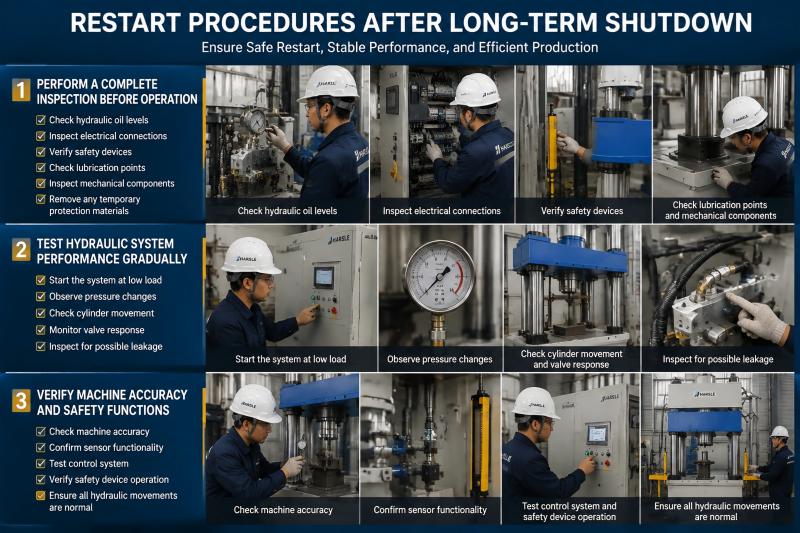
Perform a Complete Inspection Before Operation
Before restarting the hydraulic press, do not immediately begin production. First inspect the machine carefully.
Check hydraulic oil levels, electrical connections, safety devices, lubrication points, and mechanical components. Remove any temporary protection materials before operation.
Test Hydraulic System Performance Gradually
After startup, allow the hydraulic system to run at low load first. Observe pressure changes, cylinder movement, valve response, and possible leakage.
Gradual testing helps identify hidden problems before the machine operates under full production conditions.
Verify Machine Accuracy and Safety Functions
After a long shutdown, machine accuracy should be checked before processing products.
Confirm that sensors, control systems, safety devices, and hydraulic movements work correctly. A complete inspection ensures the machine can return to production safely and efficiently.
Common Mistakes During Hydraulic Press Long-Term Shutdown
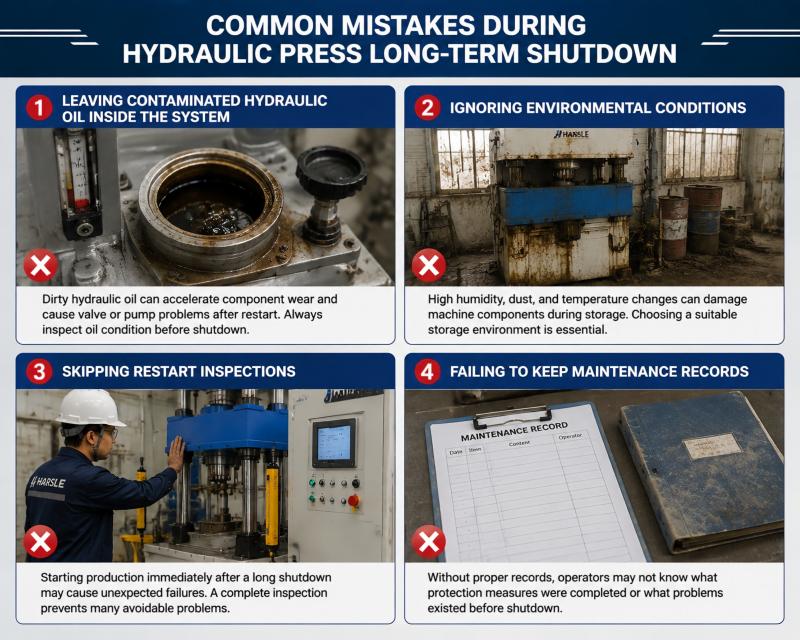
Leaving Contaminated Hydraulic Oil Inside the System
Dirty hydraulic oil can accelerate component wear and cause valve or pump problems after restart. Always inspect oil condition before shutdown.
Ignoring Environmental Conditions
High humidity, dust, and temperature changes can damage machine components during storage. Choosing a suitable storage environment is essential.
Skipping Restart Inspections
Starting production immediately after a long shutdown may cause unexpected failures. A complete inspection prevents many avoidable problems.
Failing to Keep Maintenance Records
Without proper records, operators may not know what protection measures were completed or what problems existed before shutdown.
Często zadawane pytania
How long can a hydraulic press remain unused without maintenance?
The safe shutdown period depends on storage conditions, machine design, and preparation quality. For extended downtime, regular inspections are recommended even when the machine is not operating.
Should hydraulic oil be replaced before a long shutdown?
If the oil is contaminated, aged, or degraded, replacement before shutdown is recommended to protect hydraulic components.
How should I protect a hydraulic press from rust during shutdown?
Clean the machine thoroughly, apply suitable anti-corrosion protection to exposed metal surfaces, and store the machine in a dry environment.
Wniosek
Właściwy Hydraulic Press Long-Term Shutdown maintenance is essential for protecting machine performance and preventing costly failures after extended downtime. By cleaning the machine, maintaining the hydraulic system, protecting components from corrosion, securing electrical systems, and performing careful restart inspections, operators can significantly improve equipment reliability.
A well-prepared shutdown process helps extend hydraulic press service life and ensures faster recovery when production resumes. For more technical guidance on hydraulic press maintenance and operation, feel free to contact our team for professional support.


