


Prasa hydrauliczna Pressure Stability is essential for maintaining consistent forming force, accurate processing results, and reliable machine performance. When hydraulic pressure fluctuates, a press may experience uneven ram movement, insufficient pressing force, longer cycle times, or inconsistent product quality. If you are trying to understand why pressure becomes unstable and how to correct the problem, you are in the right place. In this article, I’ll explain the main causes of hydraulic pressure fluctuations and walk you through practical inspection, adjustment, and maintenance methods that can help keep your hydraulic press operating smoothly and efficiently.
Dlaczego Prasa hydrauliczna Pressure Stability Is Important
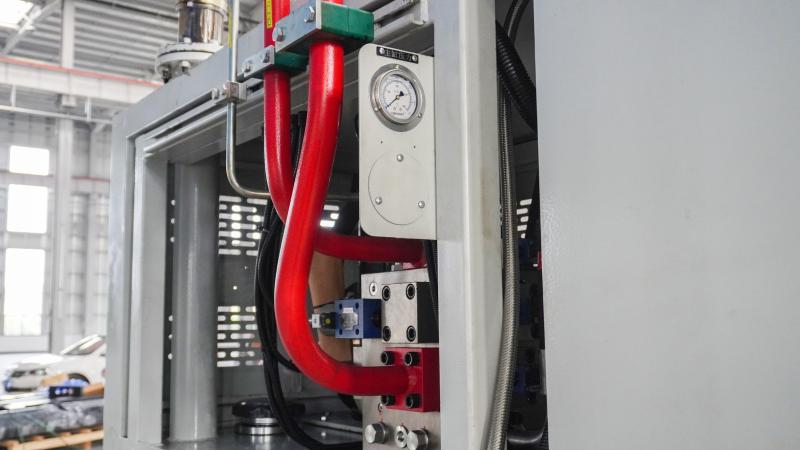
How Hydraulic Pressure Affects Press Performance
A hydraulic press relies on pressurized oil to transfer power from the hydraulic pump to the cylinders. Stable pressure allows the machine to generate predictable force throughout the working cycle. If pressure changes unexpectedly, the ram may move unevenly or fail to deliver the required tonnage.
In applications involving forming, drawing, straightening, or compression, even relatively small pressure variations can affect repeatability. Maintaining stable hydraulic pressure therefore contributes directly to product consistency and production efficiency.
Common Signs of Unstable Hydraulic Press Pressure
When inspecting a hydraulic press, I pay attention to pressure gauge fluctuations, slow ram movement, reduced pressing force, unusual pump noise, excessive oil temperature, and inconsistent cycle times. A ram that cannot hold pressure under load can also indicate an internal leakage problem.
These symptoms should not be ignored because pressure instability can eventually increase wear on pumps, valves, cylinders, seals, and other hydraulic components.
Common Causes of Hydraulic Press Pressure Fluctuations
Contaminated or Incorrect Hydraulic Oil
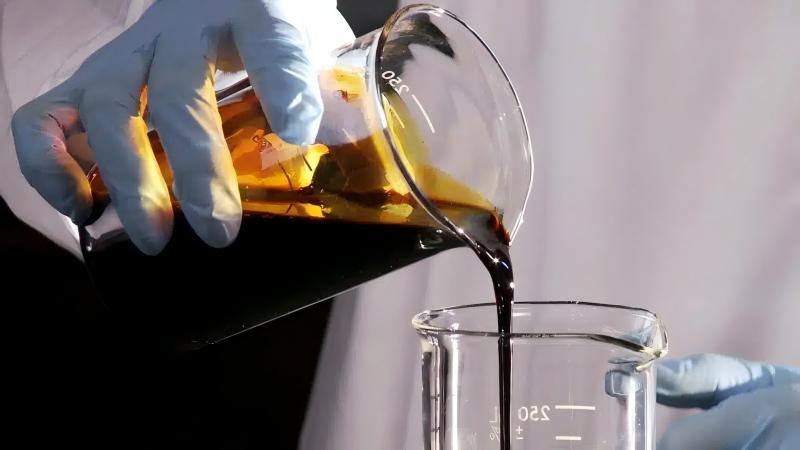
Hydraulic oil condition has a direct effect on pressure control. Contaminated oil can restrict valve movement, accelerate pump wear, and damage seals. Oil with incorrect viscosity may also perform poorly when operating temperatures change.
I recommend checking oil cleanliness, viscosity, level, and temperature whenever pressure instability appears.
Hydraulic Pump Wear or Cavitation
A worn hydraulic pump may struggle to maintain the required flow and pressure. Cavitation can also cause irregular pressure, noise, vibration, and eventual pump damage.
Low reservoir levels, restricted suction lines, clogged strainers, or air entering the suction side can contribute to cavitation.
Pressure Relief Valve Problems
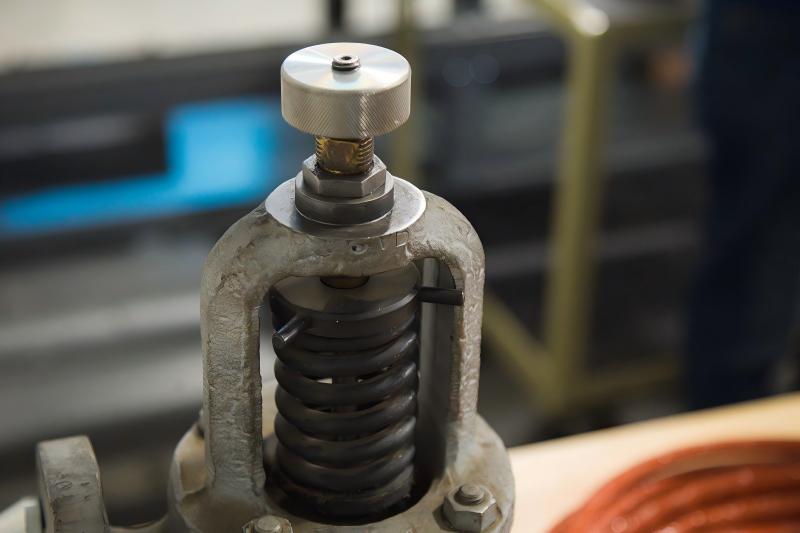
The relief valve limits maximum system pressure. If it is incorrectly adjusted, contaminated, worn, or sticking, system pressure may fluctuate or fail to reach the required level.
A relief valve should be inspected and adjusted according to the machine manufacturer’s specifications rather than being changed simply to increase pressing force.
Internal or External Hydraulic Leakage
External leakage from hoses, fittings, seals, and connections is usually visible. Internal leakage is more difficult to detect because oil can bypass worn seals or valve clearances without appearing outside the machine.
Both types of leakage can reduce Hydraulic Press Pressure Stability and prevent the machine from maintaining pressure under load.
How to Improve Hydraulic Press Pressure Stability
Step 1: Check the Hydraulic Oil Level and Condition
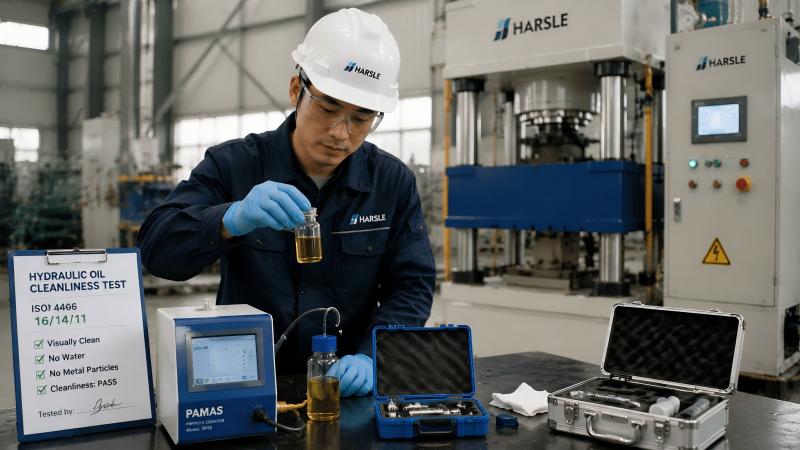
I normally begin troubleshooting by checking the reservoir. Make sure the oil level is within the specified range and look for unusual discoloration, foam, cloudiness, particles, or a burnt smell.
Foaming may indicate air entering the hydraulic system, while cloudy oil can suggest water contamination. Dark or burnt-smelling oil may indicate excessive heat or oxidation.
If the oil condition is poor, identify the contamination source before simply replacing the fluid.
Step 2: Inspect Hydraulic Filters and Suction Lines
A clogged filter restricts oil flow and can cause pressure fluctuations. Check filter condition indicators where available and replace contaminated elements according to the manufacturer’s recommendations.
I also inspect suction lines for loose connections, cracks, restrictions, and damaged seals. Air entering through the suction side can produce erratic pump performance even when no external oil leak is visible.
Step 3: Monitor Hydraulic Pump Performance
Listen for abnormal noise and observe whether the pump can maintain stable pressure as the machine operates under load. Excessive vibration, whining sounds, overheating, or reduced output may indicate pump wear or cavitation.
If pump performance is questionable, technicians can evaluate flow and pressure against the manufacturer’s specified values before deciding whether adjustment, repair, or replacement is necessary.
Step 4: Inspect Pressure Control Valves
Check relief valves, pressure-reducing valves, directional valves, and proportional valves for contamination, sticking, wear, or incorrect adjustment.
I recommend cleaning or servicing valves using the procedures specified for the hydraulic system. Never make uncontrolled pressure adjustments, because excessive system pressure can damage components and create serious safety risks.
Step 5: Check Cylinders, Seals, Hoses, and Fittings
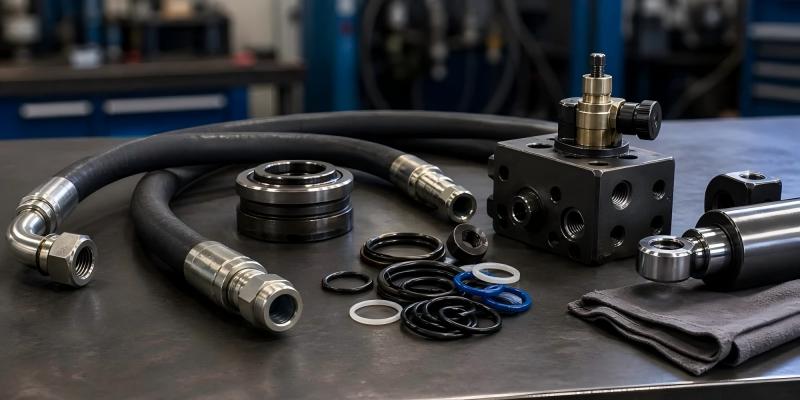
Inspect the entire hydraulic circuit for leaks. Pay particular attention to cylinder seals, hose connections, fittings, valve blocks, and pipe joints.
If the cylinder slowly moves or loses force while pressure should be held, internal seal leakage may be present. Worn seals should be replaced before they cause further pressure loss or contamination.
Step 6: Monitor Hydraulic Oil Temperature
Oil temperature influences viscosity and therefore affects hydraulic pressure and lubrication. Excessive temperature can thin the oil, increase internal leakage, and accelerate seal deterioration.
Check the cooling system, oil level, heat exchanger, filters, and operating cycle if hydraulic oil repeatedly becomes too hot. Maintaining the oil within the machine manufacturer’s recommended temperature range supports more consistent pressure.
Step 7: Test the System Under Normal Working Load
After completing inspections or repairs, I recommend testing the press under controlled operating conditions. Observe the pressure gauge during approach, pressing, pressure holding, and return movements.
Compare actual readings with the specified machine parameters. Stable readings during repeated cycles provide a better indication of system condition than checking pressure only while the machine is idle.
Preventive Maintenance for Long-Term Hydraulic Press Pressure Stability
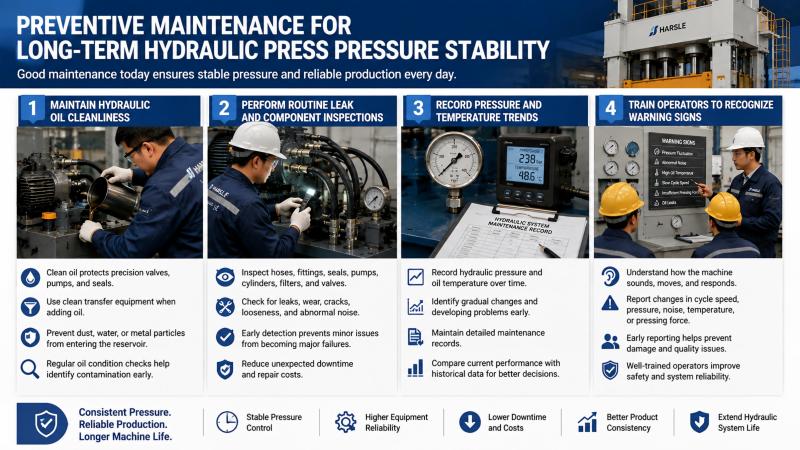
Utrzymuj czystość oleju hydraulicznego
Clean hydraulic oil protects precision valves, pumps, and seals. Use clean transfer equipment when adding oil and prevent dust, water, or metal particles from entering the reservoir during maintenance.
Regular oil condition checks can help identify contamination before it affects pressure control.
Perform Routine Leak and Component Inspections
I recommend establishing an inspection schedule for hoses, fittings, seals, pumps, cylinders, filters, and valves. Early detection of wear can prevent a minor hydraulic issue from developing into an unexpected machine shutdown.
Record Pressure and Temperature Trends
Instead of relying only on individual readings, record hydraulic pressure and oil temperature over time. Gradual changes can reveal developing problems that may not be obvious during a single inspection.
Maintenance records also make it easier to compare current machine performance with previous operating conditions.
Train Operators to Recognize Warning Signs
Operators should know how the machine normally sounds, moves, and responds. Changes in cycle speed, pressure gauge behavior, pump noise, oil temperature, or pressing force should be reported promptly.
Early reporting allows maintenance personnel to investigate problems before they affect production quality or damage hydraulic components.
Często zadawane pytania
What causes poor Hydraulic Press Pressure Stability?
Common causes include contaminated hydraulic oil, pump wear, clogged filters, air entering the system, incorrectly functioning pressure valves, internal leakage, and excessive oil temperature.
Why does hydraulic press pressure drop under load?
Pressure loss under load may result from pump wear, internal cylinder leakage, worn valves, damaged seals, or a relief valve that is opening prematurely.
Can contaminated hydraulic oil cause pressure fluctuations?
Yes. Contaminants can interfere with valve movement and accelerate wear on pumps, seals, and other components, making stable pressure more difficult to maintain.
Wniosek
Utrzymywanie Hydraulic Press Pressure Stability requires more than adjusting a single pressure setting. Hydraulic oil condition, filters, pumps, valves, cylinders, seals, temperature, and system leakage all need to work together correctly.
By checking these areas systematically and maintaining accurate service records, I can identify pressure problems earlier and reduce the risk of unexpected downtime. Stable hydraulic pressure supports consistent forming force, reliable production, and longer component life. If you need additional guidance on hydraulic press troubleshooting, maintenance, or system configuration, contact the HARSLE team for professional technical support.


