


Prasa hydrauliczna Die Maintenance is essential for extending die service life, maintaining forming accuracy, and reducing unexpected production interruptions. Hydraulic press dies are exposed to high pressure, friction, impact loads, and repeated cycles, which can gradually cause wear, deformation, cracking, or surface damage. If you want to improve die durability and reduce replacement costs, you are in the right place. In this article, I’ll explain practical maintenance methods, inspection procedures, and daily care tips that help keep hydraulic press dies working reliably for a longer time.
Dlaczego Prasa hydrauliczna Die Maintenance Is Important
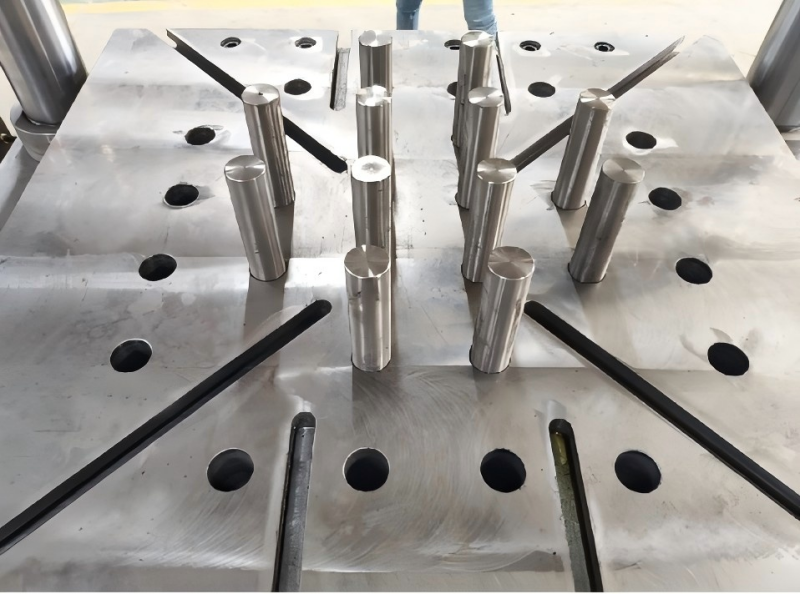
Protect Die Accuracy and Product Quality
Hydraulic press dies directly affect the final shape, dimensions, and surface quality of formed parts. When dies become worn or damaged, problems such as uneven forming, inaccurate dimensions, and surface marks may appear.
Regularny Hydraulic Press Die Maintenance helps maintain the original die geometry and ensures consistent production results. By detecting wear early, operators can prevent small defects from developing into major accuracy problems.
Reduce Production Downtime and Repair Costs
Damaged dies often lead to unexpected machine stops and additional repair expenses. Replacing a complete die set can be costly, especially for customized tooling.
A proper maintenance plan allows operators to identify early signs of wear, schedule repairs during planned downtime, and avoid sudden production interruptions.
Common Causes of Hydraulic Press Die Wear
Excessive Pressure and Overloading
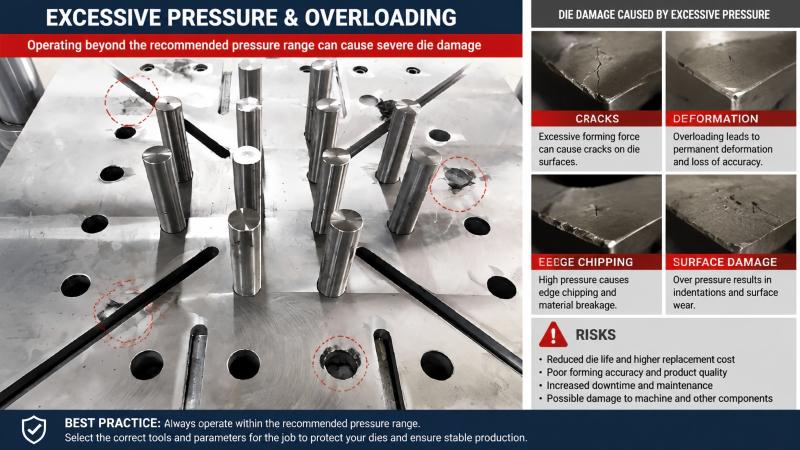
One of the most common causes of die damage is operating beyond the recommended pressure range. Excessive forming force can create cracks, deformation, or permanent damage to die surfaces.
I always recommend checking material thickness, forming requirements, and machine capacity before operation. Proper load control helps prevent unnecessary stress on the die.
Poor Lubrication During Forming Operations
Insufficient lubrication increases friction between the workpiece and die surface. Over time, this can accelerate surface wear, overheating, and material buildup.
Using the correct lubricant according to material type and production conditions helps reduce friction and protect the die surface.
Contamination and Foreign Particles
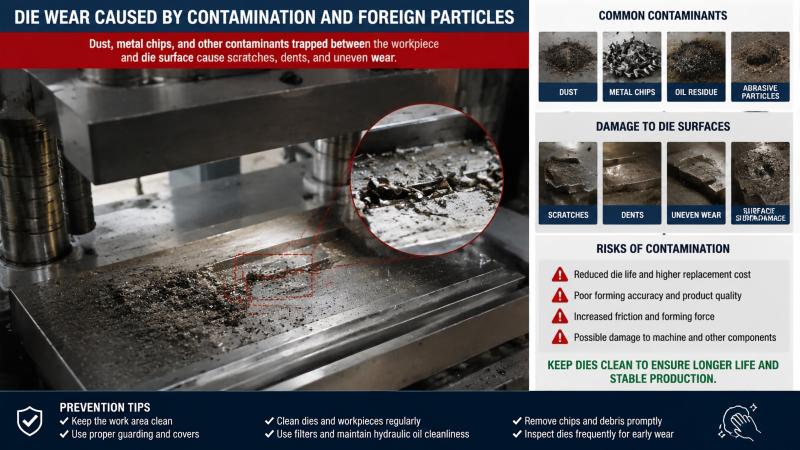
Dust, metal chips, and other contaminants can become trapped between the workpiece and die surface. These particles may create scratches, dents, or uneven wear.
Keeping the working area clean is a simple but effective part of long-term hydraulic press die protection.
How to Perform Hydraulic Press Die Maintenance Step by Step
Step 1: Inspect Die Surface Condition Regularly
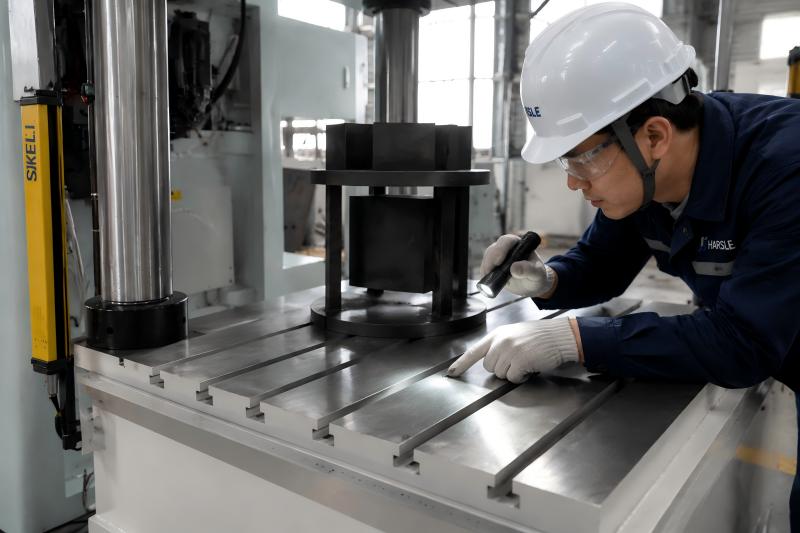
The first step in maintaining hydraulic press dies is performing regular visual inspections. I recommend checking the die surface for scratches, cracks, deformation, corrosion, and abnormal wear patterns.
Pay special attention to high-contact areas where pressure and friction are concentrated. Early detection allows operators to repair or adjust the die before serious damage occurs.
Step 2: Clean Hydraulic Press Dies After Use
After production, remove oil residue, metal particles, and dust from the die surface. Contaminants left on the tooling can cause corrosion and surface damage over time.
I suggest using appropriate cleaning tools and avoiding harsh methods that may damage precision surfaces. A clean die provides better forming performance and longer service life.
Step 3: Apply Proper Lubrication and Protection
Lubrication plays an important role in reducing friction and preventing premature wear. Apply suitable lubricants to areas recommended by the manufacturer.
For long-term storage, protective coatings or anti-rust treatments should be applied to prevent oxidation, especially in humid environments.
Step 4: Check Die Alignment and Installation Accuracy
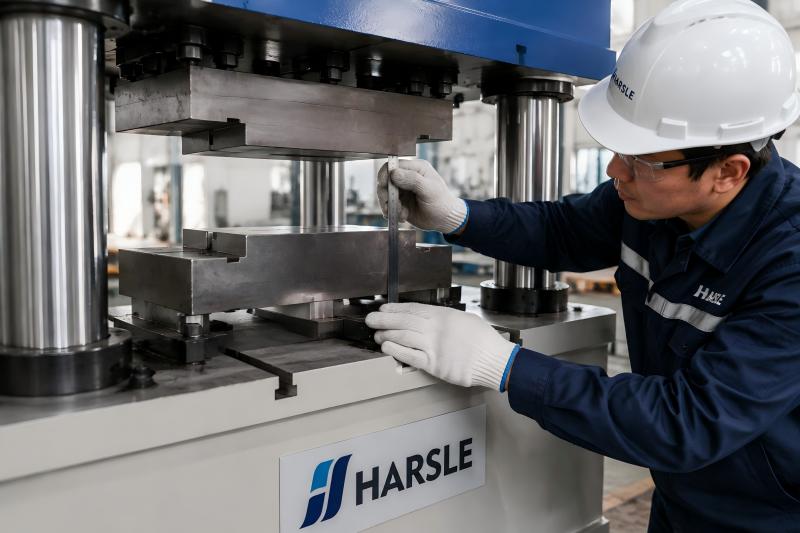
Incorrect die installation or misalignment can create uneven pressure distribution during forming. This causes localized wear and may reduce both die and machine lifespan.
Before operation, I recommend checking whether the upper and lower dies are correctly aligned and securely installed. Proper alignment ensures balanced force distribution and stable forming results.
Step 5: Monitor Die Performance During Production
Operators should pay attention to changes in forming quality, unusual noise, vibration, or increased forming resistance.
If the machine requires higher pressure than usual or finished parts show quality issues, the die condition should be inspected immediately. Performance monitoring is an important part of predictive maintenance.
Best Practices for Extending Hydraulic Press Die Life
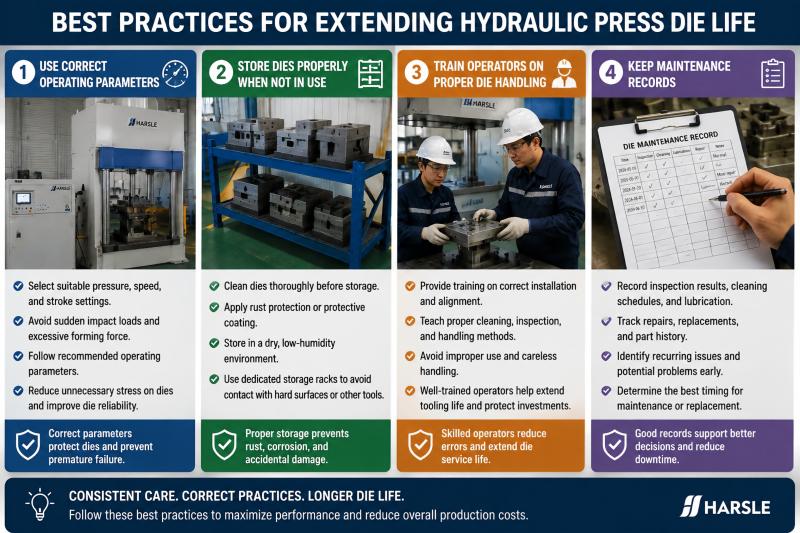
Use Correct Operating Parameters
Selecting suitable pressure, speed, and stroke settings helps reduce unnecessary stress on dies. Avoid sudden impact loads and excessive forming force whenever possible.
Following recommended operating parameters improves die reliability and reduces premature failure.
Store Dies Properly When Not in Use
Unused dies should be cleaned, protected, and stored in a dry environment. Proper storage prevents rust, corrosion, and accidental surface damage.
I recommend using dedicated storage racks to prevent dies from contacting hard surfaces or other tools.
Train Operators on Proper Die Handling
Operator experience has a significant impact on die lifespan. Incorrect installation, improper cleaning, or careless handling can shorten tooling life.
Training operators to follow correct installation and maintenance procedures helps protect valuable tooling investments.
Keep Maintenance Records
Recording inspection results, cleaning schedules, lubrication activities, and repair history provides valuable information for future maintenance decisions.
Maintenance records help identify repeated issues and determine the optimal replacement or repair timing.
Często zadawane pytania
How often should I perform Hydraulic Press Die Maintenance?
The maintenance frequency depends on production volume, material type, operating pressure, and working environment. Regular inspections should be performed based on actual usage conditions.
What are the signs that a hydraulic press die needs maintenance?
Common signs include inaccurate forming results, surface damage, abnormal noise, increased forming force, visible cracks, and uneven wear.
Can lubrication extend hydraulic press die life?
Yes. Proper lubrication reduces friction, minimizes surface wear, and helps prevent overheating during repeated forming operations.
Wniosek
Właściwy Hydraulic Press Die Maintenance is the key to improving tooling reliability, maintaining forming accuracy, and extending die service life. By regularly inspecting die conditions, cleaning surfaces, applying proper lubrication, checking alignment, and training operators, manufacturers can significantly reduce wear and unexpected downtime.
A well-maintained hydraulic press die not only improves production efficiency but also reduces long-term operating costs. For more technical guidance on hydraulic press tooling maintenance or professional support, feel free to contact our team for expert assistance.


