


Prasa hydrauliczna Pump Maintenance is essential for keeping a hydraulic press operating with stable pressure, reliable force, and consistent performance. In my experience, many hydraulic problems that appear to be serious machine failures actually begin with contaminated oil, restricted flow, loose connections, or gradual pump wear. If you notice abnormal noise, overheating, slow ram movement, or unstable pressure, the pump unit should be one of the first areas you inspect. In this guide, I’ll explain how I maintain hydraulic press pump units step by step, identify common warning signs, and prevent small problems from developing into expensive failures.
Dlaczego Prasa hydrauliczna Pump Maintenance Is Important
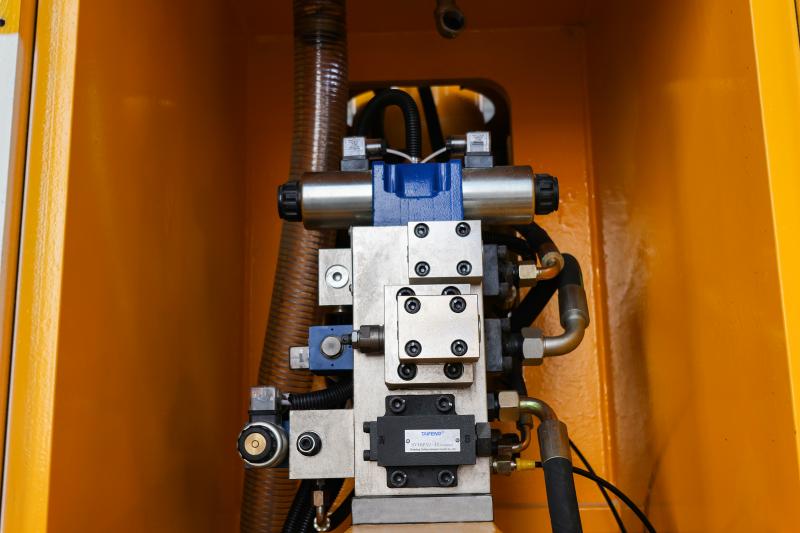
The hydraulic pump converts mechanical energy from the motor into hydraulic flow, allowing the press to generate the pressure and force required for forming operations. When the pump cannot supply stable flow, the entire hydraulic system can become inefficient.
Regular maintenance helps me detect wear before a pump fails completely. It also protects valves, cylinders, seals, and other hydraulic components from problems caused by contaminated oil or unstable pressure.
Common Signs of Hydraulic Pump Problems
Before starting maintenance, I pay attention to changes in machine behavior. Common warning signs include unusual pump noise, excessive vibration, rising oil temperature, pressure fluctuations, slower cylinder movement, reduced pressing force, and visible hydraulic oil leakage.
These symptoms do not always mean the pump itself has failed. Problems with oil quality, filters, suction lines, or valves can create similar symptoms, so systematic inspection is important.
How to Perform Hydraulic Press Pump Maintenance
Step 1: Shut Down and Depressurize the Hydraulic System
Before inspecting the pump, I shut down the hydraulic press according to the manufacturer’s safety procedure and isolate the relevant energy sources. I make sure stored hydraulic pressure is safely released before opening lines, fittings, filters, or pump components.
Hydraulic systems can retain dangerous pressure even after the motor stops. I never loosen a hydraulic connection to determine whether pressure remains in the system.
Step 2: Check Hydraulic Oil Level and Condition
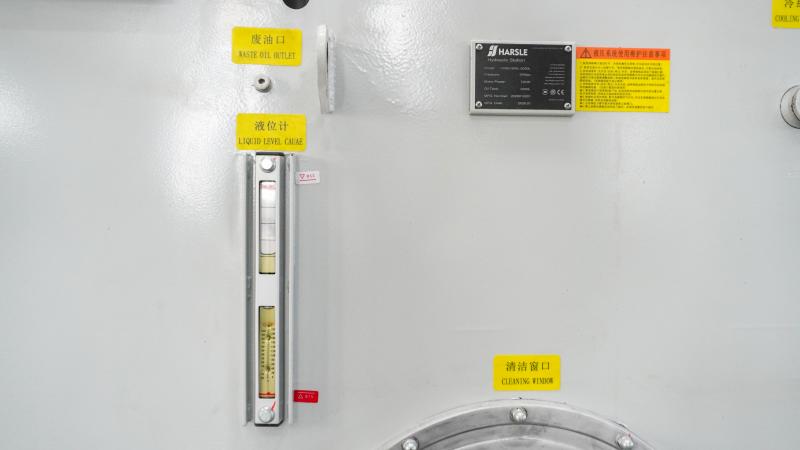
The next step is inspecting the hydraulic oil. I check whether the oil level is within the recommended range and look for unusual color, cloudiness, foam, particles, or a burnt smell.
Low oil levels can cause the pump to draw air, while contaminated or degraded oil can accelerate internal wear. Milky oil may indicate water contamination, while excessive foam can point to aeration or suction-side problems.
For long-term Hydraulic Press Pump Maintenance, maintaining clean oil is one of the most effective ways to protect the pump.
Step 3: Inspect Hydraulic Filters
A clogged filter restricts oil flow and can affect pump performance. I inspect filter indicators and replace filter elements when required by their condition or the manufacturer’s maintenance schedule.
I also investigate unusually rapid filter blockage. Repeated contamination may indicate internal component wear, poor oil-handling practices, or contamination entering through the reservoir.
Step 4: Inspect the Pump for Hydraulic Oil Leaks
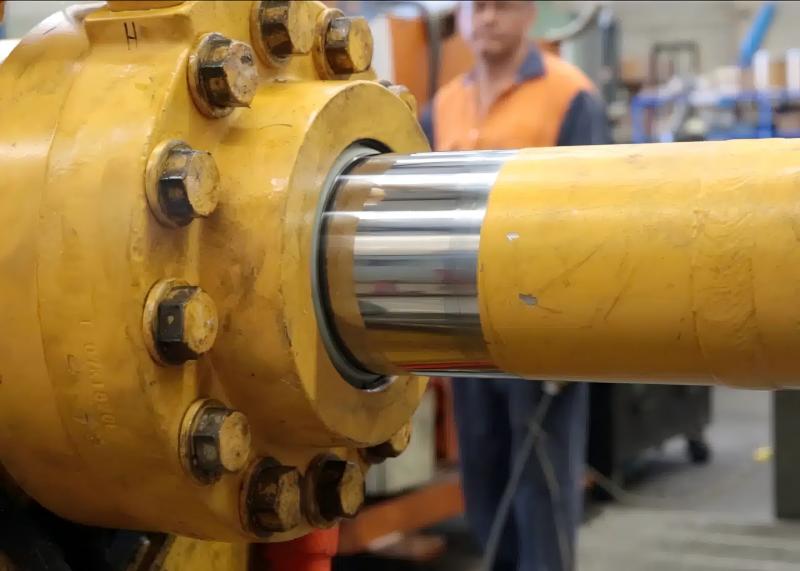
I carefully inspect the pump housing, shaft seal area, hoses, fittings, and connections for leakage. Even a small leak deserves attention because it can gradually lower oil levels and allow contamination into the system.
When leakage is discovered, I determine its source rather than simply wiping away the oil. Damaged seals, loose fittings, cracked hoses, or worn components should be repaired or replaced correctly.
Step 5: Listen for Abnormal Pump Noise
A healthy hydraulic pump should operate with relatively consistent sound. Knocking, whining, rattling, or unusually loud operation can indicate cavitation, aeration, insufficient oil supply, contamination, or internal wear.
If abnormal noise appears, I inspect the oil level, suction line, filters, and connections before assuming that the pump requires replacement.
Step 6: Monitor Hydraulic Pressure and Temperature
Pressure and temperature provide valuable information about hydraulic pump health. I compare actual operating values with the normal range specified for the machine.
Unstable or insufficient pressure may result from pump wear, internal leakage, valve problems, or incorrect settings. Excessive temperature can indicate restricted oil flow, poor cooling, internal leakage, or deteriorated hydraulic oil.
Rather than increasing pressure settings to compensate for poor performance, I identify the underlying cause first.
How to Prevent Hydraulic Press Pump Failures
Utrzymuj czysty olej hydrauliczny
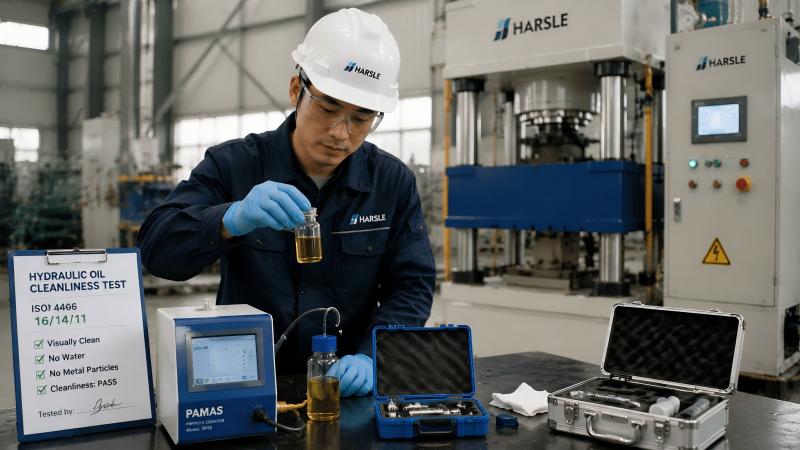
Contamination is one of the main enemies of hydraulic components. During oil filling and maintenance, I use clean equipment and prevent dust, water, metal particles, and other contaminants from entering the reservoir.
Hydraulic oil should also be stored in clean, sealed containers under suitable environmental conditions.
Inspect the Pump Suction Line
A restricted or leaking suction line can cause cavitation and damage the pump. I regularly inspect hoses, clamps, seals, and connections and make sure there are no restrictions or air leaks.
If the pump produces unusual noise immediately after startup, the suction side is an important area to investigate.
Check Pump and Motor Alignment
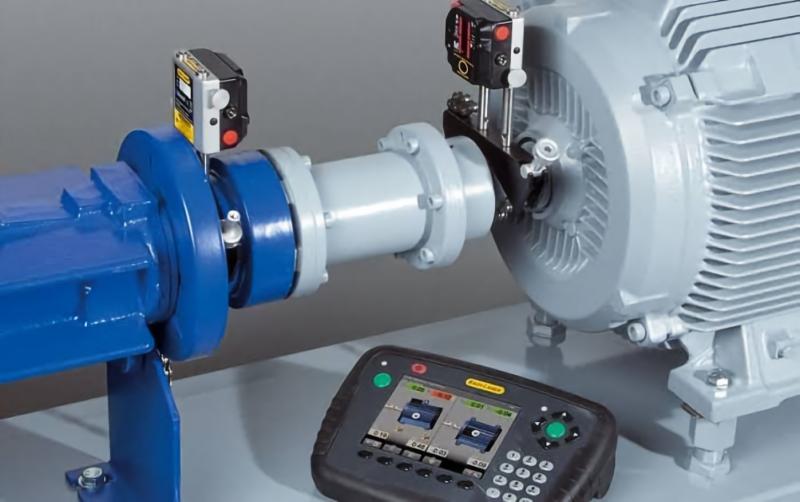
Incorrect alignment between the hydraulic pump and drive motor can increase vibration and place unnecessary loads on couplings, bearings, and pump shafts.
During scheduled maintenance, I inspect the coupling and mounting condition and correct abnormal looseness or alignment problems according to the machine specifications.
Best Practices for Long-Term Hydraulic Pump Reliability
Create a Preventive Maintenance Schedule
I recommend creating a structured maintenance schedule covering hydraulic oil, filters, pump condition, pressure, temperature, hoses, fittings, and system leakage.
The appropriate interval depends on operating hours, production load, environmental conditions, oil analysis results, and manufacturer recommendations rather than one universal schedule.
Keep Hydraulic Pump Maintenance Records
Maintenance records help me identify changes that may otherwise be overlooked. I record oil changes, filter replacements, pressure readings, temperature observations, leakage repairs, unusual noises, and component replacements.
Comparing these records over time makes it easier to recognize deterioration before it results in unexpected downtime.
Investigate Warning Signs Early
I never ignore small changes in pump behavior. A slight increase in noise, temperature, or vibration can provide an early warning of a developing hydraulic problem.
Finding the cause early is generally easier and less expensive than repairing secondary damage after a major pump failure.
Często zadawane pytania
How often should Hydraulic Press Pump Maintenance be performed?
The appropriate maintenance frequency depends on machine usage, operating conditions, hydraulic oil condition, and the manufacturer’s recommendations. I combine routine inspections with scheduled preventive maintenance and condition monitoring.
Why is my hydraulic press pump making unusual noise?
Abnormal noise can result from low oil levels, cavitation, aeration, restricted filters, suction-line problems, contamination, or internal pump wear. I check these conditions systematically before replacing the pump.
What causes a hydraulic press pump to lose pressure?
Pressure loss can be associated with pump wear, internal leakage, valve problems, insufficient oil supply, or other hydraulic system faults. Pressure testing and component inspection can help identify the actual source.
Wniosek
Skuteczny Hydraulic Press Pump Maintenance requires more than replacing hydraulic oil at fixed intervals. I focus on oil cleanliness, filtration, leakage, pressure, temperature, suction conditions, pump noise, and component condition to understand how the system is actually performing.
By following a structured inspection routine and responding to warning signs early, you can reduce unexpected downtime, protect hydraulic components, and extend pump service life. If you need additional guidance on hydraulic press maintenance, troubleshooting, or machine operation, contact the HARSLE team for professional technical support.


