


Prasa hydrauliczna Electrical Components Maintenance is essential for maintaining reliable electrical performance, stable operation, accurate control, and efficient production in industrial hydraulic presses. Proper maintenance helps prevent electrical failures, reduce unexpected downtime, and extend the service life of critical control systems. If you want to improve hydraulic press reliability and avoid common issues such as wiring faults, sensor failures, or control system errors, you are in the right place. In this article, I’ll explain practical inspection methods, maintenance procedures, and best practices to help keep hydraulic press electrical components working safely and efficiently.
Zrozumienie znaczenia Prasa hydrauliczna Electrical Components Maintenance
Why Electrical Maintenance Matters for Hydraulic Presses
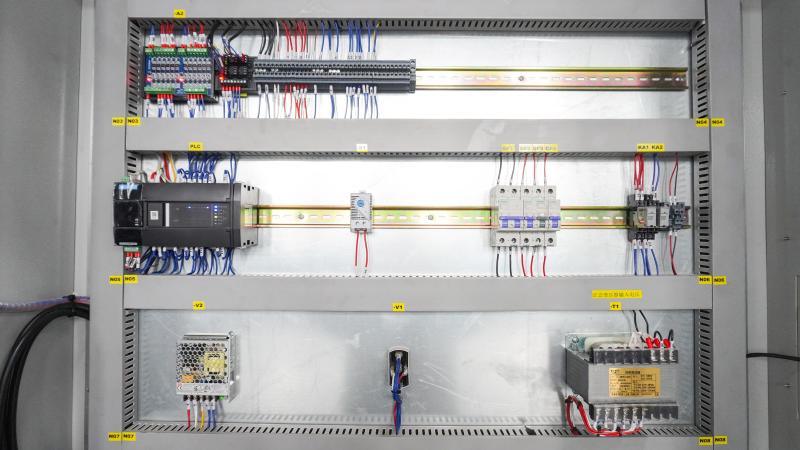
The electrical system is the control center of a hydraulic press. It manages motors, sensors, control panels, solenoid valves, safety devices, and automation functions. Any electrical problem can interrupt machine operation and affect production quality.
Regularny Hydraulic Press Electrical Components Maintenance allows operators to detect potential issues before they cause serious failures. Proper maintenance improves machine stability, reduces repair costs, and ensures safe operation.
Common Electrical Problems in Hydraulic Press Systems
During daily operation, hydraulic presses may experience electrical problems such as loose connections, overheating terminals, damaged cables, sensor errors, and control system alarms.
These issues are often caused by dust accumulation, vibration, moisture, voltage fluctuations, or insufficient inspection. Identifying these problems early helps prevent unexpected machine shutdowns.
How to Maintain Hydraulic Press Electrical Components Effectively
Step 1: Inspect Electrical Connections and Wiring
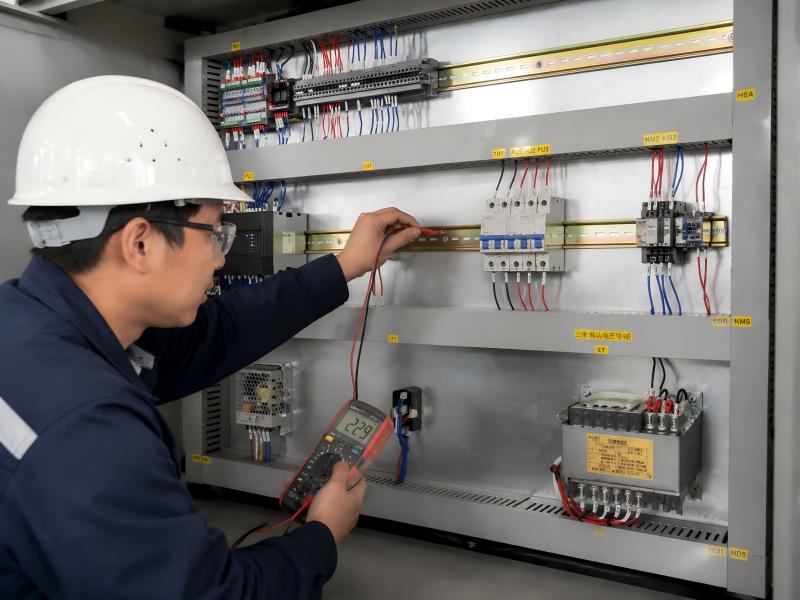
The first step in electrical maintenance is checking all wiring connections and terminals. Loose connections can increase electrical resistance, generate heat, and eventually cause component failure.
I recommend inspecting terminal blocks, cable connectors, and wiring harnesses regularly. Make sure all connections are tight, clean, and free from corrosion.
Pay special attention to areas exposed to vibration, as continuous machine movement may gradually loosen electrical connections.
Step 2: Check the Control Cabinet Condition
The electrical control cabinet contains important components such as PLC controllers, relays, circuit breakers, and power supplies. Keeping this area clean and properly maintained is essential.
During inspection, check for dust accumulation, moisture, unusual odors, or overheating marks. Dust can reduce heat dissipation and cause electrical components to fail prematurely.
I recommend using proper cleaning tools to remove dust without damaging sensitive electronic parts.
Step 3: Maintain Hydraulic Press Sensors and Detection Devices
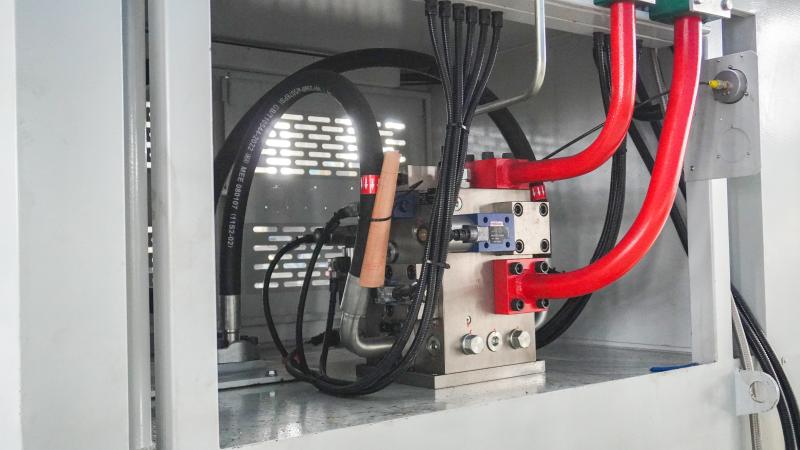
Sensors play an important role in monitoring hydraulic press position, pressure, temperature, and safety conditions. A faulty sensor can cause inaccurate operation or unnecessary machine stops.
Regularly check sensor connections, alignment, and signal stability. If sensors provide unstable readings, inspect wiring and replace damaged components when necessary.
Proper sensor maintenance helps maintain accurate machine control and improves production consistency.
Step 4: Inspect Motors and Electrical Drive Systems
The motor is one of the most important electrical components in a hydraulic press. Overheating, abnormal noise, or excessive vibration may indicate electrical or mechanical problems.
I recommend checking motor temperature, current levels, and connection conditions during routine maintenance. Ensuring proper ventilation around motors also helps prevent overheating.
Regular motor inspections can extend service life and reduce unexpected production interruptions.
Step 5: Check Safety Electrical Components
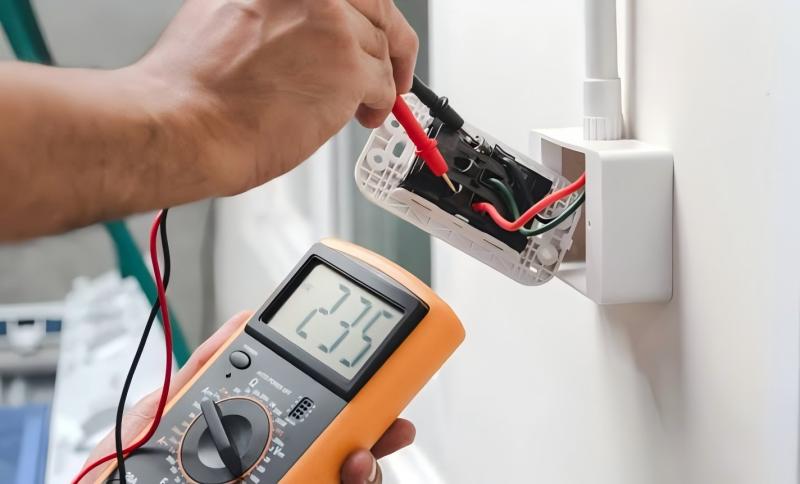
Safety devices such as emergency stop buttons, limit switches, and safety relays are critical for operator protection.
Test these components regularly to ensure they respond correctly. A malfunctioning safety device can create serious risks during machine operation.
Always repair or replace damaged safety components immediately and avoid bypassing safety functions.
Step 6: Monitor Power Supply Stability
Stable power supply is essential for reliable hydraulic press operation. Voltage fluctuations can damage electrical components and cause control system errors.
I recommend checking incoming voltage, grounding conditions, and electrical protection devices regularly.
Installing suitable voltage protection equipment can help reduce damage caused by unstable power conditions.
Best Practices for Long-Term Hydraulic Press Electrical System Performance
Perform Regular Electrical Inspections
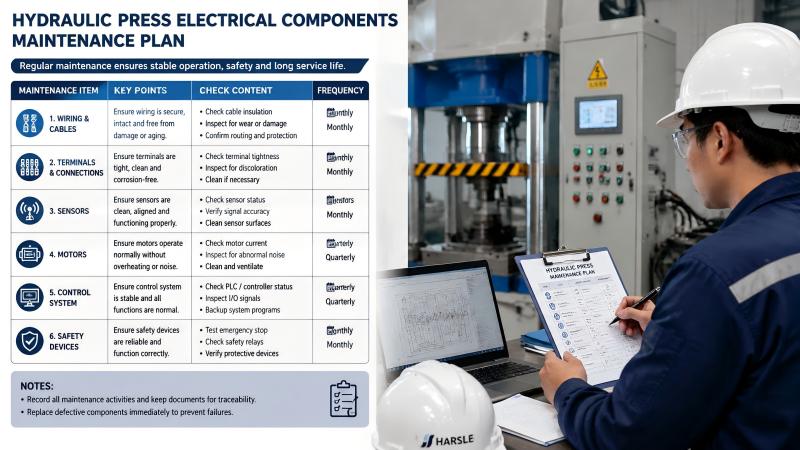
Preventive inspection is one of the most effective ways to maintain electrical reliability. Create a regular maintenance schedule covering wiring, terminals, sensors, motors, control systems, and safety devices.
A structured inspection plan allows operators to identify problems early and prevent unexpected equipment failures.
Keep Electrical Components Clean and Dry
A clean and dry working environment helps protect electrical components from dust, moisture, and corrosion.
During maintenance, avoid allowing oil, water, or metal particles to enter electrical cabinets and connection areas.
Keep Maintenance Records
Recording electrical maintenance activities helps track system conditions and identify repeated problems. Maintenance records should include inspections, component replacements, fault history, and repair details.
These records provide valuable information for improving future maintenance decisions.
Train Operators on Proper Electrical System Care
Operators should understand basic electrical safety requirements and know how to identify abnormal conditions.
Proper training helps prevent incorrect operation, reduces accidental damage, and ensures that problems are reported quickly.
Często zadawane pytania
How often should I perform Hydraulic Press Electrical Components Maintenance?
Maintenance frequency depends on operating conditions, working environment, and machine usage. Regular inspections should be performed according to manufacturer recommendations and production requirements.
What electrical components should be checked on a hydraulic press?
Important components include wiring connections, control cabinets, PLC systems, sensors, motors, relays, circuit breakers, and safety devices.
Why do hydraulic press electrical components fail?
Common causes include dust, moisture, vibration, loose connections, voltage instability, overheating, and insufficient maintenance.
Can electrical maintenance improve hydraulic press performance?
Yes. Proper electrical maintenance helps maintain stable control, reduce downtime, improve safety, and extend machine service life.
Wniosek
Właściwy Hydraulic Press Electrical Components Maintenance is essential for ensuring reliable machine operation, improving safety, and reducing unexpected downtime. By regularly inspecting wiring, control cabinets, sensors, motors, safety systems, and power supplies, operators can prevent many common electrical failures.
A well-maintained electrical system helps hydraulic presses achieve stable performance and longer service life. For more technical guidance or professional support on hydraulic press maintenance, feel free to contact our team for expert assistance.


