


Prasa hydrauliczna Cylinder Maintenance is essential for ensuring stable pressing performance, preventing unexpected failures, and extending the service life of hydraulic press equipment. The cylinder is one of the most important components in a hydraulic press because it converts hydraulic pressure into mechanical force. If the cylinder develops problems such as oil leakage, slow movement, or unstable pressure, the entire production process can be affected. In this article, I’ll explain practical maintenance methods, inspection procedures, and troubleshooting tips to help you keep your hydraulic press cylinder operating efficiently and reliably.
Zrozumienie znaczenia Prasa hydrauliczna Cylinder Maintenance
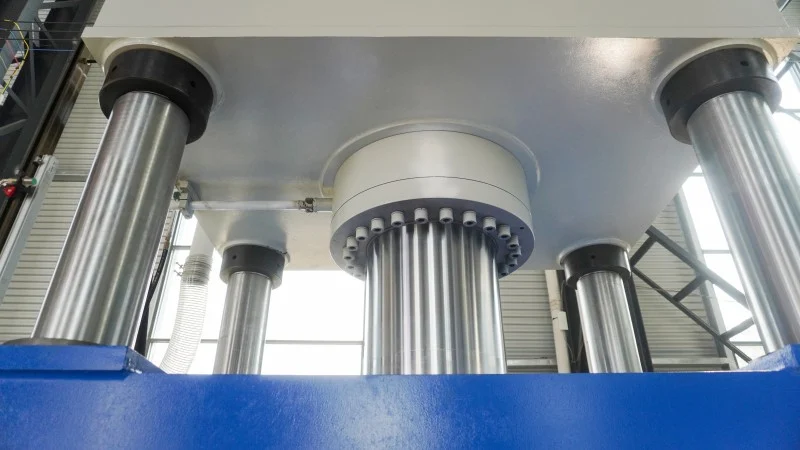
Why Hydraulic Press Cylinders Need Regular Maintenance
Hydraulic press cylinders work under high pressure and continuous load conditions. During daily operation, internal seals, piston rods, cylinder barrels, and related components experience friction and stress.
Without proper maintenance, wear and contamination can gradually reduce cylinder performance. Regular Hydraulic Press Cylinder Maintenance helps identify early problems, reduce repair costs, and maintain consistent pressing accuracy.
Common Hydraulic Press Cylinder Problems
Several issues can affect hydraulic press cylinder performance, including hydraulic oil leakage, damaged seals, piston rod wear, internal leakage, and uneven movement.
These problems may result in reduced pressing force, slower operation, abnormal noise, or inaccurate positioning. Understanding these warning signs allows operators to take action before major failures occur.
How to Perform Hydraulic Press Cylinder Maintenance Step by Step
Step 1: Inspect the Cylinder for Oil Leakage
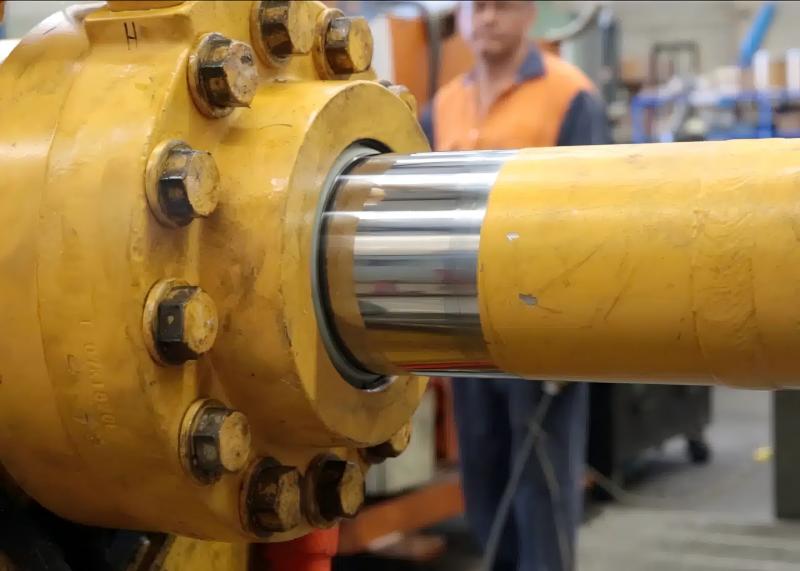
The first step in cylinder maintenance is checking for external oil leakage. I recommend inspecting the cylinder body, piston rod, seals, and hydraulic connections regularly.
Oil around the piston rod usually indicates worn or damaged seals. Leakage not only reduces hydraulic efficiency but may also create safety risks and environmental issues.
If leakage is detected, replace damaged seals and check whether excessive pressure or contamination caused the failure.
Step 2: Check Piston Rod Condition
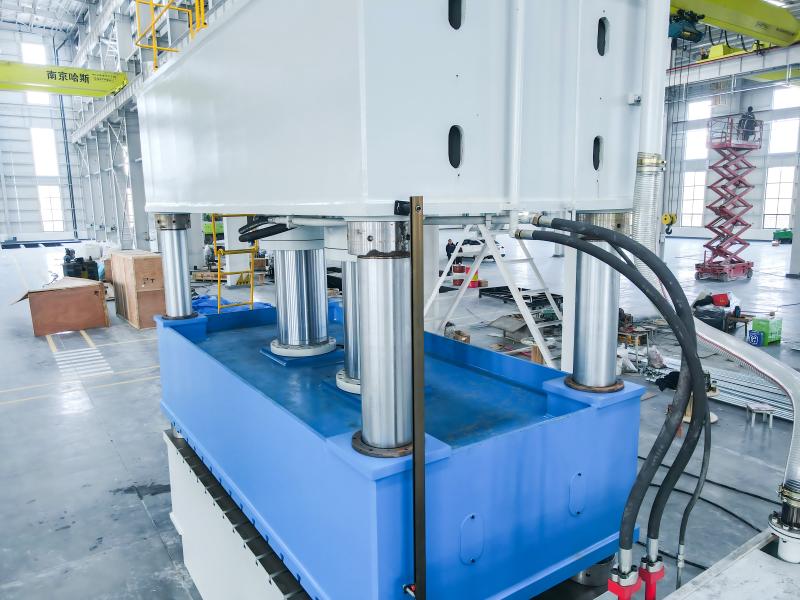
The piston rod is a critical moving component that directly affects cylinder performance. Scratches, corrosion, or surface damage on the rod can quickly damage seals and cause hydraulic oil leakage.
During inspection, check whether the piston rod surface remains smooth and clean. Remove any dust, metal particles, or contaminants that may accelerate wear.
Proper lubrication and a clean working environment help extend piston rod service life.
Step 3: Inspect Hydraulic Seals and Replace Worn Components
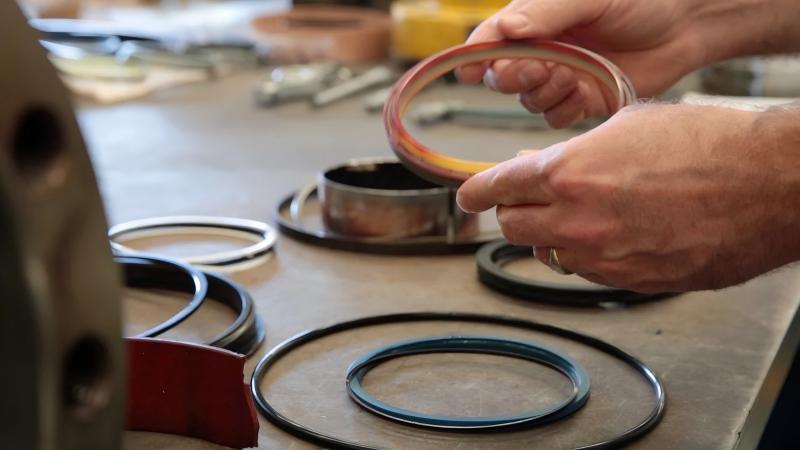
Hydraulic seals maintain pressure inside the cylinder and prevent oil leakage. Over time, seals may become hardened, cracked, or deformed due to pressure, temperature changes, and oil contamination.
I recommend checking seal conditions during scheduled maintenance. Replacing worn seals at the right time prevents internal leakage and maintains stable hydraulic pressure.
Using high-quality seals compatible with the hydraulic oil type can significantly improve reliability.
Step 4: Check Hydraulic Oil Quality
Clean hydraulic oil is essential for protecting cylinder components. Contaminated oil can cause abrasion, valve problems, and accelerated seal wear.
Regularly inspect oil color, viscosity, and contamination levels. If the oil contains metal particles, moisture, or other impurities, it should be filtered or replaced according to manufacturer recommendations.
Maintaining proper hydraulic oil quality is a key part of effective cylinder maintenance.
Step 5: Monitor Cylinder Movement and Performance
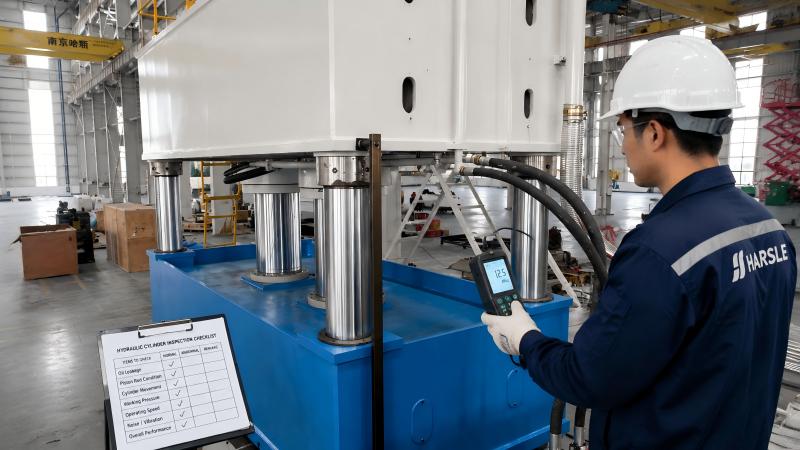
Abnormal cylinder movement often indicates potential problems. Operators should pay attention to slow movement, vibration, uneven operation, or unusual sounds during pressing cycles.
These symptoms may be caused by air inside the hydraulic system, insufficient oil flow, seal damage, or hydraulic pressure problems.
Early detection allows maintenance teams to solve problems before they affect production.
Step 6: Check Cylinder Alignment and Mounting Conditions
Proper alignment is important for reducing mechanical stress on the cylinder. Misalignment can create uneven loading, increasing wear on seals, piston rods, and mounting components.
Regularly inspect cylinder mounting points, bolts, and connection structures. Ensure all components remain properly tightened and aligned according to technical requirements.
Best Practices for Long-Term Hydraulic Press Cylinder Performance
Establish a Regular Inspection Schedule
A preventive maintenance schedule helps ensure that cylinder problems are identified early. I recommend creating inspection plans based on operating hours, production conditions, and machine workload.
Regular checks should include oil leakage inspection, seal condition, piston rod surface condition, and hydraulic system performance.
Utrzymuj układ hydrauliczny w czystości
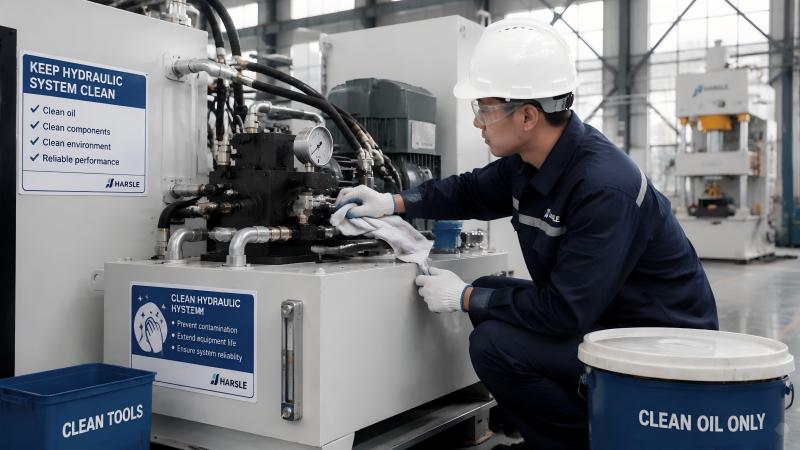
Cleanliness has a direct impact on cylinder reliability. Dust, metal particles, and contaminated hydraulic oil can damage internal components and shorten service life.
During maintenance, always use clean tools and prevent foreign materials from entering the hydraulic system.
Maintain Proper Operating Conditions
Avoid operating hydraulic presses beyond their rated capacity. Excessive pressure and overload conditions can accelerate cylinder wear and cause premature failure.
Following manufacturer operating guidelines helps protect the cylinder and improves overall machine reliability.
Keep Maintenance Records
Recording maintenance activities helps track cylinder performance and identify recurring issues. Maintenance records should include inspections, seal replacements, oil changes, and repair history.
These records provide valuable information for planning future maintenance activities.
Często zadawane pytania
How often should I perform Hydraulic Press Cylinder Maintenance?
Maintenance frequency depends on machine usage, working environment, and operating conditions. Regular inspections should be performed according to manufacturer recommendations and production requirements.
What are the signs of a hydraulic press cylinder failure?
Common signs include oil leakage, slow cylinder movement, reduced pressing force, abnormal noise, unstable pressure, and uneven operation.
Why does a hydraulic press cylinder leak oil?
Oil leakage is usually caused by worn seals, damaged piston rods, excessive pressure, contaminated oil, or improper maintenance.
Can hydraulic oil contamination damage the cylinder?
Yes. Contaminated hydraulic oil can damage seals, increase internal wear, and reduce cylinder performance over time.
Wniosek
Właściwy Hydraulic Press Cylinder Maintenance is essential for maintaining reliable hydraulic press operation and extending equipment lifespan. By regularly inspecting oil leakage, checking piston rods, maintaining seals, monitoring hydraulic oil quality, and keeping proper maintenance records, operators can prevent unexpected failures and improve production efficiency.
A well-maintained cylinder ensures stable pressing force, accurate operation, and reduced downtime. For more technical guidance or professional support on hydraulic press maintenance, feel free to contact our team for expert assistance.


