


Prasa hydrauliczna Components Lubrication is a critical maintenance practice that helps maintain smooth movement, reduce wear, and extend equipment lifespan during industrial hydraulic press operations. Proper lubrication prevents excessive friction, overheating, and premature component failure, ensuring stable machine performance and reliable production. If you want to improve hydraulic press reliability and learn the correct lubrication methods for key components, you are in the right place. In this article, I’ll explain how to select suitable lubricants, identify important lubrication points, and establish effective maintenance procedures to keep your hydraulic press operating efficiently.
Zrozumienie znaczenia Prasa hydrauliczna Components Lubrication
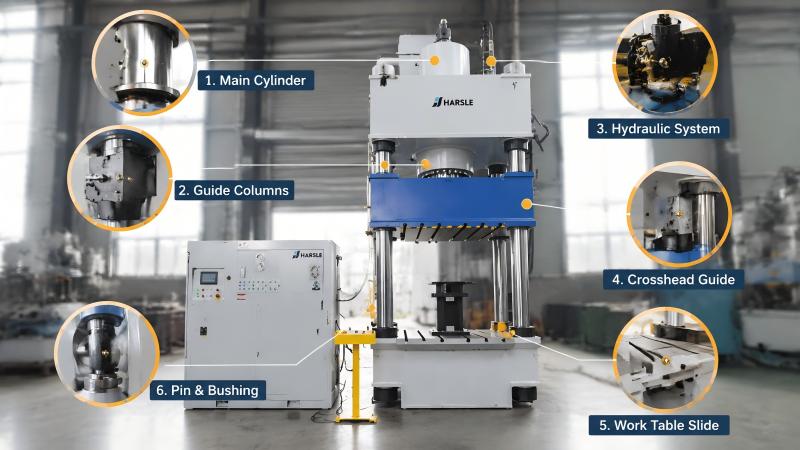
Why Proper Lubrication Matters for Hydraulic Presses
A hydraulic press contains many moving and load-bearing components that operate under high pressure and continuous stress. Without proper lubrication, friction between metal surfaces can increase, causing accelerated wear, higher operating temperatures, and reduced machine accuracy.
Skuteczny Hydraulic Press Component Lubrication creates a protective film between contacting surfaces, allowing components to move smoothly while reducing mechanical losses. Regular lubrication also helps prevent unexpected downtime and lowers long-term maintenance costs.
Components That Require Regular Lubrication
Different hydraulic press components have different lubrication requirements. Common areas that require attention include guide rails, sliding surfaces, bearings, pins, bushings, mechanical linkages, and other moving connections.
Although the hydraulic oil itself provides lubrication inside the hydraulic system, external mechanical parts often require additional grease or lubricants to maintain optimal performance.
How to Lubricate Hydraulic Press Components Step by Step
Step 1: Identify All Lubrication Points
Before applying any lubricant, I recommend creating a complete lubrication checklist based on the machine structure and manufacturer guidelines.
Inspect important areas such as sliding guides, connecting pins, bearings, moving joints, and mechanical contact surfaces. Understanding where lubrication is required helps prevent missed points and ensures consistent maintenance.
Step 2: Select the Correct Lubricant Type
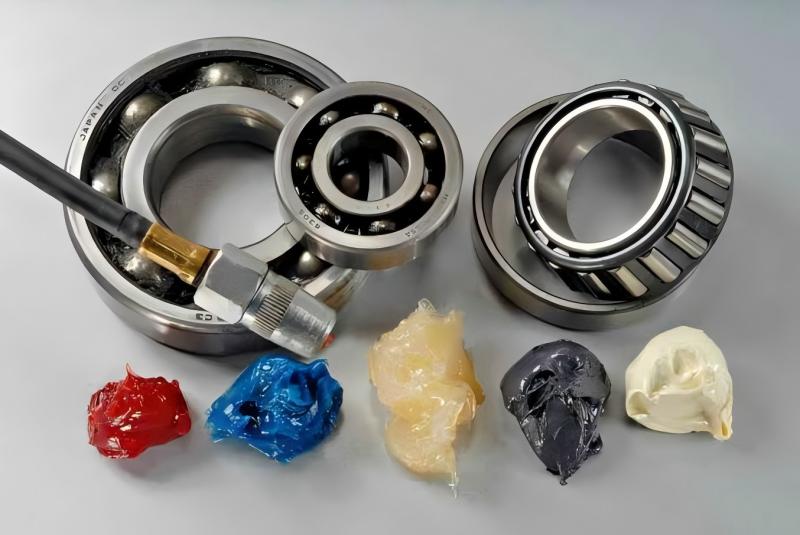
Choosing the correct lubricant is essential for effective protection. Different components may require different products depending on operating speed, temperature, pressure, and working environment.
For example, high-load moving parts often require heavy-duty grease, while precision sliding components may need specialized lubricating oils. Using the wrong lubricant can reduce performance and attract dust or contaminants.
Step 3: Clean Components Before Lubrication
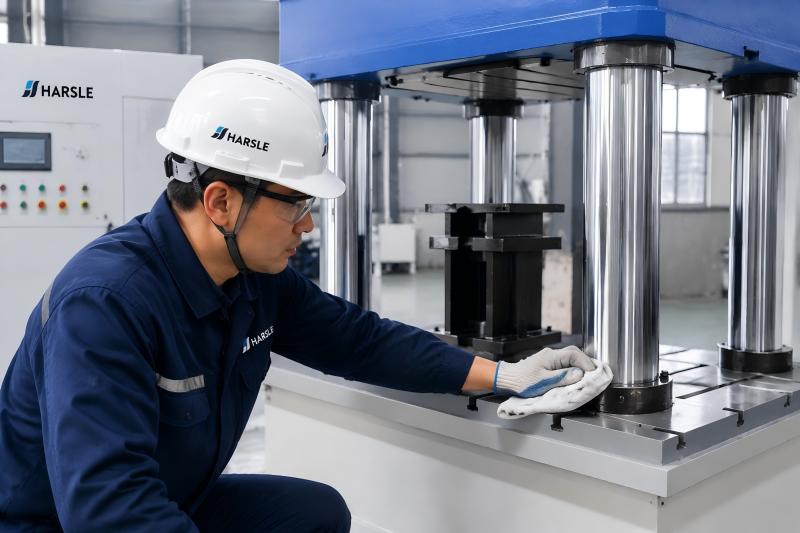
Before applying new lubricant, always clean the lubrication areas. Dust, metal particles, and old degraded grease can reduce lubrication effectiveness.
I recommend removing old grease and contaminants using proper cleaning tools. A clean surface allows fresh lubricant to create a better protective layer and improves component service life.
Step 4: Apply the Proper Amount of Lubricant
Applying too little lubricant can increase friction, while excessive lubrication can attract contaminants and create unnecessary buildup.
Apply lubricant evenly according to the component requirements. For grease points, ensure sufficient coverage without overfilling. For oil lubrication points, maintain the correct quantity to avoid leakage or insufficient protection.
Step 5: Inspect Components During Lubrication
Lubrication is also an opportunity to inspect component conditions. While applying lubricant, check for abnormal wear, cracks, looseness, vibration marks, or unusual noise.
Early detection of these problems allows operators to perform repairs before failures occur. Combining lubrication with routine inspection improves overall maintenance efficiency.
Step 6: Establish a Regular Lubrication Schedule
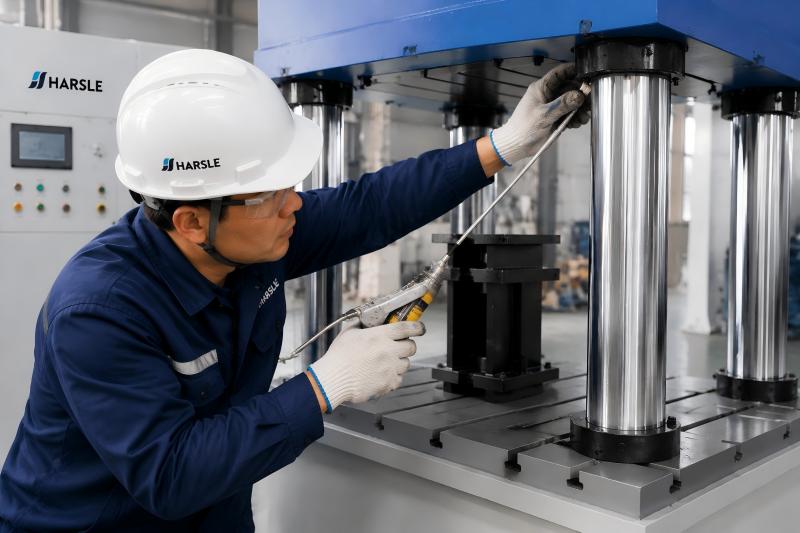
A consistent maintenance schedule is essential for long-term hydraulic press performance. The lubrication frequency depends on machine workload, operating environment, and component type.
Machines operating under heavy loads or in dusty environments may require more frequent lubrication. Following a structured schedule helps maintain stable operation and prevents unnecessary component damage.
Best Practices for Effective Hydraulic Press Component Lubrication
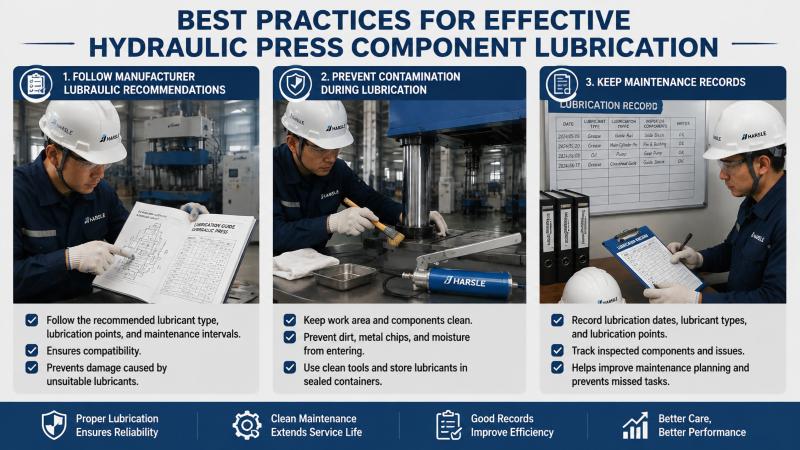
Follow Manufacturer Lubrication Recommendations
Every hydraulic press has different design characteristics and lubrication requirements. Always follow the manufacturer’s recommendations regarding lubricant type, lubrication points, and maintenance intervals.
Following proper guidelines ensures compatibility and prevents damage caused by unsuitable lubricants.
Prevent Contamination During Lubrication
Clean lubrication practices are essential in industrial environments. Dirt, metal chips, and moisture can reduce lubricant performance and accelerate component wear.
Keep lubrication tools clean and store lubricants in sealed containers to prevent contamination before use.
Keep Maintenance Records
Recording lubrication activities helps track machine conditions and identify maintenance trends. Records should include lubrication dates, lubricant types, inspected components, and any issues discovered.
These records help maintenance teams improve planning and prevent missed lubrication tasks.
Common Problems Caused by Poor Lubrication
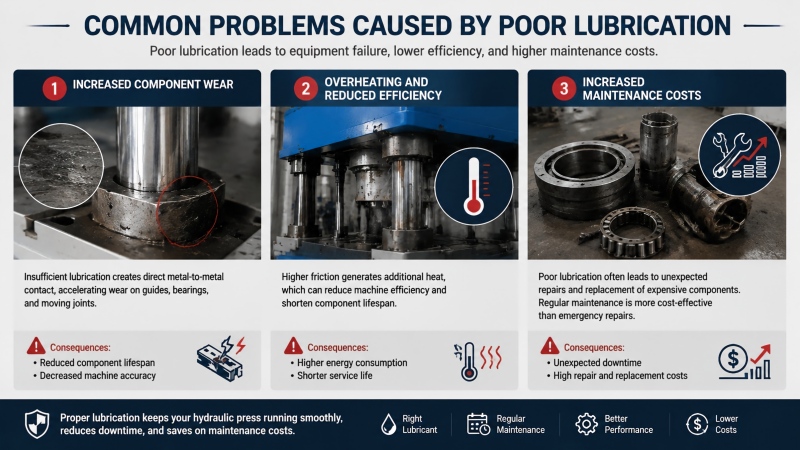
Increased Component Wear
Insufficient lubrication creates direct metal-to-metal contact, accelerating wear on guides, bearings, and moving joints.
Overheating and Reduced Efficiency
Higher friction generates additional heat, which can reduce machine efficiency and shorten component lifespan.
Increased Maintenance Costs
Poor lubrication often leads to unexpected repairs and replacement of expensive components. Regular maintenance is more cost-effective than emergency repairs.
Często zadawane pytania
How often should I perform Hydraulic Press Components Lubrication?
The lubrication interval depends on machine usage, operating conditions, and manufacturer recommendations. High-load applications usually require more frequent inspections and lubrication.
What lubricant should I use for hydraulic press components?
The correct lubricant depends on the specific component. Always select lubricants recommended by the machine manufacturer to ensure proper performance.
Can excessive lubrication damage hydraulic press components?
Yes. Too much lubricant can attract dust and contaminants, causing buildup and reducing component performance.
Wniosek
Właściwy Hydraulic Press Components Lubrication is essential for maintaining machine reliability, reducing wear, and extending equipment service life. By identifying lubrication points, selecting suitable lubricants, applying the correct amount, and following a regular maintenance schedule, operators can keep hydraulic presses running smoothly.
A well-maintained lubrication system improves machine performance, reduces unexpected downtime, and lowers overall operating costs. For more technical guidance or professional support on hydraulic press maintenance, feel free to contact our team for expert assistance.


