


Safety is crucial when operating a pressa piegatrice, as the machine’s powerful forces and moving parts can pose risks to operators. Proper safety fencing is essential to protect workers and ensure compliance with safety regulations. In this article, I’ll guide you through setting up safety fencing for press brake operations. This includes selecting the right type of fencing, installing it securely, and integrating safety features like light curtains and sensors. Regular inspection and maintenance are key to ensuring the fencing remains effective. Proper setup not only enhances safety but also ensures a secure and productive workspace.
Step 1: Assess the Machine’s Safety Requirements
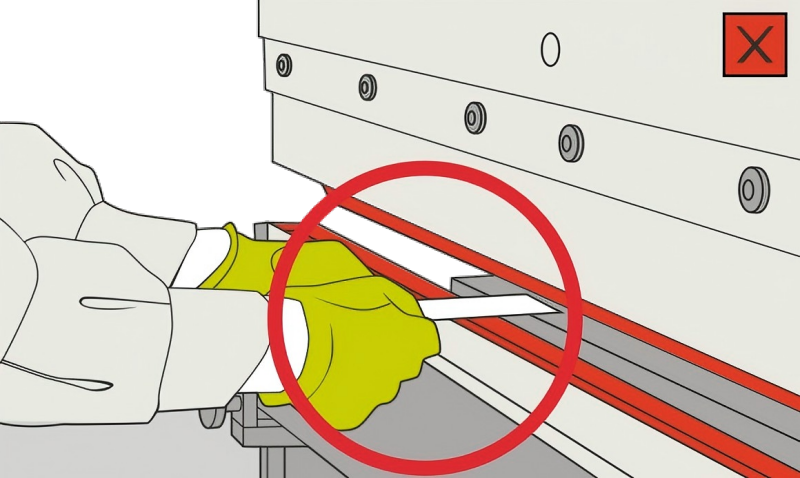
Before setting up the safety fencing, evaluate the machine’s operational limits and safety guidelines. Review the manufacturer’s manual for specific safety recommendations and regulatory requirements. This will help determine the proper height, material, and location of the fencing.
Considerazioni chiave:
- Height of the fence should be sufficient to prevent any access to the moving parts during operation.
- Material choice should be sturdy and able to withstand any impact that could occur during operation.
- Placement of fencing should ensure that it surrounds the working area while allowing operators to safely monitor and control the machine.
Step 2: Select the Right Type of Safety Fencing
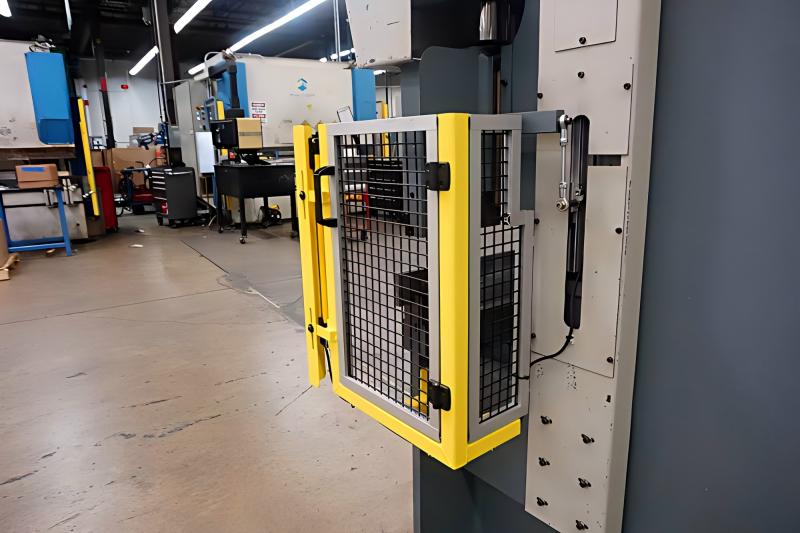
There are different types of safety fences designed for pressa piegatrices, including solid, mesh, or transparent fences. Each type offers different levels of visibility and protection, and the choice will depend on the specific application and regulatory requirements.
Types of Safety Fencing:
- Solid Fencing: Provides maximum protection from debris and flying objects but limits visibility into the working area.
- Mesh Fencing: Offers good protection while allowing operators to view the workpiece and machine operation.
- Transparent Fencing: Provides both protection and visibility, allowing for better monitoring without compromising safety.
Step 3: Install the Fencing Properly
Once the type of fencing has been selected, the next step is proper installation. The fence should be securely mounted to prevent accidental displacement. Ensure that the fencing does not obstruct emergency stops, control panels, or essential machine components.
Installation Steps:
- Securely bolt the fencing to the floor or surrounding structure.
- Ensure there is enough clearance for the machine’s full range of motion without interference from the fence.
- Install safety interlocks or sensors to immediately stop the machine if the fence is tampered with or moved.
Step 4: Integrate Safety Features

For added protection, consider integrating additional safety features such as safety light curtains or sensors into the safety fencing system. These devices can detect when an operator enters a hazardous zone and stop the machine’s operation, providing an extra layer of safety.
Features to Consider:
- Safety Light Curtains: Detect the presence of objects or personnel in the danger zone and automatically stop machine operation.
- Safety Sensors: Trigger an emergency stop if the safety fence is opened or bypassed during operation.
Step 5: Regularly Inspect and Maintain the Fencing System

After installation, it’s essential to maintain and inspect the safety fencing regularly. Ensure that there are no gaps, broken sections, or faults in the fencing system. Check the condition of safety interlocks and sensors to ensure they function properly.
Maintenance Checklist:
- Inspect the fence for any physical damage.
- Test safety interlocks and light curtains.
- Clean and lubricate any moving parts of the safety system to ensure smooth operation.
Domande frequenti
How often should I inspect the safety fencing for my press brake?
Regular inspections should be performed every month, with additional checks conducted after any maintenance or adjustments to the machine.
Can I bypass the safety fencing to work on the machine?
No, the safety fence should never be bypassed during machine operation. Always ensure that the machine is properly secured and the safety system is in place before operating.
What happens if the safety fencing system fails?
If the safety fencing system fails, immediately stop the machine and repair or replace the damaged components before resuming operation.
Conclusione
Setting up proper safety fencing is a crucial step in ensuring the safety of operators and maintaining compliance with regulations. By following the steps outlined in this guide, you can create a safe and secure working environment for press brake operations. Remember to choose the right fencing type, install it properly, integrate safety features, and conduct regular maintenance to ensure continuous protection.
If you need further guidance or have specific questions, feel free to contact us for assistance. We’re here to help you keep your workplace safe and your machines running efficiently.


