


Prasa hydrauliczna Component Wear is one of the main factors affecting machine reliability, production efficiency, and maintenance costs in industrial hydraulic pressing operations. When hydraulic press components experience excessive wear, problems such as reduced pressing force, unstable operation, oil leakage, and unexpected downtime may occur. If you want to extend component service life and improve hydraulic press performance, you are in the right place. In this article, I’ll explain the main causes of component wear and provide practical maintenance methods to help reduce wear on hydraulic press systems and keep your equipment operating efficiently.
Zrozumienie Prasa hydrauliczna Component Wear
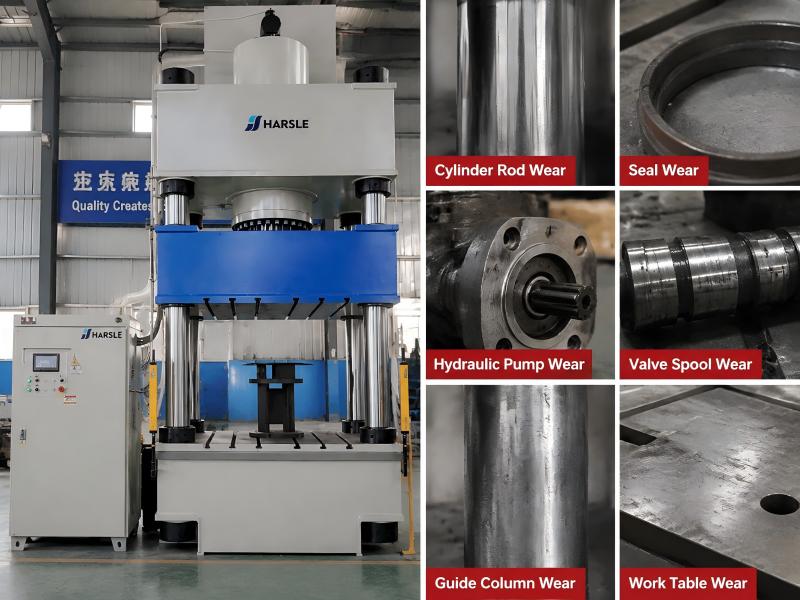
Why Hydraulic Press Components Wear Over Time
A hydraulic press works under high pressure and repeated mechanical loads, which naturally creates stress on critical components. Hydraulic cylinders, pumps, valves, seals, guide parts, and other mechanical elements are constantly exposed to friction, pressure fluctuations, contamination, and temperature changes.
Although some wear is unavoidable, excessive Hydraulic Press Component Wear usually indicates problems such as insufficient lubrication, poor maintenance practices, contaminated hydraulic oil, or incorrect operating conditions.
By understanding the causes of wear, operators can take preventive actions instead of waiting for failures to happen.
Common Components Affected by Wear
Several key parts of a hydraulic press require regular attention:
- Hydraulic pumps affected by contamination and insufficient lubrication
- Hydraulic valves affected by dirty oil and internal erosion
- Cylinder seals affected by pressure and friction
- Guide components affected by misalignment and poor lubrication
- Hydraulic hoses affected by aging and pressure cycles
Monitoring these components helps identify early signs of deterioration and prevents major equipment failures.
How to Reduce Hydraulic Press Component Wear Effectively
Step 1: Maintain Clean Hydraulic Oil Quality
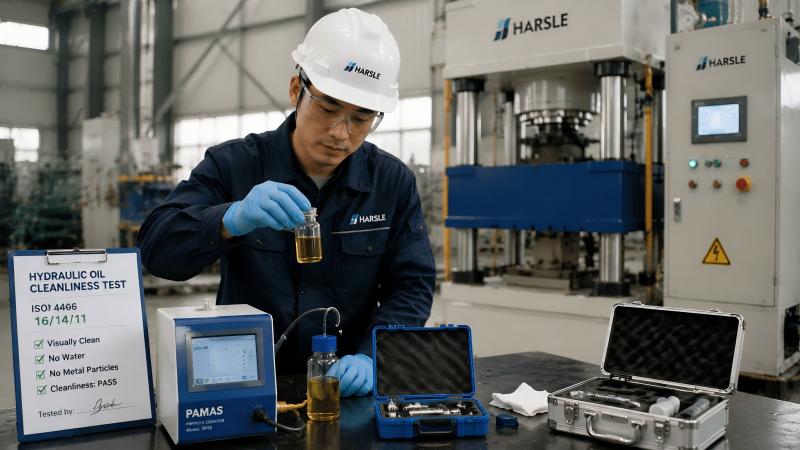
Hydraulic oil cleanliness has a direct impact on component service life. Contaminated oil contains particles that can damage pumps, valves, seals, and precision hydraulic components.
I recommend checking hydraulic oil regularly and monitoring contamination levels. Replace hydraulic filters according to operating conditions and manufacturer recommendations.
Clean hydraulic oil reduces friction, improves lubrication performance, and helps prevent premature Hydraulic Press Component Wear.
Operators should also use proper oil storage and filling methods to prevent dust, moisture, and foreign particles from entering the hydraulic system.
Step 2: Perform Regular Hydraulic System Inspections
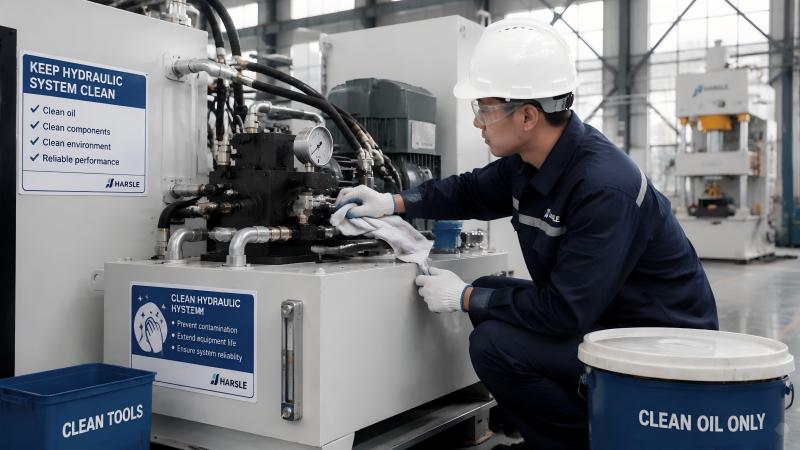
Routine inspections allow maintenance teams to identify early warning signs before components fail.
During inspections, I recommend checking:
- Hydraulic oil leakage
- Abnormal machine noise
- Pressure stability
- Cylinder movement performance
- Valve response
- Hose and fitting conditions
Small problems such as minor leaks or unusual vibration should not be ignored. Early repairs can prevent more serious damage and reduce maintenance costs.
Step 3: Ensure Proper Lubrication of Moving Components
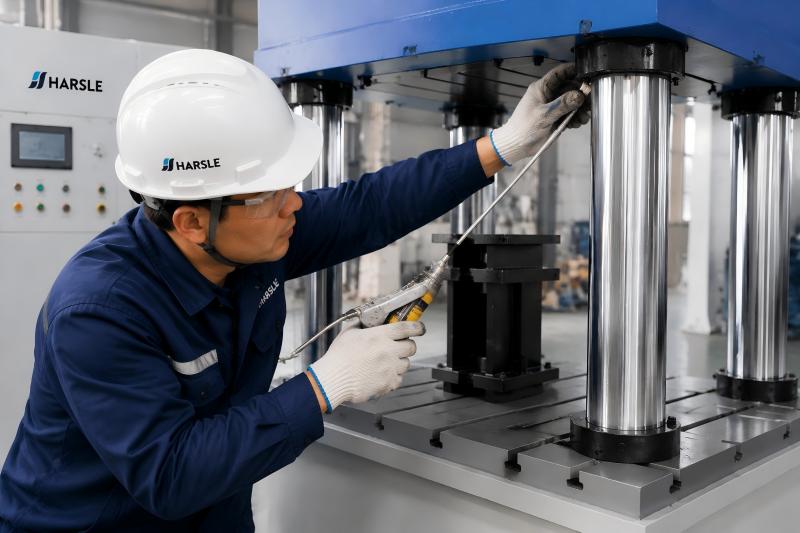
Lubrication plays an important role in reducing friction between moving parts. Without sufficient lubrication, mechanical components experience increased wear and heat generation.
I recommend following a regular lubrication schedule for guide rails, sliding surfaces, and other moving components based on machine requirements.
Using the correct lubricant type is also important. Incorrect lubricants may not provide enough protection under high loads or high-temperature operating conditions.
Step 4: Control Hydraulic System Operating Temperature
Excessive temperature accelerates oil degradation and increases wear on hydraulic components. High temperatures reduce oil viscosity, weaken lubrication performance, and damage seals.
I always recommend monitoring hydraulic oil temperature during operation. If temperatures become unusually high, check cooling systems, oil quality, pressure settings, and possible internal leakage.
Maintaining proper operating temperature helps extend the service life of pumps, valves, cylinders, and seals.
Step 5: Avoid Overloading the Hydraulic Press
Operating a hydraulic press beyond its rated capacity creates unnecessary stress on major components.
Excessive loads can accelerate wear on hydraulic pumps, cylinders, frames, and sealing systems. Operators should always follow the recommended working range and avoid repeated overload conditions.
Proper operation not only reduces component wear but also improves machine safety and production stability.
Step 6: Replace Worn Parts Before Failure Occurs
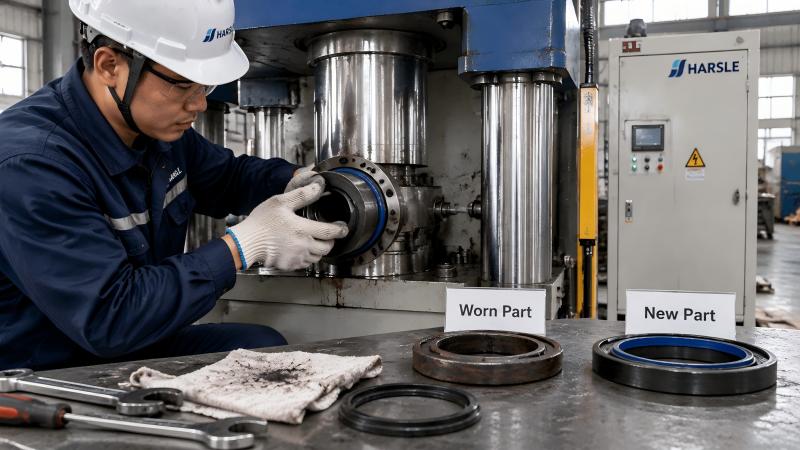
Waiting until a component completely fails can lead to additional damage to surrounding systems.
For example, a worn hydraulic seal may cause oil leakage and reduce cylinder efficiency. A damaged valve may affect pressure control and increase stress on other components.
I recommend replacing worn parts based on inspection results, operating hours, and manufacturer guidelines. Preventive replacement is usually more cost-effective than emergency repairs.
Best Practices for Long-Term Hydraulic Press Component Reliability
Ustal harmonogram konserwacji zapobiegawczej
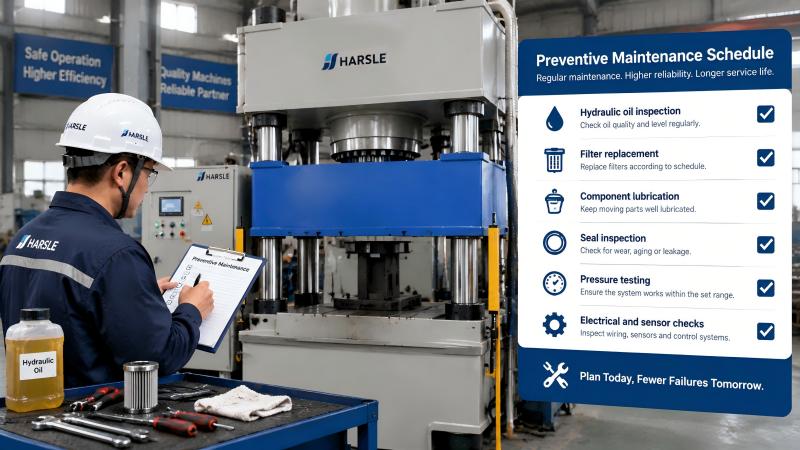
A structured maintenance plan helps reduce unexpected failures and keeps hydraulic presses performing consistently.
The schedule should include:
- Hydraulic oil inspection
- Filter replacement
- Component lubrication
- Seal inspection
- Pressure testing
- Electrical and sensor checks
Regular maintenance reduces wear and allows operators to detec t problems earlier.
Train Operators on Correct Machine Operation
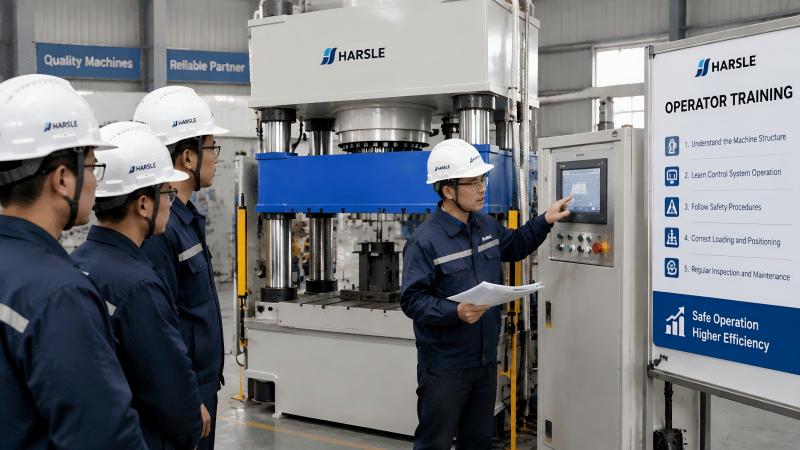
Operator habits directly affect component lifespan. Incorrect operation, sudden loading, or ignoring warning signals can accelerate wear.
I recommend training operators to understand machine limits, recognize abnormal conditions, and report problems immediately.
Proper operation reduces unnecessary stress on hydraulic components and improves overall equipment reliability.
Prowadź szczegółowe zapisy konserwacji
Maintenance records provide valuable information about machine condition and recurring problems.
Record important information such as:
- Component replacement dates
- Oil changes
- Inspection results
- Repair history
- Abnormal operating conditions
These records help maintenance teams make better decisions and improve long-term equipment management.
Często zadawane pytania
What causes Hydraulic Press Component Wear?
Common causes include contaminated hydraulic oil, insufficient lubrication, excessive pressure, overheating, improper operation, and delayed maintenance.
How can I extend the service life of hydraulic press components?
Regular inspections, clean hydraulic oil, proper lubrication, correct operation, and preventive replacement of worn parts can significantly extend component life.
Which hydraulic press components wear out most often?
Hydraulic seals, valves, pumps, hoses, and guide components are commonly affected by wear due to continuous pressure and mechanical movement.
Can dirty hydraulic oil damage a hydraulic press?
Yes. Contaminated oil can cause valve sticking, pump wear, seal damage, and reduced hydraulic system performance.
Wniosek
Zmniejszenie Hydraulic Press Component Wear requires consistent maintenance, proper operation, and proactive inspection. By maintaining clean hydraulic oil, monitoring system conditions, ensuring proper lubrication, controlling temperature, and replacing worn components before failure, operators can significantly improve machine reliability.
A well-maintained hydraulic press delivers better performance, fewer production interruptions, and longer service life. For more technical support on hydraulic press maintenance and component protection, contact our team for professional guidance and solutions.


