


Shearing machine hydraulic safety depends on regular inspections, correct pressure control, and properly maintained hydraulic components. Hydraulic leaks, damaged hoses, unstable pressure, and faulty valves can lead to machine malfunctions, unexpected movement, or serious safety hazards. In this guide, I’ll explain how to check a shearing machine hydraulic system safely, identify common warning signs, and determine when qualified maintenance personnel are needed. Following these steps helps reduce downtime, protect operators, and maintain reliable cutting performance.
Why Is Shearing Machine Hydraulic Safety Important?
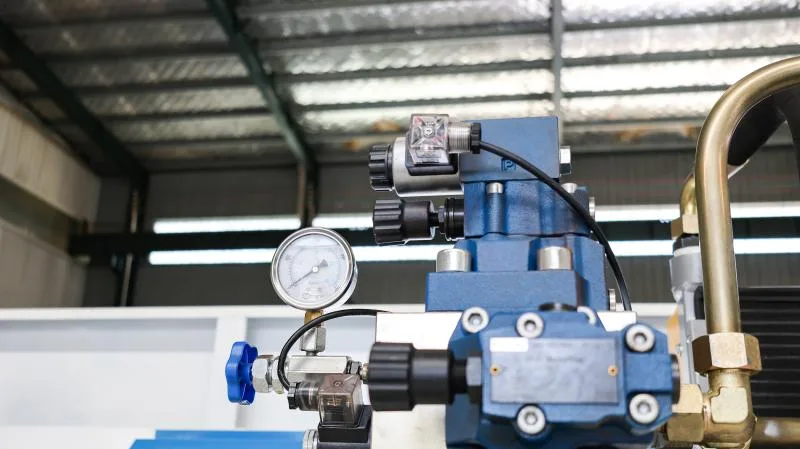
The hydraulic system supplies the force needed to drive the cutting mechanism and operate components such as hold-down cylinders. If a hydraulic component fails, the machine may lose pressure, move unpredictably, or fail to complete a cutting cycle correctly.
Regular hydraulic safety inspections help identify problems before they develop into equipment damage or workplace accidents. Operators should perform routine visual checks, while pressure testing, valve adjustment, and internal hydraulic repairs should be handled by qualified technicians.
How to Check Shearing Machine Hydraulic Safety Step by Step
Step 1: Shut Down the Machine and Prepare the Work Area
Before inspecting hydraulic components, stop the machine and follow the manufacturer’s shutdown procedure. Isolate and lock out all relevant energy sources according to the site’s lockout/tagout requirements. Never rely solely on the emergency stop button to make the machine safe.
Allow hot components to cool and ensure that the cutting beam and other moving parts are securely supported where required by the manufacturer’s procedure. Keep the inspection area clean, dry, and free from obstacles.
Step 2: Inspect Hydraulic Hoses and Connections for Leaks
Examine visible hydraulic hoses, fittings, pipes, and connection points for oil leakage, cracks, abrasion, corrosion, bulging, or loose supports. Pay particular attention to areas near cylinders, valves, and the hydraulic power unit.
Even a small leak can indicate a developing problem. Never use your hands to search for a hydraulic leak because high-pressure fluid can penetrate the skin and cause a serious injection injury. If a leak is suspected, isolate the system and have qualified personnel inspect it using appropriate methods.
Step 3: Check Hydraulic Oil Level and Condition
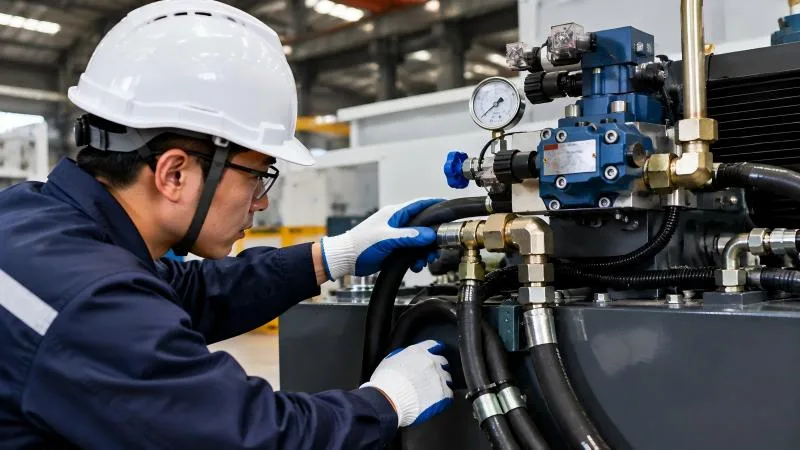
Verify that the hydraulic oil level is within the range specified by the manufacturer. Check the oil’s appearance for unusual discoloration, foaming, cloudiness, or visible contamination where the inspection method permits.
Insufficient or contaminated oil can contribute to overheating, unstable pressure, poor lubrication, and premature component wear. If the oil condition is questionable, investigate the cause before replenishing or replacing it. Always use the specified hydraulic oil grade and follow the recommended maintenance schedule.
Step 4: Verify Hydraulic Pressure and Relief Valve Operation
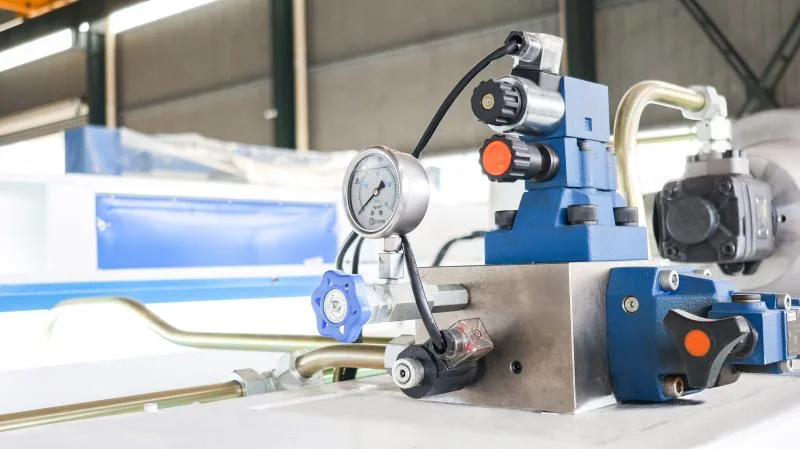
Check the pressure gauge and any available system diagnostics for abnormal readings during approved operating tests. Compare the readings with the machine’s technical documentation rather than relying on a generic pressure value.
Excessive pressure may indicate an incorrect setting, a blocked flow path, or a malfunctioning pressure-control component. Low or fluctuating pressure may result from leakage, pump wear, or valve problems.
Do not adjust the main relief valve without the necessary training, instruments, and manufacturer-approved procedure. Incorrect adjustment can compromise machine safety and damage hydraulic components.
Step 5: Inspect Cylinders and Hold-Down Components
Look for oil leakage around cylinder seals, damaged rod surfaces, loose mounting hardware, and uneven movement. Check that the hold-down components appear secure and that no visible damage could affect their operation.
During an authorized functional test, observe whether the machine moves smoothly and whether the hold-downs secure the material as intended. Stop the machine if you notice unusual movement, abnormal noise, or inconsistent clamping force.
Never reach into the blade area or attempt to inspect moving components while the machine is operating.
Step 6: Check Hydraulic Filters and Cooling Components
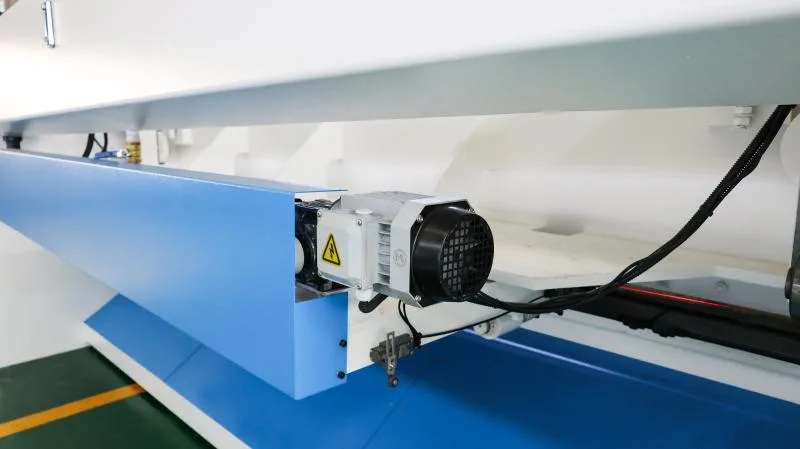
Inspect accessible filter indicators, oil cooler surfaces, cooling fans, and ventilation openings. A clogged filter can restrict flow, while inadequate cooling may cause oil temperature to rise and affect hydraulic performance.
Replace filters according to the manufacturer’s maintenance schedule and investigate any filter-clogging warning. Remove dust and debris from accessible cooling surfaces only after the equipment has been safely isolated.
Common Hydraulic Safety Problems to Watch For
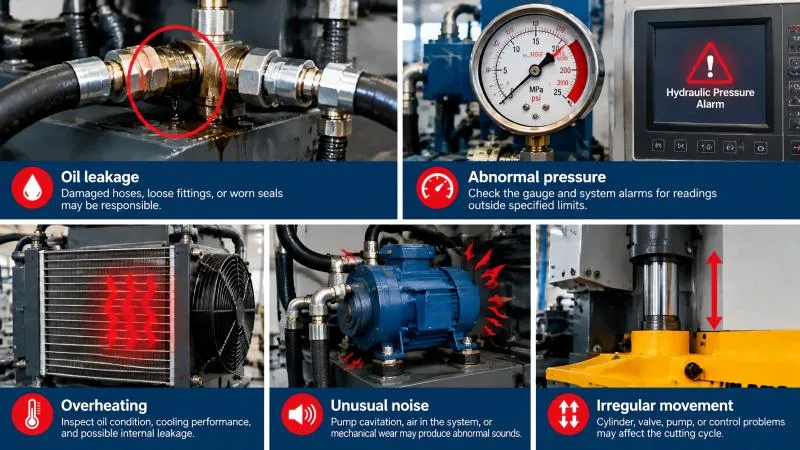
The following warning signs require attention:
- Oil leakage: Damaged hoses, loose fittings, or worn seals may be responsible.
- Abnormal pressure: Check the gauge and system alarms for readings outside specified limits.
- Overheating: Inspect oil condition, cooling performance, and possible internal leakage.
- Unusual noise: Pump cavitation, air in the system, or mechanical wear may produce abnormal sounds.
- Irregular movement: Cylinder, valve, pump, or control problems may affect the cutting cycle.
If any warning sign appears, stop the machine when safe to do so, isolate it, and report the problem. Do not resume production until the cause has been assessed and the machine is confirmed safe.
FAQs
How Often Should I Check Shearing Machine Hydraulic Safety?
Perform visual safety checks before operation and conduct more detailed inspections according to the manufacturer’s maintenance schedule. Inspection frequency should also reflect operating hours, workload, machine age, and previous faults.
Can I Check a Hydraulic Leak While the Machine Is Running?
Stop the machine safely and follow the site’s isolation procedure. Have a qualified hydraulic technician check the pressure readings, relief valve, and relevant components before restarting. Never increase or decrease pressure settings without authorization.
What Should I Do if Hydraulic Pressure Is Too High?
Stop the machine safely and follow the site’s isolation procedure. Have a qualified hydraulic technician check the pressure readings, relief valve, and relevant components before restarting. Never increase or decrease pressure settings without authorization.
Conclusion
Maintaining shearing machine hydraulic safety requires systematic checks of hoses, connections, oil condition, pressure controls, cylinders, and cooling components. By following the manufacturer’s inspection procedures and addressing warning signs promptly, operators can help prevent hydraulic failures and maintain reliable production.


