


Protective shields on freios de prensa are critical for ensuring worker safety by preventing accidents caused by moving parts. If you’re unsure how to inspect these shields effectively, this guide will help. In this article, I’ll walk you through the necessary steps for regularly inspecting and maintaining the protective shields on freios de prensa. By identifying wear and tear early, you can ensure that these vital components continue to provide maximum protection, keeping your team safe and extending the lifespan of your press brake. Whether you’re a facility manager or operator, these inspection tips will help you maintain a secure and efficient workplace.
Why Are Protective Shields Important?
Safety Protection for Operators
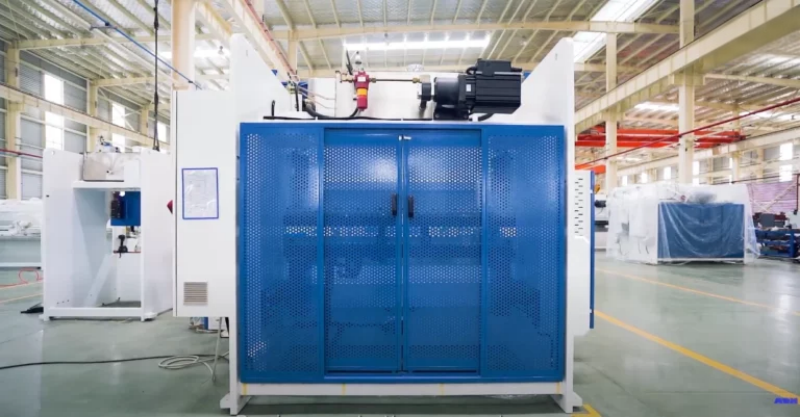
Protective shields are crucial for preventing workers from coming into contact with moving parts, such as the punch, die, and ram. These shields are designed to reduce the risk of injuries from flying debris, hydraulic failures, or accidental machine activation.
Ensuring Machine Longevity
Maintaining protective shields not only ensures the safety of your workers but also contributes to the overall maintenance of your press brake. Proper inspection helps avoid unnecessary damage to the machine and improves its operational lifespan.
Steps for Inspecting Protective Shields on Press Brakes
Step 1: Visual Inspection for Damage
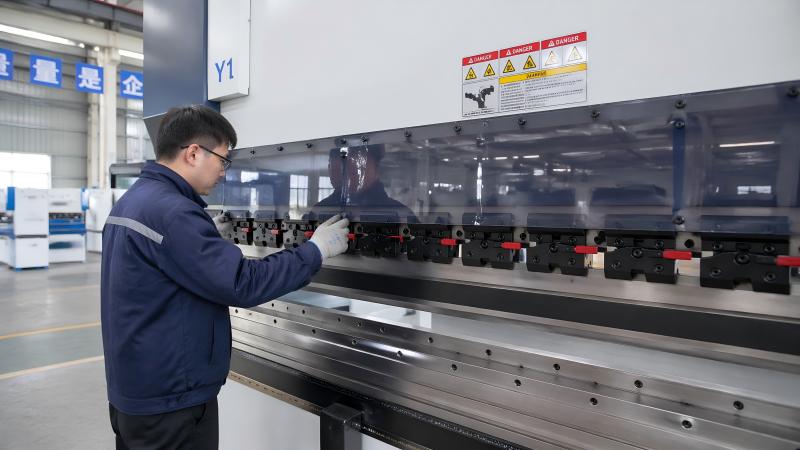
Begin with a detailed visual inspection of the protective shields. Look for any signs of cracks, dents, or other visible damage that might compromise the shield’s structural integrity. Additionally, check for misalignment or gaps where particles, debris, or other hazards could potentially escape, which could put operators at risk during machine operation.
Step 2: Check for Proper Positioning
Make sure the protective shields are securely positioned and properly aligned with the press brake’s moving parts. Any misalignment or looseness can compromise their effectiveness, leading to potential safety risks or interference with the machine’s operation. Proper alignment ensures optimal protection and smooth machine functionality.
Step 3: Examine Mounting Hardware

Check the mounting hardware, including screws, bolts, and brackets, that secure the protective shields. Tighten any loose fasteners and replace any worn or damaged components to ensure the shields stay securely in place during operation. Properly fixed shields are essential for maintaining safety and preventing accidents.
Step 4: Clean the Shields
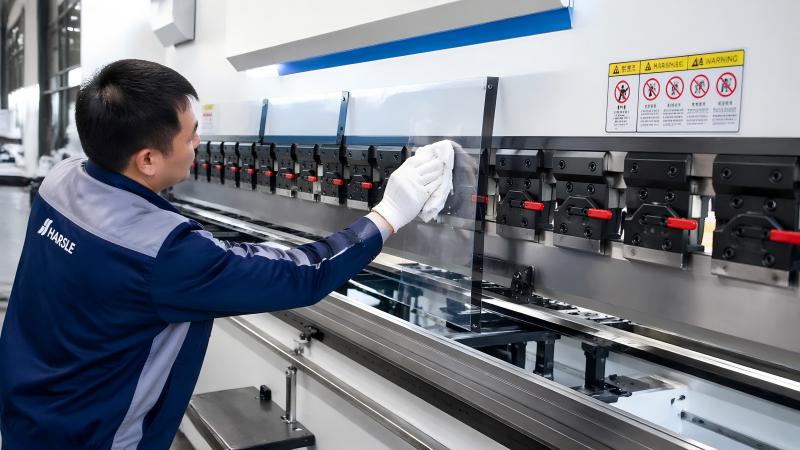
Debris or residue on the protective shields can reduce visibility or hinder the shield’s ability to protect. Clean the shields regularly using non-abrasive materials to maintain their clarity and efficiency. Use appropriate cleaning solutions that won’t damage the shield material.
Step 5: Test for Functionality
Once you’ve confirmed the shields are in good condition, test their functionality. Ensure they move freely without obstructing any moving parts of the press brake. If the shields are adjustable, verify that the adjustment mechanisms operate smoothly and accurately, ensuring proper positioning during operation.
Perguntas frequentes
How often should I inspect protective shields on a press brake?
Protective shields should be inspected regularly, ideally during each machine’s routine maintenance schedule. A minimum of once every 500 operating hours is recommended.
What if the protective shields are damaged?
If any damage is found during inspection, it is crucial to replace or repair the protective shields immediately to avoid compromising operator safety.
Can I use the press brake without protective shields?
No. Operating a press brake without protective shields is dangerous and violates safety regulations. Always ensure the shields are in place before using the machine.
Conclusão
Regular inspection of protective shields on press brakes is essential for maintaining a safe and efficient working environment. By following these steps, you can ensure that your press brake’s shields continue to provide maximum protection and help extend the life of the machine. For more information or assistance with maintenance, feel free to reach out to our team. We’re here to help you ensure safe and optimal press brake operation.


