


Tube Bending for Agricultural Machinery plays a vital role in achieving precision, durability, and long-term reliability in farm equipment manufacturing. In this article, I’ll explore how advanced tube bending techniques enhance the design, strength, and performance of agricultural tools and structures. Whether you’re producing tractor frames, sprayer booms, or irrigation systems, understanding the advantages of tube bending can help you improve production efficiency, lower manufacturing costs, and maintain superior product quality.
How Tube Bending Enhances Agricultural Equipment Design
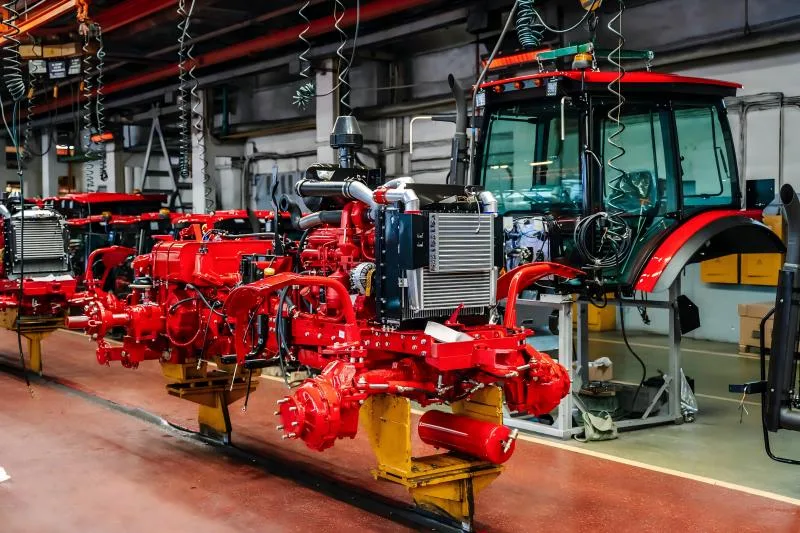
Tube bending allows manufacturers to create smooth curves and complex shapes without welding multiple parts together. This design flexibility is critical in agricultural machinery, where strength, vibration resistance, and material flow are essential.
Improved Structural Integrity
By using continuous bent tubes instead of multiple welded joints, agricultural machinery gains better mechanical strength and fatigue resistance. Bent tubes distribute stress evenly across the structure, reducing the risk of cracks or weak points during heavy-duty use.
Reduced Weight and Material Waste
Precision bending techniques make it possible to minimize excess material use. A properly bent tube replaces several welded sections, leading to lighter yet stronger machinery. This directly improves fuel efficiency and reduces overall production costs.
Enhanced Aesthetic and Functional Design
Tube bending provides smoother lines and more compact designs, improving both the appearance and functionality of farm machines. For example, irrigation systems or fertilizer sprayers with seamless bends allow better fluid flow and easier maintenance.
Key Applications of Tube Bending for Agricultural Machinery
Tractor and Harvester Frames
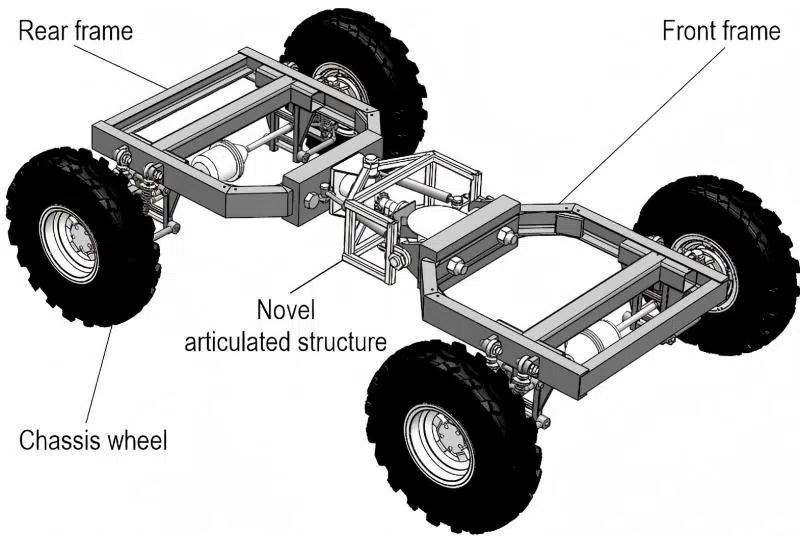
Bent tubes are commonly used in the chassis and protective structures of tractors and harvesters. These components must endure constant vibration and shock in harsh field conditions, and tube bending provides the strength and resilience needed.
Sprayers, Seeders, and Irrigation Systems
The curved frameworks of sprayers and irrigation booms are ideal examples of tube bending applications. The process allows for smooth and consistent pipe flow paths, ensuring optimal fluid distribution during operation.
Safety and Support Structures
Rollover protection systems (ROPS), canopy frames, and operator enclosures are all formed through bending processes. Their rounded corners and reinforced arcs enhance both operator safety and equipment longevity.
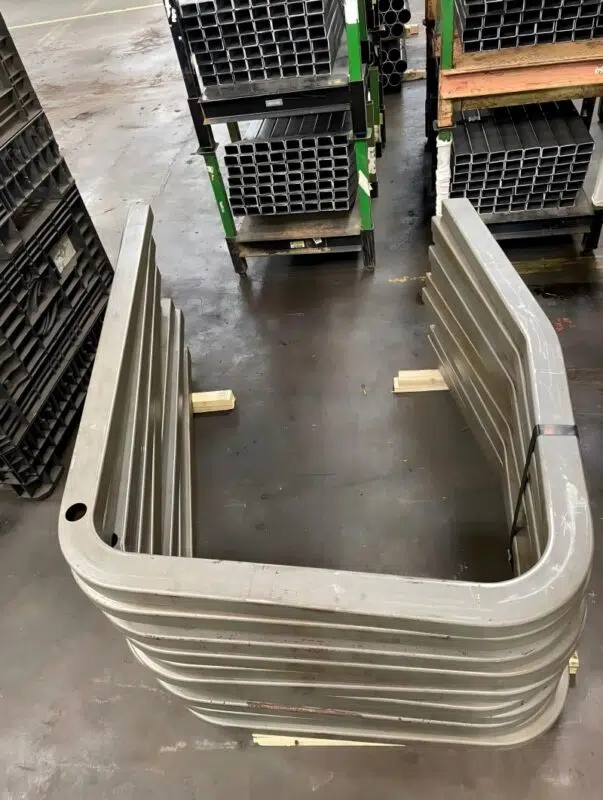
Advantages of Using CNC Tube Bending Machines
Precision and Repeatability
CNC bending ensures every part meets exact design specifications, which is essential for agricultural machinery manufacturers producing components in large quantities.
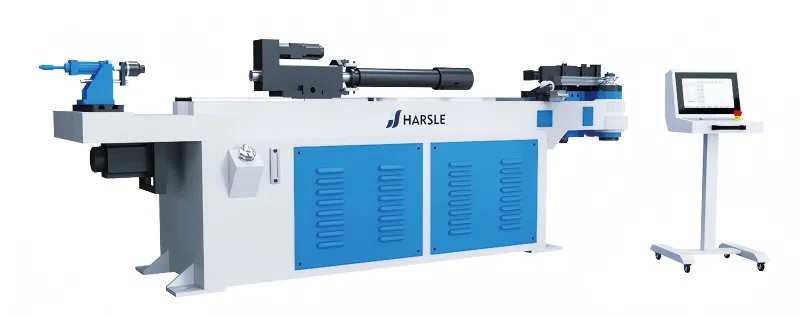
Faster Production and Consistent Quality
Automated tube bending minimizes manual handling, reduces setup time, and delivers consistent bends without defects—helping manufacturers meet tight delivery schedules.
Flexibility for Custom Orders
Modern CNC benders allow quick tooling changes and programming adjustments, making it easy to switch between different product sizes or designs without significant downtime.
Common Tube Bending Materials in Agricultural Equipment
Choosing the right material ensures long-term performance in tough agricultural environments. Carbon steel, stainless steel, and aluminum are the most commonly used. Carbon steel offers high strength, while stainless steel provides corrosion resistance for equipment exposed to fertilizers or water.
Maintenance and Quality Control in Tube Bending
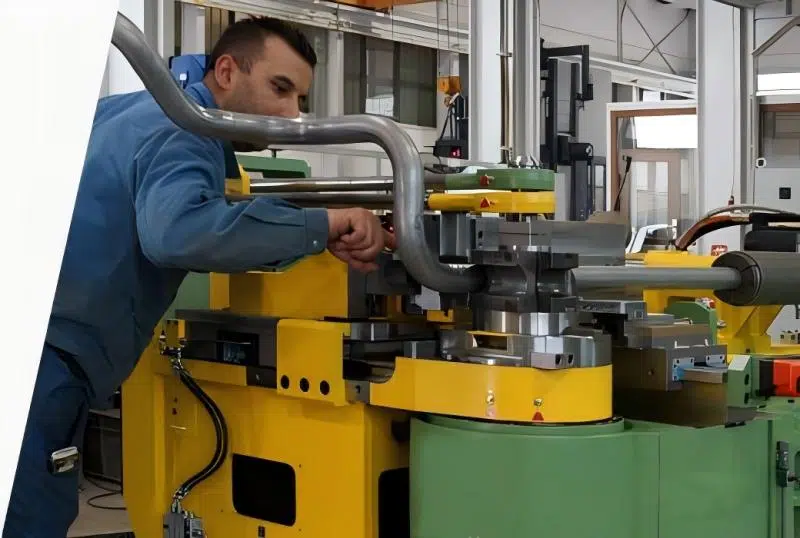
To maintain bending accuracy, it’s essential to keep machines calibrated and clean. Regular inspection of dies, mandrels, and clamps ensures smooth operation and prevents tube deformation. Implementing a strict quality control process, including dimensional inspection and surface checks, guarantees consistent output and long equipment life.
FAQ
Why is tube bending better than welding in agricultural machinery production?
Tube bending eliminates the need for multiple welded joints, reducing potential weak spots and improving structural strength. It also results in cleaner designs with fewer parts, lowering maintenance costs.
What type of tube bending machine is best for agricultural machinery?
CNC tube benders are ideal due to their high precision, repeatability, and ability to handle complex bending angles required for modern machinery designs.
How can I ensure accuracy in bending for agricultural machinery?
Regular machine calibration, using quality materials, and applying proper mandrel support during bending are key to maintaining accuracy and preventing tube distortion.
Conclusion
In agricultural machinery manufacturing, tube bending for agricultural machinery offers clear benefits—stronger structures, lighter designs, reduced welding, and improved production efficiency. By adopting CNC tube bending technology, manufacturers can achieve consistent quality and meet modern design demands with ease.


