


Tube Bender Bolt Maintenance is often the hidden factor behind accuracy loss, abnormal vibration, and unexpected shutdowns in tube bending machines, even though many operators initially blame control systems or tooling wear. In my experience, loose, over-tightened, or neglected bolts can quietly compromise machine stability, bending precision, and long-term reliability. If you’re looking for a clear explanation of the problems caused by poor bolt maintenance and how they affect daily production, you’re in the right place. In this article, I’ll break down the real risks, mechanical consequences, and operational issues linked to inadequate bolt maintenance, helping you protect your tube bender and reduce unnecessary downtime.
Loss of Bending Accuracy Due to Loose Bolts
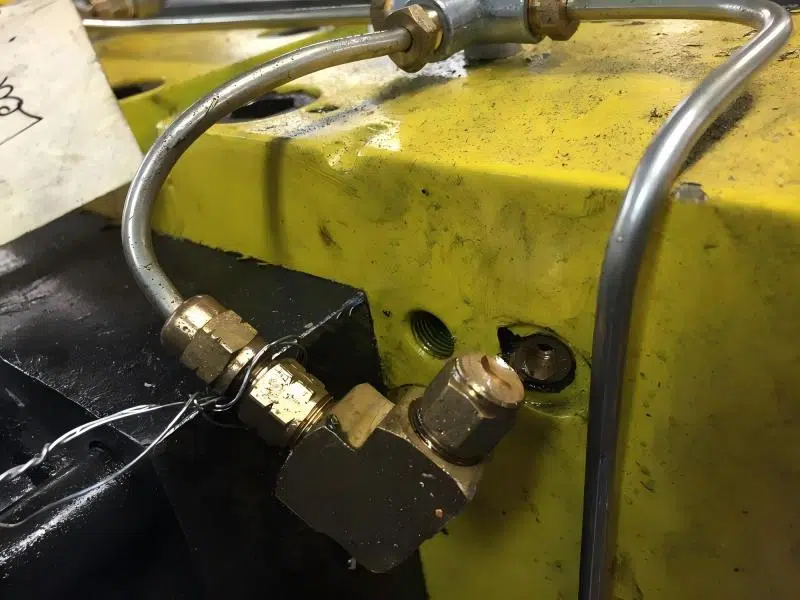
One of the earliest and most common problems caused by poor Tube Bender Bolt Maintenance is a gradual loss of bending accuracy. Tube benders rely on precise alignment between the bending arm, clamping dies, pressure dies, and machine frame. When mounting bolts loosen over time, even by a small amount, these components can shift under load.
Micro-Movements in Critical Components
Loose bolts allow micro-movements during bending cycles, especially when processing thick-wall tubes or high-strength materials. These movements may not be visible to the operator but can lead to inconsistent bend angles, variable radii, and poor repeatability. Over time, operators may compensate by adjusting programs, masking the real mechanical issue and making accuracy problems worse.
Increased Rework and Scrap Rates
As accuracy drifts, parts begin to fall outside tolerance. This results in more rework, increased scrap, and higher material costs. In high-volume production, even small deviations caused by loose bolts can significantly impact overall efficiency and profitability.
Accelerated Wear of Mechanical Components
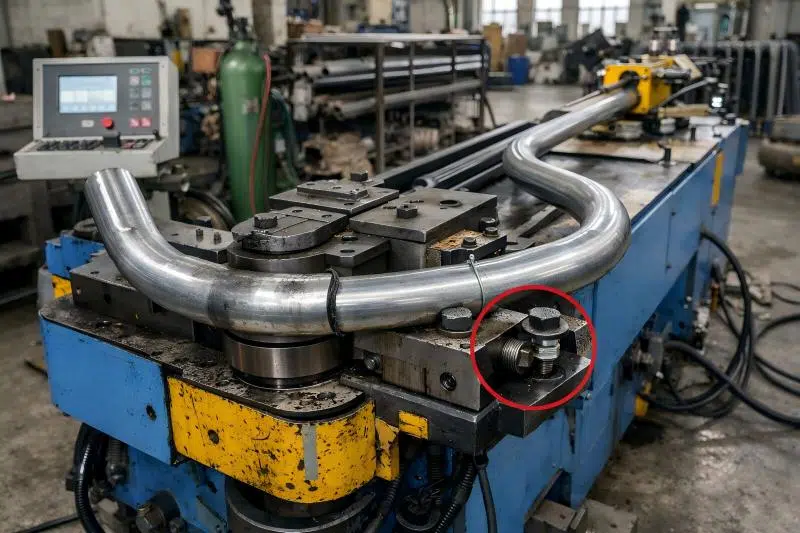
Poor Tube Bender Bolt Maintenance does not only affect accuracy—it also accelerates mechanical wear. When bolts are not properly tightened or inspected, loads are no longer evenly distributed across machine structures.
Uneven Stress on Frames and Joints
Loose fasteners concentrate stress on specific contact points instead of spreading it evenly. This can lead to premature wear of guide rails, bending arms, bearings, and pivot points. Over time, structural fatigue may develop, reducing the service life of major machine components.
Damage Caused by Over-Tightening
Bolt maintenance is not just about tightening; over-tightening is equally dangerous. Excessive torque can stretch bolts, damage threads, or deform mounting surfaces. This weakens the joint and increases the risk of sudden bolt failure during operation.
Increased Vibration and Noise During Operation
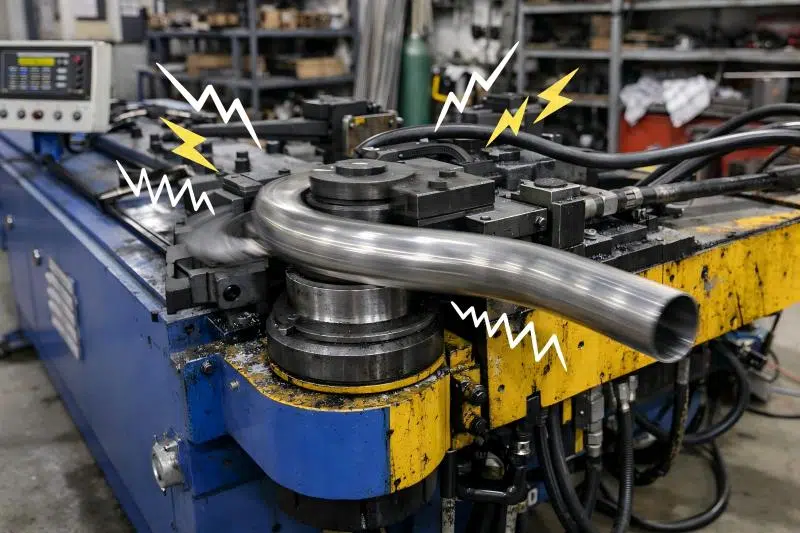
Another clear sign of poor Tube Bender Bolt Maintenance is abnormal vibration and noise. Tube bending machines generate significant dynamic forces, and bolts play a critical role in maintaining structural rigidity.
Vibration Amplification Under Load
Loose bolts allow components to vibrate independently rather than as a unified structure. This vibration can be amplified during high-speed bending cycles or when forming large-diameter tubes. Excessive vibration not only affects part quality but also accelerates wear on electrical components, sensors, and servo systems.
Operator Comfort and Safety Concerns
Increased noise and vibration can also affect operator comfort and safety. Persistent vibration may loosen additional fasteners, creating a chain reaction that worsens machine stability over time.
Higher Risk of Sudden Machine Failure
One of the most serious consequences of neglected Tube Bender Bolt Maintenance is the risk of sudden mechanical failure. Bolts that are not regularly inspected can loosen completely or fail without warning.
Unexpected Downtime and Production Stops
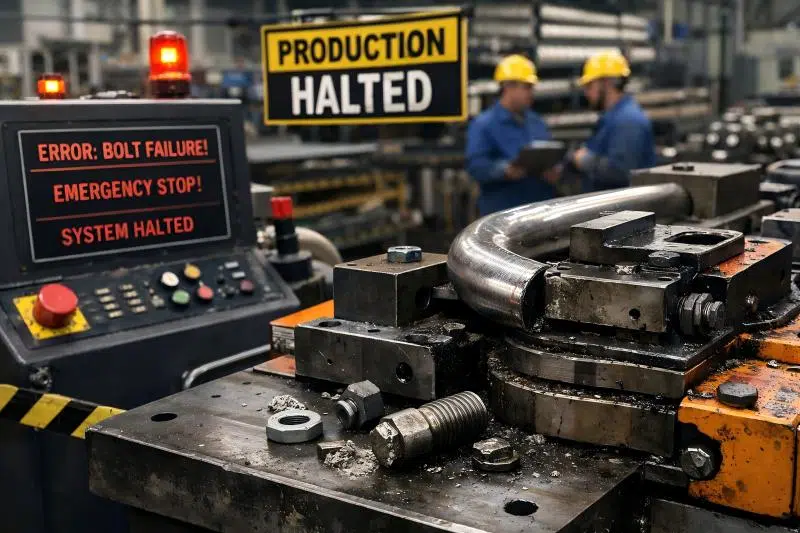
A failed bolt in a critical area—such as the bending arm mount or clamping unit—can immediately stop production. In many cases, the machine must be shut down for emergency repairs, leading to unplanned downtime, delayed deliveries, and increased labor costs.
Secondary Damage to Adjacent Parts
When a bolt fails, surrounding components often absorb the shock. This can cause damage to tooling, hydraulic cylinders, or servo-driven assemblies, turning a simple maintenance issue into a costly repair.
Compromised Machine Safety and Compliance
From a safety perspective, poor Tube Bender Bolt Maintenance is a serious concern. Tube benders operate under high force, and loose structural bolts can compromise protective systems.
Reduced Effectiveness of Safety Guards
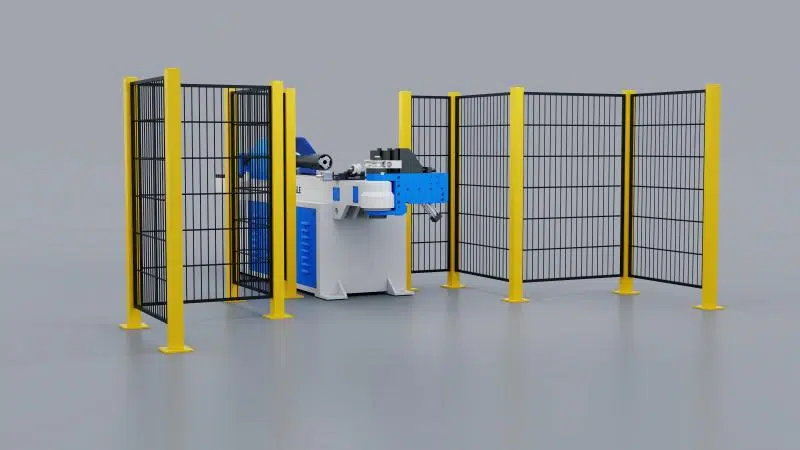
Safety guards and enclosures are typically mounted using bolts. If these fasteners loosen, guards may shift or fail to provide adequate protection. This increases the risk of operator injury and may violate safety standards such as CE or regional regulations.
Increased Risk During Emergency Stops
During emergency stops, the machine experiences sudden force changes. Poorly maintained bolts may not withstand these stresses, increasing the risk of mechanical failure at the worst possible moment.
FAQ
How does Tube Bender Bolt Maintenance affect bending accuracy?
Proper bolt maintenance ensures that all mechanical components remain rigid and aligned. Loose or over-tightened bolts allow movement under load, leading to inconsistent bend angles and poor repeatability.
How often should Tube Bender Bolt Maintenance be performed?
Bolt inspection should be part of regular preventive maintenance. I recommend visual checks weekly and torque verification at defined intervals based on machine load, usage frequency, and manufacturer guidelines.
Can poor bolt maintenance cause long-term machine damage?
Yes. Neglected bolts can lead to accelerated wear, structural fatigue, vibration-related damage, and even sudden mechanical failure, significantly shortening the machine’s service life.
Conclusion
Poor Tube Bender Bolt Maintenance can quietly create serious problems, from accuracy loss and accelerated wear to unexpected downtime and safety risks. By understanding how bolts affect structural stability and mechanical performance, you can prevent small issues from turning into major failures. Regular inspection, correct torque application, and a structured maintenance routine are essential for keeping tube bending machines accurate, reliable, and safe. If you want to learn more about preventive maintenance strategies or need professional guidance for your tube bender, feel free to explore our related documentation or contact the HARSLE technical team for support.


