


Tooling wear in tube benders is a common issue that can disrupt production, especially when it occurs at a faster rate than expected. If you’re experiencing excessive tooling wear, it’s crucial to pinpoint the underlying causes and take the necessary actions to address them. In this article, I’ll guide you through the potential reasons for fast tooling wear in tube benders and provide troubleshooting tips to help you extend the lifespan of your tools and enhance overall machine performance.
Understanding the Causes of Tooling Wear in Tube Benders
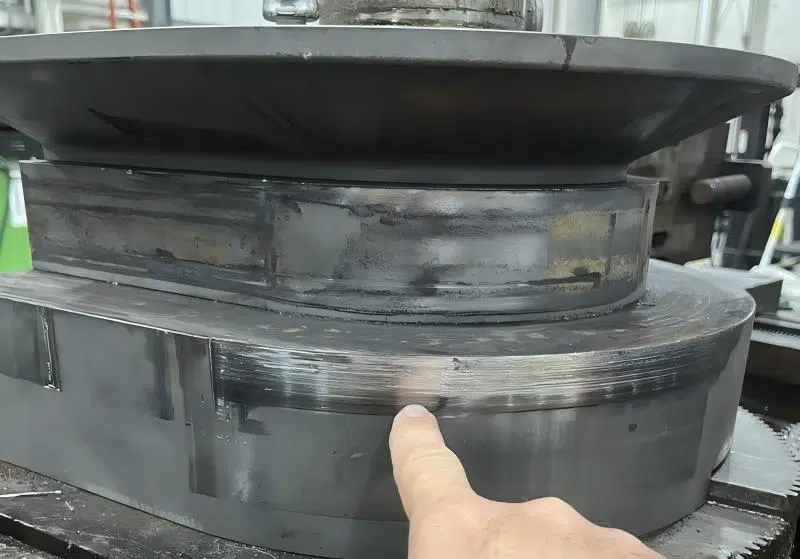
Tooling wear is a natural part of using tube benders, but excessive or rapid wear can indicate underlying problems. Common causes of fast tooling wear include improper machine setup, inadequate lubrication, and using the wrong materials. By identifying these issues early, you can prevent unnecessary downtime and reduce the need for frequent tool replacements.
1. Incorrect Machine Setup
One of the primary causes of fast tooling wear is improper machine setup. This includes incorrect alignment of the tooling or poor calibration of the bender. When tooling is misaligned or not properly secured, it causes uneven pressure distribution, leading to rapid wear. To prevent this, always double-check the setup before starting any bending operations.
2. Lack of Proper Lubrication
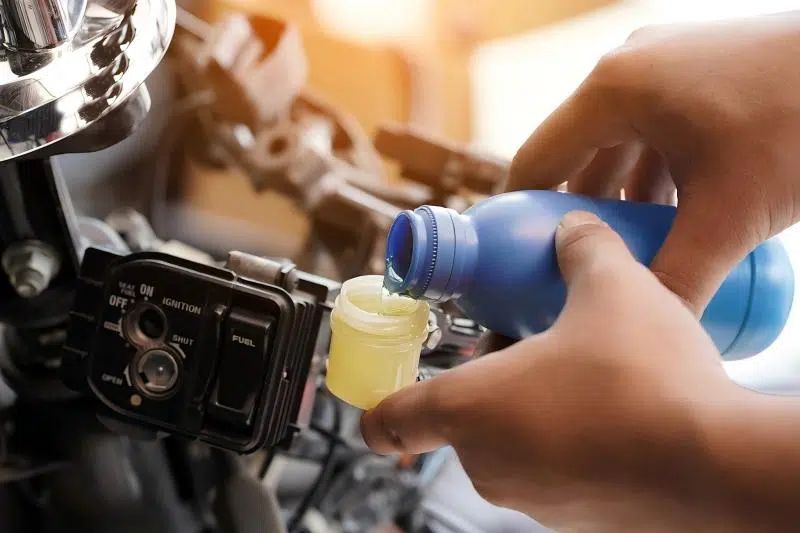
Lubrication plays a crucial role in minimizing friction between the tooling and the tube. If the tooling is not adequately lubricated, it can cause excessive heat buildup, leading to faster wear. Ensure that your tube bender is regularly lubricated as per the manufacturer’s recommendations to maintain smooth operation and prolong the life of the tooling.
3. Using Incorrect Materials
Using the wrong material or tube thickness for your specific bender can also contribute to tooling wear. Materials that are too hard or too soft for the bending process can create additional strain on the tools. Always verify that the material is compatible with the bender and is within the recommended specifications.
How to Prevent Fast Tooling Wear in Tube Benders
Now that we’ve identified some common causes, let’s look at ways to prevent fast tooling wear and maintain the efficiency of your tube bender.
1. Regular Inspections and Calibration
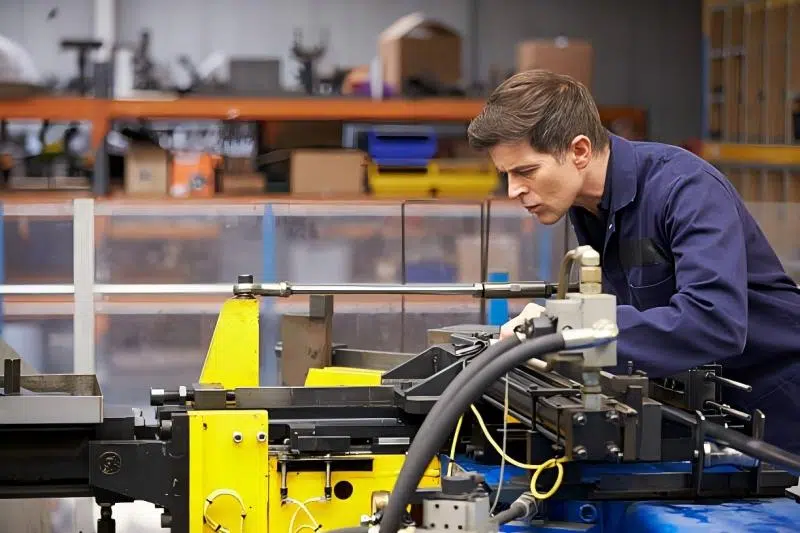
Ensure that you regularly inspect your tube bender for wear and tear on both the tooling and machine components. Routine calibration is essential for ensuring precise bending, which helps in preventing undue stress on the tooling.
2. Proper Lubrication and Maintenance
Follow a regular maintenance schedule to keep your tube bender and tooling in good condition. This includes cleaning and lubricating the machine at regular intervals. Be sure to use the correct type of lubricant that is recommended for your specific machine.
3. Use High-Quality Tooling
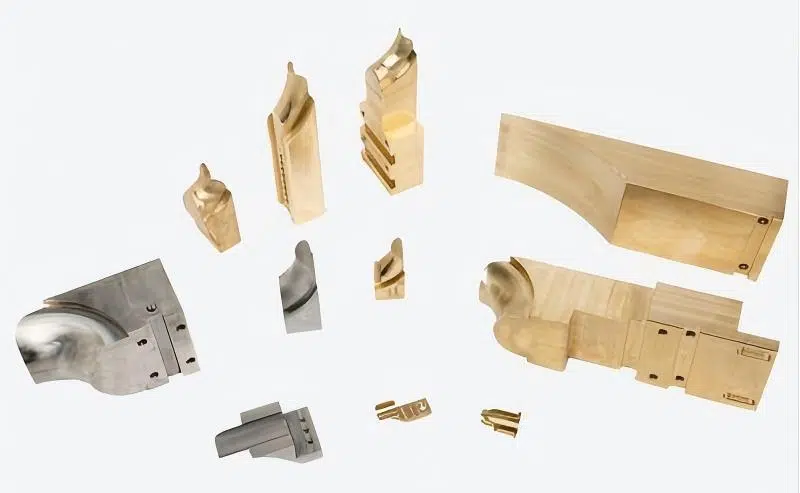
Invest in high-quality tooling designed for your specific tube bender. While it may be tempting to use cheaper alternatives, investing in high-quality tools will save you money in the long run by reducing the frequency of replacements and downtime.
FAQs
How can I tell if my tooling is worn out too quickly?
If you notice increased resistance, noisy operation, or poor bending accuracy, it’s likely that your tooling is wearing out faster than expected. Check for visible signs of damage, such as cracks or rough surfaces.
How often should I lubricate my tube bender?
Lubrication should be performed as per the manufacturer’s instructions. In general, you should lubricate your machine after every 100 hours of operation or as required by your specific model.
Can using the wrong material cause tooling damage?
Yes, using materials that are too hard or too soft for your tube bender can cause excess wear on your tooling. Always ensure that the materials you are working with are suitable for the bending process.
Conclusion
Fast tooling wear in tube benders is a preventable issue, but it requires consistent attention to machine setup, lubrication, and material compatibility. By following the troubleshooting tips provided in this article and performing regular maintenance, you can extend the life of your tooling and keep your production running smoothly. For more detailed guidance or assistance, feel free to contact our support team.
By following these steps and ensuring proper maintenance, you can reduce downtime and improve the performance of your tube bender.


