


Tube Bender PLC Maintenance plays a decisive role when tube bending machines become unstable, inconsistent, or unpredictable, as these problems are often caused by control system issues rather than mechanical wear. If you are facing unexpected machine stops, irregular bending angles, or PLC communication alarms, focusing on PLC maintenance is one of the most effective ways to restore stability. Based on my experience with CNC tube bending machines, a properly maintained PLC forms the backbone of reliable and repeatable operation. In this article, I will explain how PLC maintenance directly influences machine stability, how it helps prevent common production disruptions, and what practical steps you can take to keep your tube bender operating smoothly and consistently over the long term.
How the PLC Affects Tube Bender Stability
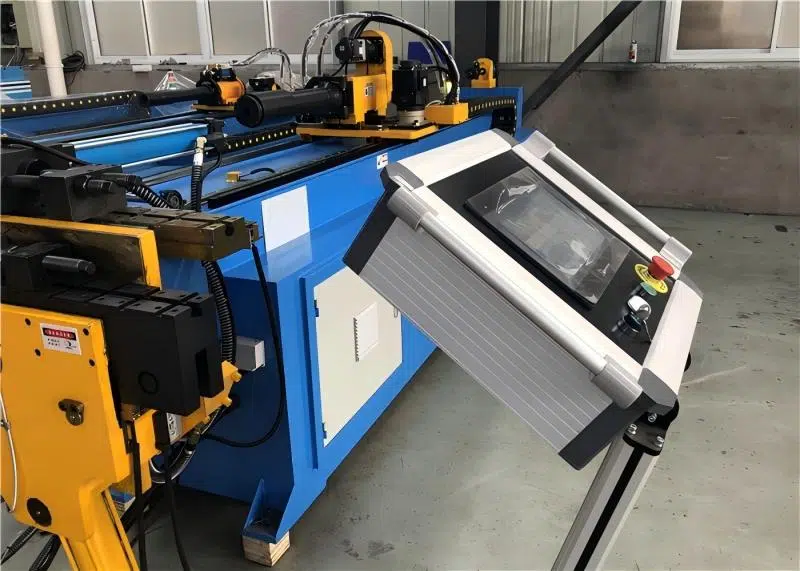
The PLC is the central control unit of a tube bending machine. It processes sensor signals, coordinates servo movements, controls hydraulic or electric systems, and ensures that each bending sequence runs exactly as programmed. Without proper Tube Bender PLC Maintenance, even a mechanically sound machine can become unstable.
When PLC components degrade or communication signals become unreliable, the machine may show symptoms such as axis jitter, inconsistent feed lengths, or delayed responses. These issues directly impact bending accuracy and repeatability. Maintaining the PLC ensures that control logic remains precise and that every movement follows the intended sequence.
PLC Signal Processing and Axis Coordination
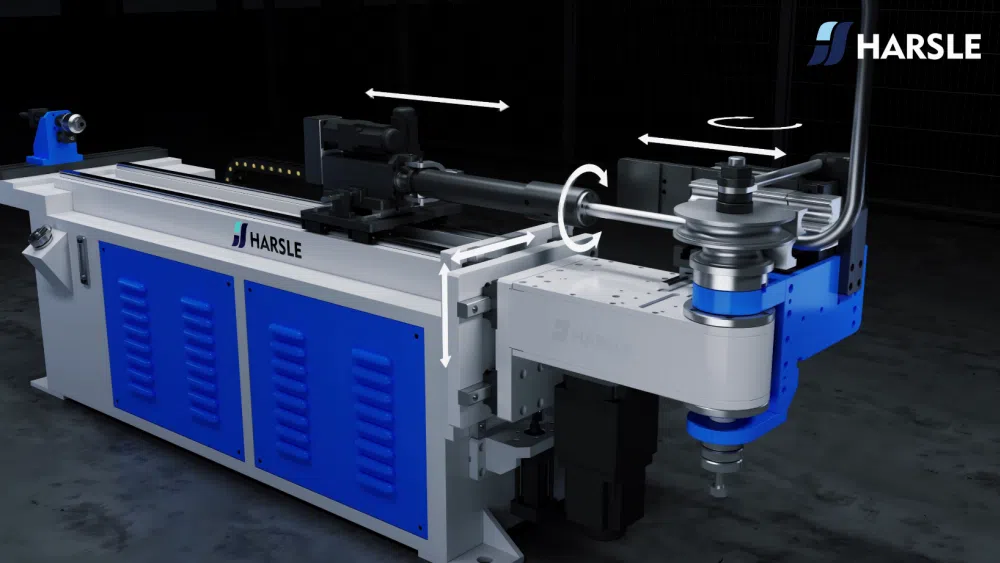
Stable tube bending depends on precise coordination between multiple axes. The PLC continuously receives feedback from encoders, sensors, and limit switches, then adjusts axis motion in real time. If signal noise, loose wiring, or outdated parameters are present, this coordination breaks down.
Regular Tube Bender PLC Maintenance helps ensure clean signal transmission and accurate feedback processing. This is especially important for multi-axis CNC tube benders, where even minor delays can result in visible bending defects.
PLC Communication With Servo Drives
Modern tube benders rely on high-speed communication between the PLC and servo drives. Any interruption or data loss can cause sudden stops or uneven motion. By inspecting communication modules and checking network stability, you can prevent random faults that compromise machine stability.
Common Stability Issues Caused by Poor PLC Maintenance
Many stability problems are mistakenly blamed on mechanical components, but PLC-related issues are often the real cause. Understanding these problems helps you diagnose issues faster and avoid unnecessary downtime.
Program Corruption and Parameter Drift
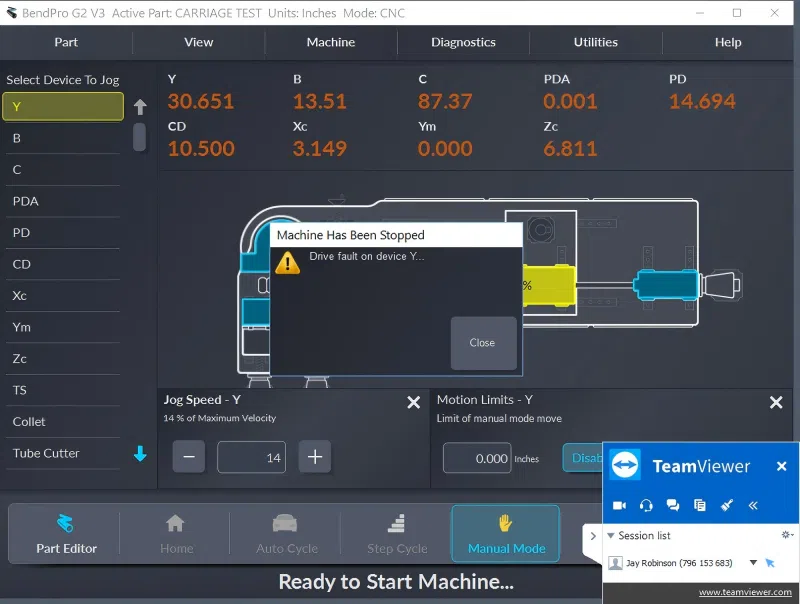
Over time, PLC programs and parameters can drift due to power fluctuations, improper shutdowns, or unauthorized changes. This can lead to inconsistent bending behavior even when using the same program.
As part of Tube Bender PLC Maintenance, I always recommend backing up PLC programs regularly and verifying critical parameters. This simple step can quickly restore stability when unexpected behavior appears.
Electrical Noise and Grounding Problems
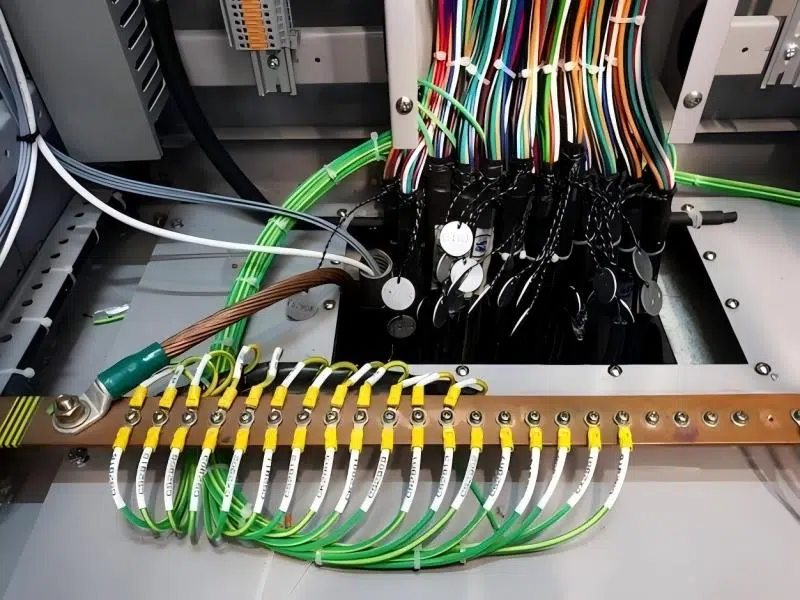
Tube bending machines operate in industrial environments with high electrical interference. Poor grounding or damaged shielding can introduce noise into PLC inputs and outputs, causing false signals or unstable control responses.
Routine inspections of grounding connections and cable shielding are essential to maintaining stable PLC operation, especially in high-production workshops.
Aging PLC Hardware Components
PLC hardware, including power supplies, I/O modules, and memory units, can degrade over time. Aging components may still function but operate inconsistently, leading to intermittent faults that are difficult to trace.
Replacing worn PLC components proactively is a key part of long-term Tube Bender PLC Maintenance and helps prevent sudden stability failures.
Step-by-Step Tube Bender PLC Maintenance for Stability
A structured maintenance approach is the most effective way to maintain stable machine performance. Below is a practical guide I follow when servicing tube bending machines.
Step 1: Inspect PLC Electrical Connections
Start by checking all PLC terminals, connectors, and wiring harnesses. Loose or oxidized connections can cause signal interruptions that affect stability. Tighten terminals, clean contacts, and replace damaged cables as needed.
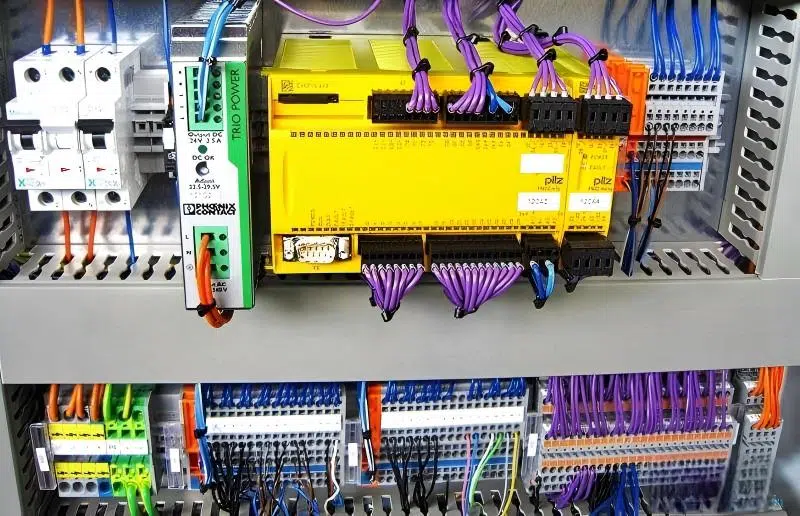
This step alone often resolves unexplained instability issues.
Step 2: Verify PLC Power Supply Quality
An unstable power supply can lead to PLC resets or logic errors. Measure input voltage and ensure it remains within the manufacturer’s specified range. Installing voltage stabilizers or surge protection devices can greatly improve PLC reliability.
Stable power is a core requirement for effective Tube Bender PLC Maintenance.
Step 3: Back Up and Validate PLC Programs
Always maintain up-to-date backups of PLC programs and machine parameters. Compare the active program with the reference version to identify unintended changes. Restoring correct logic often brings immediate improvements in machine stability.
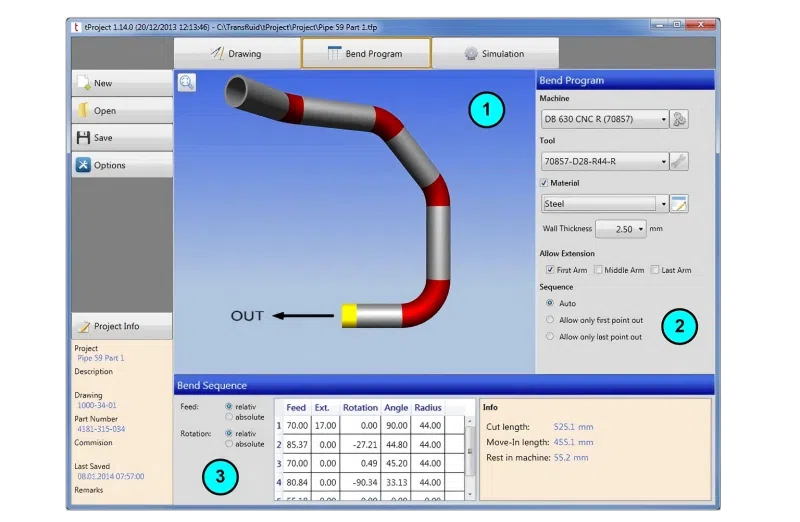
Step 4: Check Sensor and Feedback Signal Integrity
PLC decisions depend entirely on sensor feedback. Inspect proximity sensors, encoders, and limit switches for contamination, misalignment, or cable damage. Calibrate sensors according to machine specifications to ensure accurate feedback.
Accurate signals are essential for stable bending cycles.
Step 5: Schedule Preventive PLC Inspections
Rather than waiting for faults, establish a preventive Tube Bender PLC Maintenance schedule. Periodic inspections help identify early signs of failure and keep the control system stable during long production runs.
Best Practices for Long-Term PLC Stability
Maintaining PLC stability is not a one-time task. It requires consistent habits and clear procedures.
Standardize PLC Maintenance Procedures
Document maintenance steps, inspection intervals, and backup procedures. Standardization ensures that all technicians follow the same process and reduces human error.
Train Operators on PLC Awareness
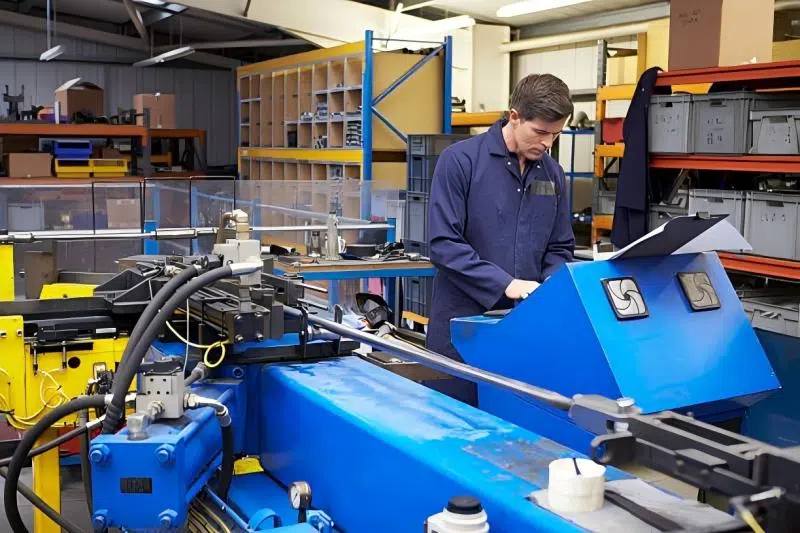
Operators do not need to program the PLC, but they should understand basic warning signs such as communication alarms or delayed responses. Early reporting prevents minor PLC issues from escalating into major stability problems.
Use Environment-Controlled Electrical Cabinets
Excessive heat, dust, and humidity accelerate PLC degradation. Keeping control cabinets clean and temperature-controlled significantly extends PLC service life and stability.
FAQ
Why is Tube Bender PLC Maintenance important for machine stability?
Tube Bender PLC Maintenance ensures accurate signal processing, reliable axis coordination, and stable communication with drives. Without it, control errors can cause inconsistent bending and unexpected downtime.
How often should PLC maintenance be performed on a tube bender?
Basic inspections should be done monthly, while deeper PLC checks and backups are recommended every 3–6 months, depending on machine usage and operating conditions.
Can PLC issues affect bending accuracy even if mechanics are fine?
Yes. PLC-related problems often cause accuracy issues because the control system determines motion timing, position, and sequence, regardless of mechanical condition.
What is the first PLC check when a tube bender becomes unstable?
Start by inspecting PLC connections and power supply stability. These are the most common and easily overlooked causes of unstable operation.
Conclusion
Stable tube bending performance depends heavily on a healthy control system. By focusing on Tube Bender PLC Maintenance, you can eliminate many hidden causes of instability, reduce unplanned downtime, and maintain consistent bending quality. Regular inspections, reliable backups, and preventive maintenance practices protect the PLC from gradual degradation and sudden failures. If you need professional support or want to optimize your tube bending machine’s control system, I recommend reaching out to the HARSLE technical team or exploring our related documentation for deeper guidance.


