


Tube Bender Installation Transport is often the first challenge manufacturers face when planning a new tube bending line or relocating existing equipment within a factory. When customers ask how to safely move and position a tube bender without interrupting production or risking machine damage, this is exactly the guidance they are looking for. In this article, I explain how I plan Tube Bender Installation Transport from a factory layout perspective, covering transport route design, space evaluation, and coordination with installation teams. The goal is to help you avoid common transport mistakes, reduce installation risks, and ensure your tube bender is positioned correctly for long-term, stable operation.
Why Factory Layout Matters for Tube Bender Installation Transport
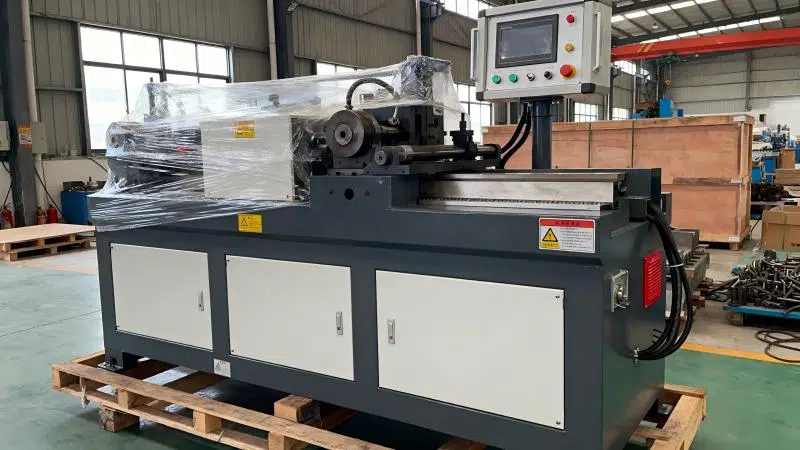
Proper Tube Bender Installation Transport is not just about moving a machine from point A to point B. The factory layout directly affects transport safety, installation efficiency, and future production flow. Before any movement begins, I always evaluate how the tube bender will interact with surrounding machines, walkways, and material handling systems. A well-planned layout reduces rework, prevents bottlenecks, and protects the accuracy of the tube bending machine.
Ignoring layout planning often leads to last-minute changes, unsafe lifting operations, or even machine damage. That’s why layout analysis should be the starting point of any installation transport plan.
How to Evaluate Transport Routes Inside the Factory
Step 1: Checking Doorways, Aisles, and Height Clearances
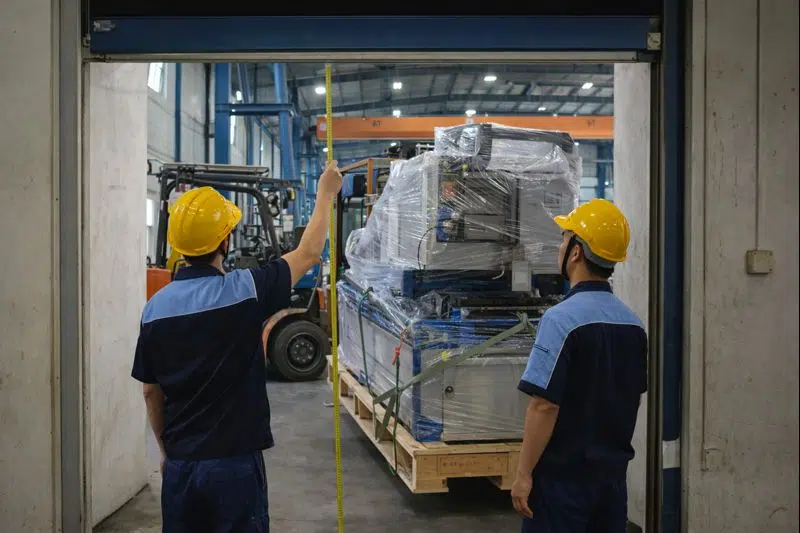
The first thing I do is walk the full transport route inside the factory. Tube benders are heavy and often tall, so door width, ceiling height, and overhead obstacles must be measured accurately. During Tube Bender Installation Transport, even a small clearance issue can stop the entire operation.
I recommend measuring all critical points, including loading bay doors, internal corridors, and turns. If the route is tight, partial disassembly or alternative entry points may be required.
Step 2: Assessing Floor Load Capacity Along the Route
Another key factor is floor strength. Tube benders concentrate a large amount of weight on small contact areas during transport. I always confirm that the floor can support forklifts, rollers, or transport skates used in the installation process.
Weak floors increase the risk of cracking, sinking, or uneven movement, which can affect machine alignment before installation even begins.
Planning the Final Position of the Tube Bender
Step 1: Aligning the Machine With Production Flow
When planning Tube Bender Installation Transport, I never look at transport separately from final positioning. The machine should be placed to support efficient material flow, from raw tube loading to finished part unloading.
Ideally, the tube bender should align with upstream cutting processes and downstream welding or assembly stations. This reduces material handling time and operator movement, improving overall productivity.
Step 2: Allowing Space for Operation and Maintenance
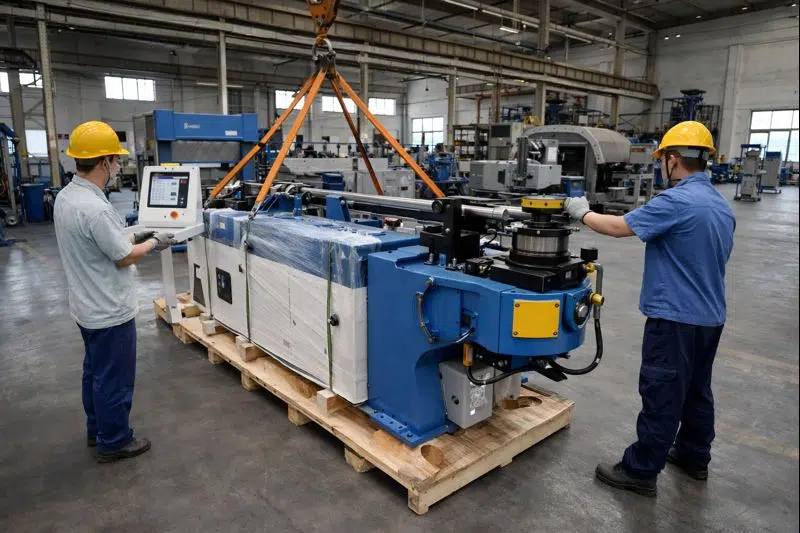
A common mistake I see is placing the tube bender too close to walls or other equipment. During planning, I always leave enough space for operators, tool changes, and routine maintenance.
Adequate clearance also makes future service work easier and safer. Proper spacing is an essential part of successful Tube Bender Installation Transport planning.
Coordinating Lifting and Handling Methods
Choosing the Right Transport Equipment
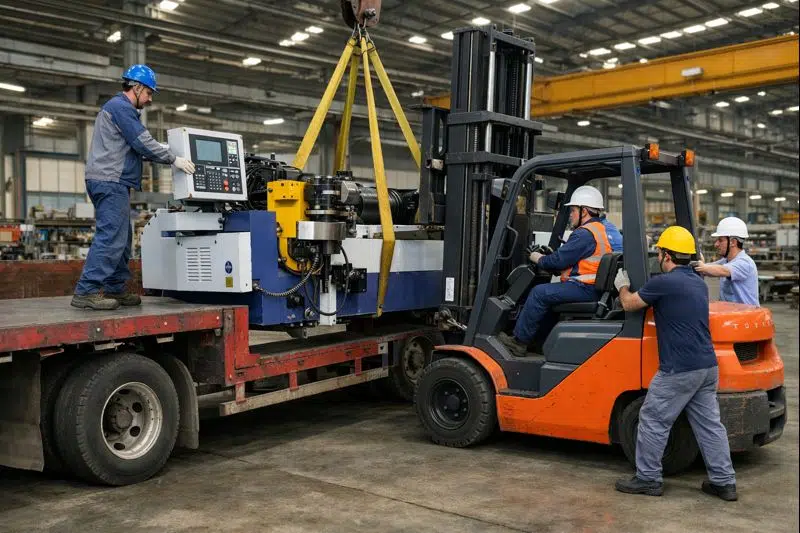
Not all tube benders can be moved the same way. Depending on machine size and factory layout, I may choose forklifts, overhead cranes, or hydraulic skates. Each method has different requirements for space and floor conditions.
Selecting the right equipment reduces stress on the machine frame and ensures controlled movement during Tube Bender Installation Transport.
Communicating With Installation Teams
Clear communication is critical. Before transport begins, I make sure everyone involved understands the route, lifting points, and final positioning plan. This coordination minimizes delays and reduces the risk of accidents during installation.
Avoiding Common Tube Bender Installation Transport Mistakes
One of the most common mistakes is rushing the transport process without proper planning. Skipping measurements, ignoring layout constraints, or underestimating machine weight often leads to costly corrections.
Another frequent issue is failing to consider future expansion. When planning the layout, I always think about whether additional machines or automation may be added later. Smart Tube Bender Installation Transport planning supports long-term growth, not just immediate installation.
FAQs
Why is factory layout important for Tube Bender Installation Transport?
Factory layout determines transport routes, available space, and final machine positioning. A poor layout can cause transport delays, safety risks, and inefficient production flow after installation.
How early should Tube Bender Installation Transport planning start?
Planning should begin as soon as the machine specifications are confirmed. Early planning allows time to adjust layouts, reinforce floors, or prepare access routes before delivery.
Can improper transport affect tube bender accuracy?
Yes. Improper handling during Tube Bender Installation Transport can cause frame stress or misalignment, which may affect bending accuracy and machine stability.
Conclusion
Careful planning is the foundation of successful Tube Bender Installation Transport, especially when working within complex factory layouts. By evaluating transport routes, aligning machine placement with production flow, and coordinating handling methods, you can significantly reduce installation risks and downtime. In my experience, taking the time to plan transport properly pays off with smoother installation and more reliable machine performance. If you need professional advice or support with tube bender installation and layout planning, feel free to contact our team or explore our related documentation for more guidance.


