


When customers ask me why their tube bending accuracy drifts over time, my answer almost always starts with Tube Bender Tooling Maintenance. Even with a high-precision CNC tube bender, neglected tooling will quickly become the weakest link in the bending process. In this article, I’ll explain why proper tooling maintenance is critical for accuracy, how worn or poorly maintained tools affect bending results, and what practical steps you can take to keep your tube bender producing consistent, repeatable bends. Whether you are running a single machine or a full production line, this guide will help you reduce scrap, protect your tooling investment, and maintain stable bending quality.
How Tube Bender Tooling Maintenance Affects Bending Accuracy
Tooling Wear and Dimensional Deviation
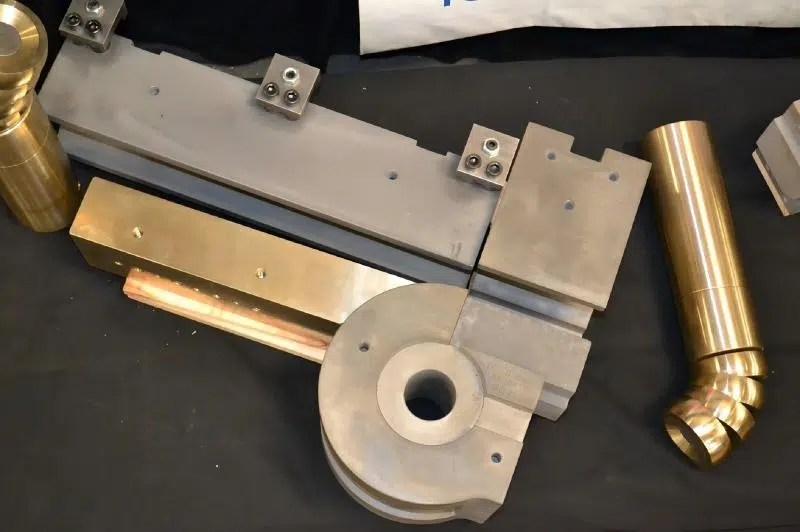
One of the most direct impacts of poor Tube Bender Tooling Maintenance is tooling wear. Dies, clamps, pressure dies, and mandrels are all in constant contact with the tube surface. Over time, friction and load cause these components to wear down, changing their effective dimensions. Even small deviations in die radius or groove shape can lead to angle errors, ovality, or inconsistent bend radii.
When tooling wear is ignored, operators may compensate by adjusting machine parameters, which often masks the real issue and creates further inconsistency. Proper tooling maintenance focuses on monitoring wear early and restoring tooling geometry before accuracy is compromised.
Loss of Clamping Stability During Bending
Accurate tube bending depends on stable clamping. If clamp dies or pressure dies are worn, contaminated, or improperly maintained, they may slip during bending. This micro-movement directly affects bend angle repeatability and causes surface defects.
Regular Tube Bender Tooling Maintenance ensures that clamping surfaces remain clean, properly lubricated, and within tolerance. This stability is essential for maintaining accuracy, especially in tight-tolerance applications such as automotive frames, furniture tubing, or HVAC components.
Key Tooling Components That Require Regular Maintenance
Bend Dies and Their Contact Surfaces
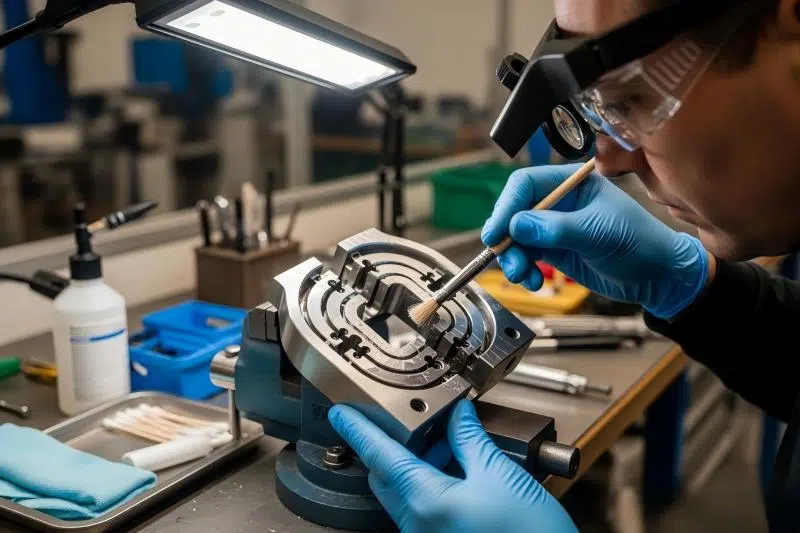
Bend dies define the final shape of the tube. Scratches, dents, or material buildup on the die surface increase friction and distort the bending process. As part of routine Tube Bender Tooling Maintenance, I always recommend inspecting bend dies for surface damage and cleaning them after each production shift.
Polishing or regrinding worn dies at the right time can restore accuracy and extend tooling life without the need for full replacement.
Mandrels and Mandrel Balls
Mandrels play a critical role in preventing tube collapse and maintaining internal geometry. Poorly maintained mandrels can cause wrinkles, thinning, or inconsistent wall thickness. Checking mandrel alignment, lubrication, and wear condition is a core step in any Tube Bender Tooling Maintenance plan.
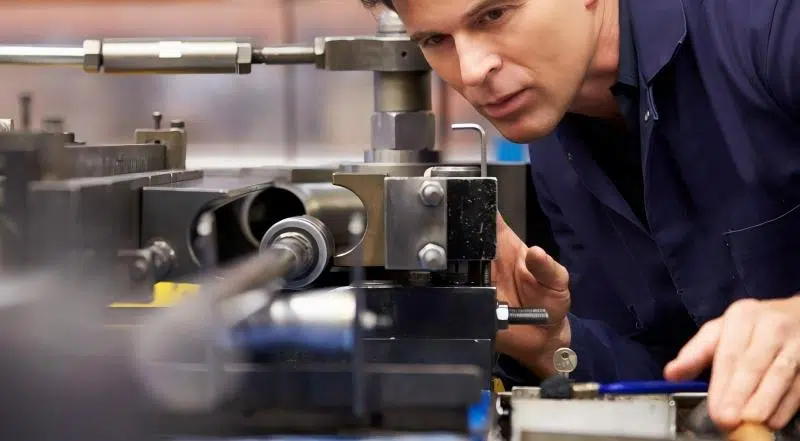
For multi-ball mandrels, each ball should move freely without excessive play. Sticking or worn mandrel balls are a common hidden cause of accuracy loss.
Wiper Dies and Pressure Dies
Wiper dies control material flow at the tangent point, while pressure dies support the tube during bending. Wear or incorrect positioning of these tools leads to surface marks and angle variation. Regular inspection, cleaning, and precise repositioning help maintain bending accuracy over long production runs.
Best Practices for Tube Bender Tooling Maintenance
Routine Cleaning and Lubrication
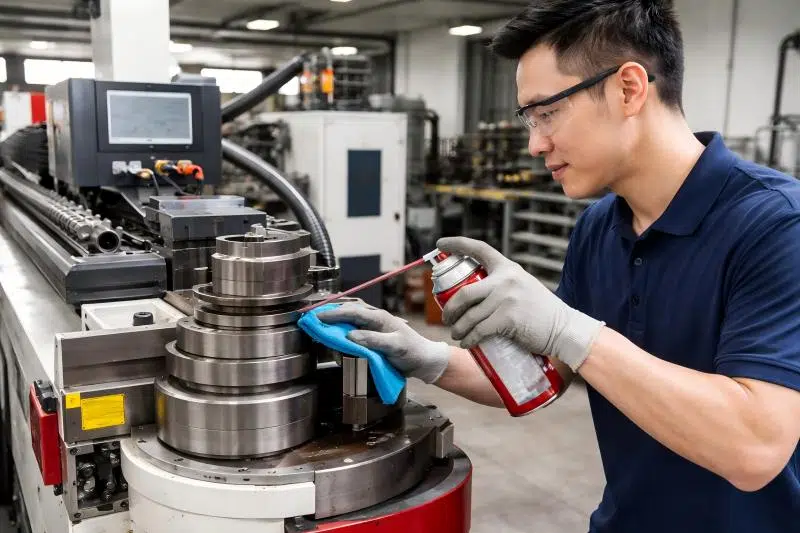
Contamination is a major enemy of accuracy. Metal dust, lubricant residue, and debris can alter tool positioning and increase friction. I recommend cleaning tooling contact surfaces daily and applying the correct lubricant based on tube material and bending method.
Consistent cleaning and lubrication are simple yet highly effective Tube Bender Tooling Maintenance practices that prevent gradual accuracy loss.
Scheduled Inspection and Measurement
Visual inspection alone is not enough. Measuring critical tooling dimensions at scheduled intervals allows you to detect wear before it affects production quality. Keeping inspection records also helps identify wear patterns and optimize tooling replacement cycles.
This proactive approach turns Tube Bender Tooling Maintenance into a controlled process rather than a reactive fix.
Proper Tooling Storage to Prevent Damage
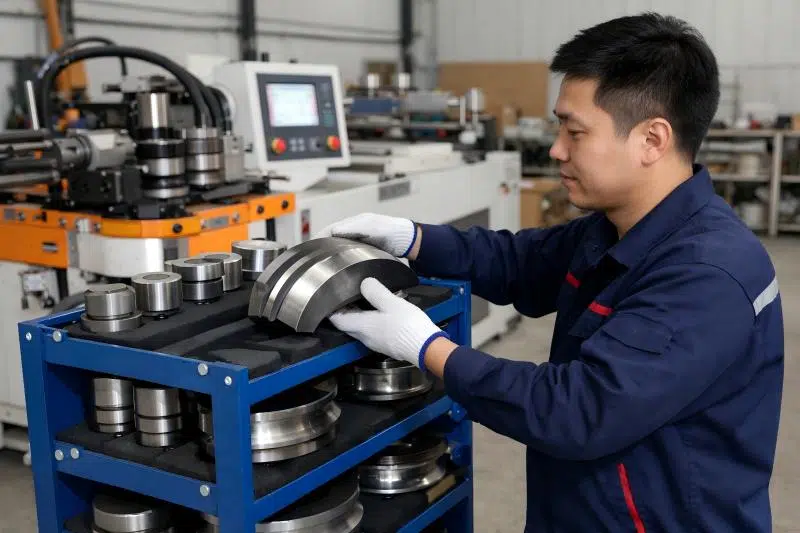
Accuracy does not only depend on how tooling is used, but also on how it is stored. Improper storage can cause dents, corrosion, or deformation. Tooling should be stored on dedicated racks, protected from impact and moisture.
Organized storage supports effective Tube Bender Tooling Maintenance by ensuring tools remain in optimal condition between jobs.
How Poor Tooling Maintenance Impacts Production Efficiency
Increased Scrap and Rework
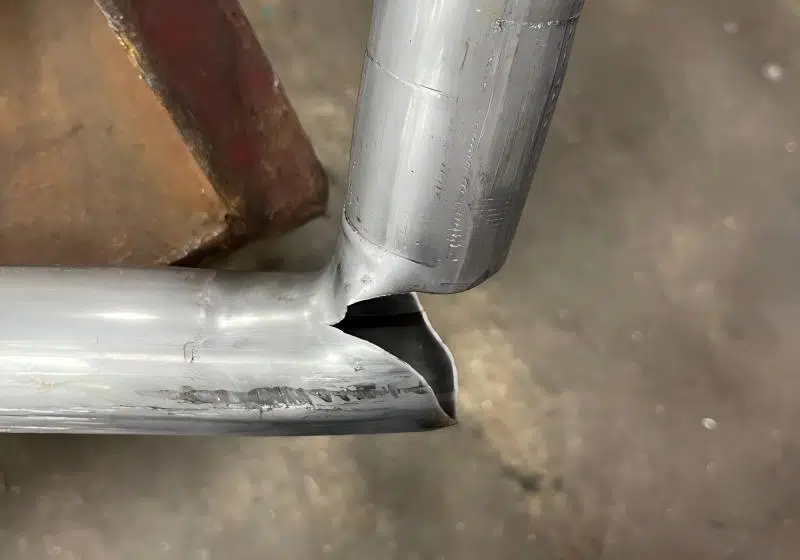
When tooling accuracy degrades, scrap rates rise quickly. Tubes that do not meet dimensional requirements must be reworked or discarded, increasing material co sts and labor time. Many customers are surprised to find that poor Tube Bender Tooling Maintenance is the root cause of their quality issues.
Unplanned Downtime
Worn or damaged tooling often fails unexpectedly, forcing emergency stoppages. Planned maintenance avoids these disruptions and keeps production schedules stable. In high-volume operations, consistent Tube Bender Tooling Maintenance directly translates into higher uptime and predictable output.
FAQs
How often should Tube Bender Tooling Maintenance be performed?
I recommend basic cleaning and inspection daily, with detailed dimensional checks based on production volume. High-volume lines may require weekly inspections, while low-volume shops can extend intervals slightly.
Can worn tooling be repaired instead of replaced?
Yes, in many cases. Bend dies and pressure dies can often be reconditioned by polishing or regrinding. Proper Tube Bender Tooling Maintenance helps identify when repair is possible and when replacement is necessary.
Does tooling maintenance really affect CNC tube bender accuracy?
Absolutely. Even the most advanced CNC control cannot compensate for worn or unstable tooling. Tube Bender Tooling Maintenance is essential for maintaining repeatable accuracy.
Conclusion
Accurate tube bending is not achieved by machine precision alone. It depends heavily on consistent and well-planned Tube Bender Tooling Maintenance. By maintaining tooling surfaces, monitoring wear, lubricating correctly, and storing tools properly, you can protect bending accuracy, reduce scrap, and extend tooling life. If you want to improve long-term bending consistency or need guidance on tooling inspection and maintenance strategies, feel free to contact the HARSLE technical team or explore our related tube bending documentation for deeper insights.


