


Tube Bender Maintenance Budget planning is one of the most effective ways to control maintenance costs without compromising machine accuracy or long-term reliability. If you’re looking for a clear breakdown of what should be included in a tube bender maintenance budget, you’re in the right place. In this article, I’ll explain the key cost categories that truly matter—from routine inspections to unexpected repairs—so you can plan more realistically, eliminate hidden expenses, and keep your tube bending machines operating efficiently. Whether you run a single CNC tube bender or oversee multiple production lines, a well-structured maintenance budget will help you reduce downtime and protect your long-term investment.
Why a Tube Bender Maintenance Budget Matters
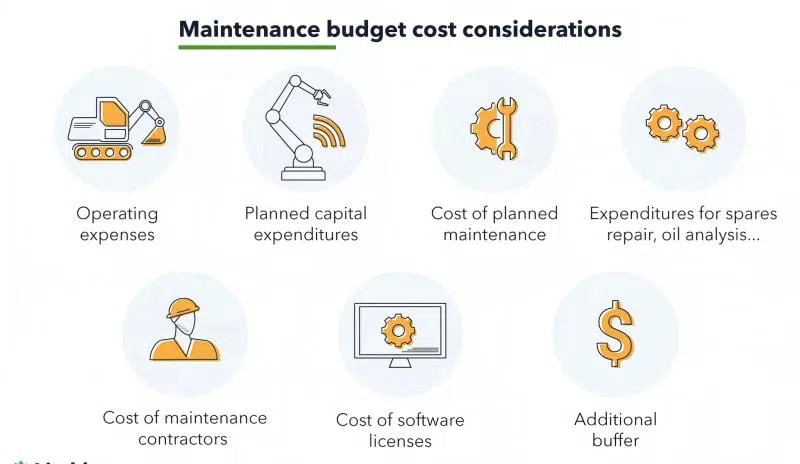
A Tube Bender Maintenance Budget is not just a financial document; it’s a planning tool that directly affects production stability. Without a clear budget, maintenance often becomes reactive—machines are repaired only after failures occur. This usually leads to higher repair costs, longer downtime, and inconsistent bending accuracy.
By defining a maintenance budget in advance, I can prioritize preventive actions, schedule inspections properly, and make smarter decisions about spare parts and service intervals. Over time, this approach reduces emergency repairs and extends the service life of the tube bender.
Core Cost Categories in a Tube Bender Maintenance Budget
Routine Inspection and Labor Costs
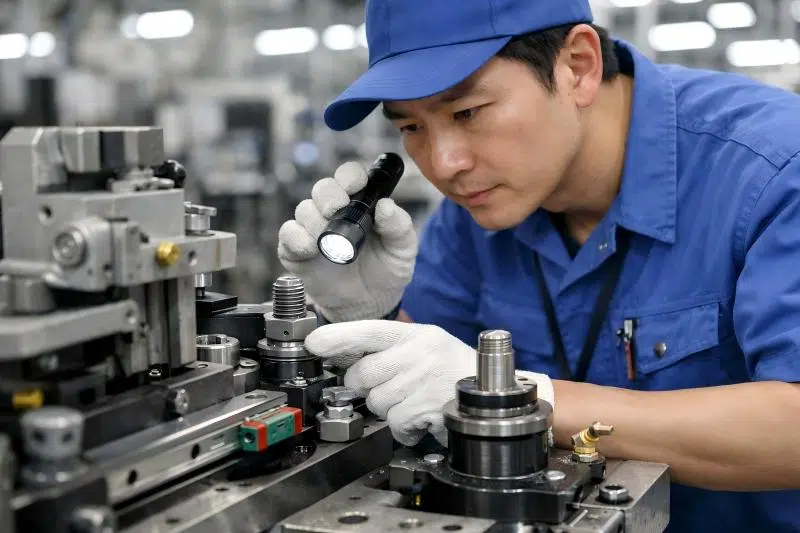
Routine inspections are the foundation of any Tube Bender Maintenance Budget. These inspections typically include checking bolts, clamps, guide rails, sensors, mandrels, and lubrication points. Labor costs should account for both daily operator checks and scheduled technical inspections.
From my experience, budgeting for regular inspection labor helps prevent small alignment issues or loose components from turning into major mechanical failures. This category should always be fixed and predictable in your budget.
Lubrication and Consumable Materials
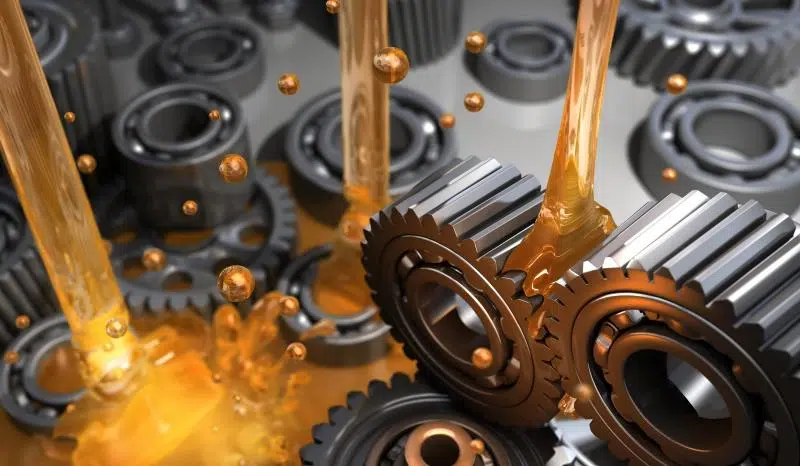
Lubrication is often underestimated when planning a Tube Bender Maintenance Budget. Hydraulic oil, grease, coolant, and cleaning agents all fall under consumable materials. Poor lubrication directly affects bending accuracy, mandrel life, and machine stability.
I recommend allocating a dedicated portion of the budget specifically for high-quality lubricants and consumables. Cutting costs here usually leads to higher expenses later due to accelerated wear.
Tooling Wear and Replacement Costs
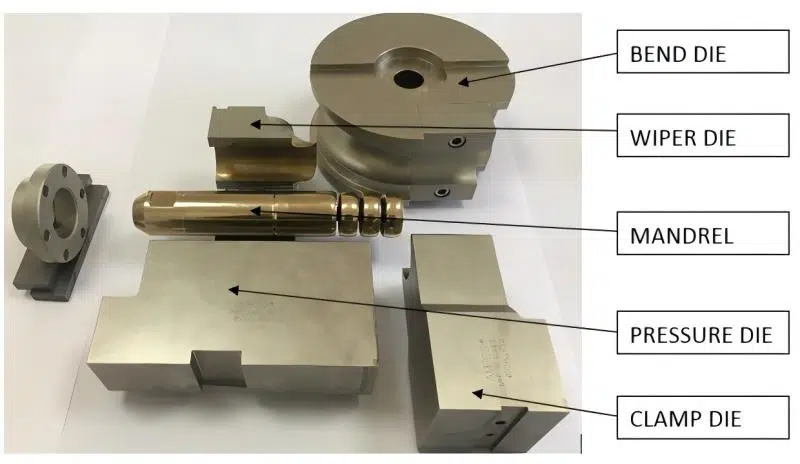
Tooling is one of the most significant long-term expenses in tube bending. Dies, mandrels, wiper dies, clamps, and pressure dies all experience wear depending on material type, wall thickness, and production volume.
A realistic Tube Bender Maintenance Budget should include:
- Periodic tooling inspection
- Planned tooling refurbishment
- Replacement of high-wear components
By forecasting tooling wear instead of reacting to sudden failures, I can maintain stable bending quality and avoid production interruptions.
Electrical and Control System Maintenance Costs
Sensor and Encoder Maintenance
Modern CNC tube benders rely heavily on sensors and encoders. These components directly influence bending angle accuracy and repeatability. Sensor cleaning, recalibration, and occasional replacement should be included in your Tube Bender Maintenance Budget.
Ignoring sensor-related costs often results in unexplained accuracy issues that are expensive to troubleshoot later.
Control System Updates and Diagnostics
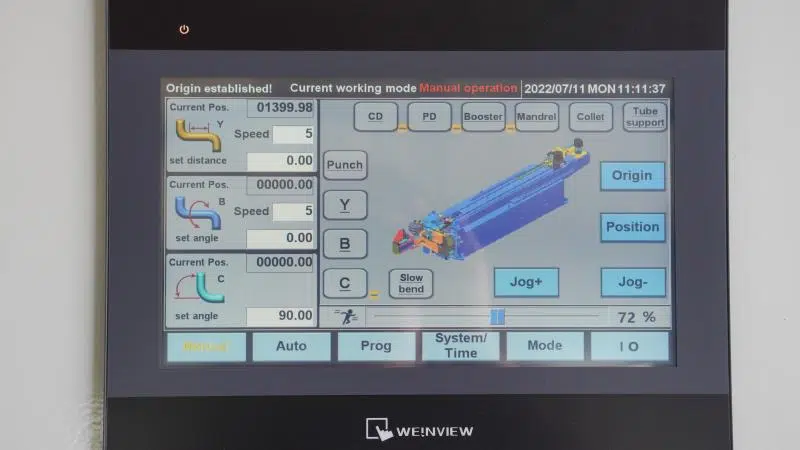
Control systems may require software updates, parameter optimization, or professional diagnostics over time. While these costs are not frequent, they should still be planned within the annual maintenance budget.
Including control system support ensures that small software or communication issues don’t escalate into machine downtime.
Spare Parts and Emergency Repair Allowance
Critical Spare Parts Inventory
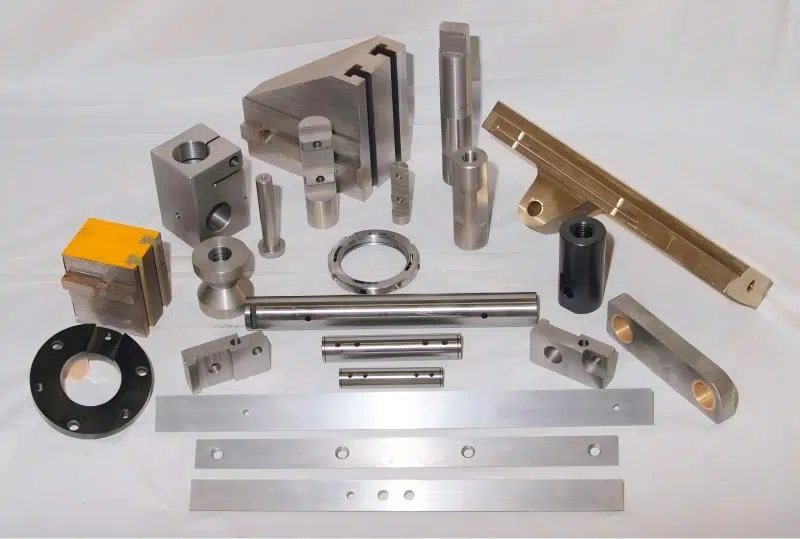
A smart Tube Bender Maintenance Budget always includes an allowance for critical spare parts such as seals, hoses, valves, bearings, and electrical components. Keeping essential parts in stock reduces downtime when failures occur.
I usually recommend identifying high-risk components and budgeting for them in advance instead of ordering parts only after a breakdown.
Emergency Repair Buffer
No matter how good your preventive maintenance is, unexpected issues can still happen. That’s why I always include an emergency repair buffer in the maintenance budget. This buffer covers urgent service calls, express shipping, or temporary production adjustments.
This part of the budget provides financial flexibility and keeps unexpected problems from disrupting cash flow.
Training and Preventive Maintenance Programs
Operator Training Costs
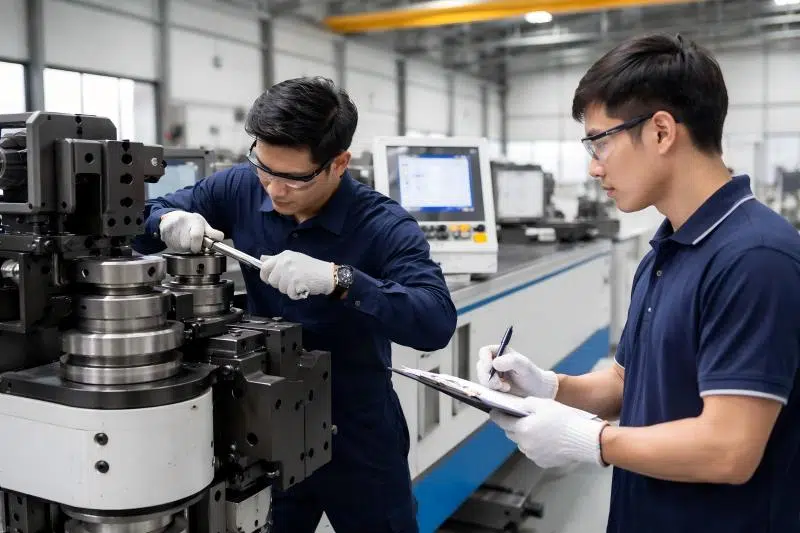
Well-trained operators reduce maintenance costs significantly. Improper operation is one of the most common causes of premature wear and machine damage. Training expenses—whether internal or external—should be considered part of the Tube Bender Maintenance Budget.
Investing in training improves daily maintenance quality and reduces operator-related errors.
Preventive Maintenance Planning
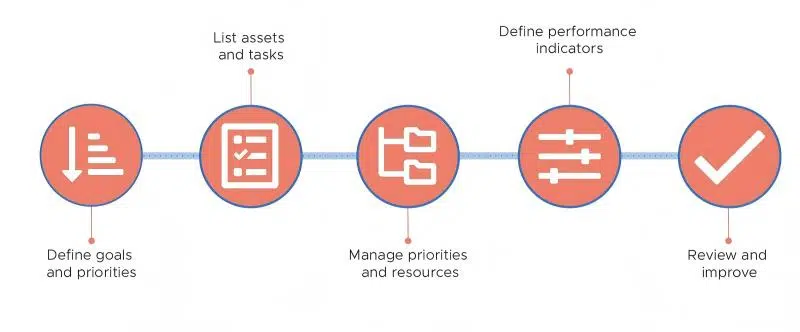
Preventive maintenance programs require time, documentation, and sometimes external support. Budgeting for structured preventive maintenance ensures inspections, calibrations, and adjustments are done consistently rather than skipped during busy production periods.
How to Adjust the Tube Bender Maintenance Budget Over Time
A Tube Bender Maintenance Budget should never be static. I recommend reviewing it at least once a year, comparing planned costs with actual expenses. This helps identify patterns such as frequent tooling replacement or recurring sensor issues.
By adjusting the budget based on real data, I can improve cost accuracy and continuously optimize maintenance strategies.
FAQs
How much should a Tube Bender Maintenance Budget cost annually?
The cost depends on machine size, production volume, and material type. In general, allocating a small percentage of the machine’s purchase value per year is a practical starting point, adjusted based on actual operating conditions.
Does preventive maintenance really reduce the Tube Bender Maintenance Budget?
Yes. Preventive maintenance lowers emergency repair costs, reduces downtime, and extends component life, which significantly reduces long-term maintenance expenses.
Should spare parts be included in the Tube Bender Maintenance Budget?
Absolutely. Critical spare parts should always be included to avoid production delays caused by waiting for replacements.
Conclusion
A well-structured Tube Bender Maintenance Budget should cover routine inspections, consumables, tooling wear, control system maintenance, spare parts, training, and emergency repairs. By planning these costs in advance, I can maintain bending accuracy, reduce unplanned downtime, and control long-term operating expenses more effectively.
If you want help optimizing your tube bender maintenance plan or selecting the right maintenance strategy for your production needs, feel free to contact the HARSLE team or explore our related technical documentation for deeper guidance.


