


Tube Bender Bend Radius Issues can significantly impact the quality and precision of your parts. Achieving the correct bend radius is essential for producing accurate, high-quality tubes, but inconsistent or incorrect radii are common challenges in tube bending. If you’re facing such issues, you’re not alone. In this article, I’ll walk you through the common causes of these problems and provide actionable steps to troubleshoot and resolve them, ensuring your tube bender performs at its peak efficiency.
Understanding Tube Bender Bend Radius Issues
What Causes Tube Bender Bend Radius Issues?
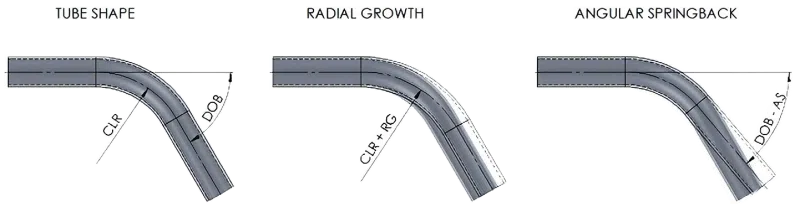
One of the primary causes of inconsistent bend radius issues is improper machine setup. If your tube bender is not calibrated correctly, the bend radius may deviate from the desired specifications. Another factor could be the material being used. Different materials bend differently, and the wrong material or thickness can cause the bend to be too tight or too loose.
Inconsistent tooling and die wear can also contribute to bend radius issues. If the dies are worn out or damaged, they may not provide the proper support during the bending process, causing inconsistent bends.
Step 1: Check Machine Calibration
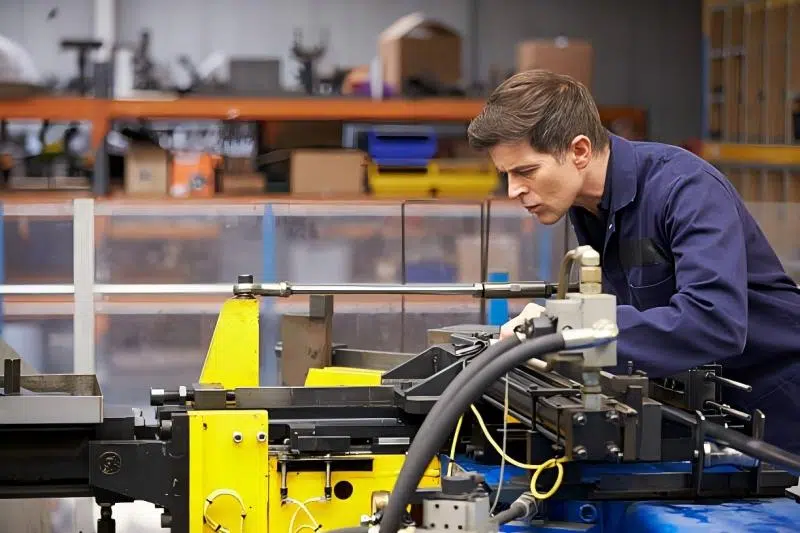
The first step in troubleshooting tube bender bend radius issues is to ensure your machine is properly calibrated. A miscalibrated machine can lead to inaccurate bends, even with the best tooling. Start by checking the alignment of the bending die and ensure the machine is set to the correct angle and radius for the material you’re working with.
If the machine is out of calibration, refer to your user manual for guidance on adjusting the settings. This will often involve adjusting the positioning of the tube, die, or back gauge system.
Step 2: Inspect the Material and Tooling
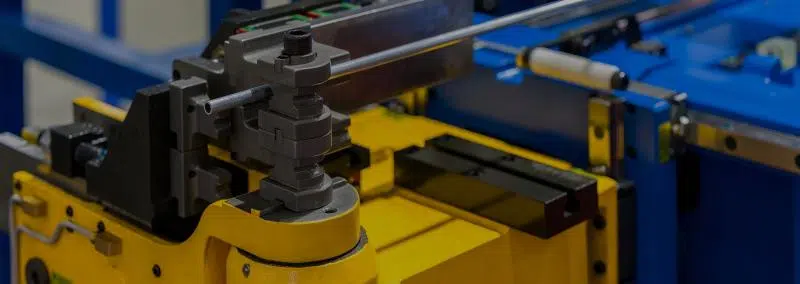
After checking the machine calibration, take a look at the material you’re working with. Different metals or alloys have different bending properties. Ensure that you’re using the correct material for your specific tube bender. Additionally, check the material’s thickness, as thicker tubes require more pressure and might require adjustments to the machine’s settings.
Next, inspect the tooling, including the bending dies. Over time, dies can wear down, causing them to produce inconsistent results. If the dies are worn or damaged, replace them with new ones to restore the accuracy of your bends.
Step 3: Adjust the Bend Allowance
In some cases, bend radius issues can be traced back to an incorrect bend allowance. The bend allowance is the amount of material required for the bend to achieve the desired radius. If your bend allowance is too large or too small, it will result in inconsistent bends.
To fix this, calculate the correct bend allowance for your tube’s material and thickness. Many tube benders have bend allowance calculators, so use that feature to adjust the settings accordingly.
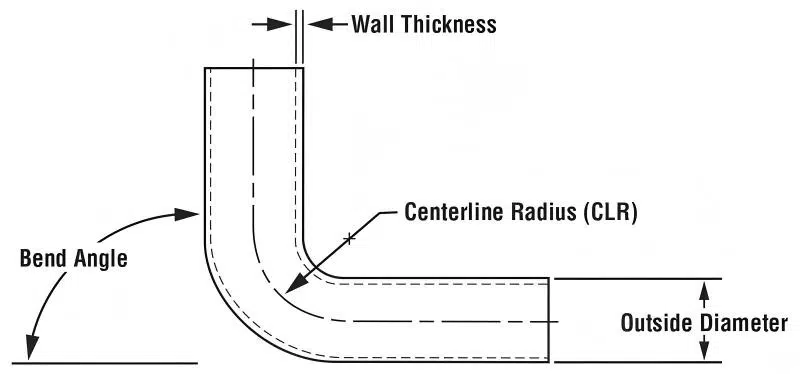
Common Tube Bender Bend Radius Issues and Their Fixes
Issue 1: Tight or Sharp Bends
If your tube is experiencing tight or sharp bends, it may be due to improper die selection or an incorrect bend radius setting. A smaller die radius can result in sharp bends, which can cause the tube to collapse or buckle.
Fix: Select a die with a larger radius, or adjust the machine settings to increase the bend radius. This will allow the tube to bend more gradually, reducing the risk of sharp bends.
Issue 2: Loose or Oversized Bends
On the flip side, if the bends are too loose or oversized, it may be because the machine is not applying enough pressure or the bend allowance is too large.
Fix: Increase the machine’s pressure setting or reduce the bend allowance to achieve a more controlled, accurate bend.
Issue 3: Inconsistent Bend Radii
Inconsistent bend radii are often caused by worn-out dies or improperly set machine parameters. This can lead to bends that vary from one tube to the next, even if the same settings are used.
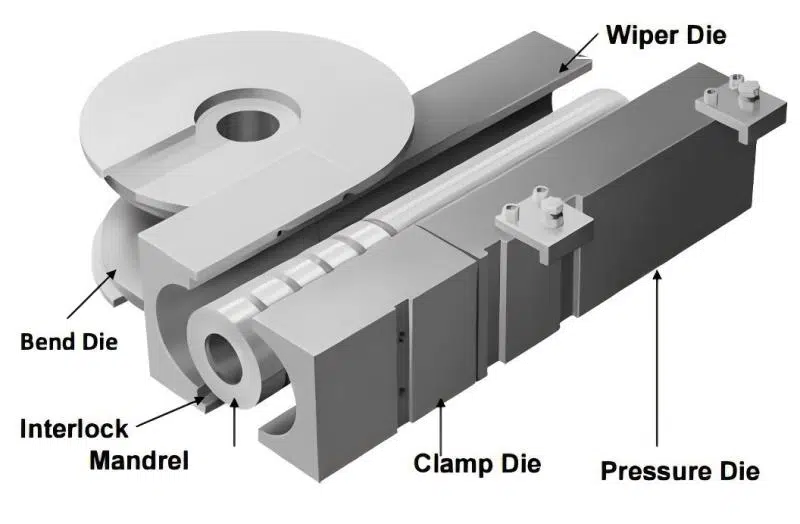
Fix: Inspect the dies for any wear or damage. If necessary, replace the dies to ensure consistency. Additionally, recalibrate the machine settings to make sure they match the required specifications.
FAQs
How can I prevent tube bender bend radius issues in the future?
Regular maintenance of your tube bender, including inspecting and replacing worn-out dies, checking machine calibration, and using the correct material and tooling, can help prevent bend radius issues. Additionally, always double-check the settings before beginning a new project.
Can using a different material affect the bend radius?
Yes, different materials, such as stainless steel, aluminum, or copper, have different bending characteristics. Always ensure that the material you’re using is appropriate for the machine settings and adjust the settings accordingly.
What is the ideal bend radius for my material?
The ideal bend radius depends on the material type, thickness, and the bend angle required. Check the manufacturer’s guidelines for your specific material to determine the recommended bend radius.
Conclusion
Tube bender bend radius issues are common but can be easily addressed with a few troubleshooting steps. By ensuring your machine is calibrated correctly, inspecting your materials and tooling, and adjusting the bend allowance, you can resolve most bend radius issues. If you’re still encountering difficulties, don’t hesitate to reach out to a professional technician or contact the machine manufacturer for further assistance. Proper setup and maintenance are key to ensuring your tube bender provides accurate and consistent bends every time.


