


When it comes to large infrastructure projects, precision and durability are essential. If you’re exploring how Tube Bending for Bridges Construction contributes to building safer and more efficient structures, you’re in the right place. In this article, I’ll explain how tube bending technology supports modern bridge fabrication, improves structural integrity, reduces costs, and enhances design flexibility. Whether you’re an engineer, project manager, or metal fabrication specialist, this guide will help you understand why tube bending is a vital process in bridge construction.
How Tube Bending Strengthens Bridge Structures
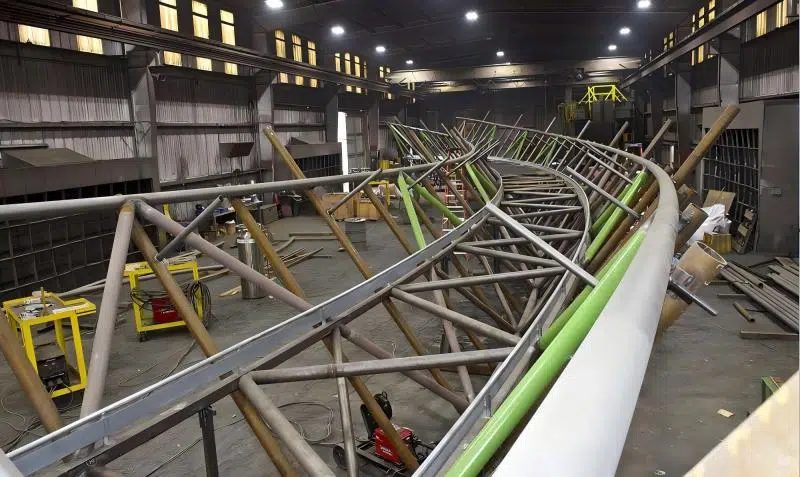
Improving Load Distribution
One of the main advantages of tube bending in bridge construction is its ability to produce curved and rounded components that distribute loads more evenly. Unlike welded or jointed frames, bent tubes create continuous paths for force transmission, minimizing weak points. This means bridges can better handle dynamic loads, such as heavy vehicles or strong winds, without compromising stability.
Enhancing Structural Integrity
Using tube bending techniques allows for seamless metal components that avoid the cracks and stress points commonly found in welded structures. This improves fatigue resistance, ensuring longer service life and reduced maintenance. The precision of CNC tube benders ensures that each bend meets the exact engineering specifications required for large-scale bridge designs.
How Tube Bending Reduces Construction Costs
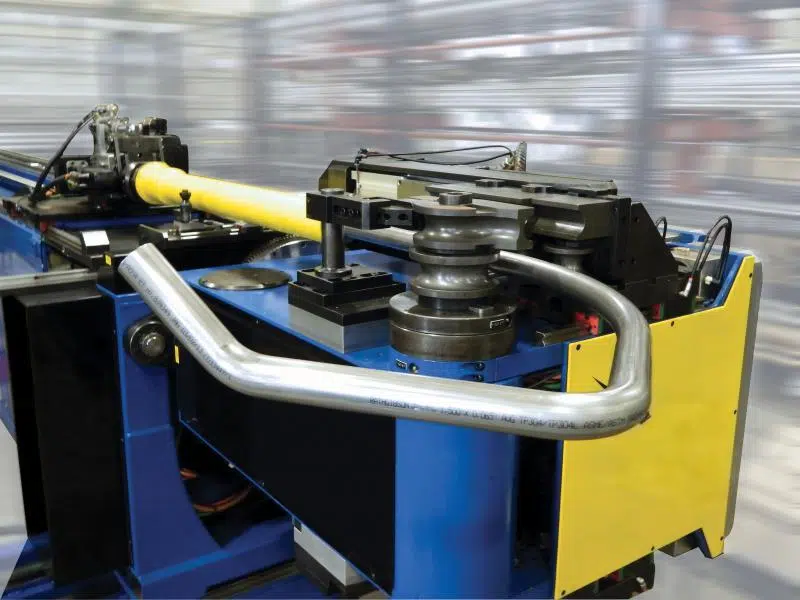
Minimizing Welding and Labor Costs
Traditional fabrication methods often require multiple cuts and welds, which increase labor hours and material waste. Tube bending simplifies this process by forming the required shape in a single operation. This not only reduces the need for additional materials and joints but also cuts down the time needed for assembly and inspection.
Lower Material Waste and Improved Efficiency
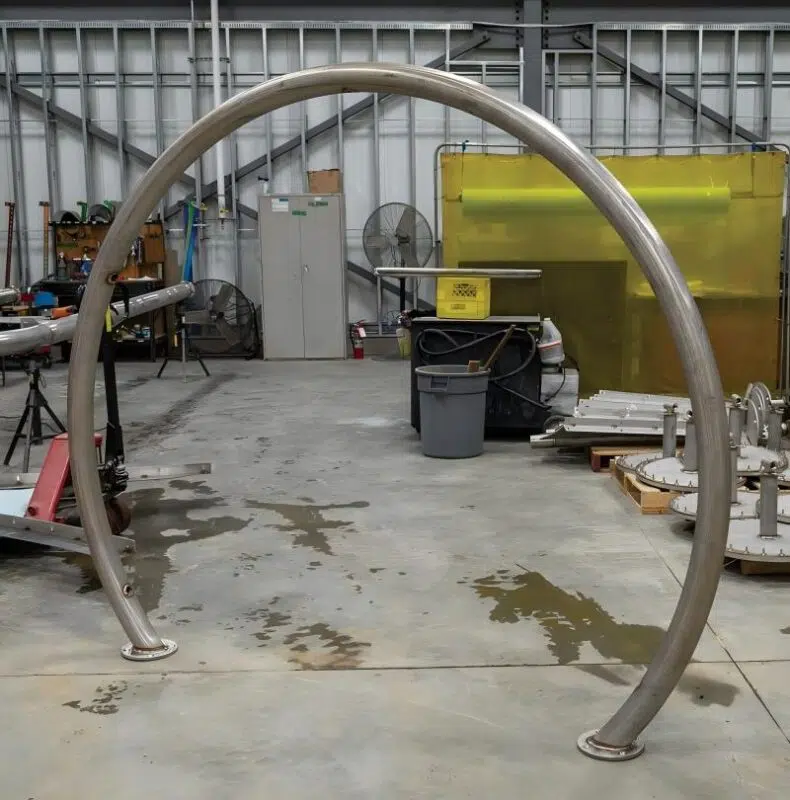
Modern CNC tube benders calculate the exact bending radius and angle, allowing for accurate production with minimal scrap. In bridge projects, where steel or aluminum tubes are used in large quantities, even small reductions in waste lead to significant cost savings. Additionally, automated tube bending systems improve consistency and reduce the likelihood of human error.
Design Flexibility and Aesthetic Advantages
Supporting Modern Architectural Designs
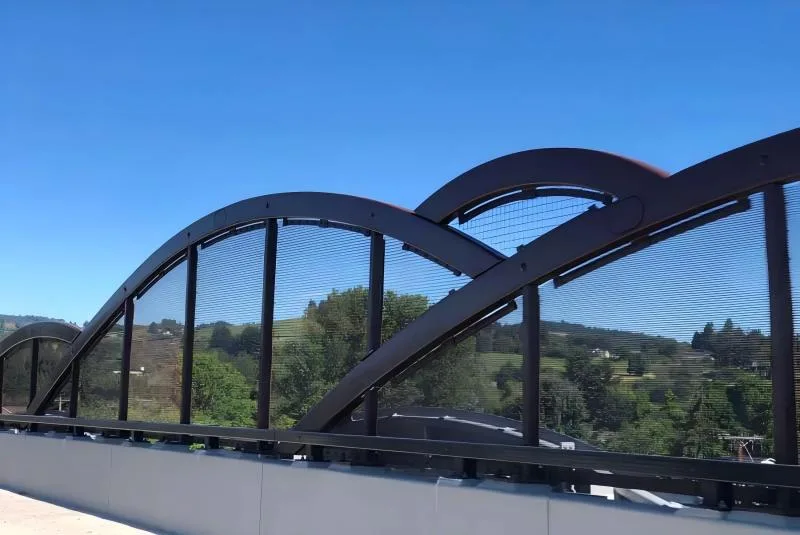
Today’s bridges are not only functional but also architectural landmarks. Tube Bending for Bridges Construction enables designers to experiment with complex curves, smooth transitions, and lightweight frameworks that maintain strength while achieving modern aesthetics. This flexibility makes tube bending a preferred solution for projects that require both engineering performance and visual appeal.
Enabling Custom Fabrication for Complex Projects
No two bridges are exactly alike. Tube bending technology allows engineers to customize each section according to the project’s unique requirements—be it for suspension cables, guard rails, trusses, or decorative elements. CNC control ensures precise bending angles that perfectly match digital design models, facilitating seamless integration into the overall structure.
Environmental and Safety Benefits
Sustainable Construction Practices
Reducing welding, rework, and material waste directly lowers carbon emissions during fabrication. Tube bending also enables the use of lighter yet stronger materials, which translates to energy savings in transportation and assembly. This makes it an environmentally friendly option for bridge builders pursuing sustainable infrastructure goals.
Increased Safety and Durability
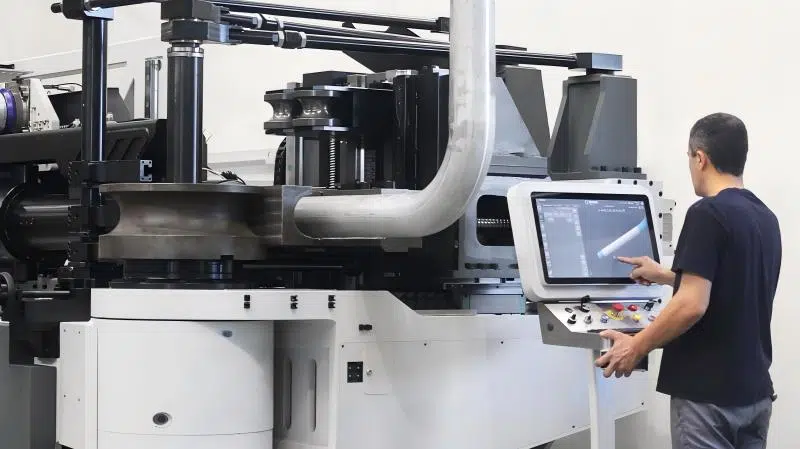
Bent tube structures eliminate many of the weak weld seams that can fail under stress or corrosion. With fewer joints, there are fewer opportunities for cracks to form. This results in safer bridges that can endure heavy loads, extreme weather, and long-term wear with minimal maintenance.
FAQs
What materials are typically used in tube bending for bridges construction?
Most bridge projects use carbon steel, stainless steel, or aluminum alloys. These materials offer excellent strength-to-weight ratios and can be precisely shaped using CNC tube bending machines.
How does tube bending improve the longevity of bridges?
By reducing welds and joints, tube bending minimizes potential stress points and corrosion zones, helping bridges maintain structural strength for decades.
Can tube bending handle large-diameter tubes used in bridge structures?
Yes. Advanced hydraulic and CNC tube benders can process large-diameter and thick-walled tubes with precise control, making them suitable for heavy bridge components.
Is tube bending suitable for both new constructions and bridge renovations?
Absolutely. Tube bending is often used for both new bridge frameworks and retrofitting existing structures, ensuring compatibility with modern design and safety standards.
Conclusion
In bridge construction, precision, safety, and cost efficiency are non-negotiable. Tube Bending for Bridges Construction meets all these needs by improving structural strength, reducing labor and material costs, and offering greater design flexibility. With CNC technology, fabricators can achieve superior quality and repeatability—key factors in the success of modern infrastructure projects.
If you’re planning a bridge construction or looking to upgrade your fabrication process, our professional team at HARSLE can help you choose the right bending solutions to meet your technical and production goals. Contact us today to learn more about our advanced tube bending machines and engineering support services.


