


Tube Bender Long Term Maintenance is the key factor I focus on when customers ask how to keep their tube bending machines accurate, reliable, and cost-efficient over many years of operation. If you are looking for a proven maintenance plan for long-term use, storage, or periods of low production, you’re in the right place. In this article, I’ll share how I build a practical long-term maintenance strategy for tube benders, which maintenance actions truly make a difference, and how a structured approach helps prevent precision loss, unexpected failures, and expensive repairs. Whether you operate a single CNC tube bender or oversee an entire production line, this guide is designed to help you safeguard your equipment and extend its service life.
Why Tube Bender Long Term Maintenance Matters
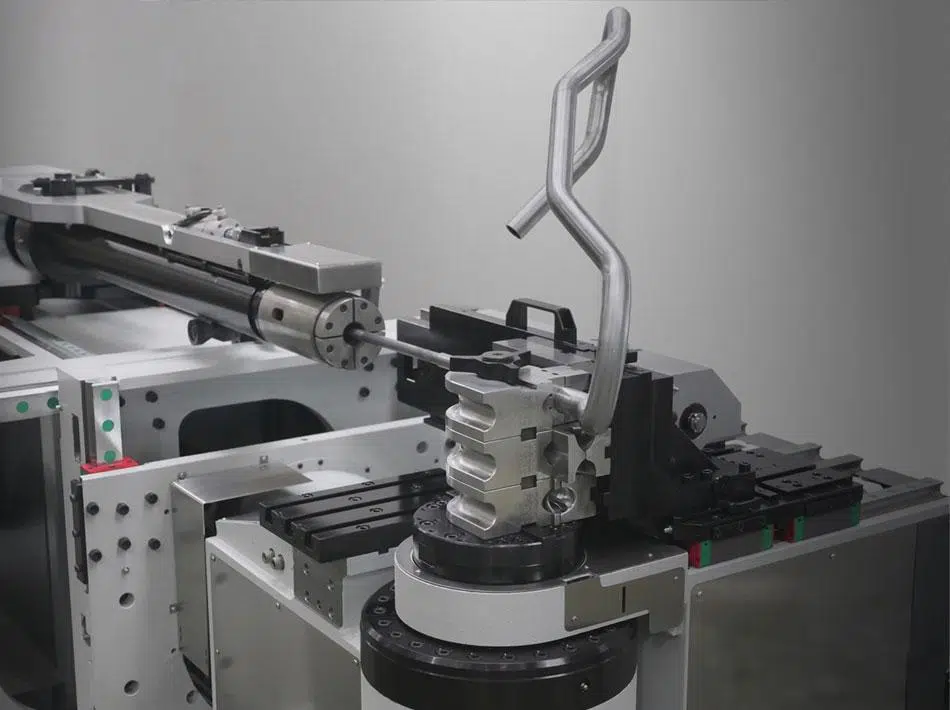
Tube benders are precision machines that combine mechanical drives, hydraulic systems, electrical components, and control software. Without a proper tube bender long term maintenance plan, idle periods can actually cause more damage than daily operation.
Long-term maintenance prevents:
- Corrosion on guides, shafts, and tooling
- Degradation of hydraulic oil and seals
- Sensor drift and calibration errors
- Electrical failures caused by moisture or dust
A structured maintenance strategy ensures the machine is always ready to return to production without costly re-commissioning.
How to Build an Effective Tube Bender Long Term Maintenance Plan
Step 1: Clean and Protect All Critical Components
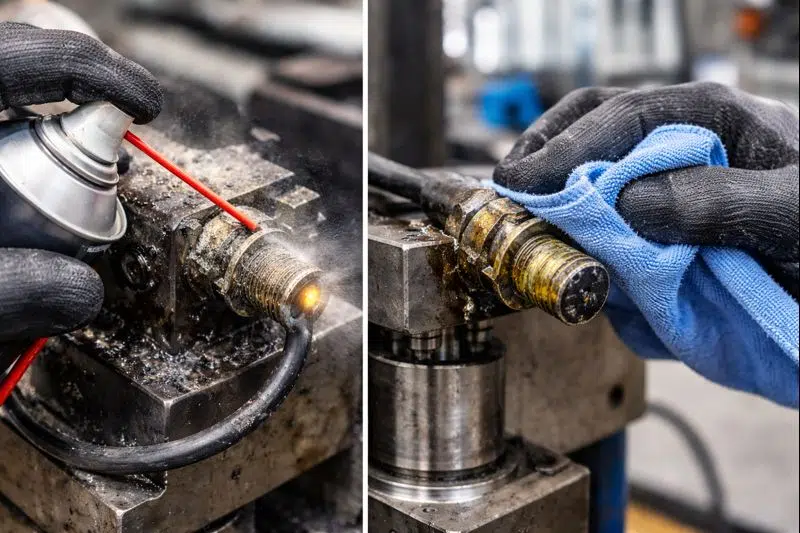
Before entering long-term maintenance or extended shutdown, I always start with a deep cleaning. Metal dust, oil residue, and moisture accelerate wear when machines sit idle.
Key actions include:
- Cleaning bending heads, clamps, mandrels, and pressure dies
- Removing chips and debris from guide rails and linear bearings
- Applying anti-rust oil to exposed metal surfaces
This step is essential for tube bender long term maintenance because corrosion often starts silently during inactivity.
Step 2: Lubrication and Anti-Corrosion Treatment
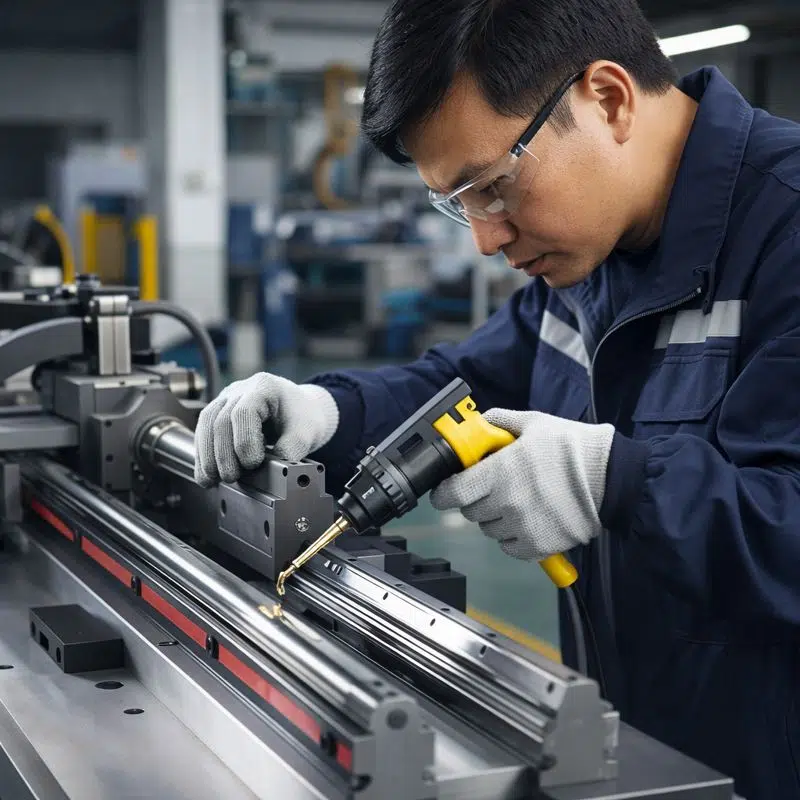
Proper lubrication is not just for operation—it’s critical for storage and long-term stability.
For effective tube bender long term maintenance:
- Lubricate all moving parts according to the manufacturer’s schedule
- Use protective grease on ball screws and gear systems
- Rotate axes periodically to distribute lubricant evenly
This prevents lubricant hardening and avoids flat spots or binding when the machine restarts.
Managing Hydraulic Systems During Long-Term Maintenance
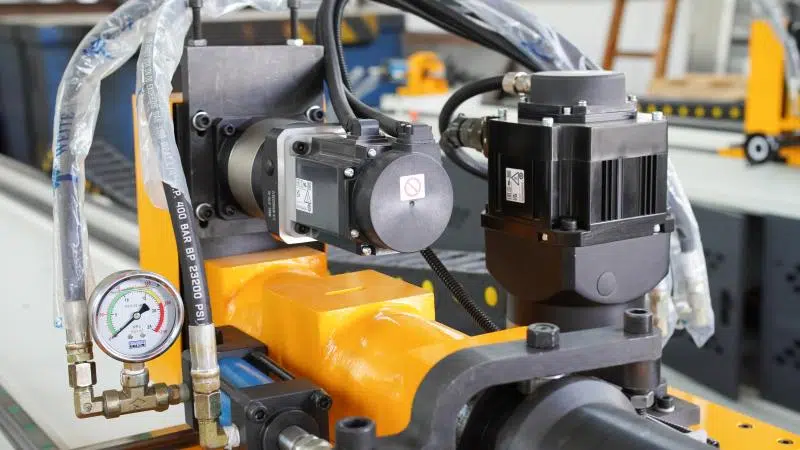
Hydraulic Oil Inspection and Protection
Hydraulic systems are especially vulnerable during extended downtime. I recommend checking oil condition before shutdown.
Best practices include:
- Inspecting hydraulic oil for contamination or moisture
- Replacing oil if it shows signs of oxidation
- Sealing hydraulic tanks and breathers properly
Healthy hydraulic systems are a cornerstone of tube bender long term maintenance and help prevent seal failure.
Pressure Release and Seal Protection
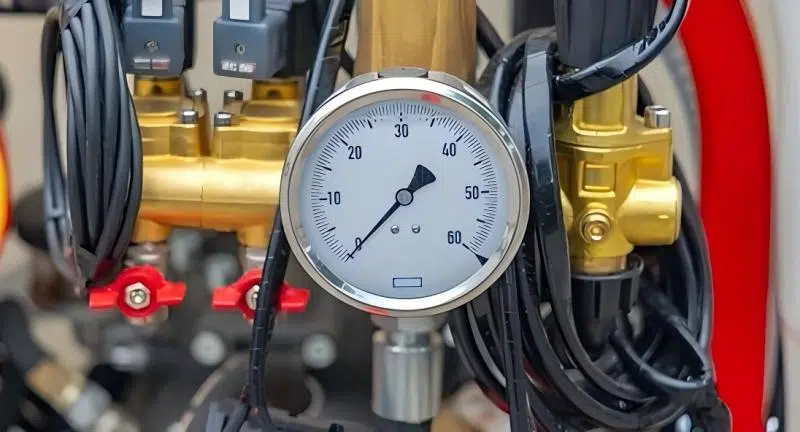
Before long-term shutdown, always release system pressure. Leaving pressure in the system can deform seals over time.
I also suggest:
- Cycling valves briefly before shutdown
- Protecting exposed cylinder rods with rust inhibitors
These steps significantly reduce hydraulic repair risks.
Electrical and Control System Maintenance for Tube Benders
Protecting Electrical Cabinets and Wiring
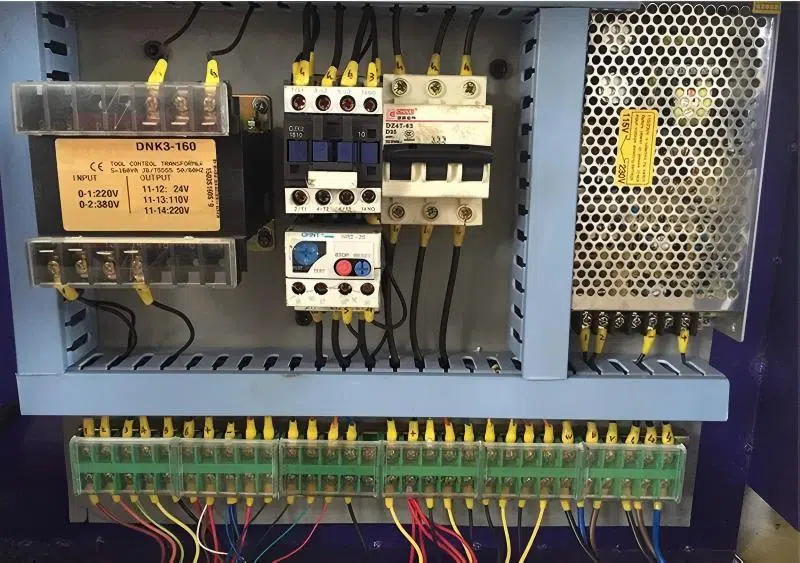
Electrical systems suffer most from humidity and dust during idle periods. For long-term maintenance, I focus on environmental control.
Important steps:
- Powering down correctly and disconnecting external power if required
- Sealing electrical cabinets
- Using moisture absorbers inside control panels
This approach ensures stable CNC performance when production resumes.
Backup and Software Stability
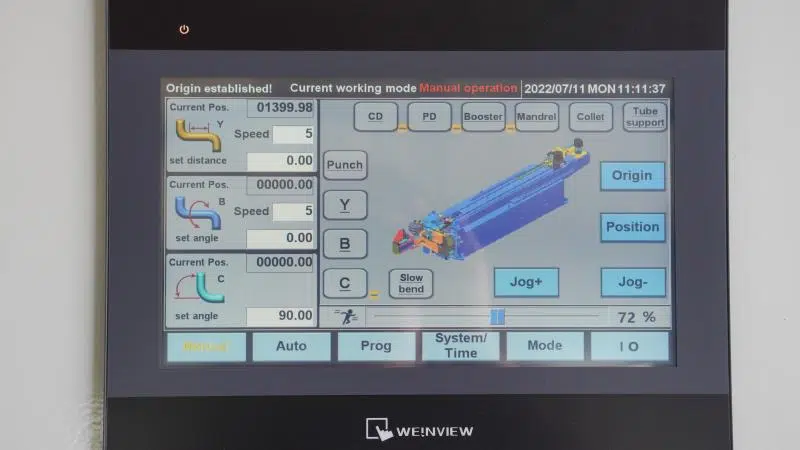
As part of tube bender long term maintenance, I always back up CNC programs, parameters, and machine configurations.
This protects against:
- Data loss
- Controller failure
- Accidental parameter resets
It also speeds up machine recovery after long storage.
Tooling and Mechanical Alignment Checks
Tooling Storage and Protection
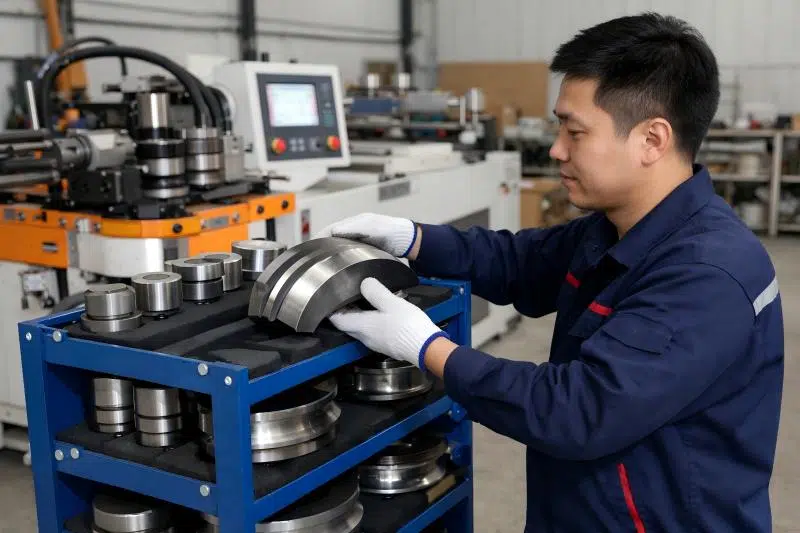
Mandrels, dies, and clamps are precision tools that need the same care as the machine itself.
For long-term maintenance:
- Remove tooling from the machine if possible
- Clean and coat with rust protection
- Store in dry, organized conditions
This prevents deformation and ensures bending accuracy remains consistent.
Periodic Alignment Verification
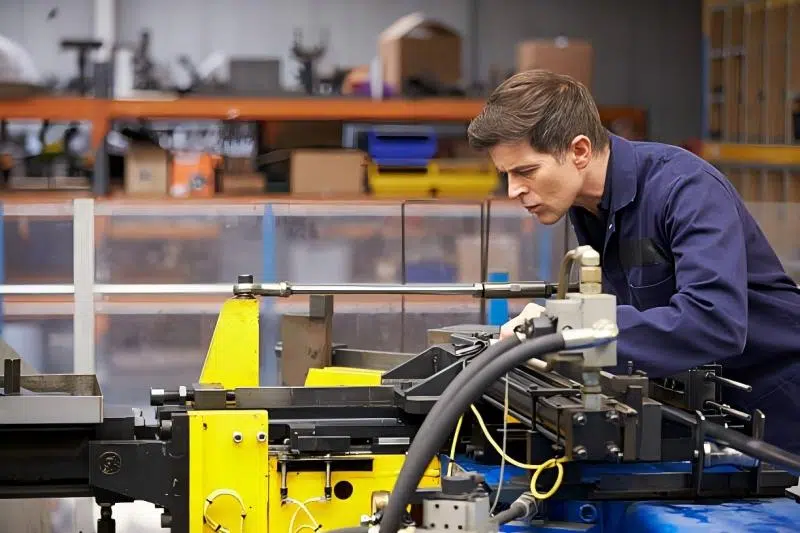
Even during long idle periods, I recommend checking alignment at scheduled intervals. Small shifts can occur due to temperature changes or mechanical settling.
This proactive check supports long-term dimensional accuracy.
Preventive Maintenance Schedule for Long-Term Care
A successful tube bender long term maintenance plan follows a schedule, not guesswork.
I recommend:
- Monthly visual inspections
- Quarterly lubrication and axis movement checks
- Annual full system inspection if the machine remains idle
This layered approach prevents minor issues from turning into major failures.
FAQs
How often should tube bender long term maintenance checks be performed?
I recommend monthly inspections during long-term downtime, with more detailed checks every three to six months depending on environmental conditions.
Is tube bender long term maintenance different from daily maintenance?
Yes. Long-term maintenance focuses more on corrosion prevention, fluid stability, and component protection rather than wear from operation.
Should CNC tube benders be powered on during long-term maintenance?
Periodic power-on checks are beneficial, but they should be done under controlled conditions to avoid electrical stress.
Can improper long-term maintenance affect bending accuracy?
Absolutely. Corrosion, sensor drift, and mechanical binding can all reduce accuracy if long-term maintenance is neglected.
Conclusion
A well-planned Tube Bender Long Term Maintenance strategy is one of the most effective ways to protect machine accuracy, reduce downtime, and extend service life. By focusing on cleaning, lubrication, hydraulic protection, electrical care, and scheduled inspections, you can ensure your tube bender is always ready for production—even after long idle periods. If you want tailored maintenance recommendations or support for your specific tube bender model, feel free to contact the HARSLE technical team or explore our related documentation for deeper guidance.


