


Tube Bender Wear Parts Replacement Intervals often vary significantly from one factory to another, leaving many customers wondering why the same machine performs so differently in daily production. If you are searching for clear and practical explanations behind tube bender wear parts replacement, you are in the right place. In this article, I’ll break down the key factors that influence replacement intervals, including material selection, production volume, machine setup, and daily maintenance practices. By understanding these variables, you can avoid premature wear, reduce unplanned downtime, and build maintenance schedules that truly match your production reality.
Operating Conditions and Production Intensity
High-Volume Production and Continuous Operation
One of the most important factors affecting Tube Bender Wear Parts Replacement is how intensively the machine is used. A tube bender running two or three shifts per day will naturally consume wear parts faster than a machine used intermittently. Components such as mandrels, wiper dies, pressure dies, and clamp inserts experience constant friction and mechanical load during high-volume production.
In continuous operation, heat buildup and repeated stress accelerate material fatigue. Even high-quality tooling will reach its wear limit sooner if cycle times are short and rest periods are minimal. This is why replacement intervals must always be adjusted based on actual operating hours rather than calendar time.
Material Type and Wall Thickness
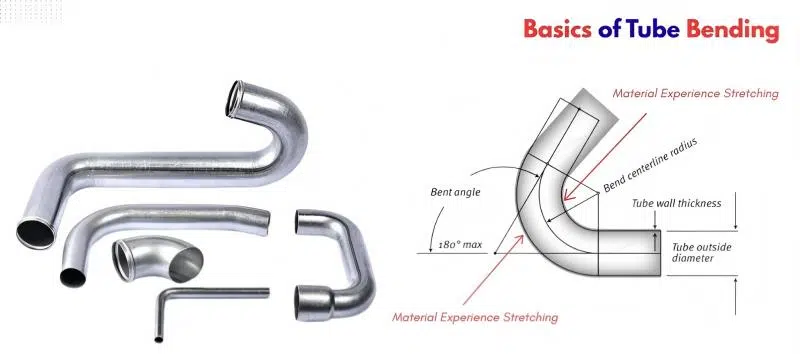
The type of tube material being bent has a direct impact on wear rates. Stainless steel, high-strength steel, and thick-wall tubes generate more friction and force during bending compared to mild steel or aluminum. These higher forces increase surface wear on mandrels and dies, shortening their effective service life.
If your production frequently switches between materials, replacement intervals for tube bender wear parts should be reviewed regularly. A setup optimized for aluminum may not last nearly as long when used for stainless steel without adjustment.
Tooling Quality and Design Factors
Tool Material and Surface Treatment
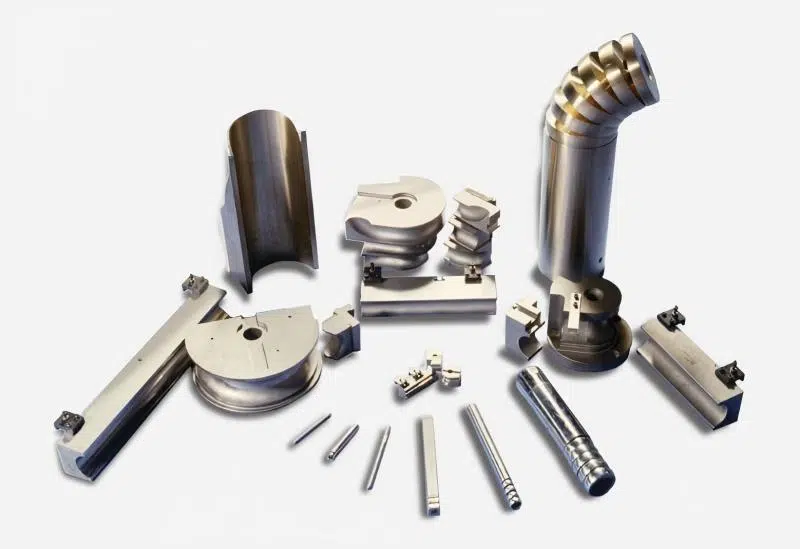
Not all wear parts are created equal. The material grade and surface treatment of mandrels, dies, and pressure components play a critical role in Tube Bender Wear Parts Replacement intervals. Hardened steel, alloy materials, and surface coatings such as nitriding or chrome plating significantly improve wear resistance.
In my experience, investing in higher-quality tooling often extends replacement intervals enough to offset the initial cost. Poor-quality tooling may appear economical at first but usually leads to frequent replacements and inconsistent bending results.
Tooling Fit and Alignment
Incorrect tooling alignment is a silent wear accelerator. When mandrels or dies are not properly aligned with the bending axis, uneven contact occurs. This leads to localized wear, surface damage, and even unexpected breakage.
Regular inspection of tooling fit, especially after changeovers or maintenance work, helps maintain stable Tube Bender Wear Parts Replacement intervals and prevents unnecessary tooling damage.
Machine Setup and Parameter Settings
Bending Speed and Feed Rate
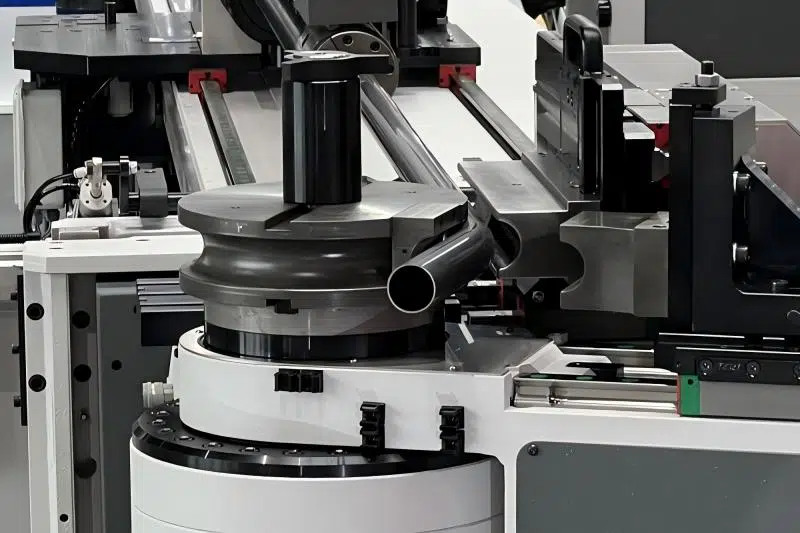
Aggressive bending speeds may increase output in the short term, but they often reduce wear part lifespan. High speeds increase friction and impact forces on tooling surfaces. Over time, this leads to faster wear and more frequent replacement.
Optimizing bending speed based on material type, wall thickness, and bend radius helps balance productivity with tooling longevity. In many cases, slightly slower speeds result in longer Tube Bender Wear Parts Replacement intervals and more consistent quality.
Boost, Pressure, and Mandrel Position
Incorrect boost pressure, excessive clamping force, or improper mandrel positioning can all contribute to accelerated wear. Excessive pressure increases friction, while insufficient support causes vibration and micro-movements that damage tooling surfaces.
Fine-tuning these parameters based on real bending conditions is one of the most effective ways to extend wear part life without sacrificing accuracy.
Maintenance Practices and Lubrication
Lubrication Quality and Application Frequency
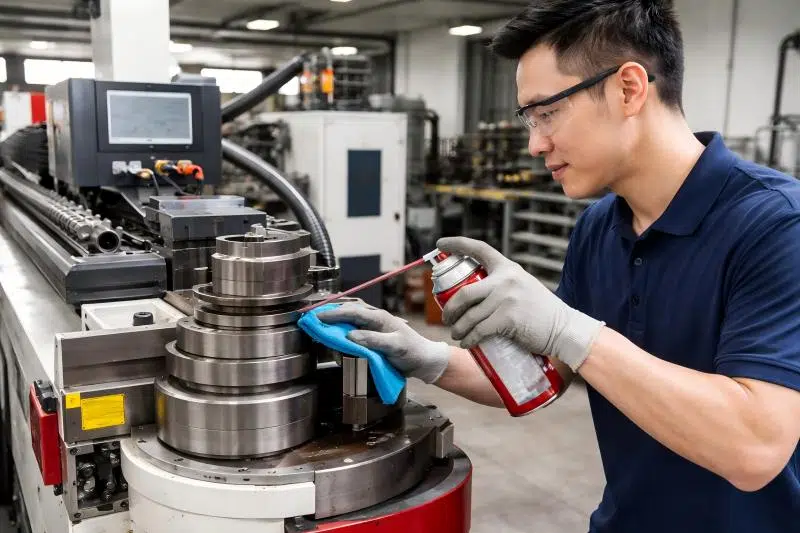
Lubrication is often underestimated, yet it is one of the strongest influences on Tube Bender Wear Parts Replacement. Proper lubrication reduces friction, controls heat, and protects tooling surfaces from direct metal-to-metal contact.
Using the correct lubricant type and applying it consistently ensures stable wear patterns. In contrast, poor lubrication practices lead to rapid mandrel wear, scoring, and unpredictable replacement intervals.
Routine Inspection and Preventive Maintenance
Regular inspection allows operators to identify early signs of wear before failure occurs. Small cracks, surface scoring, or abnormal vibration are warning signals that replacement or adjustment is needed.
Preventive maintenance schedules based on operating hours rather than failure events help maintain predictable Tube Bender Wear Parts Replacement cycles and avoid sudden production stops.
Operator Skill and Process Consistency
Operator Experience and Setup Accuracy
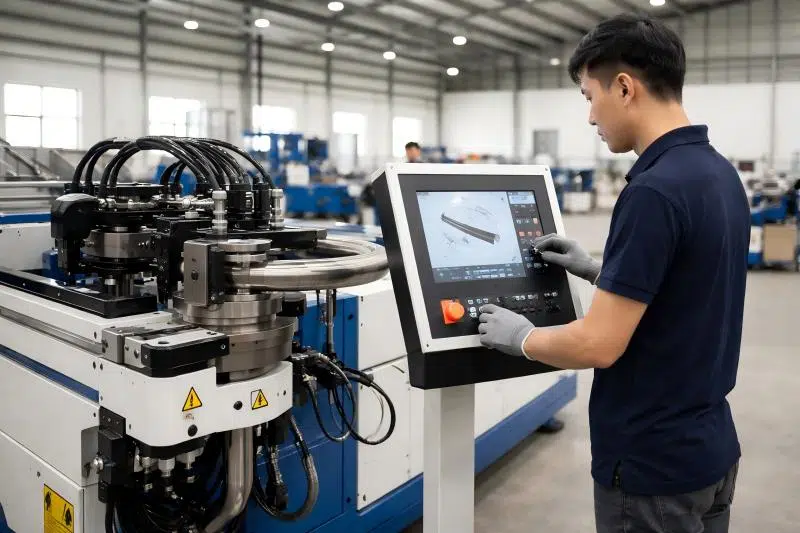
Operator skill directly affects wear part life. Experienced operators are more likely to set correct parameters, identify abnormal sounds or resistance, and respond quickly to changes in bending behavior.
Inconsistent setups between shifts often result in uneven wear and shortened replacement intervals. Standardized setup procedures and operator training significantly improve tooling lifespan.
Process Stability and Repeatability
Stable, repeatable processes reduce unnecessary stress on wear parts. Frequent parameter changes, inconsistent material batches, or unplanned adjustments all increase wear variability.
Documented bending programs and controlled process changes help maintain consistent Tube Bender Wear Parts Replacement intervals across different production runs.
FAQs
How do I know when Tube Bender Wear Parts Replacement is really necessary?
Signs include inconsistent bend angles, surface scratches, increased vibration, or higher force requirements. Regular inspection combined with performance monitoring provides the most reliable indication.
Can better lubrication really extend Tube Bender Wear Parts Replacement intervals?
Yes. Proper lubrication significantly reduces friction and heat, which are primary causes of tooling wear. Many premature replacements are linked directly to lubrication issues.
Should replacement intervals be based on time or operating hours?
Operating hours and production intensity are far more accurate. Time-based replacement often leads to either premature changes or unexpected failures.
Conclusion
Tube Bender Wear Parts Replacement intervals are influenced by far more than just tooling quality. Operating conditions, material type, machine setup, maintenance practices, and operator skill all play critical roles. By understanding and controlling these factors, you can extend wear part life, reduce downtime, and maintain consistent bending quality. If you need help evaluating your current replacement strategy or selecting the right tooling and maintenance plan, feel free to contact the HARSLE team or explore our related tube bender documentation for deeper guidance.


