


Tube Benders in HVAC Manufacturing are crucial for creating efficient and long-lasting heating, ventilation, and air conditioning systems. If you’ve ever wondered how these machines impact production quality and performance, you’re in the right place. In this article, I’ll explore how tube benders enhance manufacturing efficiency, improve precision, and help producers build reliable HVAC systems that comply with strict industry standards. Whether you’re an equipment buyer, production engineer, or factory owner, this guide will help you understand why choosing the right tube bending technology is key to achieving consistent, high-quality results.
The Importance of Tube Benders in HVAC Production
Tube benders are at the heart of HVAC system manufacturing because they allow the creation of smooth, precise bends in copper, aluminum, or stainless-steel tubing. These tubes carry refrigerant, air, or water throughout HVAC systems, and even a small deviation in angle or radius can affect system efficiency. By using CNC-controlled tube benders in HVAC manufacturing, producers can guarantee accuracy and repeatability in every component.
Precision and Consistency in Tube Shaping
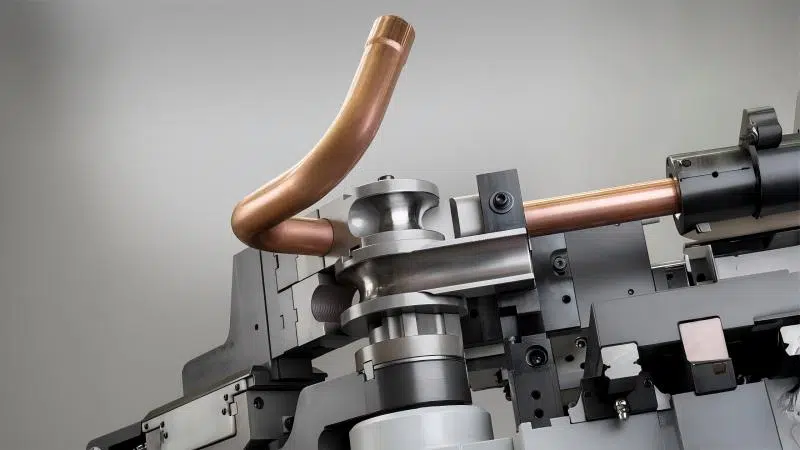
Modern CNC tube benders ensure that every bend meets exact specifications. Unlike manual bending, which can introduce variations, automated machines provide consistency across hundreds or thousands of parts. This precision is critical in HVAC manufacturing, where tight tolerances directly impact airflow and heat transfer performance.
Reduced Material Waste and Production Costs
Using automated tube benders in HVAC production reduces material waste by optimizing bend sequences and minimizing trial errors. Smart software allows engineers to simulate bending paths before production begins, which saves both raw material and time. This results in lower manufacturing costs and improved profitability.
Enhanced Production Efficiency
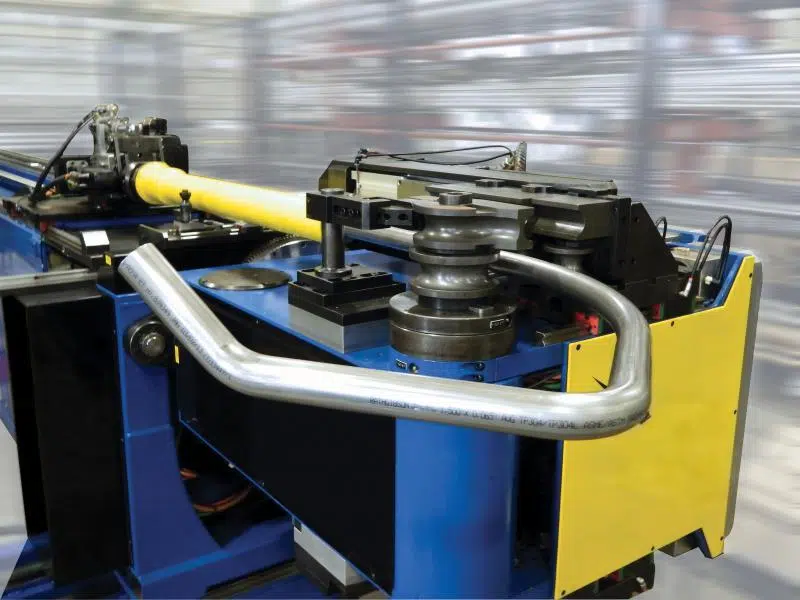
Automation and servo control systems enable tube benders to work faster while maintaining consistent quality. For high-volume HVAC component manufacturers, such as those producing coils, condensers, or heat exchangers, this translates into shorter lead times and higher throughput without sacrificing accuracy.
Improved System Performance and Reliability
The quality of tube bends directly affects HVAC system efficiency. Smooth, wrinkle-free bends ensure optimal refrigerant flow and reduce pressure losses. Proper bending also minimizes the risk of cracking or leakage, extending the lifespan of the final product.
How Tube Benders Support Modern HVAC System Design
Flexibility for Complex Tube Configurations
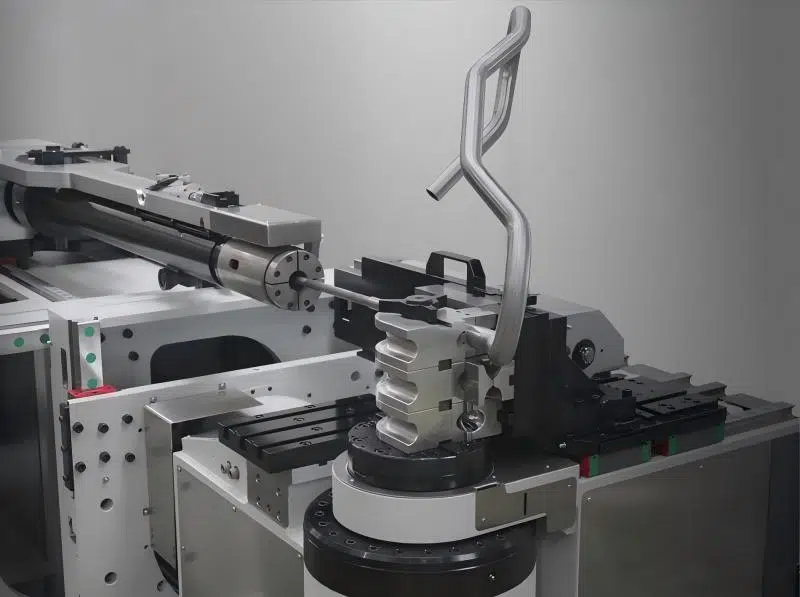
Modern HVAC systems often require intricate tube geometries to fit compact designs or custom installations. Advanced multi-axis CNC tube benders in HVAC manufacturing can produce these complex shapes effortlessly, supporting innovative system designs and customized projects.
Integration with CAD/CAM Software
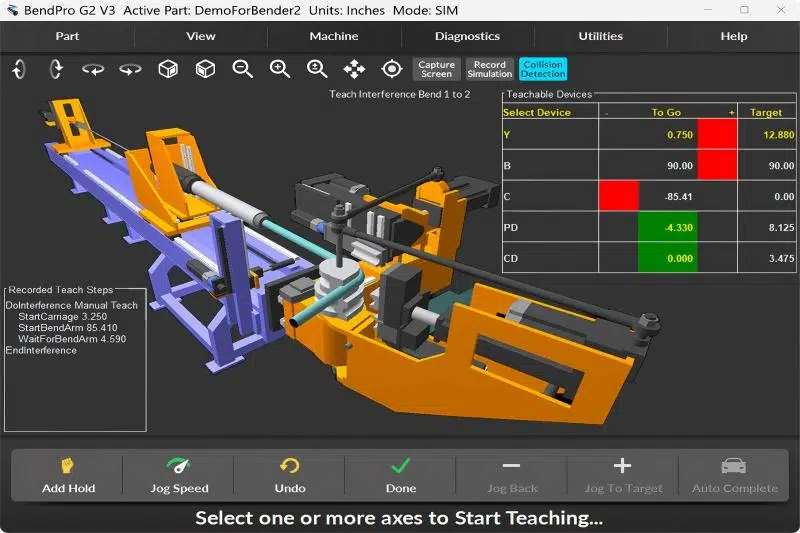
CNC tube benders can import design data directly from CAD/CAM software, reducing human error and streamlining production planning. This integration ensures every tube matches the digital model precisely, which is vital for modular HVAC systems or automated assembly lines.
Sustainability and Energy Efficiency
Efficient bending processes not only save materials but also contribute to sustainability goals. By optimizing production and minimizing scrap, manufacturers reduce their environmental footprint—an important factor as the HVAC industry moves toward greener technologies.
Best Practices for Operating Tube Benders in HVAC Manufacturing
Regular Calibration and Maintenance
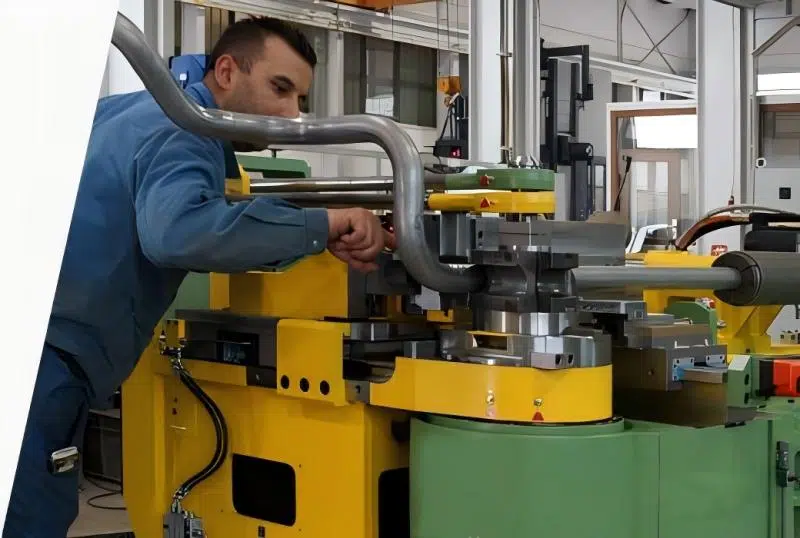
To maintain bending accuracy, it’s important to calibrate machines regularly. Checking alignment, adjusting pressure settings, and cleaning mandrels help prevent deformation and ensure smooth bending performance.
Choosing the Right Tooling and Mandrel
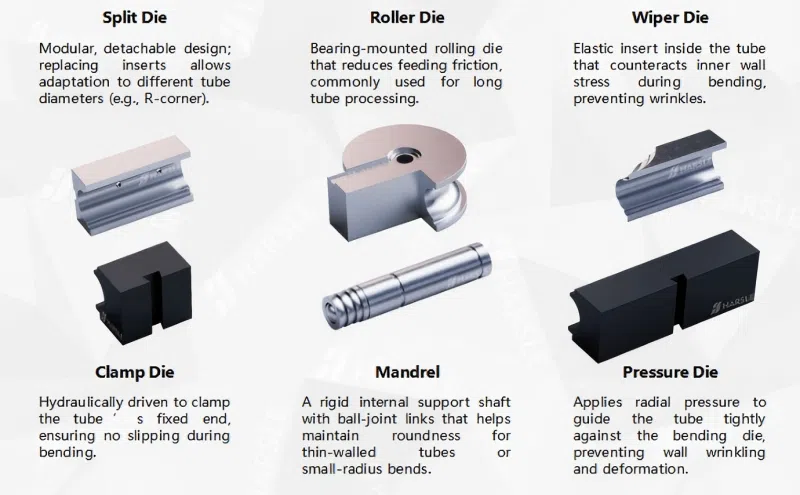
Selecting appropriate tooling is key to achieving precise results. For HVAC applications involving thin-walled tubes, using the correct mandrel and die radius prevents flattening or collapsing during bending.
Training and Safety Practices
Operators should be trained not only on machine controls but also on safe handling of tubing materials. Proper training minimizes errors, reduces accidents, and enhances overall production quality.
FAQs
What materials can tube benders handle in HVAC manufacturing?
Tube benders can process copper, aluminum, stainless steel, and sometimes titanium tubes. Each material requires specific bending speed and pressure settings to maintain structural integrity.
How do CNC tube benders improve HVAC system efficiency?
CNC control ensures accurate, repeatable bends that maintain proper refrigerant or airflow paths, reducing resistance and energy consumption.
What’s the difference between manual and CNC tube benders for HVAC production?
Manual benders rely on operator skill and are suitable for small batches. CNC benders automate the process, delivering consistent results and higher productivity for large-scale HVAC component manufacturing.
How often should I perform maintenance on my tube bender?
Preventive maintenance should be conducted every 500–800 operating hours, including lubrication, component inspection, and system recalibration.
Conclusion
Tube benders are indispensable in modern HVAC manufacturing. They provide the precision, repeatability, and flexibility needed to produce high-performance systems that meet global efficiency and safety standards. By adopting CNC Tube Benders in HVAC Manufacturing, companies can cut costs, improve quality, and enhance sustainability—all while meeting the growing demand for energy-efficient climate control solutions.


