


When it comes to building amusement rides, safety and precision are the top priorities. Tube Bending in Amusement Ride Manufacturing plays a vital role in ensuring that every structure—from roller coaster frames to support arms—is strong, reliable, and perfectly aligned. In this article, I’ll explain how advanced tube bending technology supports safer and more durable ride construction by improving accuracy, reducing stress points, and optimizing the mechanical integrity of every curved section. Whether you’re designing, fabricating, or maintaining amusement rides, this guide will help you understand how tube bending contributes to both safety and performance.
The Role of Tube Bending in Amusement Ride Safety
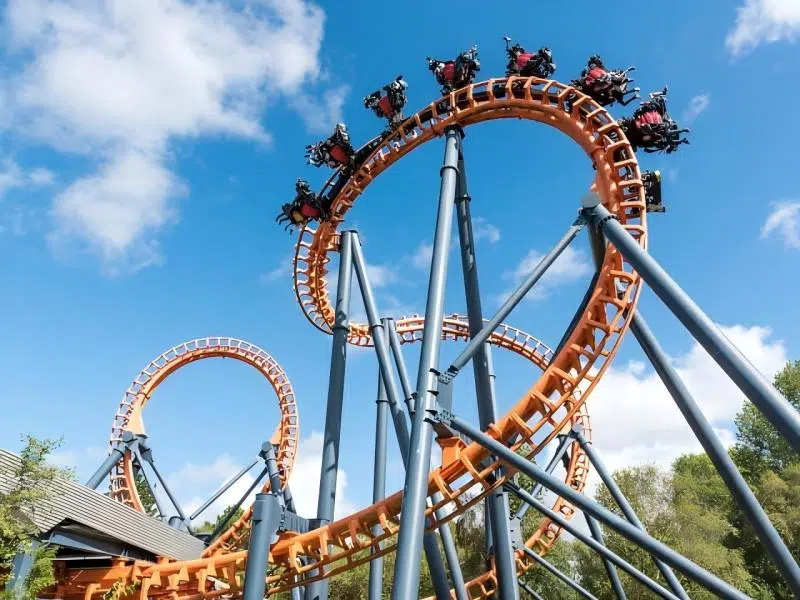
Designing Stable and Stress-Free Structures
In amusement ride manufacturing, tube bending allows engineers to create smooth, continuous curves instead of welded joints or sharp corners. This design significantly reduces stress concentration, which is often the cause of material fatigue or cracking. By using precision bending, each tube follows the intended geometry without deformation, ensuring that the overall ride structure maintains its designed strength and load-bearing capacity.
Ensuring Dimensional Accuracy and Consistency
Accuracy is essential when assembling large ride components such as frames, rails, and safety cages. Modern CNC tube bending machines ensure that every bend is consistent within tight tolerances, which guarantees perfect alignment during assembly. Consistent tube bending reduces installation errors and enhances ride stability under dynamic loads, such as high-speed turns or repetitive motion.
Using High-Strength Materials with Precision Control
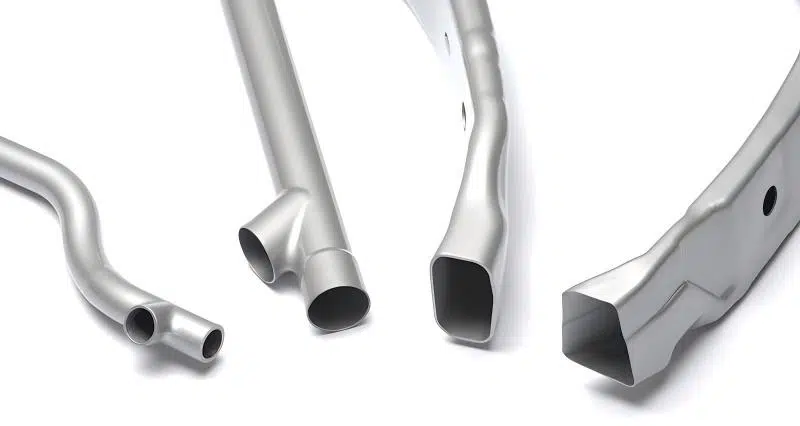
Amusement rides often use high-tensile steel or aluminum tubes that must be bent without compromising their structural integrity. Advanced tube bending equipment applies precise force and controlled pressure to prevent flattening or cracking of the material. This ensures that even the strongest materials maintain their mechanical properties after bending—an essential factor for long-term durability and passenger safety.
Technological Innovations in Tube Bending
CNC Control Systems for Accuracy
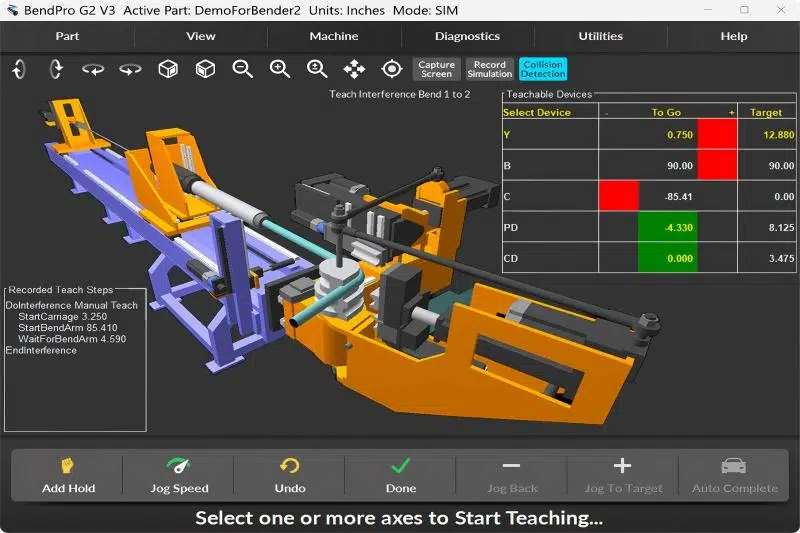
CNC-controlled tube benders provide real-time feedback and digital precision during the bending process. This technology helps manufacturers achieve complex multi-radius bends with minimal error, reducing the need for rework. In amusement ride manufacturing, this translates to safer, smoother track curves and more reliable mechanical linkages.
Mandrel and Rotary Draw Techniques
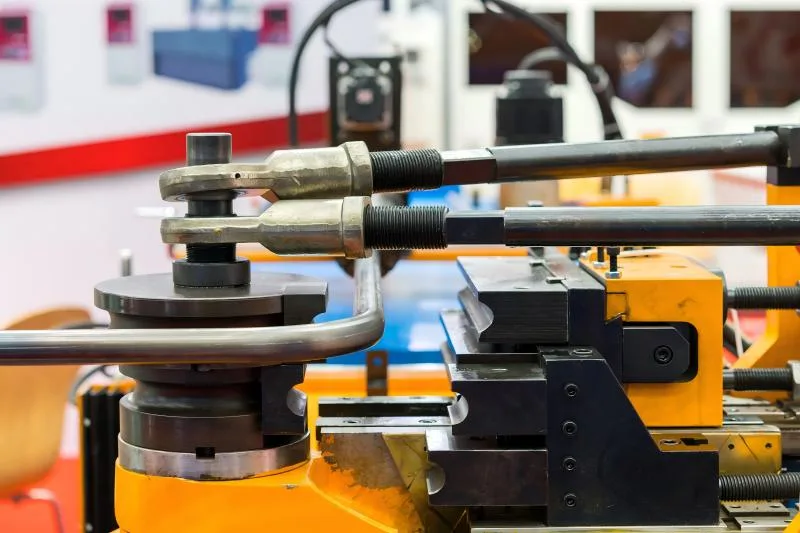
To meet the strict safety standards of amusement rides, mandrel and rotary draw bending techniques are commonly used. These methods support the inner diameter of the tube during bending, preventing collapse and wrinkling. The result is a high-quality bend that maintains full strength across the entire curve—critical for components exposed to constant stress and vibration.
Automated Quality Control
Automated inspection systems integrated into modern tube benders ensure each piece is measured and verified immediately after production. Parameters such as bend angle, radius, and wall thickness are checked to ensure compliance with strict manufacturing standards. This reduces human error and ensures that every tube component contributes to overall ride safety.
Common Applications of Tube Bending in Amusement Rides
- Roller Coaster Rails: Smooth, continuous track sections designed for high-speed movement.
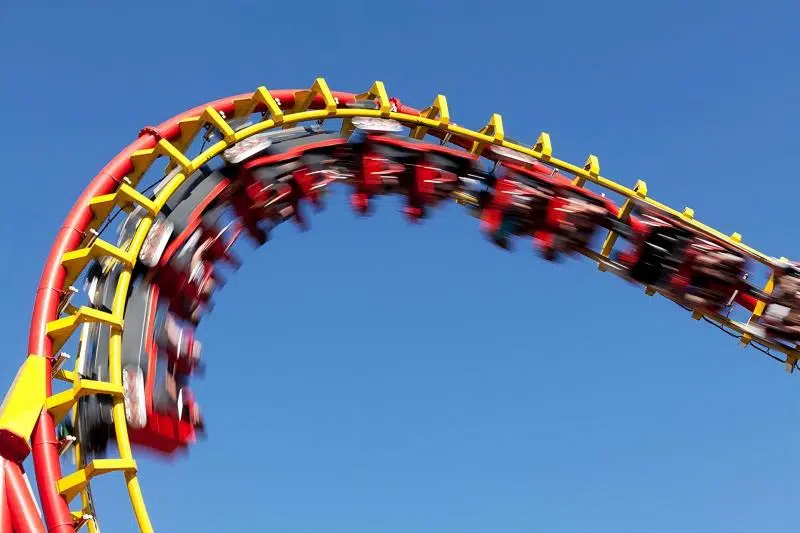
- Support Frames: Structural backbones ensuring strength and stability under heavy loads.
- Safety Barriers and Cages: Protective frames that absorb energy and protect passengers.
- Hydraulic and Pneumatic Systems: Precisely bent tubes that guide fluids for motion control.
Each of these applications relies on precision tube bending to maintain both functional performance and passenger safety.
FAQs
Why is tube bending preferred over welding in amusement ride manufacturing?
Tube bending creates seamless curves without joints, reducing weak points that could lead to fatigue or cracking. This increases the overall safety and lifespan of the ride.
How does CNC tube bending improve safety standards?
CNC control ensures each bend is consistent and within tolerance, preventing structural misalignment and guaranteeing that all components fit perfectly during assembly.
What materials are most commonly used for tube bending in rides?
High-strength carbon steel, stainless steel, and aluminum alloys are most common because they offer excellent strength-to-weight ratios and corrosion resistance.
Conclusion
Precision Tube Bending in Amusement Ride Manufacturing is essential for achieving both safety and efficiency in modern ride construction. By enabling accurate, smooth, and reliable bends, it reduces mechanical stress, enhances material strength, and ensures that every ride component performs as intended under extreme conditions.
If you want to improve the quality and safety of your amusement ride production line, consider upgrading to a HARSLE CNC tube bending solution. Our advanced systems deliver consistent accuracy, long-term reliability, and outstanding productivity for every fabrication challenge.


