


Tube Bending for Petrochemical Equipment is essential for creating durable and efficient systems that can withstand the industry’s demanding conditions. If you’re curious about how this process helps extend the lifespan of pipelines, reactors, and other critical components, you’re in the right place. In this article, I’ll explain how advanced tube bending technology reduces stress concentrations, enhances corrosion resistance, and ensures long-term reliability under high pressure and temperature. Whether you’re responsible for production or maintenance, this guide will show you why precise tube bending is the key to achieving lasting performance and operational safety.
Why Tube Bending Matters in Petrochemical Equipment
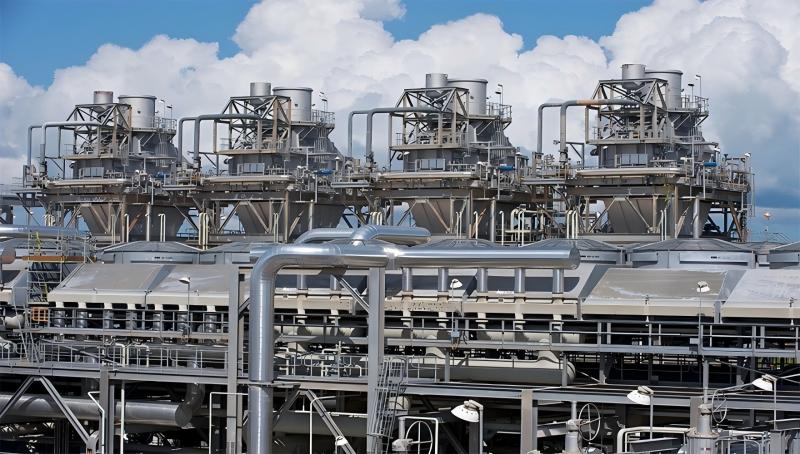
In petrochemical environments, tubes and pipes face extreme conditions—heat, pressure, and chemical exposure. Improper bending can lead to weak spots, cracks, or uneven wall thickness, all of which shorten equipment life. Tube Bending for Petrochemical Equipment ensures that every curve and connection maintains structural integrity and precise alignment. This not only enhances performance but also reduces the risk of leakage or costly downtime due to system failure.
Precision Engineering for Critical Applications
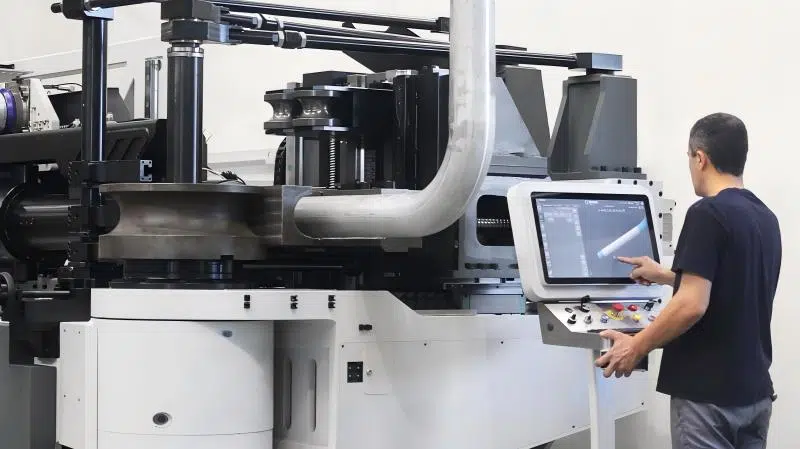
Modern CNC tube benders deliver precise, repeatable bends that meet exact engineering standards. The machines use servo-controlled axes to achieve consistent radii, ensuring the inner and outer walls remain uniform. This precision is vital for equipment like heat exchangers, condensers, and pressure vessels, where even minor deformation can cause long-term reliability issues.
Reducing Welding and Joint Fatigue
Each weld in a petrochemical system represents a potential failure point. By incorporating precision bending, manufacturers can reduce the number of weld joints required, leading to improved safety and longer service life. Fewer welds mean less risk of fatigue cracking, reduced inspection needs, and lower overall maintenance costs.
How Proper Tube Bending Extends Equipment Lifespan
Enhancing Material Strength and Flow Efficiency
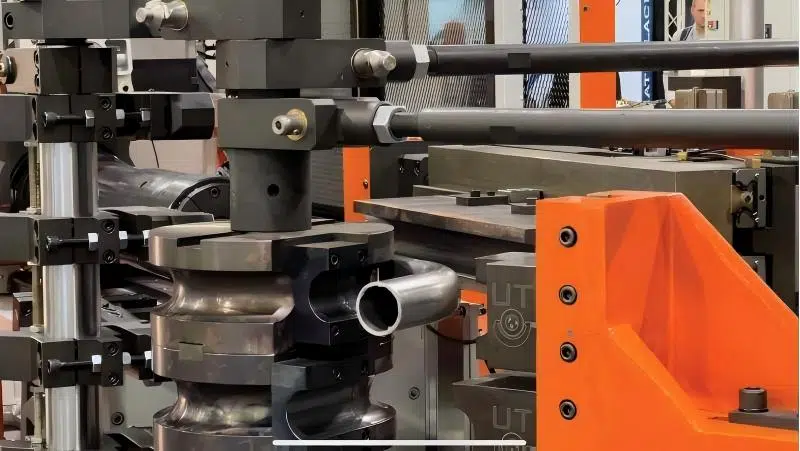
Accurate bending helps maintain the metallurgical properties of the tube material. When bending is done at controlled speeds and temperatures, the metal structure remains stable, avoiding microcracks or thinning. Smooth, well-formed bends also promote efficient fluid flow, reducing turbulence and internal friction that can accelerate wear and corrosion.
Minimizing Corrosion and Erosion
Petrochemical systems often transport corrosive or abrasive materials. A poorly bent tube creates irregular surfaces where fluids can stagnate, increasing corrosion risk. Proper tube bending eliminates sharp angles and maintains smooth internal walls, allowing chemicals and gases to flow evenly and preventing erosion at critical points.
Ensuring Tight Dimensional Tolerances
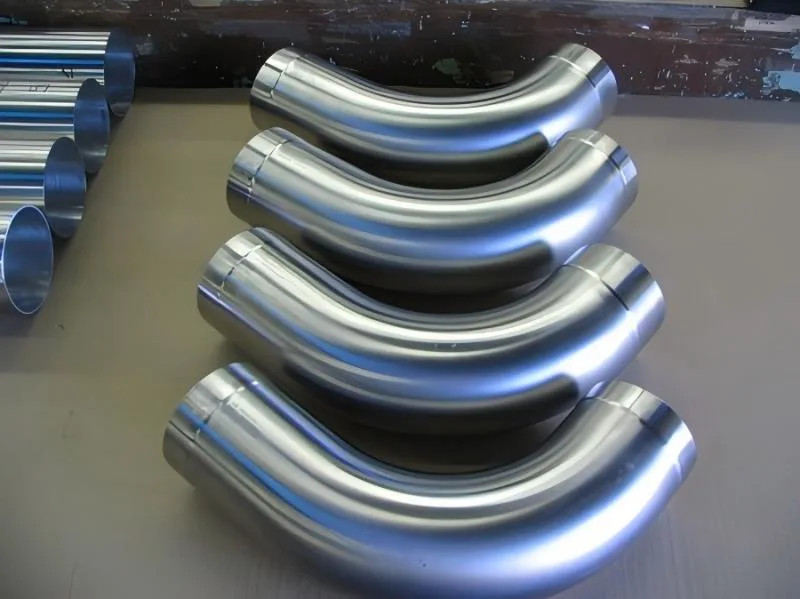
Precision bending ensures that every section of tubing fits seamlessly within the system design. Tight tolerances are essential for connecting complex assemblies like heat exchangers, reactors, and pump systems. Consistent geometry also simplifies assembly and reduces stress concentration, further extending the service life of the entire equipment network.
Maintenance Benefits of Quality Tube Bending
Easier Inspection and Replacement
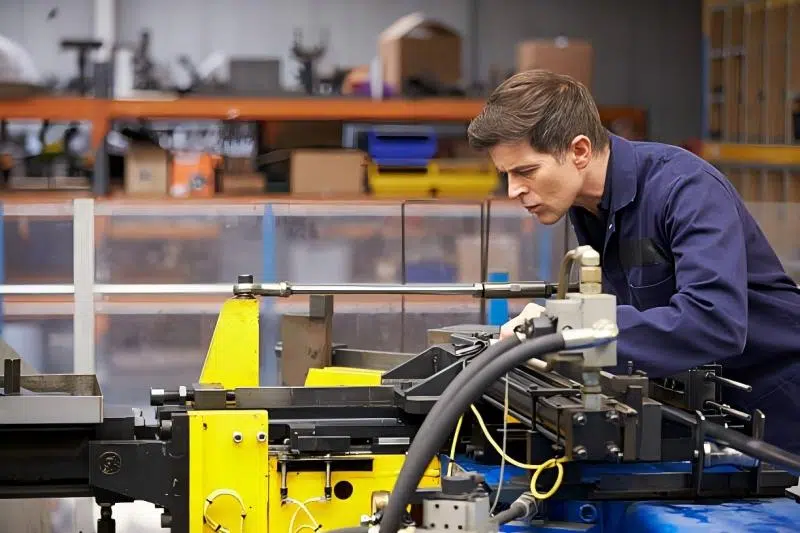
Accurately bent tubes fit perfectly into place, making visual inspections, ultrasonic testing, or corrosion checks more efficient. In addition, when components do need replacement, consistent bend geometry ensures that new parts align easily without requiring on-site modifications.
Reducing Downtime and Repair Costs
Poorly fabricated bends often lead to leaks or premature failure, forcing unplanned shutdowns. In contrast, Tube Bending for Petrochemical Equipment designed with CNC precision reduces the frequency of these interruptions. Over time, this reliability translates into lower total ownership costs and higher productivity.
FAQS
What materials are best suited for tube bending in petrochemical applications?
Stainless steel, Inconel, titanium, and duplex alloys are commonly used because of their excellent resistance to heat, pressure, and corrosion. Proper bending techniques preserve these materials’ structural integrity and ensure long-term performance.
How does precision tube bending prevent leakage in pipelines?
By maintaining uniform wall thickness and smooth bends, precision tube bending eliminates weak points where cracks or leaks are likely to occur, ensuring reliable sealing even under extreme conditions.
Can tube bending help reduce maintenance frequency?
Yes. Because precisely bent tubes experience less vibration, stress, and erosion, maintenance intervals can be extended, saving time and operational costs over the equipment’s lifespan.
Conclusion
Proper Tube Bending for Petrochemical Equipment is not just a fabrication step—it’s a critical factor in extending the lifespan of entire systems. Through precision engineering, reduced welds, and optimized flow paths, tube bending enhances reliability, safety, and cost efficiency. By choosing high-quality bending processes and well-calibrated machinery, you can significantly improve equipment durability and minimize maintenance downtime.


