


Tube Bending in Defense Industry demands unmatched accuracy and reliability, as every component in modern military systems must function flawlessly under extreme conditions. From aircraft fuselage structures to armored vehicle hydraulic lines, each tube must meet the highest performance standards. That’s why precision tube bending is essential—not only to achieve perfect fabrication accuracy but also to guarantee operational safety. In this article, I’ll explore how advanced tube bending technologies enable manufacturers to maintain tight tolerances, enhance structural durability, and comply with strict defense regulations. Whether you work in military equipment production or specialized metal fabrication, this guide will help you understand the crucial role tube bending plays in ensuring precision and safety across the defense sector.
How Tube Bending in Defense Industry Ensures Dimensional Precision
Understanding Precision in Military Fabrication
In defense manufacturing, even the smallest deviation can lead to operational failure. Tube bending machines equipped with CNC control systems enable consistent and repeatable accuracy, often within ±0.1 mm. This precision ensures that hydraulic, pneumatic, and fuel systems align perfectly with other critical assemblies, reducing leaks and stress points.
The Role of CNC Tube Benders in Accuracy
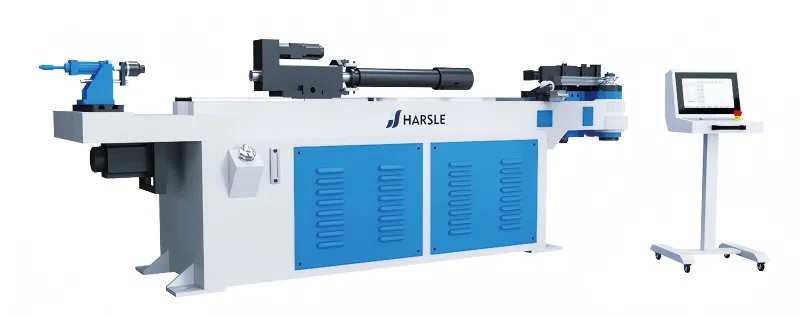
CNC tube benders use servo-driven axes and intelligent control software to manage each bending angle and radius. By automating the bending sequence and compensating for material rebound, the system guarantees uniformity across batches—something manual bending simply cannot achieve. These precise results are essential for producing components like missile launcher frames, jet engine conduits, and radar support structures.
How Tube Bending Improves Safety in Defense Equipment
Preventing Material Fatigue and Structural Failure
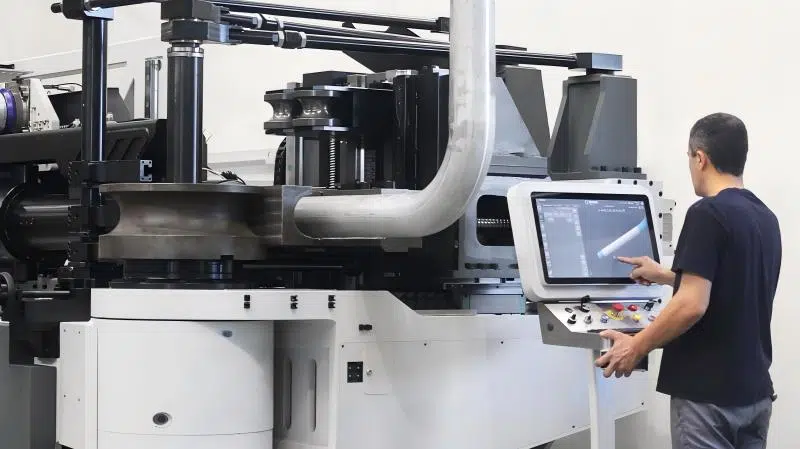
Safety in military equipment relies heavily on material integrity. Advanced tube bending processes apply even pressure along the bend radius, preventing cracks or wall thinning that could compromise durability. Properly bent tubes can withstand extreme vibration, temperature, and pressure—conditions common in defense applications such as submarines, fighter jets, and armored vehicles.
Compliance With Military Standards
Defense projects must follow strict international standards, including MIL-STD, ISO 9001, and AS9100. CNC bending technology ensures these requirements are consistently met by automating quality control. Real-time monitoring systems detect irregularities during the bending process, minimizing the risk of faulty parts entering production.
Key Applications of Tube Bending in Defense Industry
Aerospace Systems
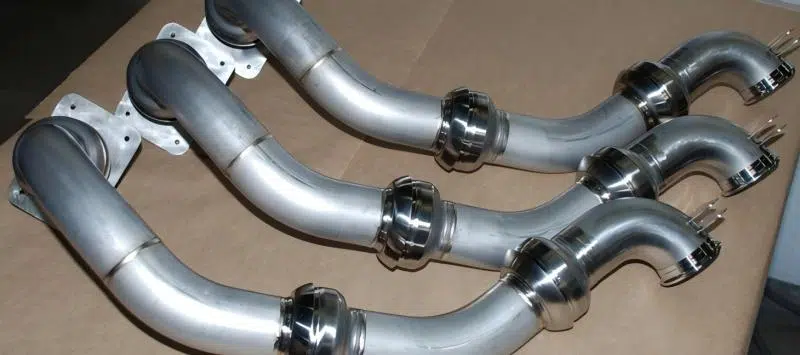
Tube bending supports complex aerospace assemblies such as fuel lines, cooling ducts, and landing gear hydraulics. Lightweight yet strong tubing contributes to better fuel efficiency and reduced maintenance costs.
Armored Vehicles and Weapon Systems
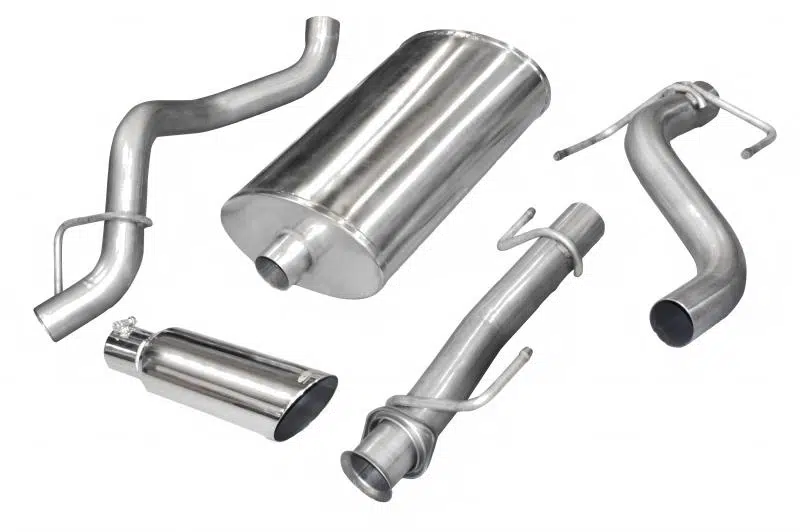
In ground vehicles, bent tubes are used for exhaust systems, braking lines, and protective frames. Precision bending guarantees that each piece fits securely into confined spaces, enhancing reliability during missions.
Naval and Submarine Engineering
Corrosion-resistant stainless-steel tubes bent with perfect geometry are critical for underwater applications. These ensure safe operation in high-pressure environments and prevent failures caused by seawater exposure.
Maintenance and Quality Assurance Tips
Regular Inspection and Calibration
Even with advanced machinery, routine inspection is key. I recommend checking the tooling condition, lubrication system, and servo accuracy at least once per month. Re-calibration ensures that bending angles remain consistent, especially when working with different alloys or wall thicknesses.
Using the Right Tooling
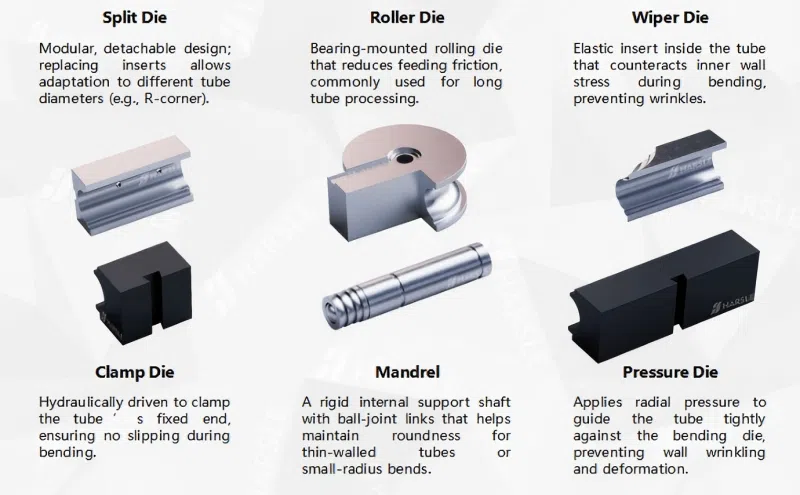
Different materials—such as titanium, aluminum, or stainless steel—require specific mandrels and dies. Using improper tooling can lead to deformation or surface damage. Always match your die radius with the tube’s outer diameter to achieve the best results.
FAQs
Why is tube bending accuracy so critical in defense manufacturing?
Accuracy prevents leakage, misalignment, and mechanical stress. In defense systems, a minor dimensional error can lead to catastrophic failure, so high-precision bending is essential for reliability.
What type of tube bender is best for military applications?
CNC electric tube benders are ideal because they combine speed, consistency, and real-time monitoring. They’re perfect for complex geometries and multi-radius bends found in aerospace and naval systems.
How can I ensure safety compliance when bending defense components?
Use machines that offer automatic quality inspection and follow industry standards like AS9100. Always document each production step to ensure full traceability.
Conclusion
Precision and safety define the foundation of defense manufacturing, and tube bending technology plays a vital role in achieving both. From high-pressure aircraft systems to durable armored structures, accurate tube fabrication ensures reliability where failure is not an option. By using advanced CNC benders, proper tooling, and consistent maintenance, manufacturers can meet strict defense requirements while improving production efficiency.
If you’d like to learn more about high-precision tube bending solutions or explore custom configurations for your defense projects, feel free to contact HARSLE’s professional engineering team—we’re always ready to support your manufacturing needs.


