


When you’re working with any tube fabrication process, speed and precision go hand in hand. If you’re experiencing Tube Bender Slow Speed during production, you’re probably also noticing issues like inconsistent bends, deformation, or extended cycle times. In this article, I’ll walk you through how slow bending speed affects overall bending quality, why it happens, and what you can do to fix it. Whether you’re troubleshooting your current machine or improving your workflow, this guide will give you practical steps to restore both speed and accuracy.
How Tube Bender Slow Speed Impacts Bending Accuracy
Understanding the Effects on Tube Roundness
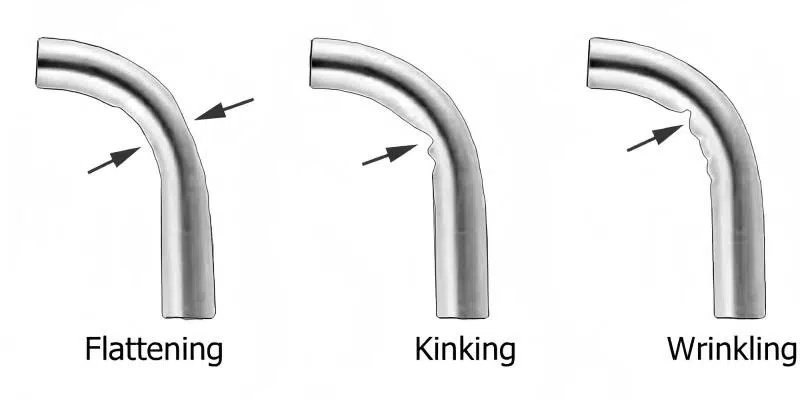
When the tube bender operates below its normal bending speed, the material may not follow the die smoothly. The tube lingers longer at each bending position, which increases the chances of flattening, wrinkling, or losing roundness. This is especially noticeable with thin-wall tubing or stainless steel tubes that require steady, consistent motion.
Why Slow Speed Leads to Springback Variations
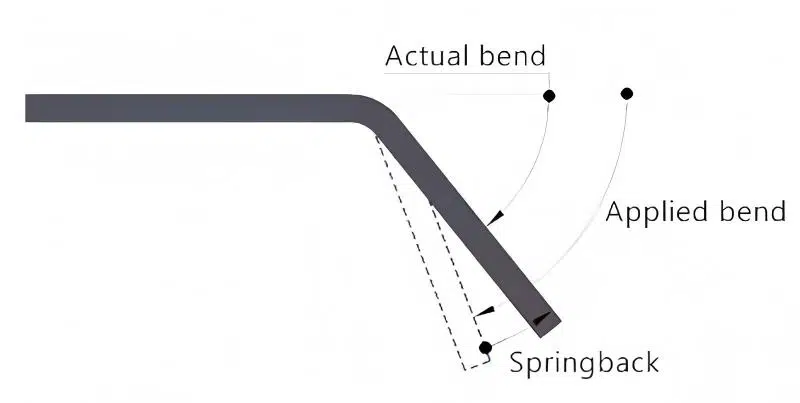
A tube that bends too slowly cools or relaxes during the bending cycle. This results in unpredictable springback. With inconsistent springback, even small angle deviations accumulate and affect the entire batch of parts. Faster and stable speed helps maintain uniform material behavior throughout the bend.
Material Stress Distribution During Slow Bending
When the bending head moves too slowly, the stress distribution between the inside and outside of the tube becomes uneven. This can cause tensile marks, compression waves, or even tiny cracks at the bend radius. For critical applications such as automotive, HVAC, or aerospace parts, improper stress control leads to unacceptable quality defects.
Common Causes of Tube Bender Slow Speed
Hydraulic System Issues Affecting Bending Speed
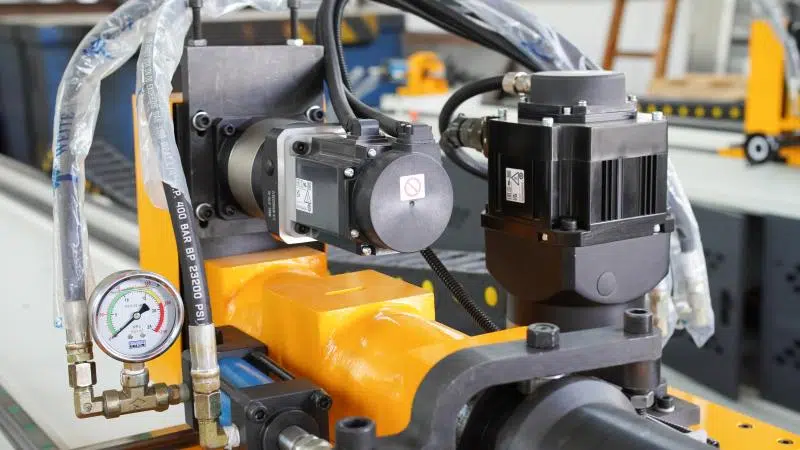
Low hydraulic pressure, contaminated oil, or worn valves can cause the bending cylinder to move sluggishly. Checking hydraulic pressure levels, cleaning filters, and replacing oil according to the maintenance schedule can significantly improve performance.
Controller or Parameter Settings That Reduce Speed
Sometimes slow bending speed is caused by incorrect servo or hydraulic speed parameters. If settings such as bending speed, mandrel extraction speed, or clamp opening delay are set too low, the machine slows down. Adjusting these values according to the tube diameter and material often restores efficiency.
Mechanical Wear on Key Components
Over time, components like bearings, guide rails, and screws wear down. Excessive friction increases resistance, and the bending head moves slower than expected. Regular lubrication and replacement of worn parts help the machine regain optimal bending speed.
Overloaded or Incorrect Mandrel Settings
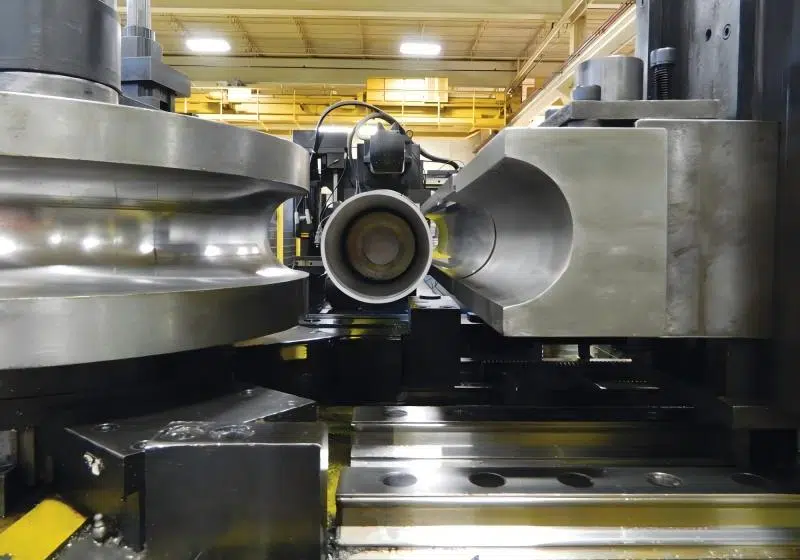
If the mandrel is positioned too far forward or backward, it adds unnecessary resistance during bending. This slows down the bending cycle and increases the chance of tube distortion. Proper mandrel calibration ensures smooth material flow and faster bending action.
Step-by-Step Troubleshooting for Tube Bender Slow Speed
Step 1 – Inspect the Hydraulic Pressure and Oil Condition
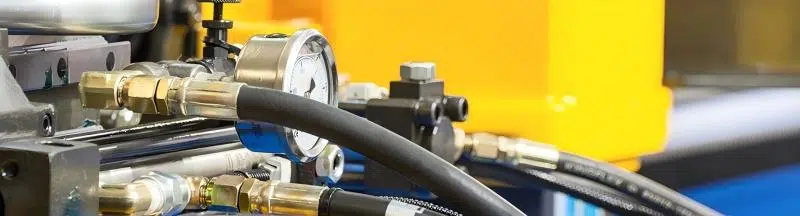
I always start by checking the hydraulic system. Make sure the pressure meets the machine’s specification and the hydraulic oil is clean. Dirty oil thickens the flow, slowing down the bending cylinder and affecting tube quality.
Step 2 – Review Speed Parameters on the Controller
Next, I verify the bending speed, clamping speed, and mandrel extraction settings on the controller. These parameters must match the tubing size and material. Increasing them slightly often improves bending quality without compromising safety.
Step 3 – Check Mechanical Friction and Lubrication
Then I inspect guide rails, screws, and bushings. If any component shows signs of dryness or friction, lubrication is needed. Proper lubrication not only improves speed but also reduces vibration and bending marks on the tube surface.
Step 4 – Recalibrate Mandrel Positioning
If the mandrel is too tight or misaligned, bending slows down and defects appear. Recalibrating the mandrel—especially the extraction timing—helps maintain smooth bending motion and improves consistency.
Step 5 – Run a Test Bend to Verify Improvements
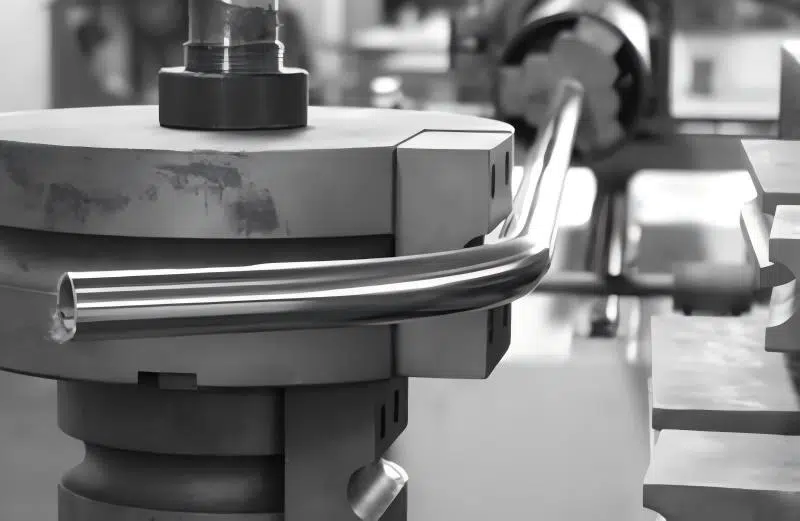
After each adjustment, I run a test bend and measure angle, roundness, and surface quality. A gradual increase in speed should show noticeable improvements in accuracy and overall finish.
FAQs
How does Tube Bender Slow Speed affect bending accuracy?
Slow speed increases material deformation, springback inconsistencies, and poor stress distribution, all of which reduce bending precision and uniformity.
Can hydraulic problems cause Tube Bender Slow Speed?
Yes. Low pressure, old hydraulic oil, or clogged filters often reduce bending speed and directly affect bend quality.
How do I know if mechanical wear is causing slow bending speed?
If you notice shaking, unusual noise, or inconsistent speed, worn guide rails or screws may be the cause. Lubrication or replacement usually solves the issue.
Will adjusting controller parameters fix slow speed issues?
In many cases, yes. Setting the correct bending speed, mandrel extraction timing, and clamp delay helps restore proper machine performance.
Conclusion
Tube Bender Slow Speed doesn’t just reduce production efficiency—it also affects bending accuracy, consistency, and material performance. By checking hydraulic systems, adjusting speed parameters, maintaining mechanical parts, and calibrating the mandrel, you can restore the machine’s speed and improve bending quality significantly. If you need more technical support or personalized troubleshooting, feel free to reach out to our team for professional assistance.


