


Abnormal Vibrations in Tube Benders can lead to unexpected shaking, rattling, and operational noise that disrupts production and compromises bending precision. If you have encountered these issues, you’re likely searching for the root causes and effective solutions to eliminate them. In this article, I’ll outline the primary reasons behind vibration problems, provide practical troubleshooting methods, and highlight preventive maintenance tips to help you stabilize machine performance and extend equipment longevity. By applying these insights, you can reduce downtime and protect the value of your tube bending machinery.
Common Causes and Solutions for Abnormal Vibrations in Tube Benders
Loose External Parts and Mounting Components
Continuous motion and torque during bending can gradually loosen bolts on the frame, clamps, bending arm, or safety guards. Loose parts amplify movement, making vibration worse. I recommend powering down the machine, checking all structural points, tightening mounting bolts, and verifying clamp stability. Installing vibration-proof washers or thread-locking compound can also improve long-term stability.
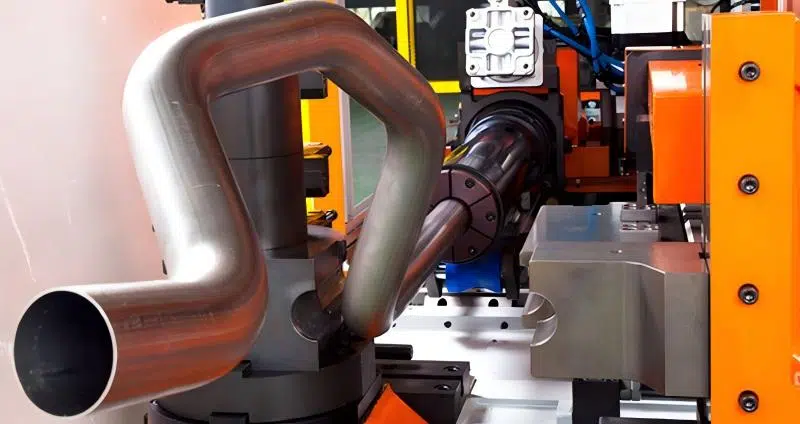
Imbalanced or Misaligned Bending Dies
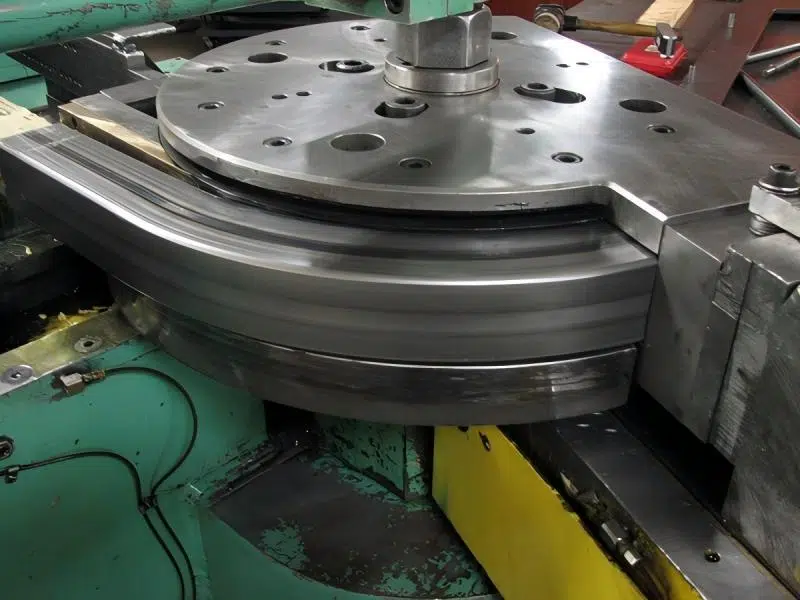
Using mismatched or worn bending dies causes uneven force distribution, leading to shaking during the bend. If you notice vibration only when bending specific profiles, check whether the die set is properly aligned and compatible with the tube diameter and material. Replacing aged dies and recalibrating according to the manufacturer’s specifications can significantly reduce vibration.
Hydraulic System Pressure Fluctuations
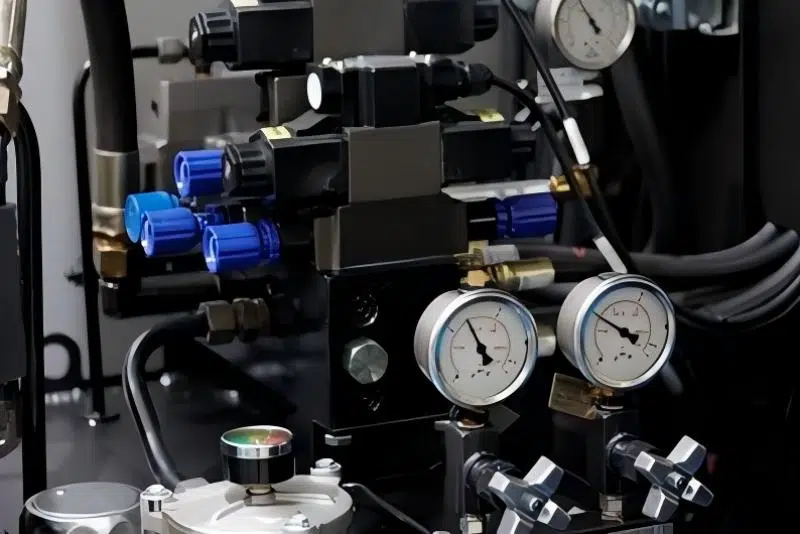
For hydraulic tube benders, unstable oil pressure is a major source of vibration. Air bubbles in the system, clogged filters, low hydraulic oil levels, or deteriorated seals create pulsations during movement. I recommend bleeding the hydraulic lines, replacing filters every 500 hours, and checking for oil contamination or leakage that could disrupt fluid stability.
Worn Bearings, Bushings, and Rotating Components
If vibration increases gradually over time, worn bearings are a strong possibility. Bearings support rotational motion, and once damaged, they create friction and irregular movement. Listen for grinding or rattling noises during operation. Early replacement prevents more serious failures and helps maintain bending accuracy.
Foundation and Leveling Issues on the Shop Floor
Tube benders require solid, level flooring. An uneven foundation transfers vibration back into the machine. Use leveling pads and confirm full floor contact. If you recently moved the machine or adjusted layout, checking the foundation is essential to eliminate unnecessary motion.
Step-by-Step Troubleshooting Guide for Reducing Abnormal Vibrations
Step 1: Perform a Visual and Manual Inspection
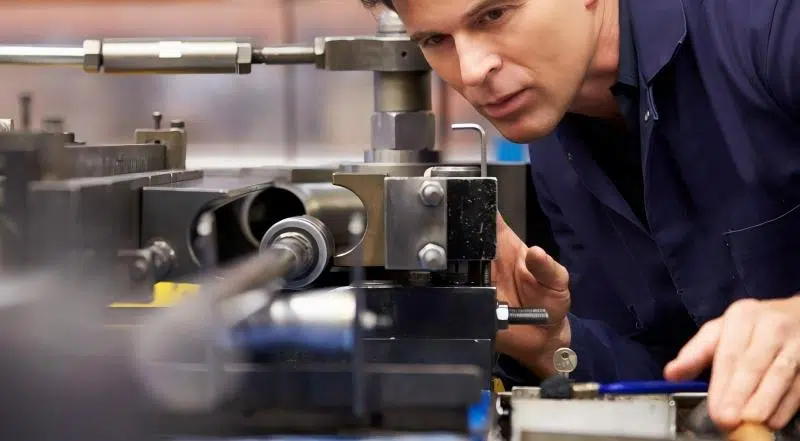
Check fasteners, frame panels, clamps, die holders, and guards. Even small looseness can magnify vibration during operation.
Step 2: Test the Machine Without Load
Run the tube bender without inserting material. If vibration persists, the issue is mechanical or hydraulic rather than material-related.
Step 3: Inspect Hydraulic Pressure Stability
Look for erratic pressure readings or sudden drops. This indicates filter blockage, air intake, or pump wear.
Step 4: Check Die Compatibility and Wear
Ensure the die radius matches the tube diameter and thickness. Replace any visibly worn die sets.
Step 5: Record When Vibration Occurs
Only during bending? During return stroke? Randomly? Tracking patterns helps identify the failing component more quickly.
Preventive Maintenance Tips to Stop Vibration Before It Starts
Routine Cleaning and Lubrication

Lubricate moving parts according to the machine manual. Debris buildup creates friction and instability.
Scheduled Bearing and Seal Replacement
Even high-quality bearings have service limits. Replacing them according to schedule prevents costly breakdowns.
Hydraulic Oil and Filter Management
Use the recommended oil grade and change filters regularly to avoid pressure spikes.
Operation Training for Machine Users
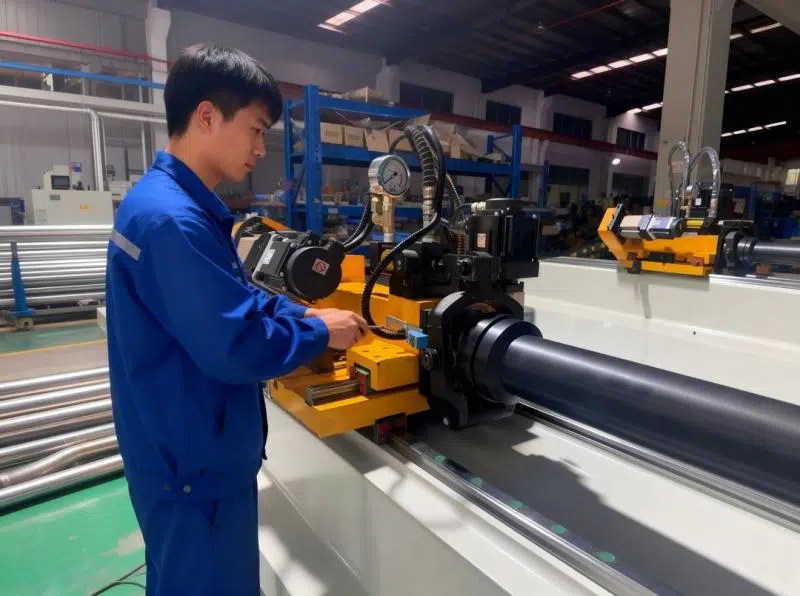
Many vibration issues come from improper feeding angles or unbalanced force. Skilled operators greatly reduce mechanical stress.
FAQs
Why do Abnormal Vibrations in Tube Benders start suddenly?
Sudden vibration is often caused by loose components, hydraulic pressure loss, or die misalignment. Inspect fasteners first—it’s the fastest fix.
Can using the wrong tube material cause vibration?
Yes. Material that exceeds machine specifications or is oval/deformed increases resistance and creates noticeable shaking during the bend.
How can I prevent future vibration issues in my tube bender?
Follow routine lubrication, replace bearings on schedule, and inspect hydraulic pressure regularly to maintain consistent performance.
Conclusion
Abnormal vibrations in tube benders affect accuracy, productivity, and machine longevity, but most issues can be resolved with proper inspection, calibration, and preventive maintenance. By identifying the source early and applying steady maintenance routines, you’ll keep your tube bender running smoothly and safely. If you need professional guidance, replacement parts, or technical support for tube bending equipment, don’t hesitate to contact our team. We’re here to help you improve your metal fabrication process with confidence and efficiency.


