


When Tube Bender Guide Rail Wear begins to affect machine accuracy, create vibration, or increase friction along the bending carriage, the results are visible in product quality and production efficiency. If you are searching for why your guide rails are wearing prematurely and how to identify the root cause before costly damage occurs, you are in the right place. In this article, I will walk you through the symptoms, diagnostic steps, and troubleshooting methods that help maintenance teams and operators pinpoint the true cause of guide rail degradation. By identifying the problem early, you can avoid unnecessary part replacement, reduce downtime, and ensure consistent bending performance.
How to Inspect Tube Bender Guide Rail Wear During Operation
Check for Accuracy Deviations During Repetitive Bending
One of the first visible signs of Tube Bender Guide Rail Wear is inconsistent bending results. If parts created under the same pressure and program generate different angles, the carriage may be losing stability due to surface wear. Use digital angle measurement tools and compare repeated results. A gradual deviation trend normally signals mechanical wear rather than a software calibration issue.
Monitor Abnormal Vibration and Noise
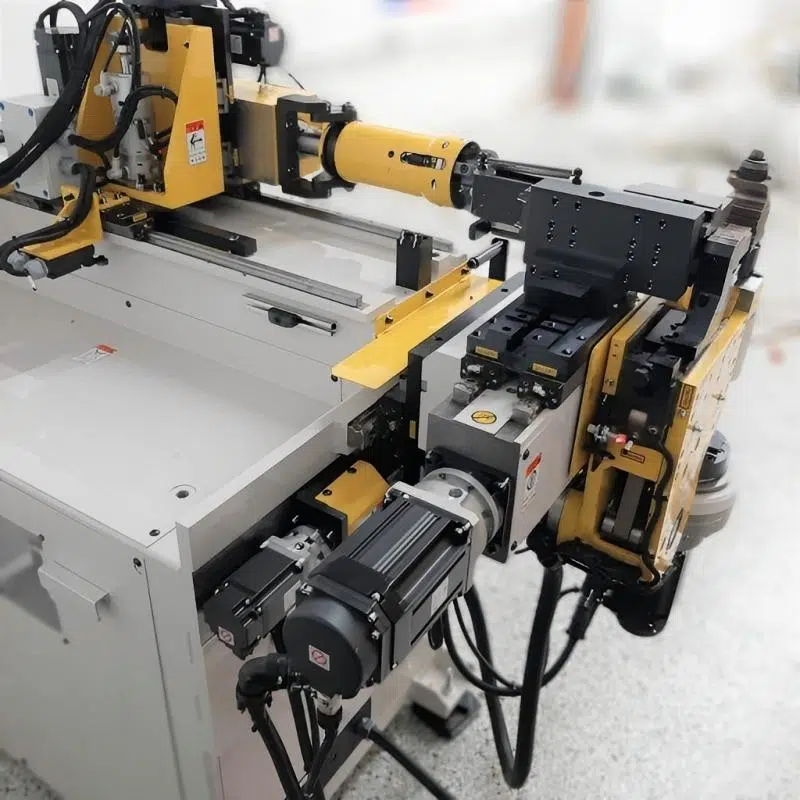
Vibration is more than a nuisance—it is a mechanical warning signal. When guide rails are worn or dry, the carriage does not travel smoothly across the rail surface. Friction increases, resulting in noise, chatter marks on material, and eventual heat buildup. If vibration intensifies under heavier loads, the issue may be related to alignment or lubrication failure.
Run Manual Carriage Movement to Feel for Resistance
Switch to manual mode and move the carriage slowly. If you feel resistance, uneven movement, or sudden sticking points, this suggests rail surface damage or particle contamination. A properly maintained guide rail should allow smooth, consistent motion with minimal operator force.
How to Diagnose the Mechanical Root Causes of Tube Bender Guide Rail Wear
Misalignment Between Carriage and Guide Rails
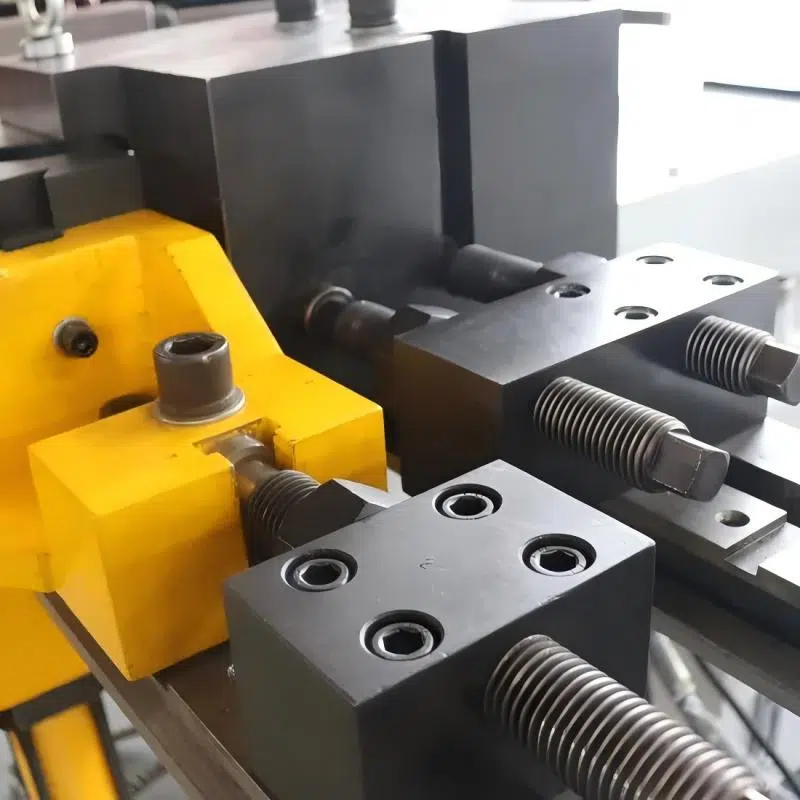
Misalignment is one of the most common causes of guide rail wear. When the carriage is not perfectly perpendicular to the rail surface, the load concentrates on one corner or side instead of being evenly distributed. This results in one-sided rail damage, visible scratches, or angled wear marks.
Solution:
Check alignment with a precision dial indicator. Re-adjust the rail mounting bolts gradually while monitoring deviation values. Never force alignment under load, as this causes structural tension that increases wear.
Improper or Inconsistent Lubrication
Guide rails rely on continuous lubrication to reduce friction. If lubrication points are blocked, oil is not delivered consistently, or the wrong type of lubricant is used, dry contact will quickly damage metal surfaces.
Solution:
Inspect lubrication lines weekly. Use lubricant designed for linear motion components, not general-purpose grease. Conduct an oil flow test after cleaning blockages.
Contamination From Metal Chips or Dust
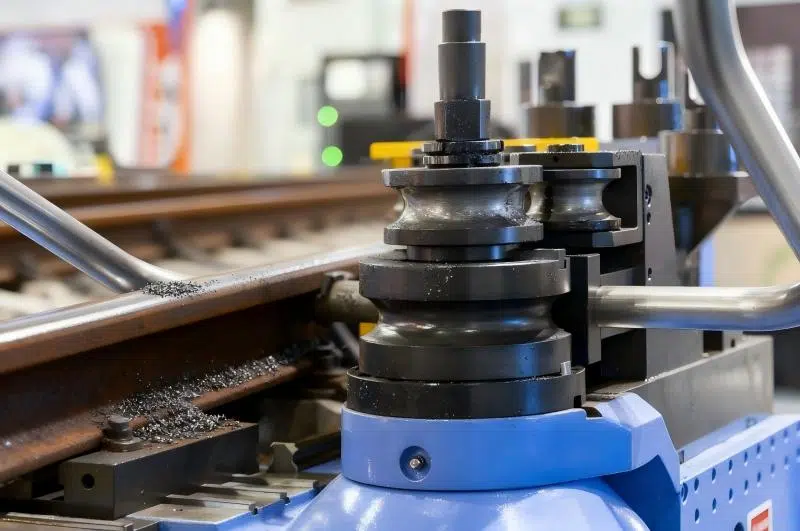
Tube bending generates debris that settles on rail surfaces. Without proper sealing or cleaning schedules, particles embed in the rail and act like sandpaper.
Solution:
Install protective rail covers and enforce a cleaning schedule. Use dry cloths—not water—to avoid corrosion. Consider magnetic collectors when working with ferrous materials.
Incorrect Load Distribution During Heavy Bending
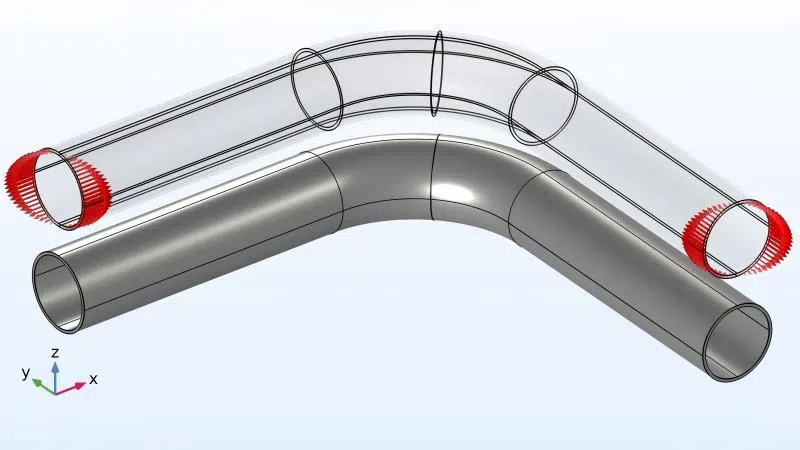
If operators load pipes at inconsistent angles or place additional weight on unsupported areas, rails experience torsional stress rather than smooth linear bearing pressure.
Solution:
Train operators to place tubes uniformly before bending. Improve loading fixtures and support arms for long pipes. For heavy production models, consider reviewing the rail specification for capacity upgrades.
How to Prevent Tube Bender Guide Rail Wear With Routine Maintenance
Routine Inspection Checklist
- Weekly: visual wear checks, wipe debris
- Monthly: lubrication delivery system inspection
- Quarterly: full alignment check
- Annually: professional service evaluation
Lubrication Frequency Based on Workload
- Light shift: every 2 weeks
- Medium shift: weekly
- Continuous production: every 3–4 days
Operator Training Makes the Biggest Difference
Most rail wear originates from improper loading and inconsistent practices between shifts. Document SOPs, conduct maintenance handovers, and train new operators carefully.
FAQ
What is the most common cause of Tube Bender Guide Rail Wear?
Misalignment and insufficient lubrication are the most common causes. Both create friction that accelerates wear on the rail surface.
How do I know if guide rail wear is caused by contamination?
If you see scratch patterns that repeat every cycle, debris may be embedded in the rail or carriage. Clean and inspect the surface immediately.
Can guide rail wear affect bending accuracy?
Yes, even early levels of wear can reduce stability and cause angle deviations or vibration during operation.
Conclusion
Identifying the root cause of Tube Bender Guide Rail Wear early is the key to reducing downtime, replacement costs, and long-term machine damage. By checking alignment, maintaining lubrication, preventing contamination, and ensuring proper operator training, you extend the lifespan of the guide rails and maintain bending accuracy. If you require deeper support on troubleshooting, parts selection, or maintenance schedules, feel free to contact the HARSLE team for professional assistance and documentation.


