


Tube Bender Pressure Gauge Issue is a common problem operators face when the needle vibrates, readings become inconsistent, or the pressure suddenly drops during operation. In this guide, I’ll walk you through a clear step-by-step approach to diagnosing and fixing the root causes so you can regain stable pressure, minimize downtime, and maintain bending accuracy. Whether your gauge is fluctuating under heavy load, stuck at zero, or responding slowly when switching materials, this article will help you understand the causes and implement effective solutions.
Understanding the Tube Bender Pressure Gauge Issue
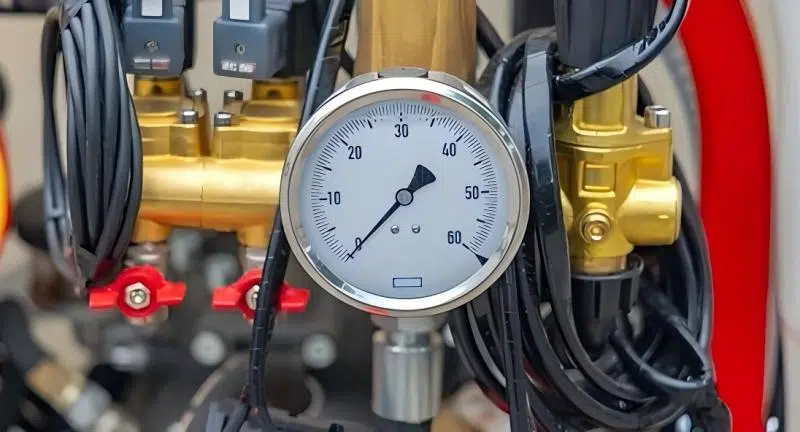
A pressure gauge on a tube bender plays an essential role in monitoring the hydraulic system. When readings fluctuate or become unreliable, it affects bending angles, tool life, and even operator safety. To fix the problem, it’s helpful to understand the common causes behind inaccurate pressure readings.
Common Causes of Pressure Gauge Inaccuracy in Tube Benders
Small internal damages or external environmental factors may lead to inaccurate readings. Entering this troubleshooting process with a clear view of potential causes will save you time and cost.
Long-Term Effects of Ignoring a Tube Bender Pressure Gauge Issue
If the issue remains unresolved, you may face higher bending resistance, poor product consistency, unexpected machine stops, and increased maintenance expenditure.
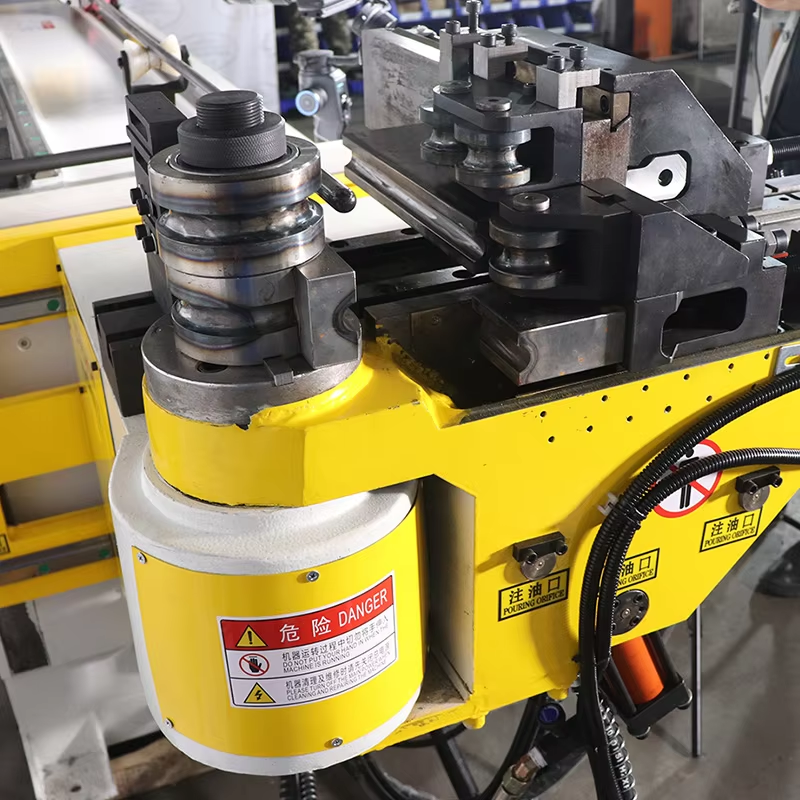
How to Diagnose Tube Bender Pressure Gauge Issue
Inspecting the Gauge for Physical Damage
The first step is a visual inspection. Check whether the gauge cover is cracked, fogged, or showing signs of oil ingress. If condensation or hydraulic oil is visible inside the gauge, the internal components may be compromised. A damaged gauge should be replaced promptly because recalibration may not restore its accuracy.
Checking Hydraulic Hoses and Fittings for Leaks
Loose fittings or micro-leaks can cause pressure drops and needle vibration. Use a clean cloth to detect oil traces around the joints. Tighten fittings to the manufacturer’s torque specification. If the hose is aged, bulging, or brittle, replacement is the safest choice to prevent sudden leakage during operation.
Verifying if the Pressure Relief Valve Is Malfunctioning
A faulty relief valve may cause fluctuating pressure. You can test this by applying a consistent load and watching for needle instability. If pressure jumps rapidly, the valve spring adjustment may be incorrect or the valve itself may be worn.
Testing for Contaminated Hydraulic Oil
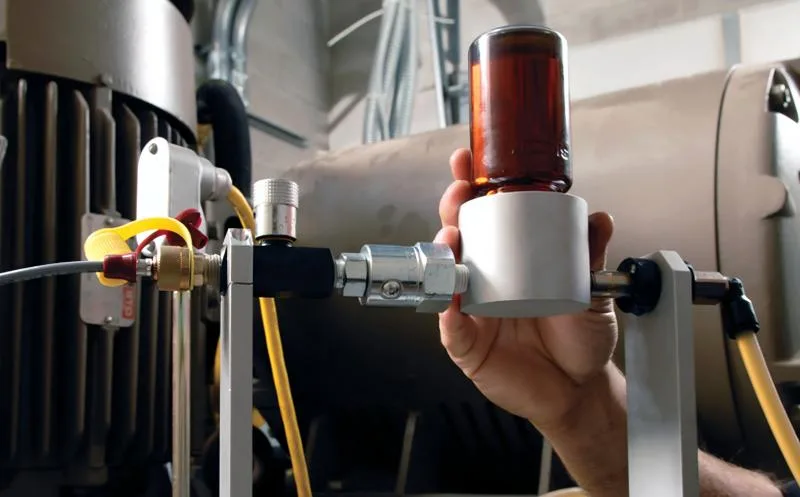
Dirty or degraded oil creates inconsistent flow and poor lubrication. If the oil appears dark, milky, or contains particles, a full system flush and oil replacement are highly recommended. Contamination often comes from poor storage, long-term usage, or moisture entry.
Step-by-Step Guide: How to Fix Tube Bender Pressure Gauge Issue
Replace or Recalibrate the Pressure Gauge
If the gauge is faulty, replacement is usually more cost-effective than calibration. When installing a new gauge, ensure it matches the original pressure range and thread type.
Remove Air Bubbles from the Hydraulic System
Air trapped in the line can cause significant measurement errors. Bleed the hydraulic system by loosening the bleed screw and pumping the handle until oil flows smoothly without foaming.
Clean or Replace the Hydraulic Filter
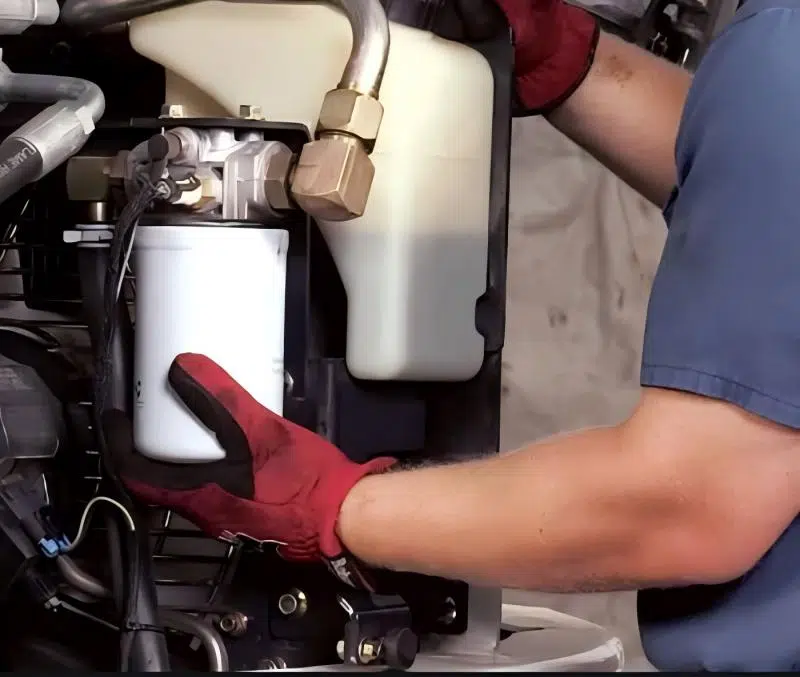
Restricted filters reduce flow rate, causing pressure spikes and slow gauge response. Cleaning or replacing filters every 500 hours of operation helps maintain stability.
Adjust the Pressure Relief Valve Correctly
If the bending force is insufficient or fluctuates, adjust the valve gradually using the manufacturer’s recommended settings. Over-tightening may damage the pump and reduce system life.
Preventive Maintenance to Avoid Future Pressure Gauge Issues
Routine Hydraulic System Inspection
Check hoses, valves, and the gauge weekly to catch problems early.
Maintain High-Quality Hydraulic Oil
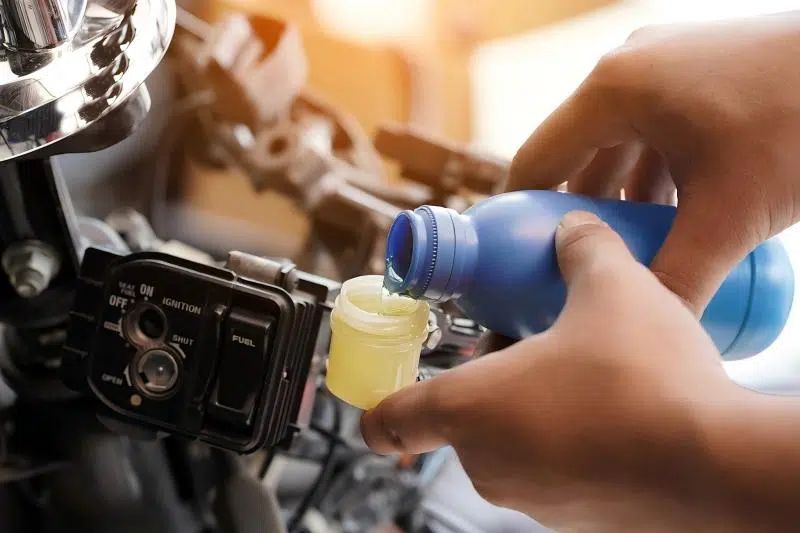
Store oil in closed containers away from dust and moisture. Replace oil based on operating hours, not just appearance.
Operate Within Recommended Load
Overloading the tube bender increases stress on the hydraulic system and leads to recurring pressure gauge faults.
FAQ
Why is the pressure gauge needle vibrating during bending?
A vibrating needle typically means there is trapped air in the system or a loose hose connection. Bleeding the system and tightening fittings should solve the issue.
How often should hydraulic oil be replaced to prevent pressure gauge problems?
Replacing oil every 1,000–1,500 hours of operation is recommended, depending on the environment and usage intensity.
Can a Tube Bender Pressure Gauge Issue affect bending accuracy?
Yes, unstable pressure directly impacts angle precision and tool wear, especially in high-torque stainless steel or aluminum tube applications.
Conclusion
Fixing a Tube Bender Pressure Gauge Issue requires careful inspection of the gauge, hydraulic system, relief valve, and oil quality. By addressing these elements and incorporating preventive maintenance, you can significantly reduce downtime, extend component life, and ensure consistent bending performance. If you need further support, technical advice, or replacement parts, feel free to reach out to our service team—our experts are ready to help you optimize your tube bending operations.


