


Tube Bender Hydraulic Maintenance plays a decisive role in achieving accurate and repeatable tube bending results. If you are wondering why it is so critical for precision, the answer is straightforward: the hydraulic system directly controls bending force, movement speed, and cycle consistency. In this article, I’ll explain how hydraulic condition influences bending accuracy, what problems arise when maintenance is overlooked, and how proper maintenance practices help you achieve stable, high-quality bends. Whether you operate a CNC tube bender or a conventional hydraulic tube bending machine, understanding this topic will help you reduce scrap, minimize rework, and maintain reliable production performance.
How Tube Bender Hydraulic Maintenance Affects Bending Accuracy
Hydraulic Pressure Stability and Bending Precision
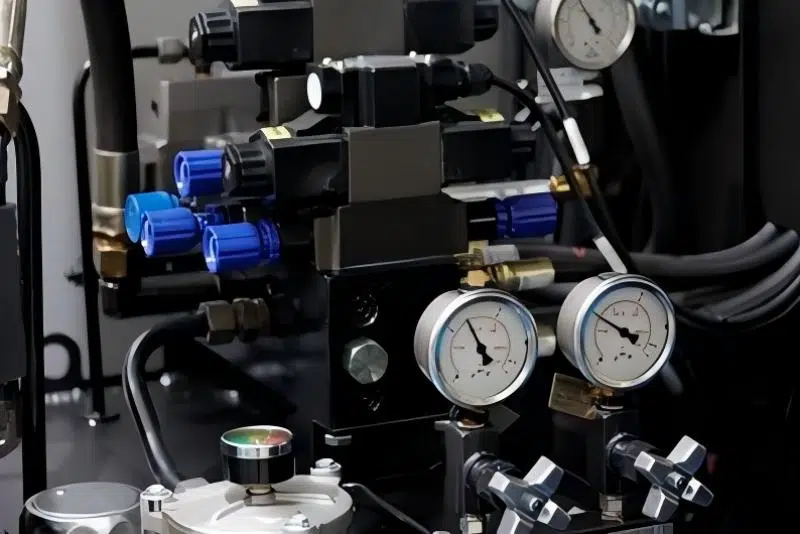
Hydraulic pressure is the foundation of tube bending accuracy. During each bending cycle, the hydraulic system delivers controlled force to the bending arm, clamp die, and pressure die. If pressure fluctuates due to worn seals, contaminated oil, or air in the system, the bending angle will vary from part to part. Proper Tube Bender Hydraulic Maintenance ensures stable pressure output, allowing the machine to apply consistent force and produce repeatable bend angles.
Oil Quality and Flow Control Consistency
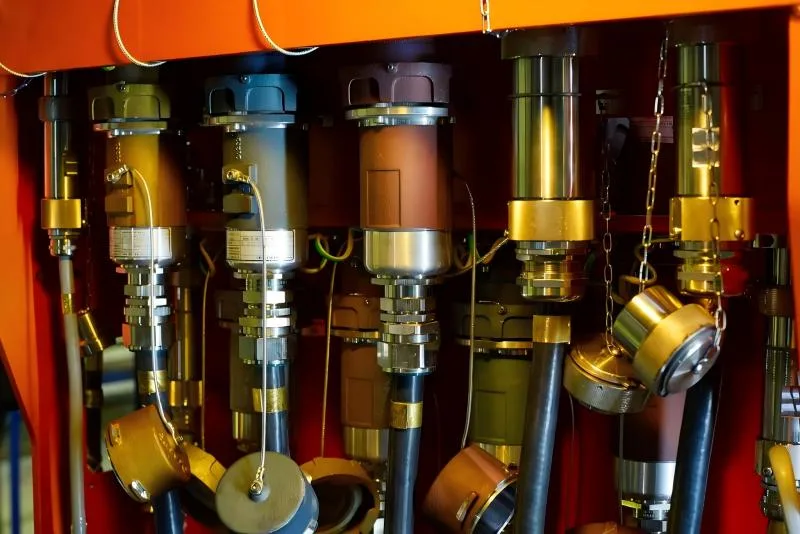
Hydraulic oil does more than transmit power—it also lubricates components and dissipates heat. When oil becomes contaminated or degraded, internal resistance increases, leading to delayed response and uneven motion. This directly affects bending speed and positioning accuracy. Regular oil inspection and replacement are essential parts of Tube Bender Hydraulic Maintenance to keep flow control valves operating smoothly and predictably.
Valve Response and Motion Accuracy
Directional valves and proportional valves control the sequence and speed of hydraulic movements. Poor maintenance can cause valve sticking or delayed response, resulting in overshoot or undershoot during bending. By keeping valves clean and properly adjusted, Tube Bender Hydraulic Maintenance helps ensure precise motion control, which is critical for tight-tolerance tube bending applications.
Common Accuracy Problems Caused by Poor Hydraulic Maintenance
Inconsistent Bend Angles
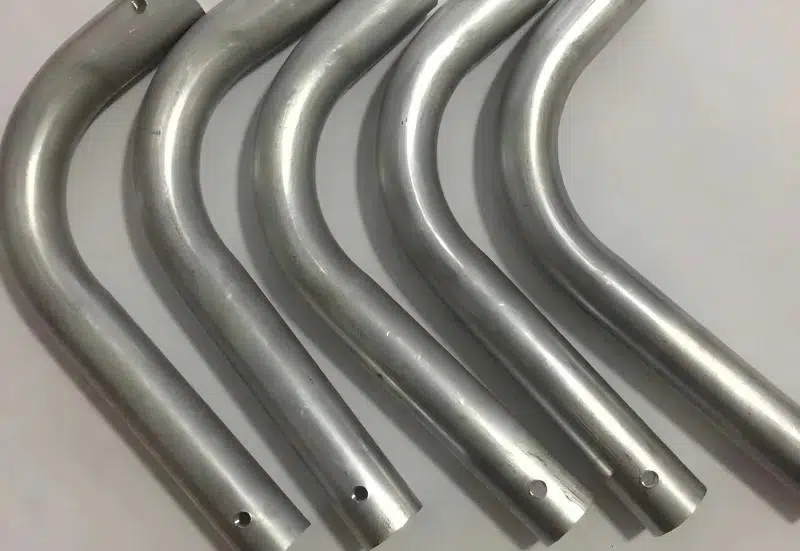
One of the most common symptoms of neglected hydraulic maintenance is inconsistent bend angles. Even with identical programs and tooling, pressure instability or internal leakage can cause variations. This problem often leads operators to repeatedly adjust parameters instead of addressing the root hydraulic issue.
Tube Slippage and Deformation
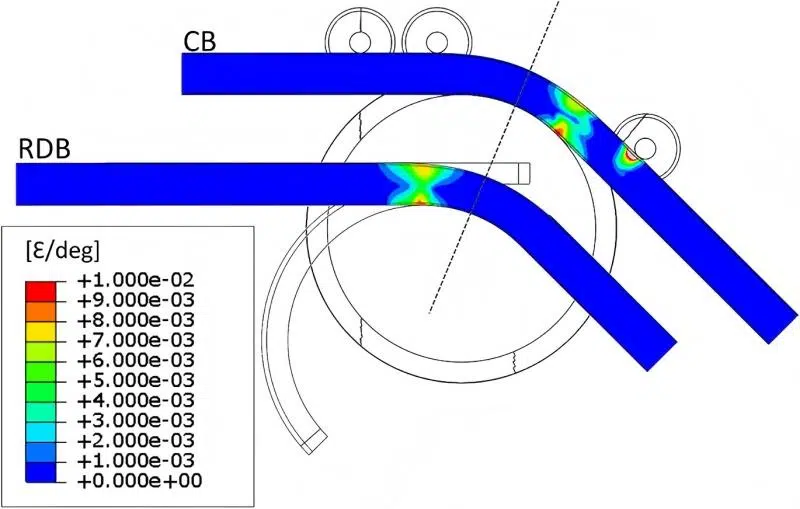
When hydraulic clamping force is unstable, tubes may slip during bending or deform unevenly. This not only affects accuracy but can also damage tooling. Proper Tube Bender Hydraulic Maintenance ensures that clamp pressure remains stable throughout the bending cycle.
Increased Scrap and Rework
Accuracy issues caused by hydraulic problems often result in higher scrap rates. Incorrect angles, distorted bends, and surface marks increase rework time and material waste. Maintaining the hydraulic system minimizes these risks and protects production efficiency.
Key Tube Bender Hydraulic Maintenance Practices for Accuracy
Routine Hydraulic Oil Inspection
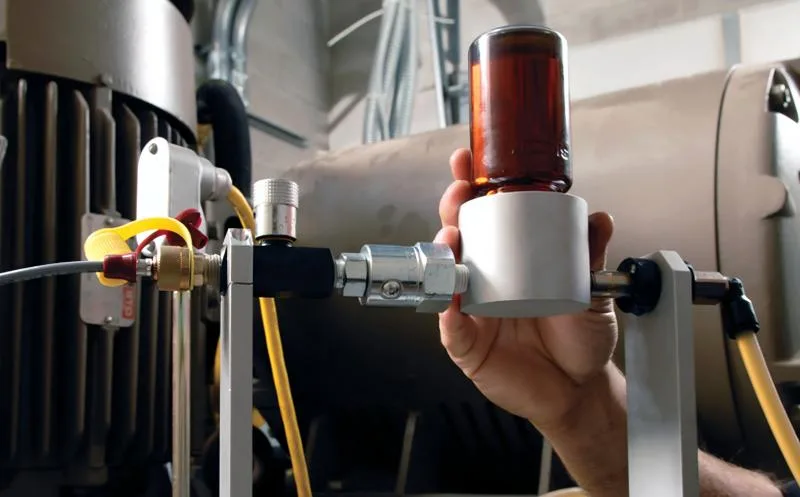
Regularly checking oil level, color, and cleanliness is a basic but critical task. Milky oil indicates water contamination, while dark or burnt-smelling oil suggests overheating. Addressing these issues early prevents pressure instability and accuracy loss.
Filter Replacement and Contamination Control
Hydraulic filters trap particles that can damage valves and pumps. Clogged or overdue filters restrict flow and cause pressure fluctuations. As part of Tube Bender Hydraulic Maintenance, filters should be replaced according to operating hours and working conditions.
Seal and Hose Condition Checks
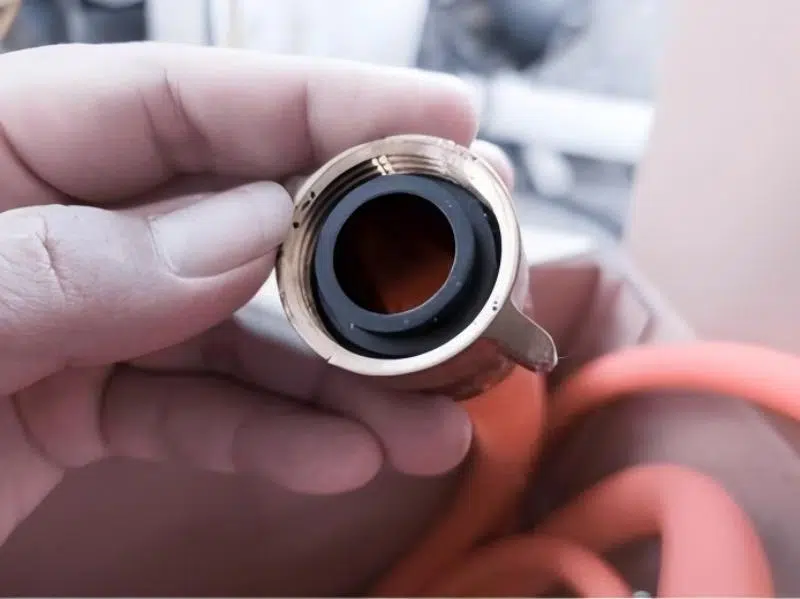
Worn seals and aging hoses lead to internal and external leaks. Even small leaks reduce effective pressure and compromise bending accuracy. Inspecting seals, fittings, and hoses helps maintain consistent hydraulic performance.
System Bleeding and Air Removal
Air trapped in hydraulic lines compresses under pressure, causing delayed or uneven movement. Proper bleeding procedures are essential to restore precise response and stable bending motion.
How Preventive Hydraulic Maintenance Improves Long-Term Accuracy
Maintaining Repeatability Over Time
Accurate bending is not just about one good part—it’s about producing hundreds or thousands of identical parts. Preventive Tube Bender Hydraulic Maintenance keeps system performance consistent over long production runs.
Protecting Calibration and Machine Settings
Hydraulic instability often forces operators to compensate by changing machine parameters. Once maintenance is restored, those compensations may create new errors. Stable hydraulics help preserve accurate calibration and reliable machine settings.
Extending Machine and Tooling Life
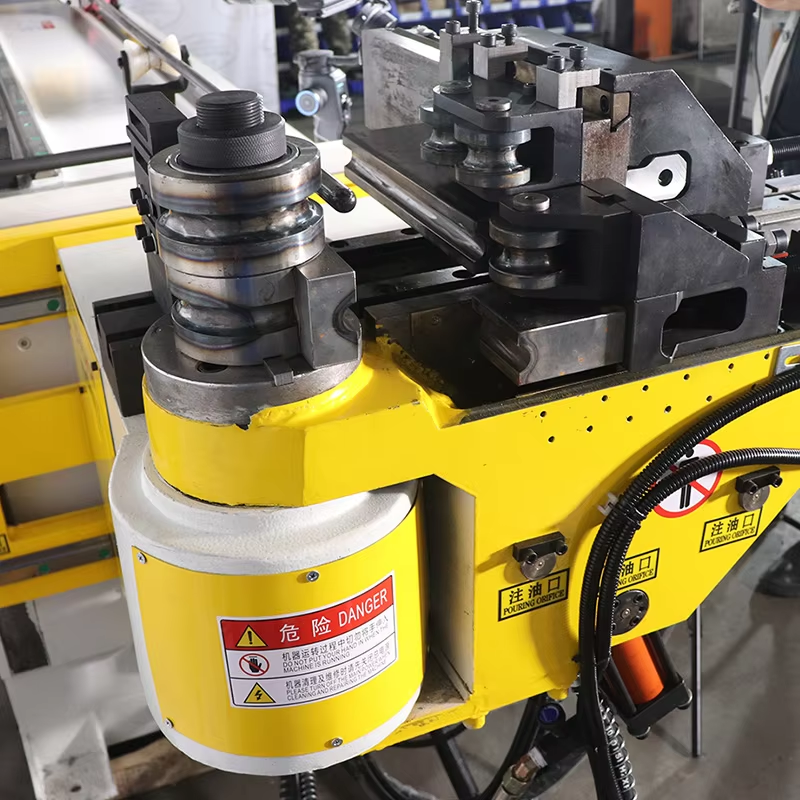
Well-maintained hydraulic systems reduce shock loads and uneven forces on mechanical components and tooling. This protects both the machine and bending dies, indirectly supporting long-term accuracy.
FAQs
How does Tube Bender Hydraulic Maintenance improve bending accuracy?
Tube Bender Hydraulic Maintenance stabilizes pressure, improves valve response, and ensures smooth motion control, all of which are essential for producing consistent and accurate bend angles.
How often should hydraulic maintenance be performed on a tube bender?
Basic inspections should be done daily, while oil checks, filter replacement, and detailed inspections are typically scheduled every 500–1000 operating hours, depending on usage.
Can hydraulic oil contamination affect tube bending accuracy?
Yes. Contaminated oil increases resistance and causes delayed or uneven movement, which directly impacts bending precision and repeatability.
What are early warning signs of hydraulic issues affecting accuracy?
Inconsistent bend angles, unstable clamping force, unusual noise, and fluctuating pressure readings are common indicators.
Conclusion
Accurate tube bending depends heavily on the condition of the hydraulic system. By prioritizing Tube Bender Hydraulic Maintenance, you ensure stable pressure, precise motion control, and reliable repeatability in every bending cycle. Regular inspection, preventive maintenance, and timely repairs not only protect your machine but also safeguard product quality and production efficiency. If you want more guidance on hydraulic system care or need technical support for your tube bender, feel free to explore our related documentation or contact the HARSLE technical team for professional assistance.


