


Keeping Hydraulic Oil in Tube Benders clean and at the correct level is one of the most important maintenance tasks for ensuring stable bending accuracy and long machine life. If you are wondering when to change hydraulic oil, how to do it correctly, or how to avoid common mistakes that lead to overheating or unstable pressure, you are in the right place. In this article, I will walk you through a clear, practical guide to changing hydraulic oil in tube benders, explain why each step matters, and share maintenance tips that help you protect the hydraulic system and reduce unexpected downtime.
Why Hydraulic Oil in Tube Benders Matters
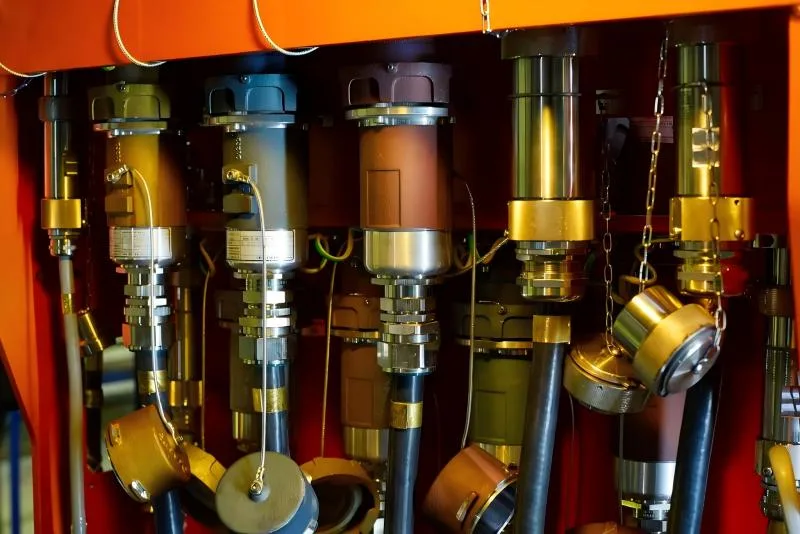
Hydraulic oil is the core medium that transfers pressure, lubricates moving components, and dissipates heat inside tube benders. When hydraulic oil becomes contaminated or degrades over time, it can cause unstable bending force, slow response, abnormal noise, and even damage to valves and pumps.
Changing hydraulic oil in tube benders at the right interval helps maintain consistent pressure output, protects precision components, and extends the service life of the entire hydraulic system. Ignoring oil condition is one of the most common causes of hydraulic failure I see in daily operation.
When Should You Change Hydraulic Oil in Tube Benders?
Typical Oil Change Intervals for Tube Benders
In most cases, hydraulic oil in tube benders should be replaced after the first 500 working hours for a new machine. This initial oil change removes metal particles and residues generated during the break-in period. After that, regular oil changes are usually recommended every 2,000 to 4,000 working hours, depending on operating conditions.
Signs That Hydraulic Oil Needs Replacement
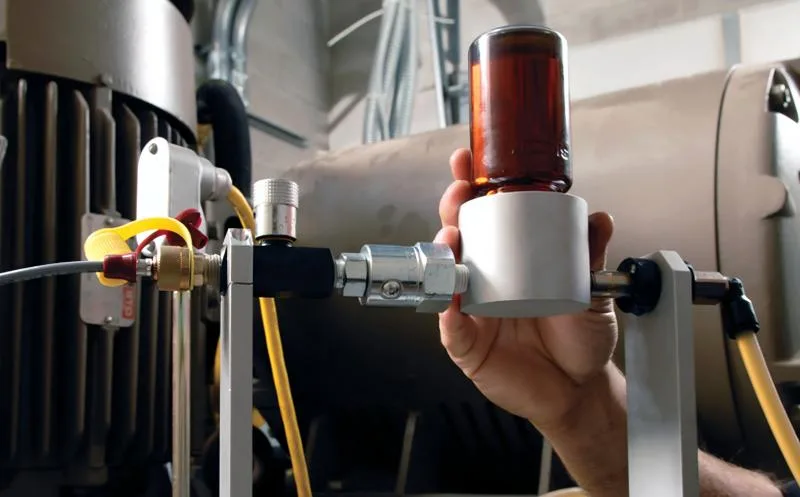
If you notice abnormal temperature rise, sluggish cylinder movement, increased noise from the hydraulic pump, or oil color turning dark and cloudy, these are clear signs that the hydraulic oil in tube benders needs to be changed immediately. Waiting too long may lead to serious hydraulic system damage.
How to Change Hydraulic Oil in Tube Benders Step by Step
Step 1: Prepare the Machine and Work Area
Before changing hydraulic oil, I always make sure the tube bender is powered off and completely depressurized. The machine should be stopped for at least 10–15 minutes to allow oil temperature to drop to a safe level. Preparing clean containers, oil filters, and the correct grade of hydraulic oil in advance helps ensure a smooth process.
Step 2: Drain the Old Hydraulic Oil Completely
Locate the hydraulic oil drain port at the bottom of the oil tank. Slowly open the drain plug and allow the old oil to flow into a clean waste container. For tube benders that have been running for long periods, I recommend draining the oil while it is still slightly warm, as this helps remove more contaminants and sludge.
Step 3: Clean the Hydraulic Oil Tank and Components
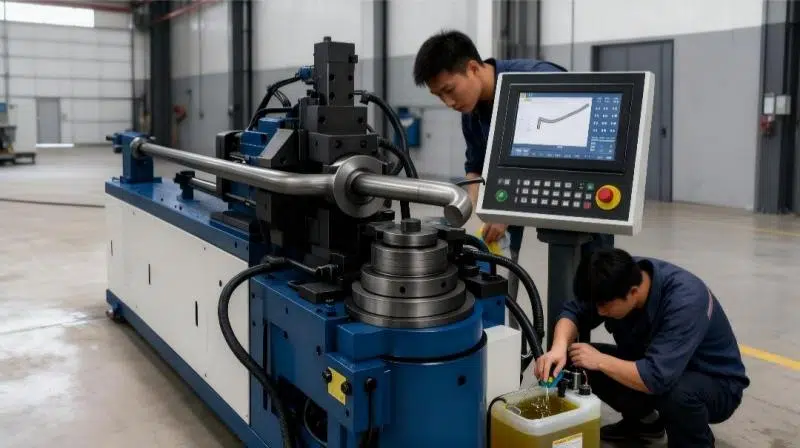
After draining, I inspect the oil tank for sediment or metal particles. Cleaning the tank with lint-free cloths is essential to prevent new oil contamination. If your tube bender is equipped with suction strainers or return filters, this is the best time to clean or replace them.
Step 4: Replace or Clean Hydraulic Filters
Hydraulic filters play a critical role in maintaining oil cleanliness. I always replace return line filters during an oil change and inspect suction filters carefully. Clogged or dirty filters reduce oil flow and can cause pressure instability in tube benders.
Step 5: Refill with the Correct Hydraulic Oil
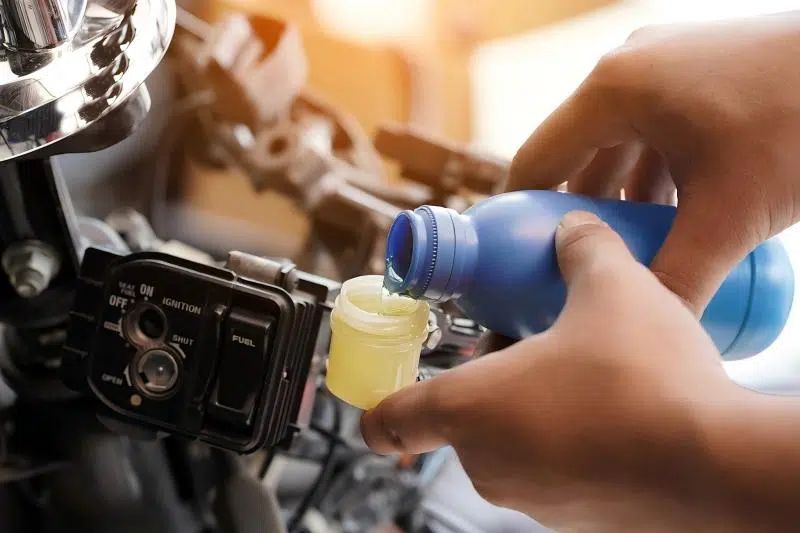
Refill the tank using the hydraulic oil grade specified by the manufacturer. Using incorrect oil viscosity can seriously affect the performance of hydraulic oil in tube benders. I pour the oil slowly through a filter funnel to avoid introducing air bubbles or dust into the system.
Step 6: Bleed Air from the Hydraulic System
After refilling, start the tube bender at low speed and operate the hydraulic cylinders several times without load. This process removes trapped air from the hydraulic system. I monitor oil level during this step and top up if necessary to maintain the correct level.
Common Mistakes to Avoid When Changing Hydraulic Oil
Mixing Different Hydraulic Oil Types

One of the most common mistakes is mixing different brands or grades of hydraulic oil. Even oils with similar viscosity may have incompatible additives, which can reduce lubrication performance and accelerate oil degradation.
Skipping Filter Replacement
Changing hydraulic oil without replacing filters is a short-term solution at best. Old filters can quickly contaminate new oil, reducing the effectiveness of the oil change and harming the hydraulic system of tube benders.
Ignoring Environmental Cleanliness
Dust, moisture, and metal particles are enemies of hydraulic oil in tube benders. I always emphasize keeping the work area clean and sealing oil containers properly to avoid contamination during refilling.
FAQs
How often should hydraulic oil in tube benders be checked?
I recommend checking hydraulic oil level and condition at least once a week. Regular inspection helps detect contamination or leaks early and prevents sudden hydraulic failure.
What type of hydraulic oil is best for tube benders?
The best hydraulic oil for tube benders is the one specified by the machine manufacturer. Commonly used grades include ISO VG 32 or ISO VG 46, depending on ambient temperature and operating conditions.
Can dirty hydraulic oil affect bending accuracy?
Yes. Contaminated hydraulic oil in tube benders can cause unstable pressure and inconsistent cylinder movement, directly affecting bending accuracy and repeatability.
Conclusion
Properly maintaining Hydraulic Oil in Tube Benders is essential for stable performance, precise bending results, and long-term reliability. By following the correct oil change procedure, using the right hydraulic oil, and replacing filters on time, you can significantly reduce wear on hydraulic components and avoid costly downtime. If you need technical support, oil recommendations, or maintenance guidance for your tube bender, feel free to contact the HARSLE service team or explore our related documentation for more professional insights.


