


Tube Bender Cooling Maintenance plays a critical role when tube bending quality starts to decline or tube life becomes shorter than expected. If you are looking for practical ways to extend tube life, focusing on proper cooling system maintenance is one of the most effective solutions. In this article, I’ll explain how a well-maintained cooling system directly improves tube surface quality, dimensional stability, and overall bending consistency. By understanding how cooling works and how to maintain it correctly, you can significantly reduce tube wear, prevent overheating damage, and avoid unexpected production downtime.
Why Tube Bender Cooling Maintenance Affects Tube Life
Heat Generation During Tube Bending
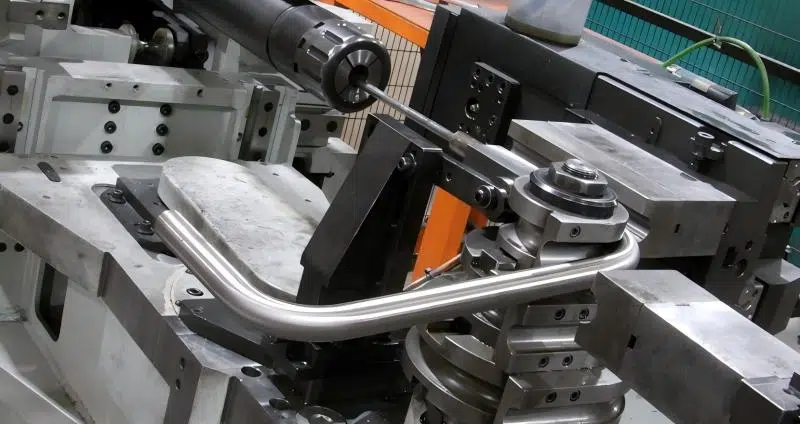
During tube bending, friction between the tube, mandrel, dies, and clamps generates a large amount of heat. If this heat is not dissipated efficiently, the tube material can soften, deform, or develop surface defects. Proper Tube Bender Cooling Maintenance ensures that heat is controlled before it damages the tube structure.
Impact of Overheating on Tube Material
Excessive heat accelerates oxidation, increases surface scratches, and weakens tube walls, especially when bending stainless steel, aluminum, or thin-wall tubes. Over time, poor cooling leads to inconsistent bend radii and reduced tube lifespan.
Key Components in Tube Bender Cooling Systems
Cooling Pumps and Circulation Lines
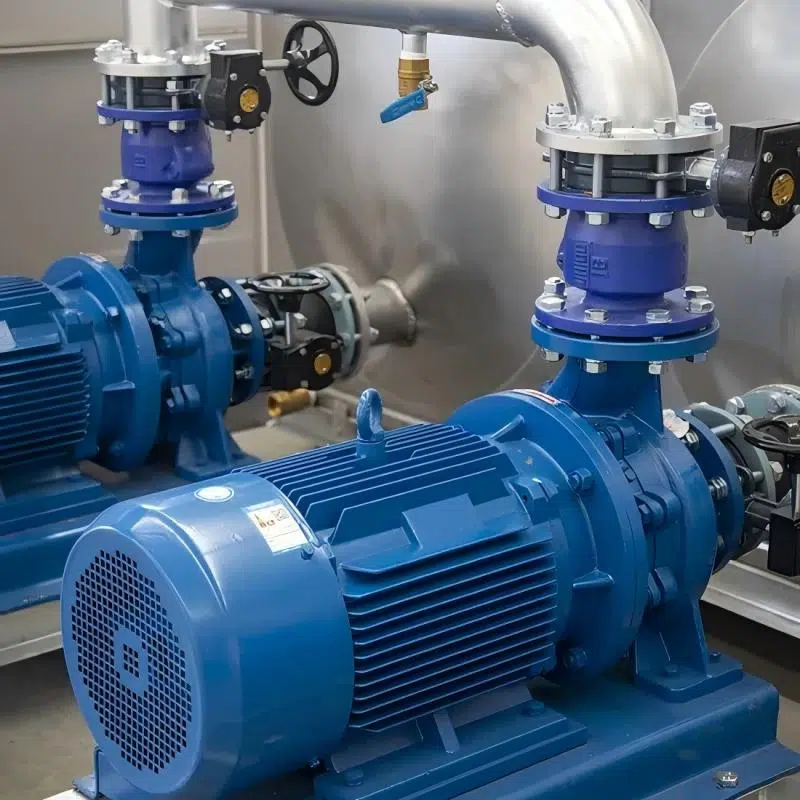
The cooling pump keeps coolant flowing through the bending zone. If circulation is weak or unstable, heat accumulates quickly. Regular inspection of pumps and pipelines is a core part of effective Tube Bender Cooling Maintenance.
Coolant Reservoir and Filtration
Dirty or contaminated coolant reduces heat transfer efficiency. Metal particles and oil residue can also scratch tube surfaces during bending, shortening tube life.
Heat Exchangers and Cooling Fans
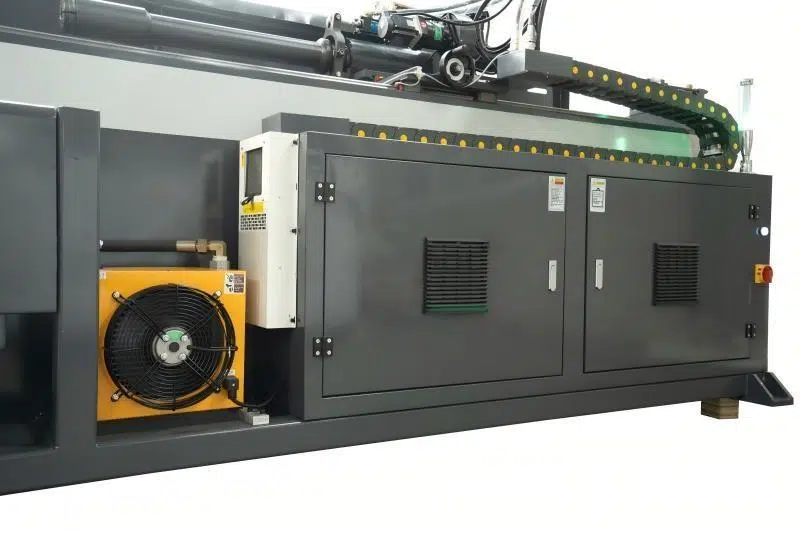
Heat exchangers and fans help maintain stable coolant temperature. When these components fail or are blocked by dust, cooling performance drops significantly.
Step-by-Step Tube Bender Cooling Maintenance to Improve Tube Life
Step 1: Monitor Coolant Temperature Consistently
I always recommend checking coolant temperature during production shifts. Sudden temperature increases often indicate flow restrictions or pump inefficiency. Stable coolant temperature directly improves tube surface quality.
Step 2: Keep Coolant Clean and at the Right Level
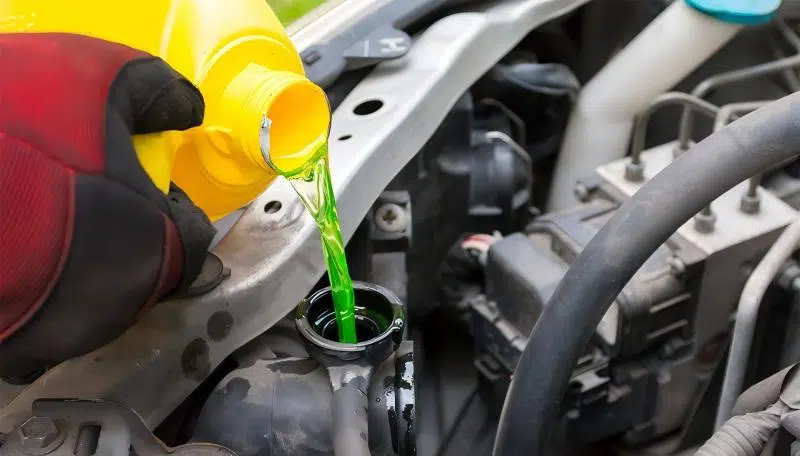
Low coolant levels reduce circulation efficiency, while dirty coolant increases friction. Replacing or filtering coolant at scheduled intervals is one of the simplest ways to extend tube life through Tube Bender Cooling Maintenance.
Step 3: Inspect Hoses, Valves, and Connections
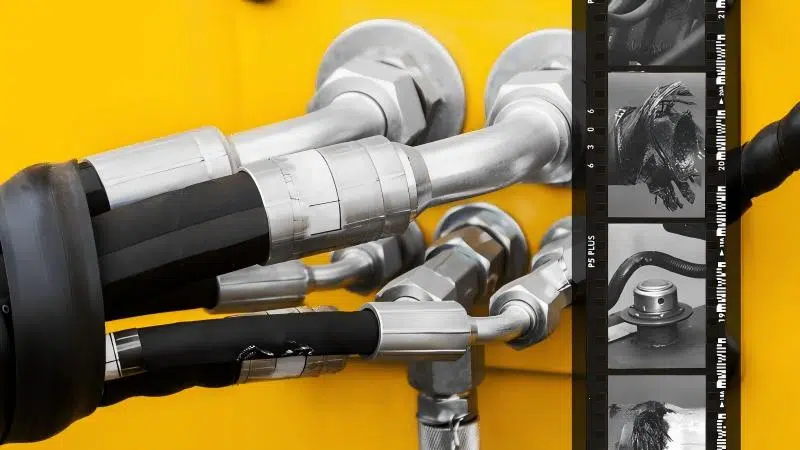
Leaks, cracks, or loose fittings reduce cooling pressure and allow air into the system. Even small leaks can lead to uneven cooling, which affects tube consistency.
Step 4: Clean Heat Exchangers and Cooling Fans
Dust buildup on heat exchangers acts as insulation, preventing heat dissipation. Regular cleaning ensures optimal cooling efficiency and protects tubes from thermal damage.
Step 5: Align Cooling Nozzles with the Bending Zone
Cooling nozzles should be positioned to target high-friction areas, especially near the mandrel and bend radius. Proper alignment improves heat control and reduces tube surface stress.
Best Practices for Long-Term Tube Life Improvement
Use Coolant Suitable for Tube Materials
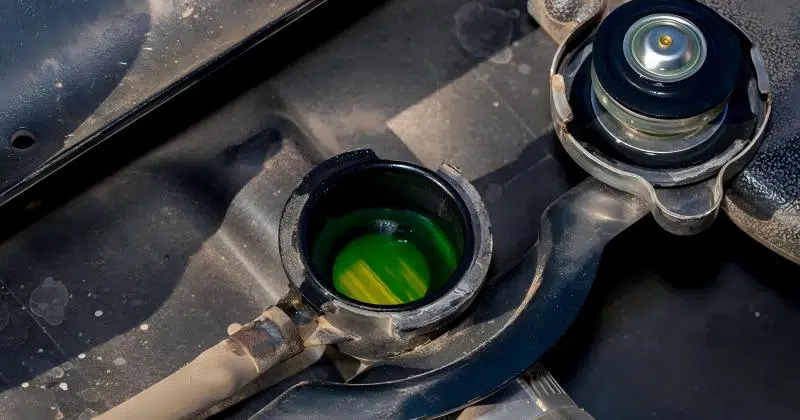
Different tube materials require different coolant properties. Using the correct coolant formulation improves lubrication and cooling efficiency, which is essential for long-term Tube Bender Cooling Maintenance.
Combine Cooling Maintenance with Lubrication Checks
Cooling and lubrication systems work together. Poor lubrication increases friction, which overwhelms even a well-maintained cooling system. Coordinated maintenance protects both the machine and the tube.
Establish a Preventive Maintenance Schedule
Rather than reacting to overheating problems, I recommend setting fixed inspection intervals. Preventive Tube Bender Cooling Maintenance consistently delivers longer tube life and more stable bending results.
FAQs
How does Tube Bender Cooling Maintenance improve tube life?
Proper cooling prevents overheating, reduces surface friction, and maintains material strength, which directly extends tube life and improves bending accuracy.
How often should I perform Tube Bender Cooling Maintenance?
Basic checks should be done weekly, while full inspections and coolant replacement are recommended every 3–6 months, depending on production intensity.
What are common signs of poor cooling maintenance?
Rising coolant temperature, tube discoloration, surface scratches, unstable bending angles, and frequent alarms are common warning signs.
Can cooling issues affect bending accuracy?
Yes. Inconsistent cooling causes thermal expansion and material softening, leading to inaccurate bend angles and uneven radii.
Conclusion
Improving tube life is not only about tooling quality or bending parameters—it heavily depends on how well you manage heat during the bending process. By focusing on Tube Bender Cooling Maintenance, you can reduce tube wear, maintain surface quality, and achieve consistent bending results over long production cycles. Regular inspections, clean coolant, and stable temperature control all contribute to longer tube life and lower operating costs.


