


When operators ask me how often Tube Bender Electrical Maintenance should be done, my answer is always clear: it depends on usage, environment, and machine configuration—but there is a reliable maintenance rhythm every workshop should follow. Electrical systems are the backbone of modern tube bending machines, especially CNC models with servo drives, PLC controllers, and advanced safety circuits. If electrical maintenance is neglected, small issues like loose terminals or overheating components can quickly escalate into unexpected downtime, accuracy loss, or even complete machine failure. In this article, I’ll explain how frequently electrical maintenance should be performed, what checks are required at each interval, and how proper Tube Bender Electrical Maintenance helps keep production stable and predictable.
Why Tube Bender Electrical Maintenance Frequency Matters
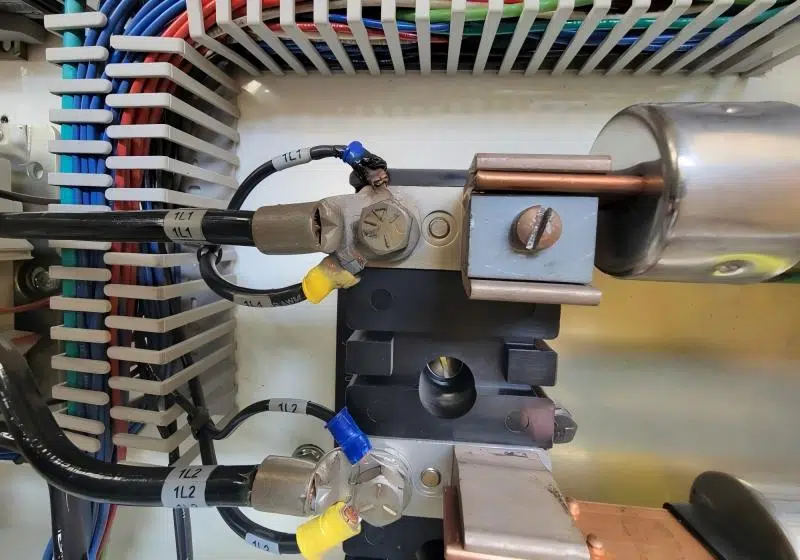
Electrical systems in tube benders operate continuously under load. Servo motors, inverters, control cabinets, sensors, and wiring harnesses are all exposed to heat, vibration, dust, and humidity. Over time, these factors cause gradual degradation.
Regular Tube Bender Electrical Maintenance helps me:
- Prevent sudden electrical failures
- Maintain bending accuracy and repeatability
- Extend the lifespan of electrical components
- Reduce unplanned downtime and repair costs
Ignoring maintenance frequency often leads to alarm errors, unstable motion control, and intermittent faults that are difficult to diagnose once they become chronic.
Daily Electrical Checks for Tube Benders
Visual Inspection of Control Cabinet
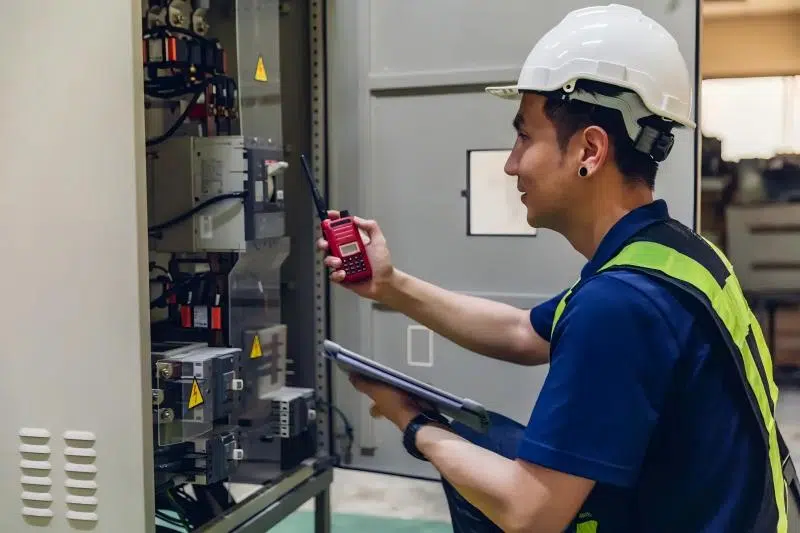
On a daily basis, I recommend a quick visual inspection before starting production. This step takes only a few minutes but can prevent major issues.
I usually check:
- Whether indicator lights on PLCs, drives, and power supplies are normal
- If cooling fans are running smoothly without abnormal noise
- Any visible dust buildup inside or around the electrical cabinet
These simple daily habits form the foundation of effective Tube Bender Electrical Maintenance.
Monitoring Alarms and Error Logs
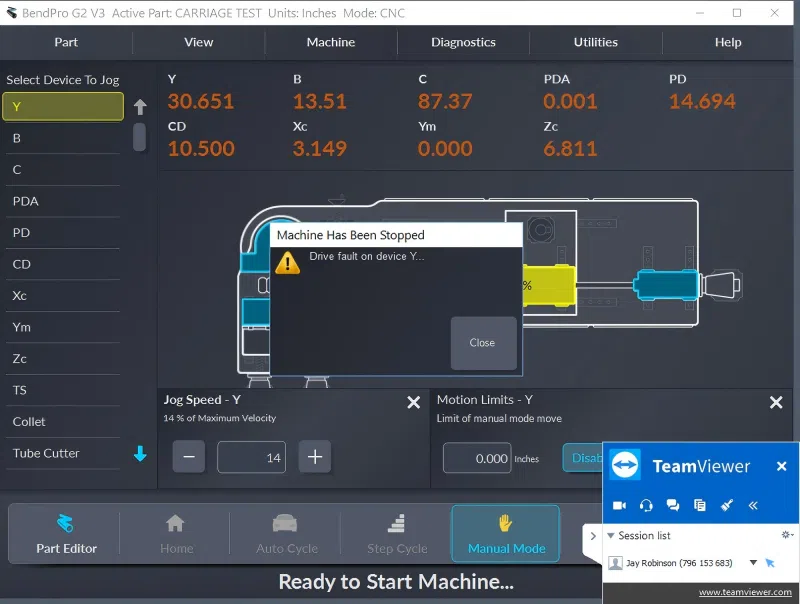
Modern tube benders record alarm history. I always advise operators to review alarm logs daily. Repeated minor alarms often signal early electrical issues such as unstable power supply or overheating components.
Weekly Electrical Maintenance Tasks
Checking Cable Connections and Wiring
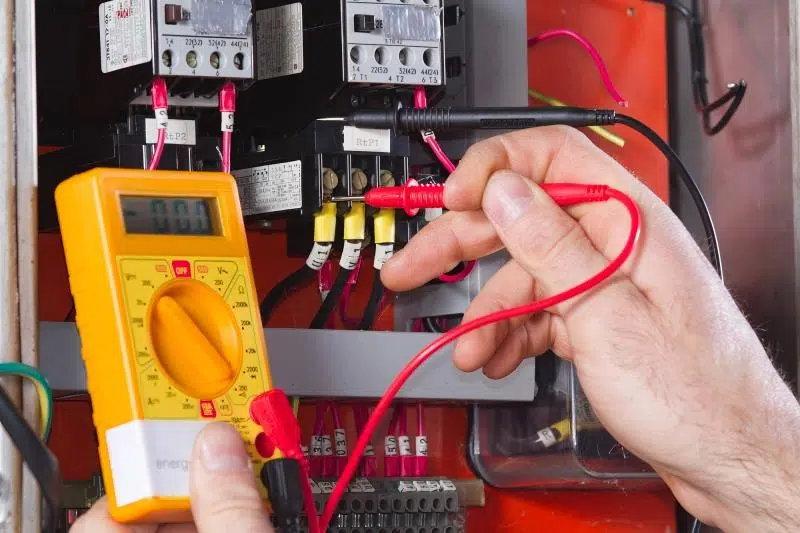
Once a week, I focus on cable integrity. Vibration during bending operations can slowly loosen terminals.
Key points I inspect include:
- Servo motor power cables and encoder connections
- Sensor wiring on clamps, mandrels, and pressure switches
- Grounding wires and earth connections
Loose or oxidized connections are one of the most common causes of electrical faults in tube benders.
Cleaning Electrical Components
Dust is a silent enemy of electrical systems. During weekly Tube Bender Electrical Maintenance, I recommend cleaning:
- Cooling fans and ventilation filters
- Cabinet interiors using dry compressed air
- External electrical panels exposed to the workshop environment
Keeping components clean improves heat dissipation and reduces failure risk.
Monthly Electrical Maintenance for Stable Performance
Thermal Inspection of Electrical Components
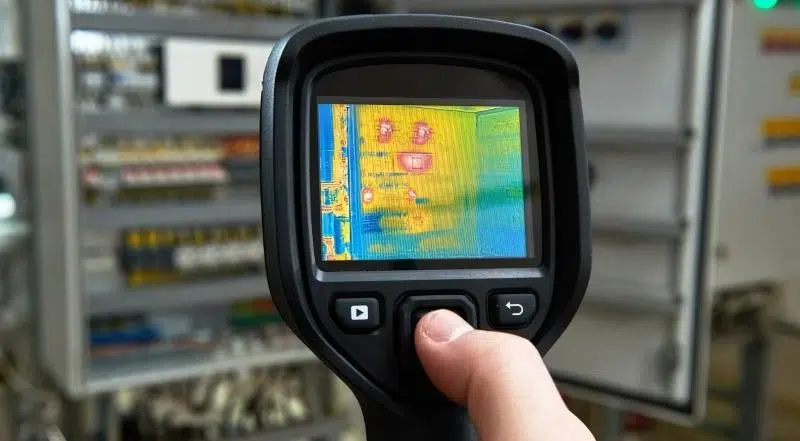
Once a month, I pay close attention to heat-related issues. Overheating is often invisible until it causes damage.
I typically check:
- Servo drives and frequency inverters for abnormal temperature
- Power supplies and transformers for discoloration or odor
- Terminal blocks for signs of heat stress
Thermal inspections are a critical part of preventive Tube Bender Electrical Maintenance.
Testing Safety and Emergency Circuits
Electrical safety systems must work flawlessly. Monthly checks should include:
- Emergency stop buttons
- Safety relays and interlocks
- Door switches on electrical cabinets
These tests not only protect operators but also prevent sudden production shutdowns caused by safety circuit faults.
Quarterly and Semi-Annual Electrical Maintenance
PLC and Control System Health Checks
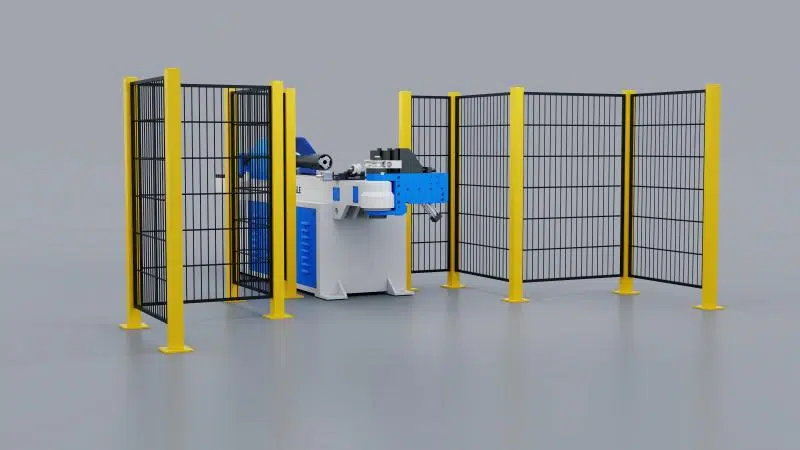
Every three to six months, I recommend deeper inspections of the control system. This includes:
- Checking PLC input/output stability
- Verifying communication between PLC, HMI, and servo drives
- Backing up control programs and parameter settings
Control system stability is essential for long-term Tube Bender Electrical Maintenance planning.
Power Supply and Voltage Stability Testing
Unstable voltage can damage sensitive electronics. I usually measure:
- Incoming power supply voltage
- Phase balance
- Ground resistance
These checks are especially important in regions with unstable power grids.
Annual Electrical Maintenance and Preventive Overhaul
Comprehensive Electrical System Inspection
Once a year, Tube Bender Electrical Maintenance should include a full system review. I recommend:
- Tightening all terminal connections
- Replacing worn cooling fans and filters
- Inspecting aging cables and connectors
Annual inspections help identify components approaching the end of their service life before they fail.
Updating Electrical Documentation
I also suggest updating electrical schematics, labeling, and maintenance records annually. Clear documentation simplifies future troubleshooting and reduces service time.
FAQs
How often should Tube Bender Electrical Maintenance be performed in high-volume production?
For high-volume or multi-shift production, I recommend daily inspections, weekly cleaning and wiring checks, monthly thermal inspections, and quarterly control system reviews.
Can poor Tube Bender Electrical Maintenance affect bending accuracy?
Yes. Electrical instability can cause servo positioning errors, delayed responses, and inconsistent bending angles.
What is the most common electrical issue in tube benders?
Loose connections and overheating components are the most frequent issues I encounter during electrical maintenance inspections.
Conclusion
From my experience, Tube Bender Electrical Maintenance should never be treated as an occasional task. Daily checks, weekly cleaning, monthly inspections, and annual overhauls work together to ensure electrical reliability and production stability. By following a structured maintenance schedule, I can significantly reduce downtime, protect critical components, and maintain consistent bending quality. If you need tailored maintenance guidelines or technical support for your tube bending machine, feel free to contact the HARSLE team or explore our related documentation for deeper insights.


