


Tube Bender Sensor Maintenance plays a critical role in keeping CNC tube bending machines running smoothly, as unexpected stops are often caused not by mechanical failure but by sensor-related issues. If you are searching for ways to reduce unplanned downtime, improve bending accuracy, and keep your production schedule stable, focusing on sensor maintenance is one of the most effective strategies. In this article, I’ll explain how proper sensor maintenance directly impacts machine uptime, which maintenance steps truly matter in daily operation, and how a structured approach can prevent costly interruptions. Whether you operate a single CNC tube bender or manage a full production line, understanding sensor maintenance will help you keep machines running reliably and efficiently.
Why Tube Bender Sensor Maintenance Is Critical for Downtime Reduction
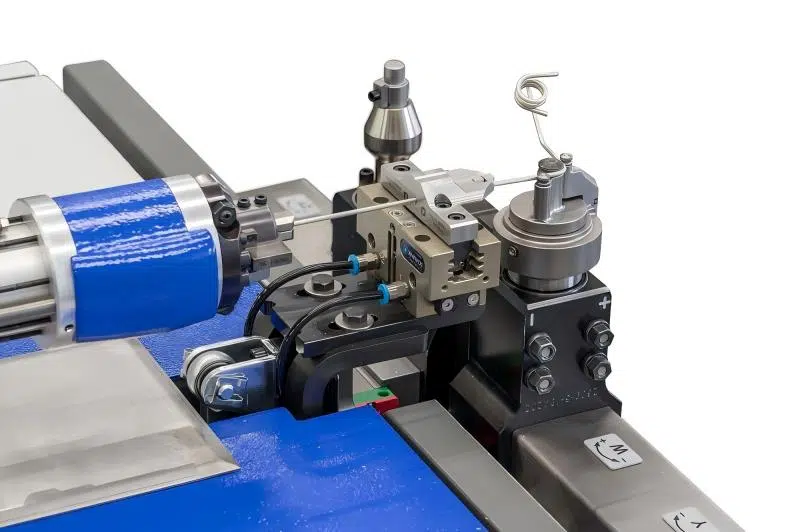
Sensors act as the “eyes and nerves” of a CNC tube bender. They monitor position, angle, pressure, clamp status, mandrel movement, and safety conditions in real time. When sensors fail, drift, or send unstable signals, the CNC system may trigger alarms, stop the cycle, or produce inaccurate bends.
How Sensor Failures Lead to Unexpected Downtime
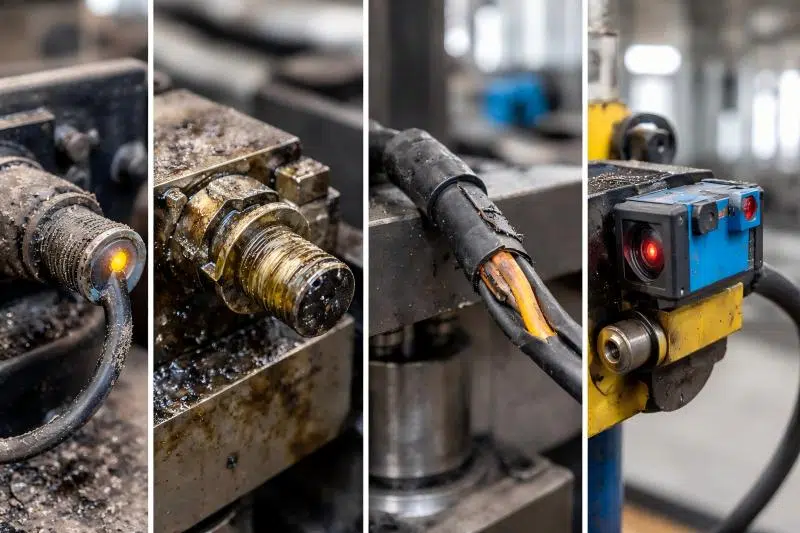
In my experience, most downtime caused by sensors comes from gradual issues rather than sudden breakdowns. Dust buildup, oil contamination, cable fatigue, or slight misalignment can cause intermittent errors. These problems are difficult to diagnose and often result in repeated machine stops, wasted troubleshooting time, and inconsistent production output.
The Cost of Ignoring Sensor Maintenance in CNC Tube Benders
Ignoring Tube Bender Sensor Maintenance increases more than just downtime. It leads to scrap parts, repeated re-calibration, operator frustration, and even damage to tooling or workpieces. Over time, minor sensor issues can escalate into major production bottlenecks.
Key Sensors That Affect CNC Tube Bender Stability
Not all sensors have the same impact on downtime. Prioritizing critical sensors helps you allocate maintenance time more effectively.
Position and Angle Sensors in CNC Tube Benders
Position and angle sensors ensure that bending arms, rotation axes, and feed carriages move exactly as programmed. If these sensors drift or lose reference, the CNC controller may stop the machine to prevent errors. Regular inspection and calibration of these sensors are essential for stable operation.
Pressure and Force Sensors for Clamping and Bending
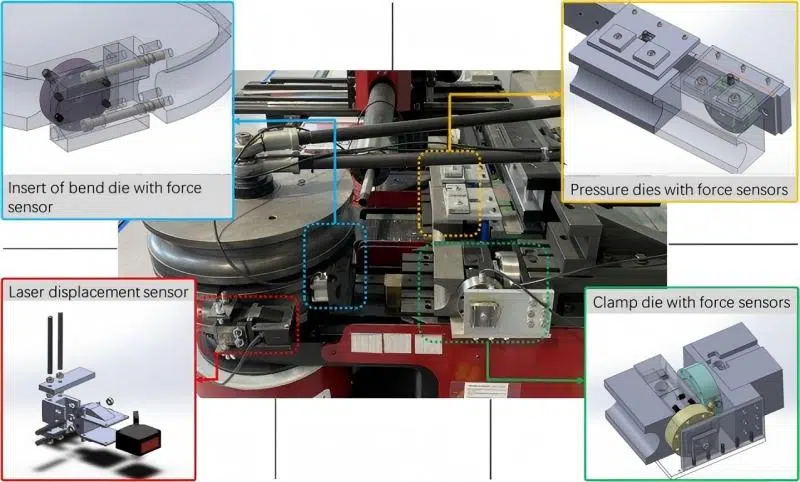
Pressure sensors monitor clamping force and bending pressure. Incorrect readings can cause alarms, incomplete bends, or safety shutdowns. Proper Tube Bender Sensor Maintenance includes checking sensor response consistency and verifying readings against known values.
Safety Sensors and Limit Switches
Safety sensors, including light curtains, limit switches, and door interlocks, are frequent sources of downtime if neglected. Even slight misalignment or contamination can trigger safety faults. Keeping these sensors clean and correctly aligned significantly reduces nuisance stops.
Practical Tube Bender Sensor Maintenance Steps That Prevent Downtime
A preventive approach is far more effective than reactive troubleshooting. Below are maintenance steps I recommend implementing as part of your routine.
Routine Cleaning and Visual Inspection
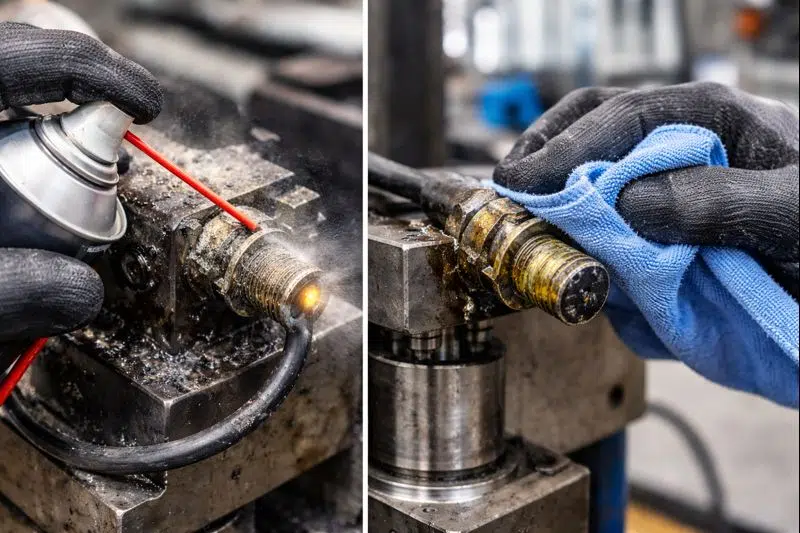
Dust, metal particles, and oil mist are common in tube bending environments. I always recommend cleaning sensor surfaces and connectors regularly using non-abrasive materials. During cleaning, visually inspect cables, connectors, and mounting brackets for signs of wear or loosening.
Checking Sensor Mounting and Alignment
Loose or misaligned sensors are a hidden cause of intermittent faults. Verify that sensors are firmly mounted and correctly positioned according to machine specifications. Even small shifts can cause signal instability and unexpected machine stops.
Verifying Signal Stability and Feedback Accuracy
For effective Tube Bender Sensor Maintenance, it’s important to periodically check sensor signals through the CNC diagnostic interface. Look for fluctuations, delays, or abnormal values. Early detection allows you to address issues before they trigger alarms during production.
Scheduled Calibration Based on Operating Hours
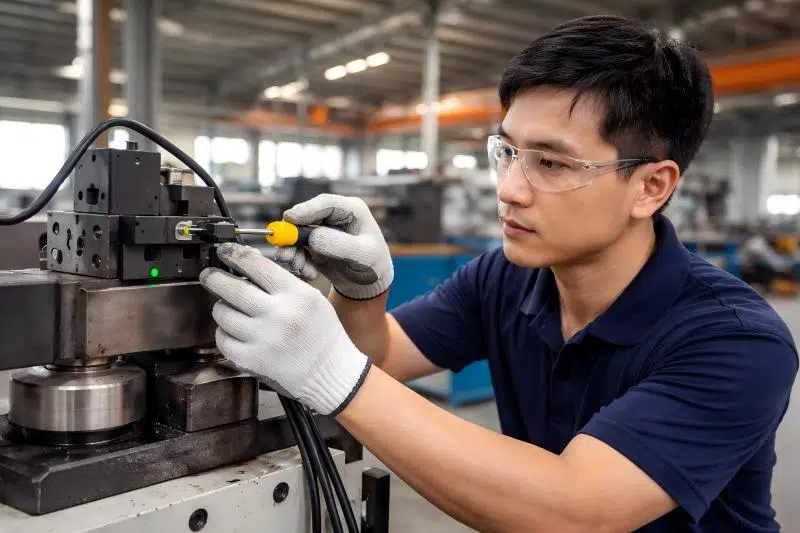
Calibration should not only be reactive. I suggest scheduling sensor calibration based on operating hours, production intensity, and material type. High-volume or high-precision bending applications require more frequent calibration to maintain accuracy and reduce downtime risks.
How Preventive Sensor Maintenance Improves Production Efficiency
Proper sensor maintenance doesn’t just reduce downtime—it improves overall efficiency and predictability.
Fewer Alarms and Faster Troubleshooting
Well-maintained sensors produce stable signals, which means fewer false alarms. When issues do occur, troubleshooting becomes faster because sensor reliability can be ruled out early, saving valuable time.
Consistent Bending Accuracy and Reduced Scrap
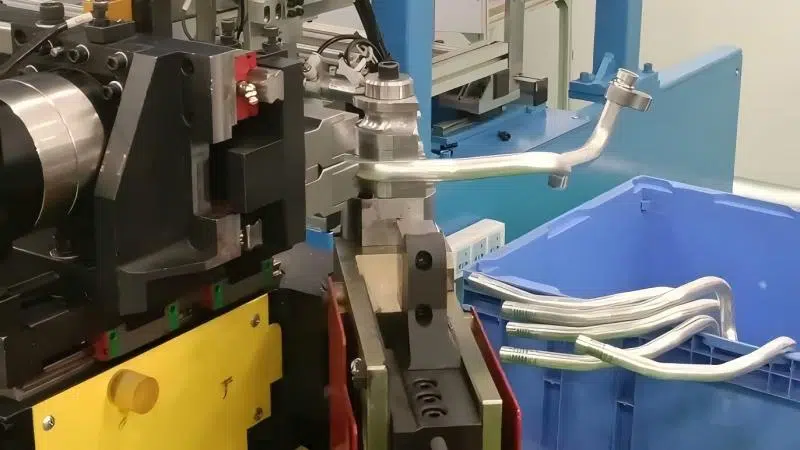
Stable sensors ensure repeatable bending results. This consistency reduces scrap rates and eliminates rework caused by sensor-related inaccuracies, keeping production flowing smoothly.
Longer Component Lifespan and Lower Maintenance Costs
Sensors that are cleaned, inspected, and calibrated regularly last longer. This reduces replacement frequency and lowers long-term maintenance costs, while also minimizing unexpected machine downtime.
FAQs
How often should Tube Bender Sensor Maintenance be performed?
Basic inspections and cleaning should be done weekly, while detailed checks and calibration are recommended every 3–6 months or based on machine operating hours.
Can poor sensor maintenance really cause frequent CNC tube bender downtime?
Yes. Unstable or contaminated sensors often trigger alarms, safety stops, and inaccurate feedback, all of which directly lead to unplanned downtime.
Which sensors should be checked first when downtime occurs?
Start with safety sensors, position sensors, and angle sensors, as these are the most common causes of sudden machine stops.
Does sensor maintenance differ between NC and CNC tube benders?
CNC tube benders rely more heavily on sensor feedback, so Tube Bender Sensor Maintenance is more critical and should be more systematic in CNC systems.
Conclusion
Proper Tube Bender Sensor Maintenance is one of the most effective ways to reduce downtime, improve machine stability, and protect production efficiency. By focusing on routine cleaning, alignment checks, signal verification, and scheduled calibration, you can prevent many sensor-related issues before they interrupt operation. A well-maintained sensor system ensures fewer alarms, more consistent bending results, and smoother daily production. If you want to further optimize your CNC tube bender performance or need professional guidance on maintenance planning, I recommend reviewing related documentation or contacting the HARSLE technical team for support.


