


When operators ask how to keep tube bending machines running safely and reliably, my answer always starts with Tube Bender Safety Maintenance. If you’re responsible for daily production, operator safety, or long-term machine performance, understanding the correct safety maintenance steps is essential. In this article, I’ll walk through the key steps of tube bender safety maintenance, explain why each step matters, and show how a structured approach can reduce accidents, prevent unexpected downtime, and extend machine service life. Whether you operate a single CNC tube bender or manage a full bending line, this guide will help you build safer and more stable operations.
Why Tube Bender Safety Maintenance Is Critical
Tube bending machines combine hydraulic, electrical, and mechanical systems, which means safety risks can arise from multiple sources. Poor tube bender safety maintenance often leads to issues such as uncontrolled motion, inaccurate bending, sensor failure, or even operator injury. By following a clear safety maintenance routine, I can identify risks early, correct unsafe conditions, and ensure the machine operates within its designed limits.
Step-by-Step Tube Bender Safety Maintenance Procedures
Step 1: Inspect Safety Guards and Protective Covers
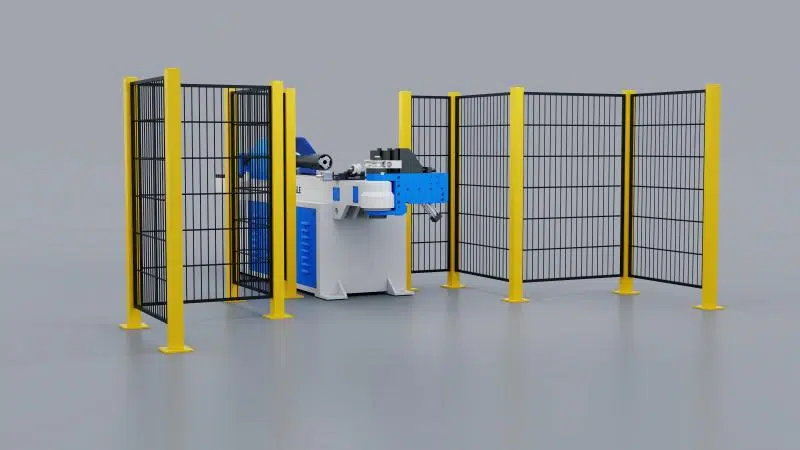
Before starting any shift, I always check that all safety guards, covers, and enclosures are properly installed and secured. Tube bender safety maintenance begins with physical protection. Missing or loose guards expose operators to moving clamps, bending arms, and rotating components. I make sure interlocked doors and covers trigger alarms or stop the machine when opened.
Step 2: Verify Emergency Stop and Safety Circuits
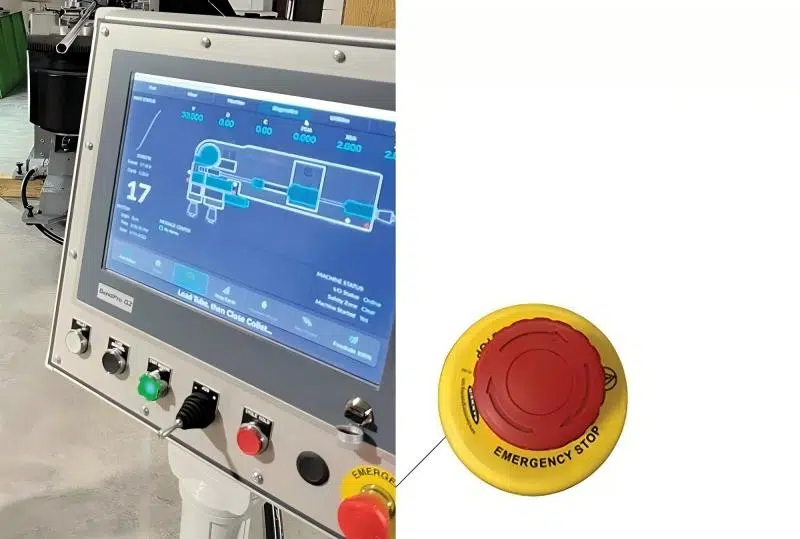
Emergency stop buttons are a critical part of tube bender safety maintenance. I test each emergency stop regularly to confirm the machine shuts down immediately and resets correctly. At the same time, I inspect safety relays, light curtains, and foot pedals to ensure signals are stable and free from delay or false triggering.
Step 3: Check Hydraulic System Safety Conditions
Hydraulic pressure directly affects bending force and machine stability. As part of tube bender safety maintenance, I inspect hoses, fittings, and cylinders for leaks, cracks, or abnormal vibration. I also verify pressure settings against the manufacturer’s limits. Excessive pressure not only damages tooling but also creates serious safety hazards.
Step 4: Maintain Electrical and Control System Safety
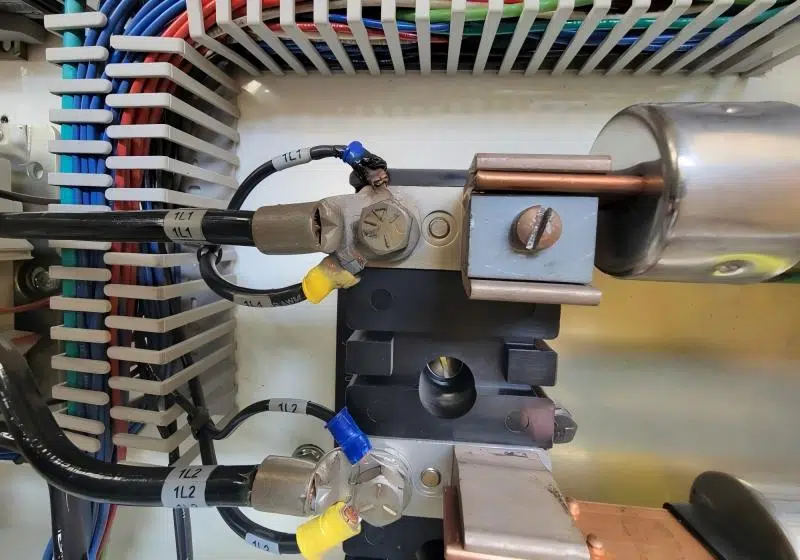
Electrical issues are a common hidden risk. I include cabinet cleaning, cable inspection, and grounding checks in my tube bender safety maintenance routine. Loose terminals, damaged insulation, or overheating components can cause unexpected stops or unsafe behavior. Keeping control systems clean and well-ventilated improves both safety and reliability.
Step 5: Calibrate Sensors and Safety Interlocks
Position sensors, pressure sensors, and limit switches play a major role in tube bender safety maintenance. I regularly verify sensor alignment and signal accuracy. Misaligned sensors may allow the machine to move beyond safe ranges, increasing the risk of collisions or tool damage. Calibration ensures the machine responds exactly as intended.
Step 6: Inspect Tooling, Clamps, and Mandrels
Incorrect tooling setup is a frequent cause of safety incidents. During tube bender safety maintenance, I check that clamps apply correct force, mandrels are properly seated, and tooling shows no cracks or deformation. Secure tooling reduces slippage, sudden tube release, and unexpected movement during bending.
Step 7: Clean, Lubricate, and Eliminate Hazards
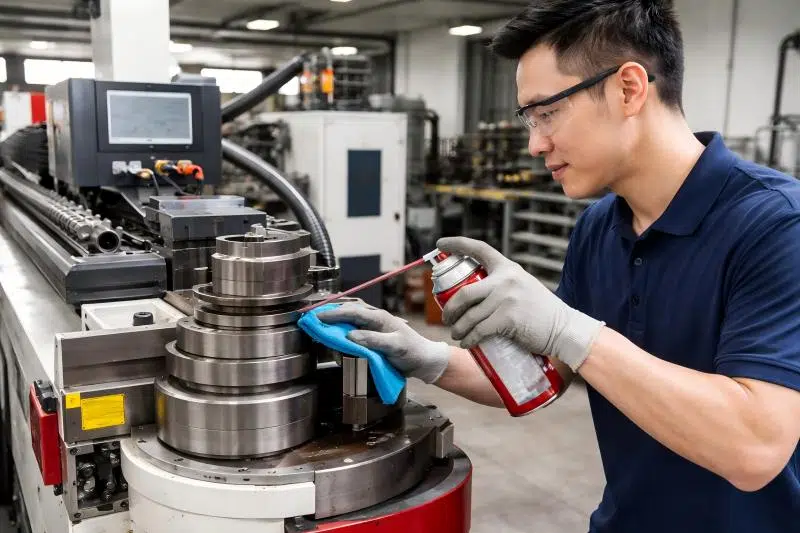
Cleanliness is often overlooked in tube bender safety maintenance. I remove metal chips, oil residue, and dust from the work area and machine surfaces. Proper lubrication of moving parts reduces friction, noise, and overheating, all of which contribute to safer operation.
Preventive Safety Maintenance Scheduling
Routine Safety Inspections
I recommend daily visual checks and weekly functional tests as part of tube bender safety maintenance. These short inspections help catch problems early without disrupting production.
Periodic Preventive Maintenance
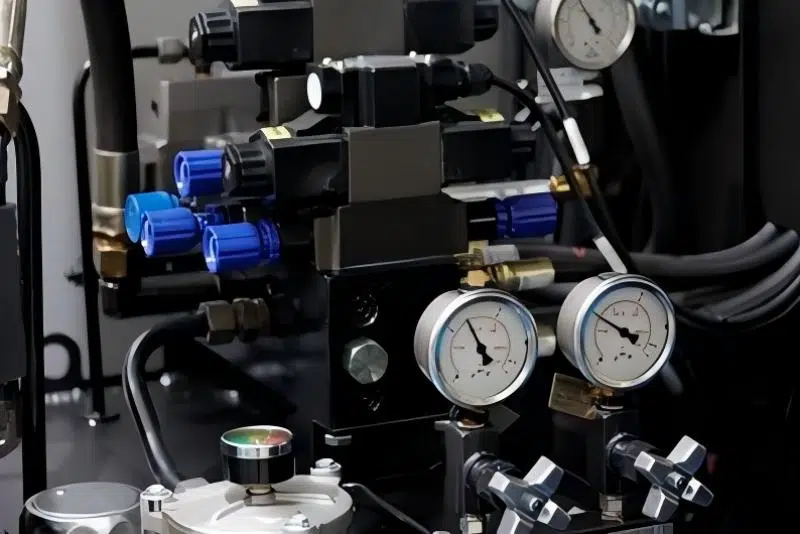
In addition to daily checks, I schedule monthly and quarterly safety maintenance tasks, including deeper hydraulic inspection, electrical testing, and full safety system verification. Preventive maintenance significantly lowers the risk of sudden failures.
FAQs
How often should tube bender safety maintenance be performed?
Basic safety checks should be done daily, while comprehensive tube bender safety maintenance should be scheduled monthly or every 500 operating hours, depending on workload.
Which components are most critical for tube bender safety maintenance?
Emergency stops, safety guards, sensors, hydraulic systems, and tooling clamping mechanisms are the most critical areas to inspect regularly.
Can poor tube bender safety maintenance affect bending accuracy?
Yes. Safety-related issues such as sensor misalignment or unstable hydraulic pressure directly impact bending accuracy and repeatability.
Is operator training part of tube bender safety maintenance?
Absolutely. Proper training ensures operators recognize unsafe conditions early and follow correct safety procedures during operation and maintenance.
Conclusion
Effective Tube Bender Safety Maintenance is not just about compliance; it’s about protecting operators, maintaining stable production, and extending machine life. By following these key steps—inspecting safety systems, maintaining hydraulic and electrical components, calibrating sensors, and scheduling preventive checks—I can significantly reduce risks and downtime. If you want more guidance, machine-specific recommendations, or professional support, feel free to contact the HARSLE team or explore our related tube bending documentation for deeper insights.
You have not enough Humanizer words left. Upgrade your Surfer plan.


