


Tube Bender Maintenance Mistakes are often the hidden reason behind declining bending accuracy, even when tooling, materials, and machines appear to be in good condition. Many operators first suspect worn tools, inconsistent tube quality, or machine aging, but in daily production, maintenance errors are usually the real cause. These mistakes can lead to unstable bend angles, ovality problems, and poor repeatability. If you’re trying to identify which maintenance issues are quietly affecting your tube bender’s precision, you’re in the right place. In this article, I’ll walk through the most critical maintenance mistakes I encounter on the shop floor, explain how they impact accuracy, and show you how to prevent them before they result in scrap, rework, or unexpected downtime.
Neglecting Regular Calibration of the Bending System
Skipping Angle and Position Calibration Checks
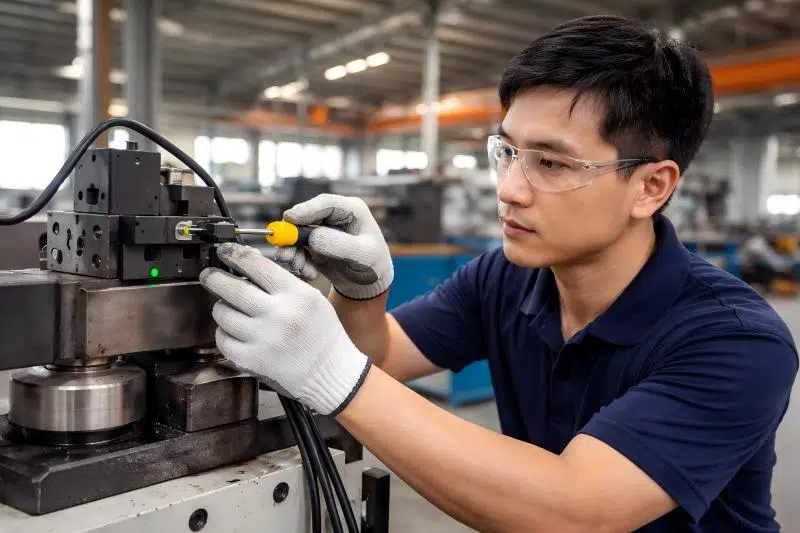
One of the most serious Tube Bender Maintenance Mistakes is assuming that once a machine is calibrated, it will stay accurate forever. Over time, vibration, temperature changes, and continuous operation can cause slight shifts in bend arm position, pressure settings, and axis alignment. Even small deviations can result in noticeable angle errors.
Regular calibration of the bending angle, rotation axis, and feed length is essential. If calibration checks are skipped, the machine may still run smoothly, but the parts coming off it will gradually fall out of tolerance.
Using Incorrect Calibration Tools
Another common issue is using worn or low-precision gauges for calibration. Accurate tube bending requires accurate measurement tools. If the reference itself is wrong, calibration adjustments become meaningless. Digital angle gauges and certified measuring tools should always be part of your maintenance routine.
Improper Lubrication of Moving Components
Over-Lubrication and Under-Lubrication
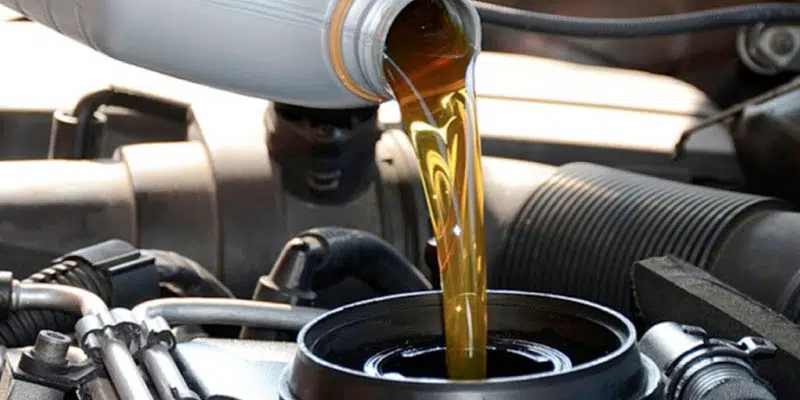
Lubrication mistakes are among the most underestimated Tube Bender Maintenance Mistakes. Too little lubrication increases friction, causing uneven movement of the bending arm and clamping system. Too much lubrication, on the other hand, can attract dust and metal particles, accelerating wear.
Both situations reduce repeatability. When movement is no longer smooth or consistent, bending accuracy suffers, especially in tight-radius or multi-bend parts.
Ignoring Manufacturer-Recommended Lubricants
Using the wrong type of lubricant is another accuracy killer. Different tube benders require specific oils or greases for guides, ball screws, and bearings. Ignoring these recommendations can change friction characteristics and affect motion control precision.
Failing to Maintain Clamping and Pressure Systems
Uneven or Worn Clamping Dies
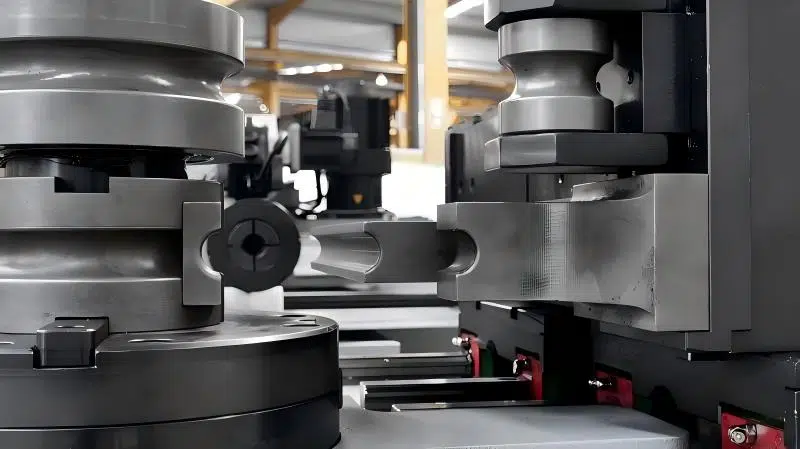
If the clamping system is not maintained, slippage becomes inevitable. Worn clamping dies or insufficient clamping force allow the tube to move during bending, resulting in angle deviation and inconsistent bend radii. This is a classic example of Tube Bender Maintenance Mistakes directly reducing accuracy.
Routine inspection of clamping surfaces and timely replacement of worn components help maintain stable bending conditions.
Unstable Hydraulic or Servo Pressure
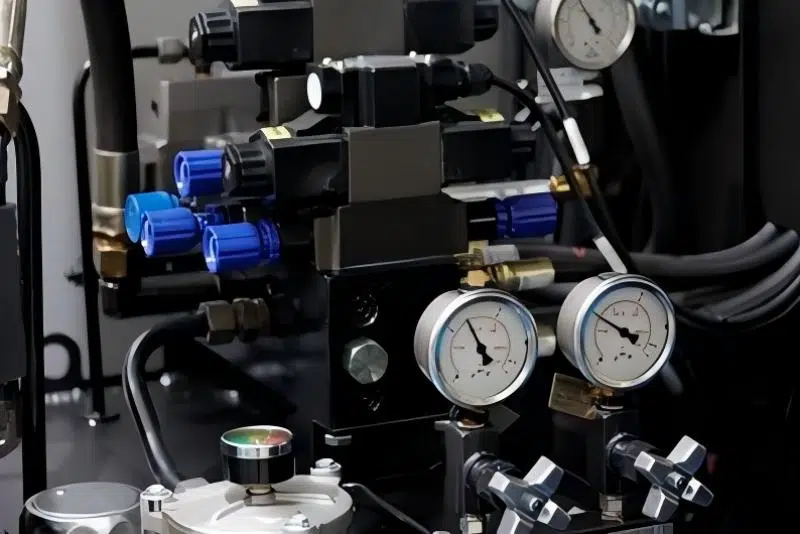
Pressure instability is another hidden accuracy problem. In hydraulic tube benders, contaminated oil or air in the system can cause pressure fluctuations. In servo-driven machines, poor electrical maintenance can lead to inconsistent motor response. Both situations result in unpredictable bending force, directly impacting accuracy.
Ignoring Sensor and Encoder Maintenance
Dirty or Misaligned Sensors
Modern CNC tube benders rely heavily on sensors and encoders for position feedback. When these components are dirty, loose, or misaligned, the control system receives incorrect data. This leads to positioning errors even if the mechanical structure is sound.
Sensor neglect is one of the most common Tube Bender Maintenance Mistakes in high-volume production environments, especially where dust and oil mist are present.
Delaying Sensor Calibration
Sensors and encoders also require periodic calibration. Delaying this process can cause gradual accuracy loss that operators may not notice until scrap rates increase.
Poor Guide Rail and Slide Maintenance
Contaminated or Worn Guide Rails
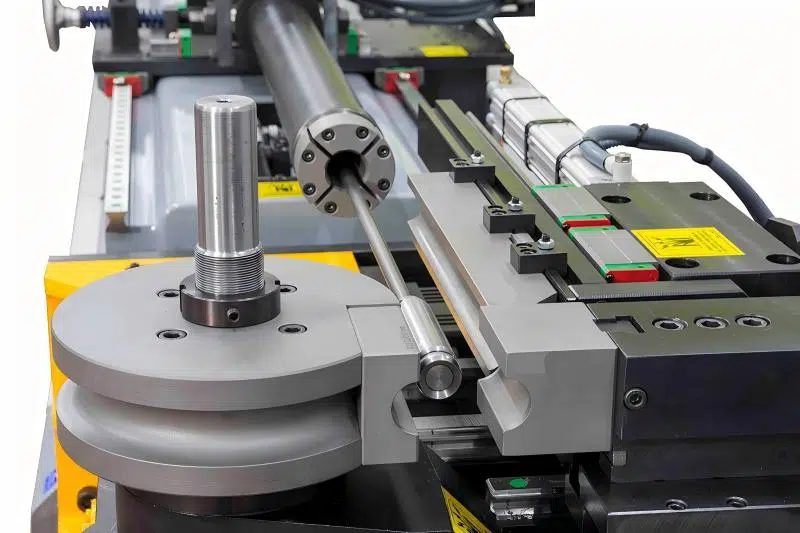
Guide rails and linear slides ensure straight, controlled motion. If they are contaminated with debris or show uneven wear, axis movement becomes inconsistent. This affects feed length accuracy and bend positioning.
Regular cleaning and inspection of guide rails should be part of every maintenance schedule to prevent precision loss.
Ignoring Early Signs of Wear
Noise, vibration, or slight resistance during movement are early warning signs. Ignoring them is a major Tube Bender Maintenance Mistake that often leads to more serious accuracy problems later.
FAQ
Which Tube Bender Maintenance Mistakes affect accuracy the most?
The most impactful mistakes include skipping calibration, poor lubrication practices, neglecting sensors, and ignoring clamping system wear. These issues directly influence positioning, pressure stability, and repeatability.
How often should I calibrate my tube bender for accuracy?
For most production environments, calibration checks should be performed monthly or after any tooling change. High-precision or high-volume applications may require weekly verification.
Can poor lubrication really reduce tube bending accuracy?
Yes. Inconsistent lubrication changes friction levels, leading to uneven movement and unpredictable bending results, especially in multi-axis CNC tube benders.
Are sensor issues common in tube bender maintenance?
Very common. Sensors operate in harsh environments and are often overlooked. Regular cleaning and calibration are essential to maintain accurate feedback to the control system.
Conclusion
Accuracy loss rarely happens overnight. In most cases, it is the result of accumulated Tube Bender Maintenance Mistakes that go unnoticed during daily operation. By focusing on regular calibration, proper lubrication, stable clamping pressure, sensor care, and guide rail maintenance, you can significantly improve bending precision and repeatability. If you want to reduce scrap, protect your tooling investment, and keep your tube bender performing at its best, addressing these maintenance issues is the smartest place to start. For more detailed maintenance guidance or machine-specific support, feel free to contact the HARSLE technical team or explore our related documentation resources.
You have not enough Humanizer words left. Upgrade your Surfer plan.


