


Tube Bender Repair vs Maintenance is a question many operators face when tube bending machines begin to lose accuracy, stop unexpectedly, or produce inconsistent parts. If you are looking for a clear and practical explanation of this topic, you’re in the right place. In this article, I’ll break down the real differences between repair and maintenance, explain how each approach impacts machine performance and operating costs, and show how choosing the right solution at the right time can significantly reduce downtime. Whether you run a single CNC tube bender or manage an entire production line, understanding this distinction will help you make smarter decisions and keep production running smoothly.
What Is Tube Bender Maintenance and Why It Matters
Tube bender maintenance refers to planned, routine actions designed to keep the machine in stable working condition. The goal of maintenance is not to fix failures, but to prevent them before they happen.
Routine Maintenance Tasks for Tube Benders
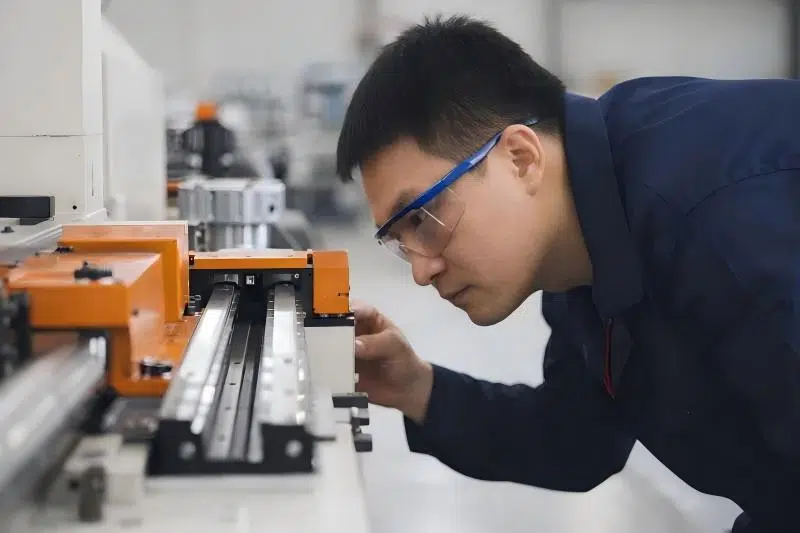
Routine maintenance usually includes daily, weekly, and monthly checks. I always recommend starting with basic inspections such as checking lubrication points, cleaning guide rails, and verifying clamp pressure. These small tasks prevent excessive wear on critical components like mandrels, bending arms, and servo drives.
Lubrication plays a key role in tube bender maintenance. Proper lubrication reduces friction during bending, protects mechanical parts, and helps maintain bending accuracy. Ignoring lubrication often leads to increased resistance, poor repeatability, and eventually mechanical damage.
Preventive Maintenance for Long-Term Accuracy
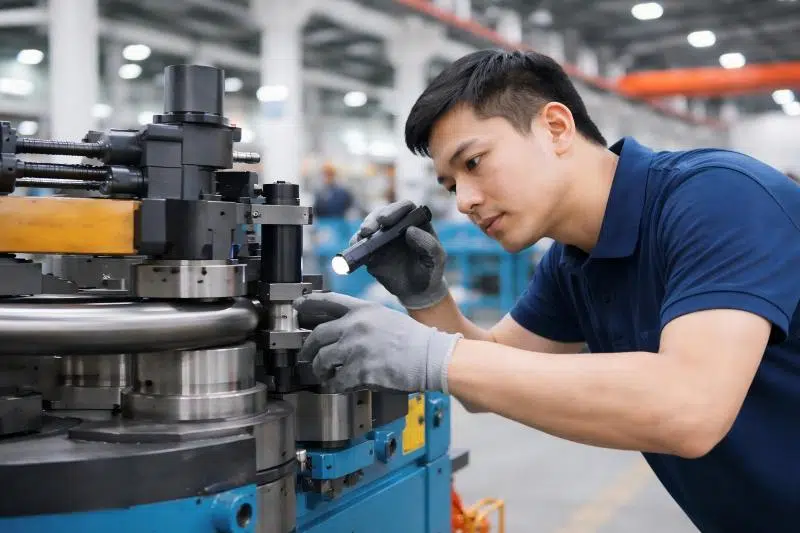
Preventive maintenance goes beyond basic cleaning. It includes calibrating sensors, checking encoder signals, inspecting hydraulic pressure stability, and verifying tooling alignment. By performing preventive maintenance on tube benders, I can ensure consistent bend angles, stable radii, and reliable cycle times. This approach significantly extends machine lifespan and lowers total ownership cost.
What Is Tube Bender Repair and When It Is Necessary
Tube bender repair refers to corrective actions taken after a failure or malfunction has already occurred. Unlike maintenance, repair is reactive rather than proactive.
Common Tube Bender Repair Scenarios
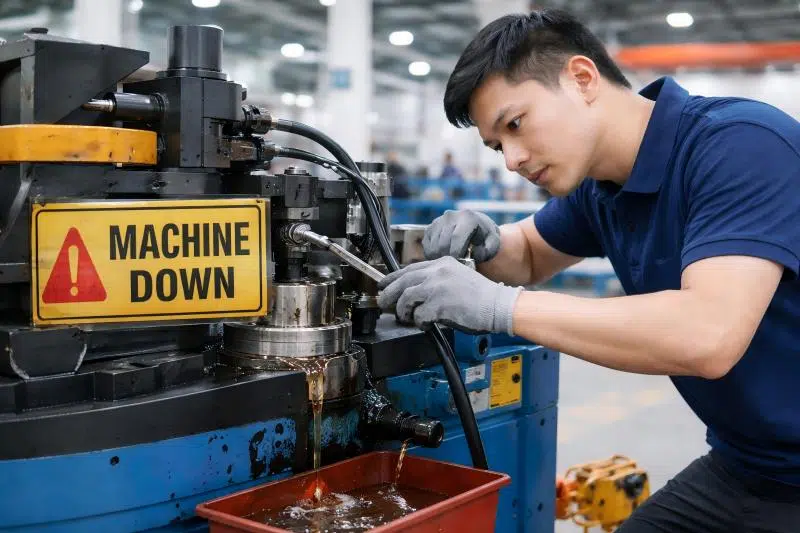
Typical repair situations include servo motor alarms, hydraulic leaks, sensor failures, broken mandrels, or damaged tooling interfaces. In many cases, production has already stopped by the time repair is required. This leads to lost output, delayed deliveries, and higher labor costs.
Tube bender repair often involves replacing damaged components, reprogramming control parameters, or realigning mechanical systems. While repair restores functionality, it does not address the root cause if maintenance has been neglected.
The Cost Impact of Unplanned Repairs
From my experience, unplanned tube bender repairs are almost always more expensive than routine maintenance. Emergency repairs may require express spare parts, outside service technicians, and extended downtime. This is why understanding Tube Bender Repair vs Maintenance is critical for production planning.
Tube Bender Repair vs Maintenance: Key Differences Explained
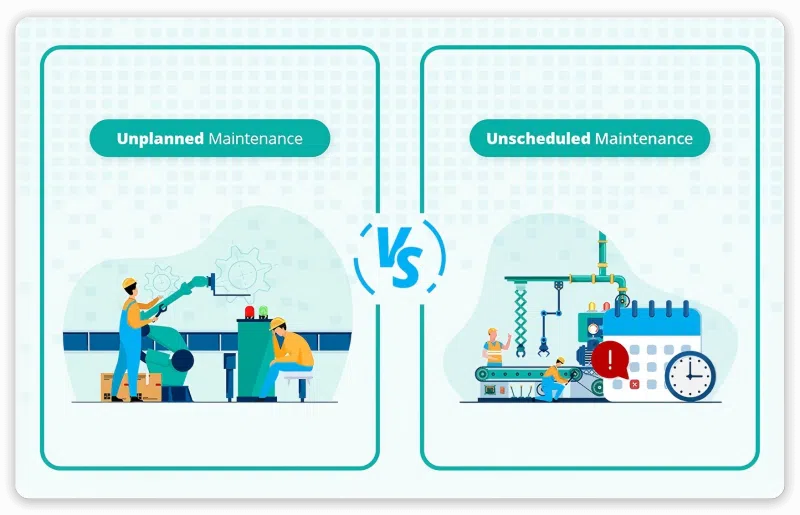
The core difference between tube bender repair and maintenance lies in timing, cost, and purpose.
Timing and Approach
Maintenance is scheduled and predictable. Repairs are unplanned and disruptive. When maintenance is performed correctly, repairs become less frequent and less severe.
Cost and Downtime Comparison
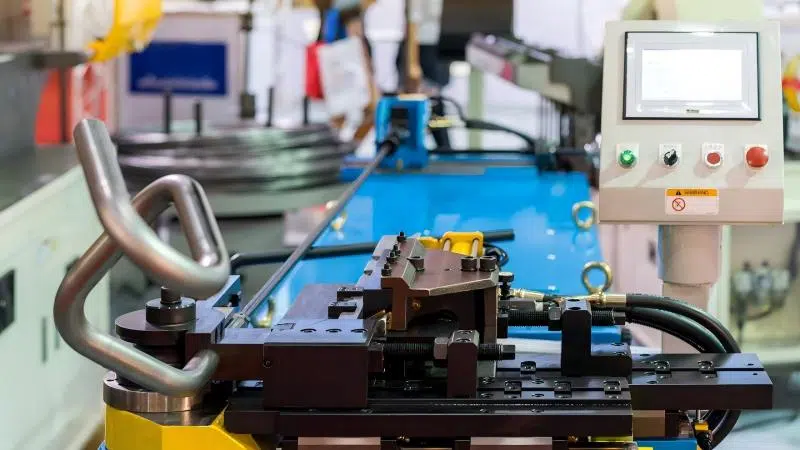
Maintenance costs are relatively low and easy to budget. Repairs often involve higher expenses due to part replacement and production loss. In terms of Tube Bender Repair vs Maintenance, maintenance is always the more cost-effective strategy in the long run.
Impact on Machine Performance
Regular maintenance preserves bending accuracy, repeatability, and system stability. Repairs only restore basic function and may not fully recover original performance if wear has accumulated over time.
How to Decide Between Repair and Maintenance for Your Tube Bender
Knowing when to maintain and when to repair is a key operational skill.
Signs Your Tube Bender Needs Maintenance
If you notice gradual accuracy drift, increased noise, higher energy consumption, or inconsistent clamp pressure, maintenance is usually sufficient. Acting early prevents these issues from turning into failures.
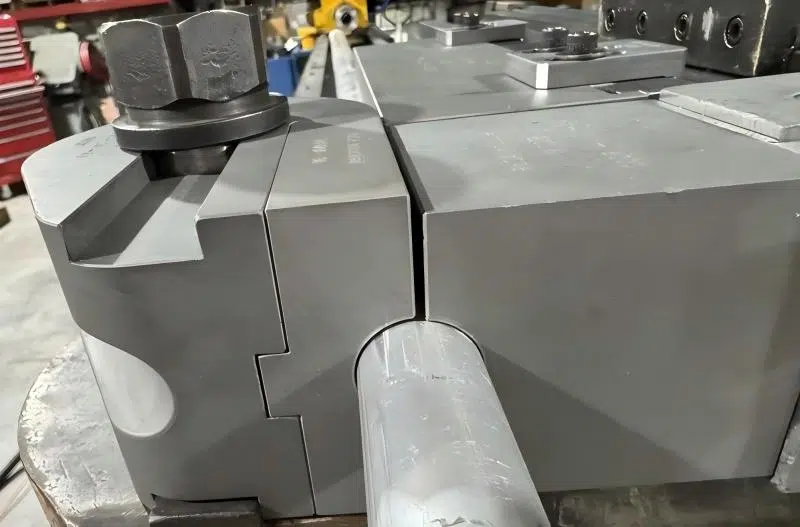
Signs Your Tube Bender Requires Repair
Sudden alarms, complete axis failure, hydraulic oil leakage, or sensor signal loss are clear indicators that repair is required. In these cases, stopping the machine immediately prevents further damage.
How Maintenance Reduces the Need for Repairs
The relationship between tube bender repair vs maintenance is straightforward: good maintenance reduces repair frequency. By following a structured maintenance plan, I can detect early signs of wear, correct minor deviations, and avoid major breakdowns. Over time, this leads to higher uptime, better part quality, and lower stress for operators and maintenance teams.
FAQ
What is the main difference between tube bender repair vs maintenance?
The main difference is that maintenance is preventive and planned, while repair is corrective and reactive. Maintenance aims to prevent failures, while repair fixes problems after they occur.
How often should tube bender maintenance be performed?
Basic inspections should be done daily, lubrication weekly, and detailed preventive maintenance every few months or based on operating hours, depending on machine usage.
Can regular maintenance eliminate the need for tube bender repairs?
Regular maintenance cannot eliminate repairs entirely, but it significantly reduces their frequency, severity, and cost.
Is tube bender repair always more expensive than maintenance?
In most cases, yes. Repairs involve downtime, spare parts, and labor, while maintenance is predictable and budget-friendly.
Conclusion
Understanding Tube Bender Repair vs Maintenance helps you move from reactive problem-solving to proactive machine management. Maintenance protects accuracy, extends machine life, and keeps production stable, while repair should be reserved for unavoidable failures. By investing in proper maintenance routines, you can minimize unexpected repairs and improve overall efficiency. If you want support in setting up a structured tube bender maintenance plan or need professional repair guidance, feel free to contact HARSLE’s technical team or explore our related documentation for deeper insights.


