


Tube Bender Lubricants play a critical role when operators ask me how to reduce tool wear, protect tube surfaces, and maintain stable bending accuracy over long production cycles. If you are looking for practical guidance on choosing the right lubricant for CNC or NC tube bending machines, you are in the right place. In this article, I’ll explain how different lubricants function during tube bending, how to match them with specific materials and forming processes, and how the correct choice can directly improve bending quality, extend tooling life, and reduce maintenance costs. Whether you operate a single tube bender or manage a full production line, this guide will help you make a confident and informed decision.
Why Tube Bender Lubricants Matter in Tube Bending

Tube bending is a forming process with high friction between the tube, mandrel, die, and wiper die. Without proper Tube Bender Lubricants, friction increases rapidly, leading to scratches, thinning, wrinkling, and even tube cracking.
Good lubrication helps create a stable film between contact surfaces. This reduces metal-to-metal contact, improves material flow, and allows the tube to bend smoothly around the radius. In my experience, many bending defects that look like “machine problems” are actually lubrication problems.
Understanding Friction Zones in Tube Bending Machines
Mandrel and Ball Lubrication Areas
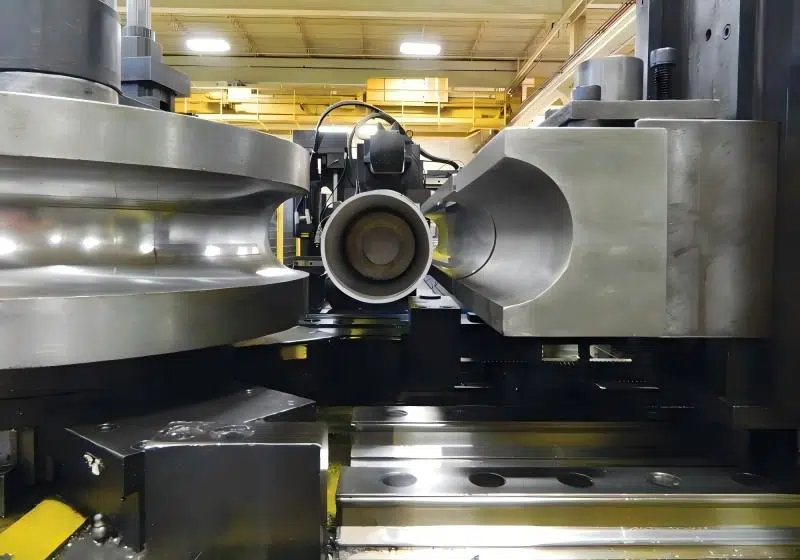
The mandrel and mandrel balls experience the highest internal friction. Tube Bender Lubricants used here must have strong adhesion and pressure resistance. If the lubricant is too thin, it will be squeezed out during bending. If it is too thick, it may block movement or contaminate the tube interior.
Die and Wiper Die Contact Surfaces
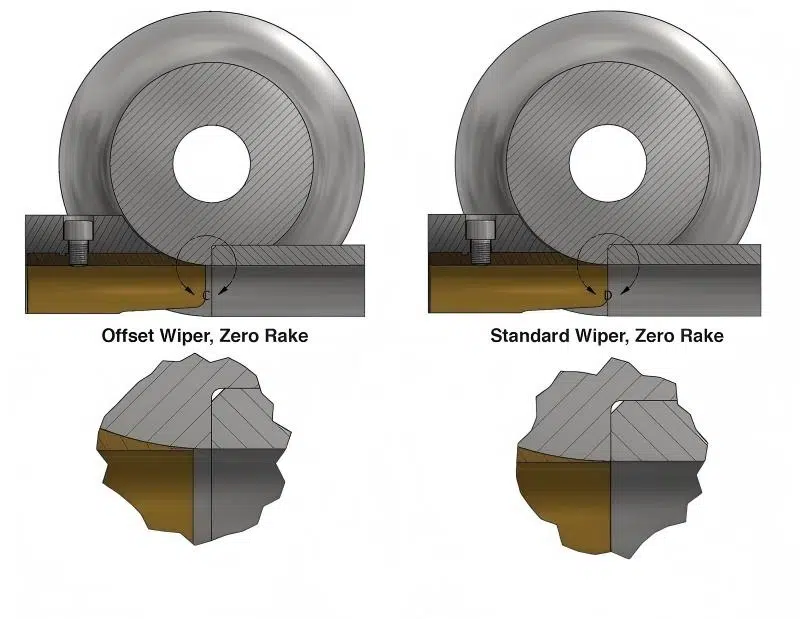
External friction occurs between the tube and bending die, clamp die, and wiper die. Lubricants in these areas must balance lubrication and cleanliness. Excessive oil can attract dust and chips, while insufficient lubrication increases surface damage.
Types of Tube Bender Lubricants and Their Applications
Oil-Based Tube Bender Lubricants
Oil-based lubricants are widely used in heavy-duty tube bending, especially for thick-wall steel tubes and tight bending radii. They offer excellent load-carrying capacity and stable lubrication under pressure.
However, oil-based Tube Bender Lubricants may require additional cleaning after bending, particularly if tubes will be welded, painted, or powder-coated.
Water-Soluble Tube Bender Lubricants
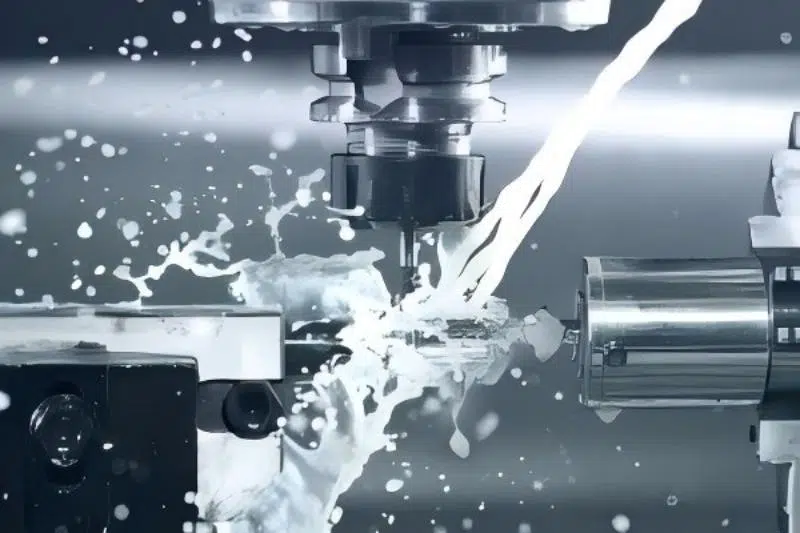
Water-soluble lubricants are popular for high-volume production and clean workshops. They are easier to clean and more environmentally friendly. For stainless steel and aluminum tube bending, water-based solutions can work well if concentration is properly controlled.
The key is maintaining the correct mixing ratio. Too much water reduces lubrication performance, while too little increases residue.
Paste and Gel Lubricants for Mandrels
For complex bending operations, paste or gel-type Tube Bender Lubricants are often used on mandrels. These lubricants stay in place under high pressure and are ideal for small-radius bends or multi-radius CNC tube bending.
How to Choose Tube Bender Lubricants Based on Material
Steel and Carbon Steel Tubes
For carbon steel tubes, I usually recommend high-pressure oil-based lubricants or heavy-duty water-soluble lubricants. These materials generate higher friction and require stronger lubrication films.
Stainless Steel Tubes
Stainless steel has higher hardness and friction. Choosing Tube Bender Lubricants with anti-galling properties is essential. Specialized stainless steel lubricants help prevent scoring and surface tearing.
Aluminum and Soft Alloy Tubes
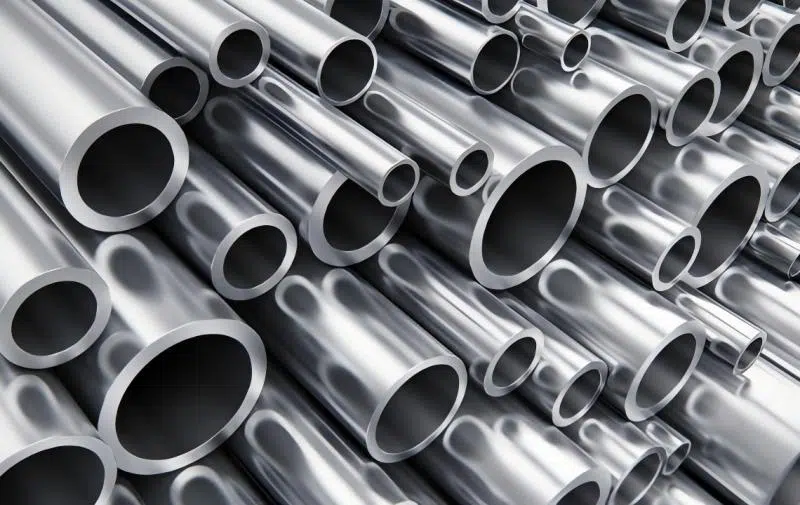
Aluminum tubes require lubricants that reduce friction without staining the surface. Light oil or properly diluted water-based Tube Bender Lubricants are often the best choice.
Matching Lubricants with CNC Tube Bender Processes
High-Speed CNC Tube Bending
In high-speed CNC tube bending, lubricant consistency is critical. The lubricant must maintain performance throughout long production runs without breaking down or evaporating.
Small Radius and Thin-Wall Bending
Thin-wall and small-radius bending demands higher-quality Tube Bender Lubricants. In these cases, mandrel lubrication becomes even more important to prevent wrinkling and collapse.
Common Mistakes When Selecting Tube Bender Lubricants
One common mistake I see is choosing lubricants based solely on price. Low-cost lubricants often lead to higher tooling wear, more scrap parts, and increased downtime. Another mistake is using one lubricant for all materials and applications. Tube bending conditions vary, and lubrication should be adjusted accordingly.
Tube Bender Lubrication Maintenance Tips
Regular Lubricant Inspection
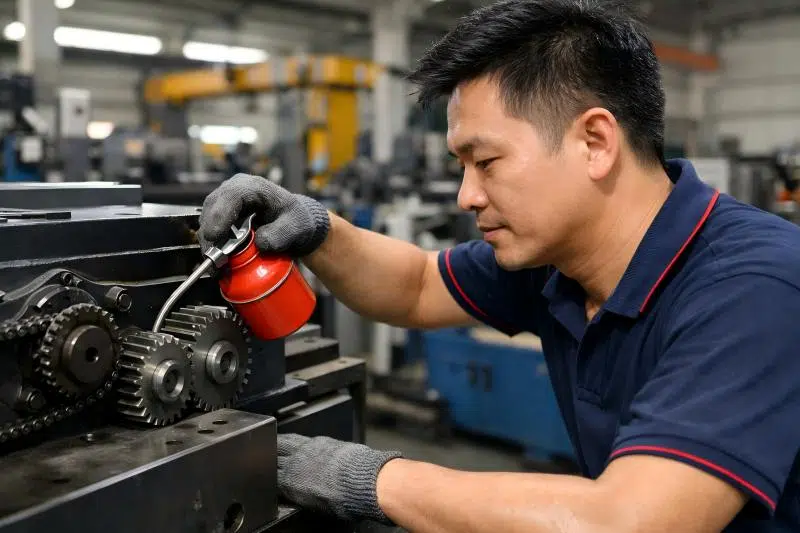
Check lubricant condition daily. Contaminated or degraded lubricants lose effectiveness and can damage tooling.
Cleaning Before Reapplication
Before applying new Tube Bender Lubricants, clean mandrels and dies thoroughly. Mixing old residue with new lubricant reduces performance.
Monitoring Consumption
Sudden increases in lubricant usage often indicate process issues such as misalignment or excessive friction.
FAQ
How often should Tube Bender Lubricants be applied?
Lubrication frequency depends on bending speed, material, and radius. In continuous production, lubrication should be checked at every shift change and adjusted as needed.
Can one Tube Bender Lubricant be used for all materials?
In most cases, no. Different materials require different lubrication properties. Using the wrong lubricant can cause surface defects or tool wear.
Do water-based Tube Bender Lubricants affect bending accuracy?
When properly mixed and maintained, water-based lubricants do not reduce accuracy. Problems usually come from incorrect concentration or poor maintenance.
How do I know if lubrication is causing bending defects?
Signs include excessive scratches, inconsistent bend angles, and increased mandrel wear. Reviewing lubrication quality is often the first troubleshooting step.
Conclusion
Choosing the right Tube Bender Lubricants is not just about reducing friction—it directly affects bending quality, tooling life, and production efficiency. By understanding friction zones, matching lubricants to materials and processes, and maintaining proper lubrication routines, you can significantly reduce defects and downtime. If you need professional advice on lubricant selection for your specific tube bending application, feel free to contact the HARSLE technical team or explore our related tube bending documentation for deeper guidance.


